• Typical Trump,’ Amb Keshi Reviews US President’s Davos Speech

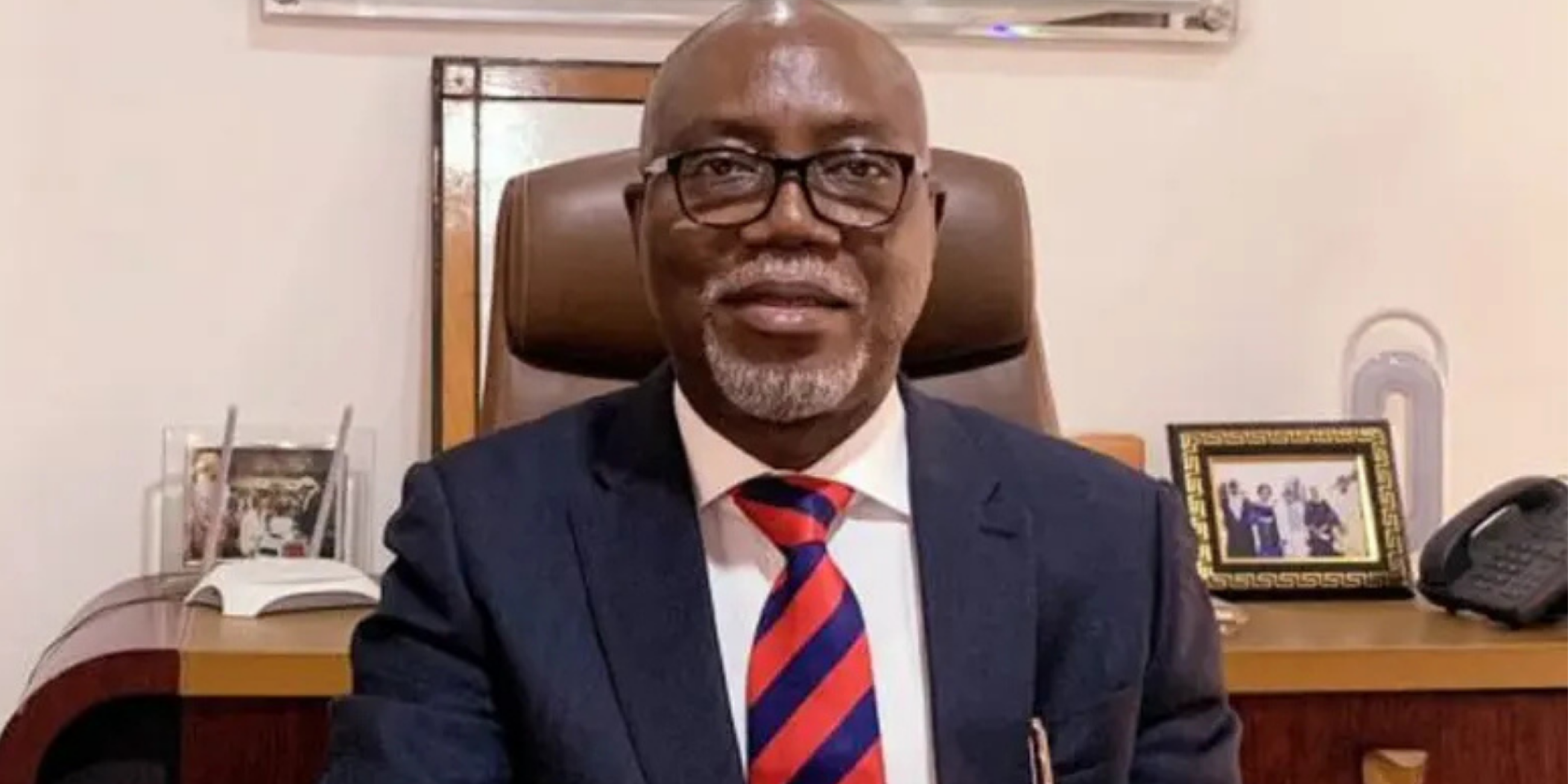
    Ambassador Joe Keshi, former Permanent Secretary of Nigeria’s Ministry of Foreign Affairs, described President Donald Trump’s speech at the World Economic Forum (WEF) in Davos, Switzerland as “nothing special.”

    Trump had declared the United States as the ‘economic engine of the planet’, a statement Keshi seemed to view as typical of the US leader’s style.

    #Trump #Davos2026 #JoeKeshi #WorldEconomicForum
    Typical Trump,’ Amb Keshi Reviews US President’s Davos Speech Ambassador Joe Keshi, former Permanent Secretary of Nigeria’s Ministry of Foreign Affairs, described President Donald Trump’s speech at the World Economic Forum (WEF) in Davos, Switzerland as “nothing special.” Trump had declared the United States as the ‘economic engine of the planet’, a statement Keshi seemed to view as typical of the US leader’s style. #Trump #Davos2026 #JoeKeshi #WorldEconomicForum
    0 Kommentare ·0 Geteilt ·624 Ansichten
  • PDP Slams Tinubu Govt Over ‘Shameful’ $9m U.S. Lobbying Deal, Says Citizens Need Protection—Not PR

    The Peoples Democratic Party (PDP) has condemned the Tinubu-led Federal Government over a reported $9 million contract with U.S. lobbying firm, DCI Group, aimed at influencing the Trump administration and U.S. lawmakers on Nigeria’s insecurity challenges.

    The deal, allegedly facilitated through Aster Legal, is said to focus on convincing U.S. authorities that Nigeria is taking concrete steps to curb insecurity, particularly the killings of Christians in the northern region.

    In a statement dated Wednesday, January 14, 2026, and signed by its National Publicity Secretary, Comrade Ini Ememobong, the PDP described the contract as “defective and deceptive,” arguing that the government should prioritise protecting lives at home rather than spending millions on foreign image management.

    Question: Should Nigeria be paying $9 million for lobbying abroad while citizens remain unsafe at home?

    #NigeriaPolitics #Tinubu #PDP #Insecurity
    PDP Slams Tinubu Govt Over ‘Shameful’ $9m U.S. Lobbying Deal, Says Citizens Need Protection—Not PR The Peoples Democratic Party (PDP) has condemned the Tinubu-led Federal Government over a reported $9 million contract with U.S. lobbying firm, DCI Group, aimed at influencing the Trump administration and U.S. lawmakers on Nigeria’s insecurity challenges. The deal, allegedly facilitated through Aster Legal, is said to focus on convincing U.S. authorities that Nigeria is taking concrete steps to curb insecurity, particularly the killings of Christians in the northern region. In a statement dated Wednesday, January 14, 2026, and signed by its National Publicity Secretary, Comrade Ini Ememobong, the PDP described the contract as “defective and deceptive,” arguing that the government should prioritise protecting lives at home rather than spending millions on foreign image management. Question: Should Nigeria be paying $9 million for lobbying abroad while citizens remain unsafe at home? #NigeriaPolitics #Tinubu #PDP #Insecurity
    love
    1
    · 0 Kommentare ·0 Geteilt ·319 Ansichten
  • Trump Threatens Iran Over Deaths of Protesters, Keeps Military Options Open

    US President Donald Trump has strongly condemned the killing of thousands of protesters in Iran and warned that all options, including military action, remain on the table.

    In a statement posted by the US Department of State, Trump said that while protests are acceptable, the mass killings and executions reported in Iran are unacceptable.

    Press Secretary Karoline Leavitt confirmed that the administration is prioritising diplomacy but is also prepared to consider air strikes or other strong measures if the situation escalates. She noted that Iran’s private communications with US envoy Steve Witkoff show a different tone from their public statements, highlighting ongoing behind-the-scenes diplomatic contacts.

    Rights groups report that the death toll continues to rise, with access to information in Iran limited due to an internet shutdown. Trump indicated that Iran’s leaders requested a meeting, but action may be taken before any formal talks if the killings continue.

    The situation underscores rising tensions between Washington and Tehran, with the US emphasizing both human rights concerns and strategic readiness.

    Trump Threatens Iran Over Deaths of Protesters, Keeps Military Options Open US President Donald Trump has strongly condemned the killing of thousands of protesters in Iran and warned that all options, including military action, remain on the table. In a statement posted by the US Department of State, Trump said that while protests are acceptable, the mass killings and executions reported in Iran are unacceptable. Press Secretary Karoline Leavitt confirmed that the administration is prioritising diplomacy but is also prepared to consider air strikes or other strong measures if the situation escalates. She noted that Iran’s private communications with US envoy Steve Witkoff show a different tone from their public statements, highlighting ongoing behind-the-scenes diplomatic contacts. Rights groups report that the death toll continues to rise, with access to information in Iran limited due to an internet shutdown. Trump indicated that Iran’s leaders requested a meeting, but action may be taken before any formal talks if the killings continue. The situation underscores rising tensions between Washington and Tehran, with the US emphasizing both human rights concerns and strategic readiness.
    0 Kommentare ·0 Geteilt ·428 Ansichten
  • Another Tori oo! Nigeria, EU Ready to Tighten Relationship, Set Big 2026 Abuja Summit

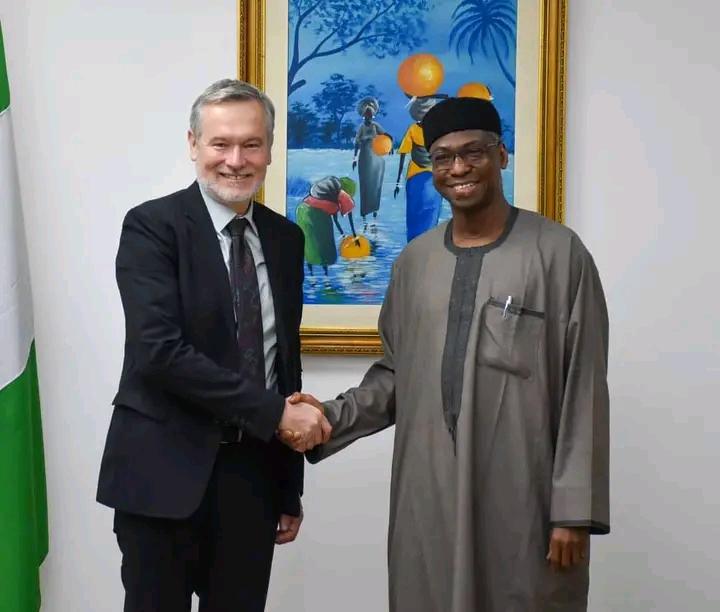
    Nigeria and the European Union don agree to strengthen their strategic partnership, with a major ministerial summit scheduled for Abuja in March 2026. According to a statement by the Ministry of Foreign Affairs spokesperson, Kimibie Ebienfa, the decision follow high-level talks between Nigeria’s Permanent Secretary of Foreign Affairs, Ambassador Dunoma Umar Ahmed, and EU Ambassador, Gautier Mignot. Both sides agree say future cooperation go focus more on non-oil sectors like agriculture, digital economy and green innovation, as Nigeria dey look for ways to reduce dependence on crude oil. The EU also pledge continued support for counter-terrorism, Gulf of Guinea maritime security and tackling root causes of instability such as youth unemployment. Nigeria, on her part, call for stronger EU backing on climate adaptation and green technology. Dem also agree on balanced migration approach through skills partnerships under the EU “Global Gateway” initiative, aimed at boosting infrastructure, clean energy and youth development. Both parties express confidence say 2026 go be turning point for deeper cooperation. Wahala oo, Nigeria foreign partnership don enter new level.

    Another Tori oo! Nigeria, EU Ready to Tighten Relationship, Set Big 2026 Abuja Summit Nigeria and the European Union don agree to strengthen their strategic partnership, with a major ministerial summit scheduled for Abuja in March 2026. According to a statement by the Ministry of Foreign Affairs spokesperson, Kimibie Ebienfa, the decision follow high-level talks between Nigeria’s Permanent Secretary of Foreign Affairs, Ambassador Dunoma Umar Ahmed, and EU Ambassador, Gautier Mignot. Both sides agree say future cooperation go focus more on non-oil sectors like agriculture, digital economy and green innovation, as Nigeria dey look for ways to reduce dependence on crude oil. The EU also pledge continued support for counter-terrorism, Gulf of Guinea maritime security and tackling root causes of instability such as youth unemployment. Nigeria, on her part, call for stronger EU backing on climate adaptation and green technology. Dem also agree on balanced migration approach through skills partnerships under the EU “Global Gateway” initiative, aimed at boosting infrastructure, clean energy and youth development. Both parties express confidence say 2026 go be turning point for deeper cooperation. Wahala oo, Nigeria foreign partnership don enter new level.
    0 Kommentare ·0 Geteilt ·487 Ansichten
  • Nigerian SGF George Akume Plans to Spend N496 Million on Photocopiers and Office Furniture in 2026

    The Office of the Secretary to the Government of the Federation (OSGF), headed by George Akume, has earmarked ₦496 million in the 2026 budget for the purchase and installation of three heavy-duty photocopy machines and office furniture for the Cabinet Affairs Office.

    In context, Akume’s office has previously allocated substantial funds for empowerment initiatives:

    ₦100 million for grinding machines in Ifako-Ijaiye, Lagos State, and another ₦100 million for Bonny/Degema, Rivers State, in 2025.

    ₦200 million for grinding machines in Kaduna South Federal Constituency.

    Totaling ₦400 million for empowerment via grinding machines in 2025.


    Additionally, the Nigerian Institute of Transport Technology budgeted ₦195 million for grinding machines in Kebbi, Aliero, and Maiyama.

    The SGF’s office also drew attention in 2023 for spending ₦9.6 million on branded towels for Akume’s 70th birthday celebration, raising concerns over budget priorities and public fund usage.

    Meanwhile, civil society groups like Voice of the Voiceless Nigerian have called for Akume’s suspension, citing allegations of involvement in an N80 billion fraud, highlighting growing scrutiny of government spending practices.

    Nigerian SGF George Akume Plans to Spend N496 Million on Photocopiers and Office Furniture in 2026 The Office of the Secretary to the Government of the Federation (OSGF), headed by George Akume, has earmarked ₦496 million in the 2026 budget for the purchase and installation of three heavy-duty photocopy machines and office furniture for the Cabinet Affairs Office. In context, Akume’s office has previously allocated substantial funds for empowerment initiatives: ₦100 million for grinding machines in Ifako-Ijaiye, Lagos State, and another ₦100 million for Bonny/Degema, Rivers State, in 2025. ₦200 million for grinding machines in Kaduna South Federal Constituency. Totaling ₦400 million for empowerment via grinding machines in 2025. Additionally, the Nigerian Institute of Transport Technology budgeted ₦195 million for grinding machines in Kebbi, Aliero, and Maiyama. The SGF’s office also drew attention in 2023 for spending ₦9.6 million on branded towels for Akume’s 70th birthday celebration, raising concerns over budget priorities and public fund usage. Meanwhile, civil society groups like Voice of the Voiceless Nigerian have called for Akume’s suspension, citing allegations of involvement in an N80 billion fraud, highlighting growing scrutiny of government spending practices.
    0 Kommentare ·0 Geteilt ·464 Ansichten
  • Iran Wahala Don Set! White House Says Trump Fit Order Airstrikes As Protesters Dey Die

    Global wahala don burst as the White House has revealed that former US President Donald Trump is keeping all options open on Iran, including possible airstrikes, following reports that protesters are being killed on the streets of Tehran. Speaking to journalists, Press Secretary Karoline Leavitt said Trump is considering “very strong options” against Iran, stressing that military action remains on the table if the situation worsens. However, she noted that diplomacy remains the president’s first choice, explaining that while Iran’s leaders are issuing tough statements publicly, they are sending different messages privately to US officials. According to the White House, Tehran has adopted a softer tone in discussions with Trump’s special envoy, Steve Witkoff, even as protests continue. Trump himself warned that Iran may have crossed his red line after reports of civilian deaths, adding that although Iranian leaders have requested talks, “we may have to act before a meeting.” Rights groups say the death toll is rising despite an internet shutdown, while the White House insists Trump does not want to see people “being killed in the streets of Tehran.”

    Iran Wahala Don Set! White House Says Trump Fit Order Airstrikes As Protesters Dey Die Global wahala don burst as the White House has revealed that former US President Donald Trump is keeping all options open on Iran, including possible airstrikes, following reports that protesters are being killed on the streets of Tehran. Speaking to journalists, Press Secretary Karoline Leavitt said Trump is considering “very strong options” against Iran, stressing that military action remains on the table if the situation worsens. However, she noted that diplomacy remains the president’s first choice, explaining that while Iran’s leaders are issuing tough statements publicly, they are sending different messages privately to US officials. According to the White House, Tehran has adopted a softer tone in discussions with Trump’s special envoy, Steve Witkoff, even as protests continue. Trump himself warned that Iran may have crossed his red line after reports of civilian deaths, adding that although Iranian leaders have requested talks, “we may have to act before a meeting.” Rights groups say the death toll is rising despite an internet shutdown, while the White House insists Trump does not want to see people “being killed in the streets of Tehran.”
    0 Kommentare ·0 Geteilt ·456 Ansichten
  • U.S. Warns Citizens to Flee Venezuela After Special Ops Capture of President Maduro

    The U.S. Embassy in Venezuela has issued a strong security alert, urging all American citizens to leave the country immediately amid growing threats from armed militias known as colectivos, who are reportedly setting up roadblocks to target U.S. citizens. The advisory reiterates longstanding travel warnings dating back to 2019, when the U.S. fully withdrew its diplomatic personnel from Caracas.

    The warning follows a major escalation in early January 2026: over 200 U.S. Special Operations forces raided Caracas in Operation Absolute Resolve, abducting President Nicolás Maduro and his wife, Cilia Flores, and transporting them to New York City. The raid reportedly killed dozens of Venezuelan security personnel and Cuban bodyguards.

    In Manhattan, Maduro and Flores face federal charges, including narco-terrorism and cocaine importation conspiracies, and have pleaded not guilty. Meanwhile, Venezuelan Vice President Delcy Rodríguez has been sworn in as acting president, denouncing the operation as an illegal "kidnapping."

    The U.S. administration, citing the war on drugs, has also signaled intentions to rebuild Venezuela’s energy sector and manage oil exports, with Secretary of State Marco Rubio mentioning an "oil quarantine" as leverage. Critics argue the operation primarily targets geopolitical and economic control rather than law enforcement.

    Americans in Venezuela are urged to check flight availability, communicate regularly with family abroad, and enroll in the STEP program to receive security updates, as the U.S. government is currently unable to provide routine or emergency assistance.

    The situation underscores Venezuela’s ongoing instability, including civil unrest, intermittent power outages, and heightened risks of crime and kidnapping.


    U.S. Warns Citizens to Flee Venezuela After Special Ops Capture of President Maduro The U.S. Embassy in Venezuela has issued a strong security alert, urging all American citizens to leave the country immediately amid growing threats from armed militias known as colectivos, who are reportedly setting up roadblocks to target U.S. citizens. The advisory reiterates longstanding travel warnings dating back to 2019, when the U.S. fully withdrew its diplomatic personnel from Caracas. The warning follows a major escalation in early January 2026: over 200 U.S. Special Operations forces raided Caracas in Operation Absolute Resolve, abducting President Nicolás Maduro and his wife, Cilia Flores, and transporting them to New York City. The raid reportedly killed dozens of Venezuelan security personnel and Cuban bodyguards. In Manhattan, Maduro and Flores face federal charges, including narco-terrorism and cocaine importation conspiracies, and have pleaded not guilty. Meanwhile, Venezuelan Vice President Delcy Rodríguez has been sworn in as acting president, denouncing the operation as an illegal "kidnapping." The U.S. administration, citing the war on drugs, has also signaled intentions to rebuild Venezuela’s energy sector and manage oil exports, with Secretary of State Marco Rubio mentioning an "oil quarantine" as leverage. Critics argue the operation primarily targets geopolitical and economic control rather than law enforcement. Americans in Venezuela are urged to check flight availability, communicate regularly with family abroad, and enroll in the STEP program to receive security updates, as the U.S. government is currently unable to provide routine or emergency assistance. The situation underscores Venezuela’s ongoing instability, including civil unrest, intermittent power outages, and heightened risks of crime and kidnapping.
    0 Kommentare ·0 Geteilt ·771 Ansichten
  • Edo Rights Group Accuses Uromi DPO of Harassing Activist, Demands Police Action

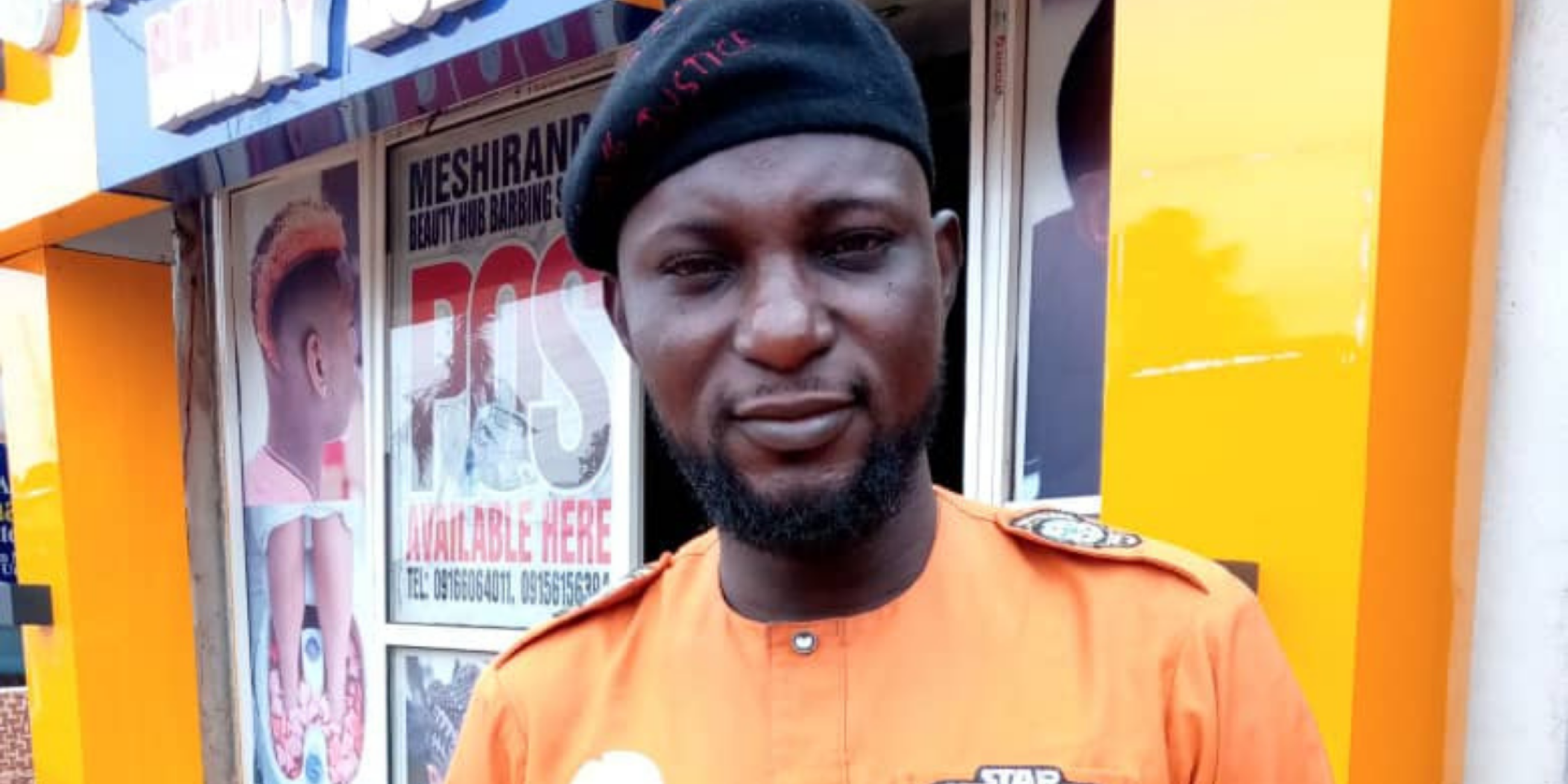
    The Edo State Civil Society Coalition for Human Rights has accused the Divisional Police Officer of Uromi Division, CSP Monday Agbon, of intimidation, abuse of office, and targeted harassment of activist Comrade General Henry Oziegbe.

    In a statement issued on Saturday, the coalition said Oziegbe, a known social justice advocate, has faced sustained reprisals allegedly linked to his criticism of police extortion and systemic injustice in Uromi.

    The group disclosed that multiple petitions had earlier been submitted to the Edo State Commissioner of Police, accusing the DPO of extortion, bribery, and abuse of authority. Rather than submit to investigation, the coalition alleged, the officer responded with threats, intimidation, and attempts to criminalise the activist.

    According to the statement, jointly signed by Coordinator Marxist Kola Edokpayi and Secretary-General Comrade Aghatise Raphael, the DPO allegedly threatened to fabricate charges against Oziegbe and later branded him a cultist—an accusation the coalition described as false, reckless, and dangerous.

    The coalition further claimed that following a directive from the Commissioner of Police to review one of the petitions, the DPO sought to use the Anti-Cultism Unit in Benin City to arrest Oziegbe. However, the unit reportedly declined after finding no factual or evidentiary basis for the allegations.

    “The Anti-Cultism Unit, acting with commendable professional integrity, refused to comply after establishing that the claims were entirely unfounded,” the group said.

    Describing Oziegbe as “a conscientious dissenter and defender of the oppressed,” the coalition argued that any attempt to arrest or detain him would amount to a violation of his constitutional rights. Citing Section 35 of the 1999 Constitution (as amended), it warned against arbitrary arrest, detention, or enforced disappearance.

    The group also stated that any harm or unlawful action against the activist would be held personally against the DPO and any officers involved.

    Consequently, the coalition called on the Inspector-General of Police, the Police Service Commission, the National Human Rights Commission, and other oversight bodies to intervene, investigate the allegations, and prevent what it described as a growing culture of impunity.

    “We will not capitulate. We will not be intimidated. An injury to one remains an injury to all,” the coalition declared.


    Edo Rights Group Accuses Uromi DPO of Harassing Activist, Demands Police Action The Edo State Civil Society Coalition for Human Rights has accused the Divisional Police Officer of Uromi Division, CSP Monday Agbon, of intimidation, abuse of office, and targeted harassment of activist Comrade General Henry Oziegbe. In a statement issued on Saturday, the coalition said Oziegbe, a known social justice advocate, has faced sustained reprisals allegedly linked to his criticism of police extortion and systemic injustice in Uromi. The group disclosed that multiple petitions had earlier been submitted to the Edo State Commissioner of Police, accusing the DPO of extortion, bribery, and abuse of authority. Rather than submit to investigation, the coalition alleged, the officer responded with threats, intimidation, and attempts to criminalise the activist. According to the statement, jointly signed by Coordinator Marxist Kola Edokpayi and Secretary-General Comrade Aghatise Raphael, the DPO allegedly threatened to fabricate charges against Oziegbe and later branded him a cultist—an accusation the coalition described as false, reckless, and dangerous. The coalition further claimed that following a directive from the Commissioner of Police to review one of the petitions, the DPO sought to use the Anti-Cultism Unit in Benin City to arrest Oziegbe. However, the unit reportedly declined after finding no factual or evidentiary basis for the allegations. “The Anti-Cultism Unit, acting with commendable professional integrity, refused to comply after establishing that the claims were entirely unfounded,” the group said. Describing Oziegbe as “a conscientious dissenter and defender of the oppressed,” the coalition argued that any attempt to arrest or detain him would amount to a violation of his constitutional rights. Citing Section 35 of the 1999 Constitution (as amended), it warned against arbitrary arrest, detention, or enforced disappearance. The group also stated that any harm or unlawful action against the activist would be held personally against the DPO and any officers involved. Consequently, the coalition called on the Inspector-General of Police, the Police Service Commission, the National Human Rights Commission, and other oversight bodies to intervene, investigate the allegations, and prevent what it described as a growing culture of impunity. “We will not capitulate. We will not be intimidated. An injury to one remains an injury to all,” the coalition declared.
    0 Kommentare ·0 Geteilt ·832 Ansichten
  • Why Did the Trump Administration Freeze $129 Million in USDA Funds to Minnesota and Minneapolis Over Fraud Allegations, and Who Is Accountable for the Feeding Our Future Scandal?

    The Trump administration has taken decisive action against Minnesota and Minneapolis, suspending over $129 million in USDA federal funding amid allegations of “widespread and systemic fraud.” U.S. Secretary of Agriculture Brooke L. Rollins cited repeated failures in federal program oversight, including mismanagement of programs like Child and Adult Care Food Program (CACFP), Summer Food Service Program (SFSP), and the Supplemental Nutrition Assistance Program (SNAP).

    The decision follows revelations from the Feeding Our Future scandal, in which a Minneapolis nonprofit allegedly defrauded taxpayers of nearly $250 million intended to feed children during the COVID-19 pandemic. Rollins described the fraud as “industrial-scale”, involving 78 defendants charged in what the Department of Justice calls the largest COVID-19 fraud scheme in the U.S.

    In her letter to Minnesota Governor Tim Walz and Minneapolis Mayor Jacob Frey, Rollins highlighted additional alleged abuses in the Paycheck Protection Program, housing assistance schemes, and SNAP misreporting. Officials who resisted federal oversight and challenged USDA directives were also called out for enabling continued fraud.

    As a result, all active and future USDA awards to Minnesota and Minneapolis—totaling $129.18 million—are suspended immediately. Authorities have 30 days to provide detailed payment justifications; failure to comply could extend the suspension. Rollins emphasized that this action represents the administration’s zero-tolerance policy on fraud, waste, and abuse, protecting American taxpayers and ensuring funds reach those who need them.

    This unprecedented suspension raises urgent questions: How did fraud reach such scale in Minnesota’s federal programs? Who is responsible for oversight failures? Will federal authorities enforce accountability, and how will affected programs recover? The frozen funds underscore a growing national focus on transparency, stewardship, and integrity in public funding.


    Why Did the Trump Administration Freeze $129 Million in USDA Funds to Minnesota and Minneapolis Over Fraud Allegations, and Who Is Accountable for the Feeding Our Future Scandal? The Trump administration has taken decisive action against Minnesota and Minneapolis, suspending over $129 million in USDA federal funding amid allegations of “widespread and systemic fraud.” U.S. Secretary of Agriculture Brooke L. Rollins cited repeated failures in federal program oversight, including mismanagement of programs like Child and Adult Care Food Program (CACFP), Summer Food Service Program (SFSP), and the Supplemental Nutrition Assistance Program (SNAP). The decision follows revelations from the Feeding Our Future scandal, in which a Minneapolis nonprofit allegedly defrauded taxpayers of nearly $250 million intended to feed children during the COVID-19 pandemic. Rollins described the fraud as “industrial-scale”, involving 78 defendants charged in what the Department of Justice calls the largest COVID-19 fraud scheme in the U.S. In her letter to Minnesota Governor Tim Walz and Minneapolis Mayor Jacob Frey, Rollins highlighted additional alleged abuses in the Paycheck Protection Program, housing assistance schemes, and SNAP misreporting. Officials who resisted federal oversight and challenged USDA directives were also called out for enabling continued fraud. As a result, all active and future USDA awards to Minnesota and Minneapolis—totaling $129.18 million—are suspended immediately. Authorities have 30 days to provide detailed payment justifications; failure to comply could extend the suspension. Rollins emphasized that this action represents the administration’s zero-tolerance policy on fraud, waste, and abuse, protecting American taxpayers and ensuring funds reach those who need them. This unprecedented suspension raises urgent questions: How did fraud reach such scale in Minnesota’s federal programs? Who is responsible for oversight failures? Will federal authorities enforce accountability, and how will affected programs recover? The frozen funds underscore a growing national focus on transparency, stewardship, and integrity in public funding.
    0 Kommentare ·0 Geteilt ·704 Ansichten
  • UK Shadow Foreign Secretary Priti Patel Urges Action Over Killing of Hindus in Bangladesh

    The UK Shadow Foreign Secretary, Rt Hon Priti Patel MP, has written to the U.K. Foreign Secretary raising alarm over the killing of at least six Hindus in Bangladesh within 18 days, calling the violence “unacceptable.”

    Patel requested details on the UK government’s actions over the past year, including monitoring and diplomatic engagement to protect Hindu communities. She also asked about recent contacts with Bangladeshi authorities, efforts to safeguard minorities, and the use of the UK’s diplomatic influence to bring stability in the region.

    Highlighting the interests of the UK diaspora with family in Bangladesh, Patel inquired whether the government will make a statement to the House of Commons regarding steps taken to address the surge in attacks on Hindu communities.

    The move follows prior parliamentary discussions, including an Urgent Question in December 2024, and emphasizes continued concern over religious minority protection in Bangladesh.


    #Bangladesh #ReligiousFreedom #HumanRights”
    UK Shadow Foreign Secretary Priti Patel Urges Action Over Killing of Hindus in Bangladesh The UK Shadow Foreign Secretary, Rt Hon Priti Patel MP, has written to the U.K. Foreign Secretary raising alarm over the killing of at least six Hindus in Bangladesh within 18 days, calling the violence “unacceptable.” Patel requested details on the UK government’s actions over the past year, including monitoring and diplomatic engagement to protect Hindu communities. She also asked about recent contacts with Bangladeshi authorities, efforts to safeguard minorities, and the use of the UK’s diplomatic influence to bring stability in the region. Highlighting the interests of the UK diaspora with family in Bangladesh, Patel inquired whether the government will make a statement to the House of Commons regarding steps taken to address the surge in attacks on Hindu communities. The move follows prior parliamentary discussions, including an Urgent Question in December 2024, and emphasizes continued concern over religious minority protection in Bangladesh. #Bangladesh #ReligiousFreedom #HumanRights”
    0 Kommentare ·0 Geteilt ·621 Ansichten
  • Is the U.S. Turning Its Back on the United Nations? Why UN Chief Guterres Regrets Trump’s Withdrawal From Dozens of Global Bodies and What It Means for World Governance

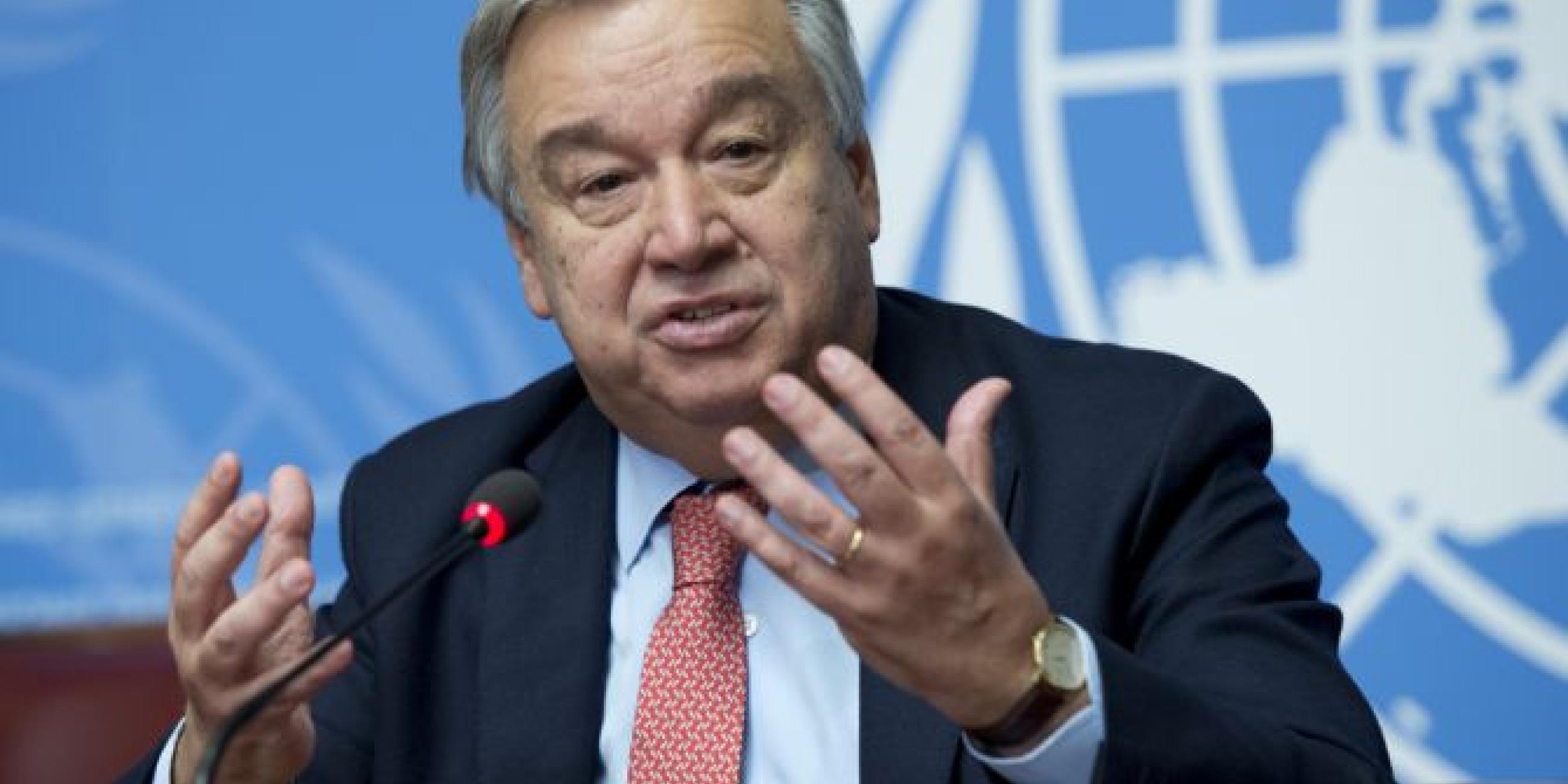
    United Nations Secretary-General Antonio Guterres has expressed strong regret over the United States’ decision to withdraw from multiple international organisations, warning that financial obligations to the UN remain legally binding under international law. The reaction follows a sweeping policy directive signed by U.S. President Donald Trump, ordering American withdrawal from 66 international bodies, including 31 United Nations entities and 35 non-UN organisations.

    In a statement delivered by UN Spokesman Stéphane Dujarric, the Secretary-General described the decision as “regrettable” and stressed that assessed contributions to the UN’s regular and peacekeeping budgets are mandatory under the UN Charter for all member states, including the United States. “Assessed contributions… are a legal obligation under the UN Charter,” Dujarric said, adding that all UN agencies would continue implementing their mandates despite political or financial challenges.

    While the UN statement did not specify which bodies would be affected or the immediate financial consequences, officials have long warned that funding shortfalls could undermine peacekeeping operations, humanitarian assistance, development programmes, and human-rights initiatives worldwide.

    The development stems from a Presidential Memorandum issued by Trump, declaring that continued U.S. participation in the listed organisations no longer serves American interests. The directive follows a comprehensive review ordered under Executive Order 14199 in February 2025, which assessed U.S. involvement in all international organisations, treaties, and conventions receiving American funding or support. After reviewing the findings with his Cabinet, Trump ordered federal agencies to take “immediate steps” to withdraw, where legally permissible.

    Among the non-UN organisations affected are bodies dealing with climate change, energy, environmental protection, democracy promotion, cybersecurity, and regional cooperation, including the Intergovernmental Panel on Climate Change (IPCC), the International Renewable Energy Agency (IRENA), the International Union for Conservation of Nature (IUCN), and the Freedom Online Coalition. The order also targets several security and justice-focused groups, such as the Global Counterterrorism Forum and the International Institute for Justice and the Rule of Law.

    On the UN side, the memorandum directs the United States to cease participation in or funding for multiple agencies and programmes, including UN Women, the UN Population Fund (UNFPA), UN Conference on Trade and Development (UNCTAD), the UN Framework Convention on Climate Change (UNFCCC), and offices focused on peacebuilding, development, oceans, water, international law, and human rights. It also affects entities such as the Peacebuilding Fund, UN Water, UN Oceans, and the UN University system.

    Despite the decision, the UN leadership insists its mission will continue. “All United Nations entities will go on with the implementation of their mandates as given by Member States,” the statement said, underscoring the organisation’s responsibility to people worldwide who rely on its work.

    The move has intensified global debate: Can the United States legally withdraw while still bound to financial obligations? Will UN programmes suffer operational setbacks? Does this signal a broader retreat from multilateralism—or a recalibration of U.S. foreign policy priorities? As the review process remains ongoing, with more organisations potentially targeted, the episode raises urgent questions about the future of international cooperation, global governance, and the stability of multilateral institutions.

    Is the U.S. Turning Its Back on the United Nations? Why UN Chief Guterres Regrets Trump’s Withdrawal From Dozens of Global Bodies and What It Means for World Governance United Nations Secretary-General Antonio Guterres has expressed strong regret over the United States’ decision to withdraw from multiple international organisations, warning that financial obligations to the UN remain legally binding under international law. The reaction follows a sweeping policy directive signed by U.S. President Donald Trump, ordering American withdrawal from 66 international bodies, including 31 United Nations entities and 35 non-UN organisations. In a statement delivered by UN Spokesman Stéphane Dujarric, the Secretary-General described the decision as “regrettable” and stressed that assessed contributions to the UN’s regular and peacekeeping budgets are mandatory under the UN Charter for all member states, including the United States. “Assessed contributions… are a legal obligation under the UN Charter,” Dujarric said, adding that all UN agencies would continue implementing their mandates despite political or financial challenges. While the UN statement did not specify which bodies would be affected or the immediate financial consequences, officials have long warned that funding shortfalls could undermine peacekeeping operations, humanitarian assistance, development programmes, and human-rights initiatives worldwide. The development stems from a Presidential Memorandum issued by Trump, declaring that continued U.S. participation in the listed organisations no longer serves American interests. The directive follows a comprehensive review ordered under Executive Order 14199 in February 2025, which assessed U.S. involvement in all international organisations, treaties, and conventions receiving American funding or support. After reviewing the findings with his Cabinet, Trump ordered federal agencies to take “immediate steps” to withdraw, where legally permissible. Among the non-UN organisations affected are bodies dealing with climate change, energy, environmental protection, democracy promotion, cybersecurity, and regional cooperation, including the Intergovernmental Panel on Climate Change (IPCC), the International Renewable Energy Agency (IRENA), the International Union for Conservation of Nature (IUCN), and the Freedom Online Coalition. The order also targets several security and justice-focused groups, such as the Global Counterterrorism Forum and the International Institute for Justice and the Rule of Law. On the UN side, the memorandum directs the United States to cease participation in or funding for multiple agencies and programmes, including UN Women, the UN Population Fund (UNFPA), UN Conference on Trade and Development (UNCTAD), the UN Framework Convention on Climate Change (UNFCCC), and offices focused on peacebuilding, development, oceans, water, international law, and human rights. It also affects entities such as the Peacebuilding Fund, UN Water, UN Oceans, and the UN University system. Despite the decision, the UN leadership insists its mission will continue. “All United Nations entities will go on with the implementation of their mandates as given by Member States,” the statement said, underscoring the organisation’s responsibility to people worldwide who rely on its work. The move has intensified global debate: Can the United States legally withdraw while still bound to financial obligations? Will UN programmes suffer operational setbacks? Does this signal a broader retreat from multilateralism—or a recalibration of U.S. foreign policy priorities? As the review process remains ongoing, with more organisations potentially targeted, the episode raises urgent questions about the future of international cooperation, global governance, and the stability of multilateral institutions.
    0 Kommentare ·0 Geteilt ·812 Ansichten
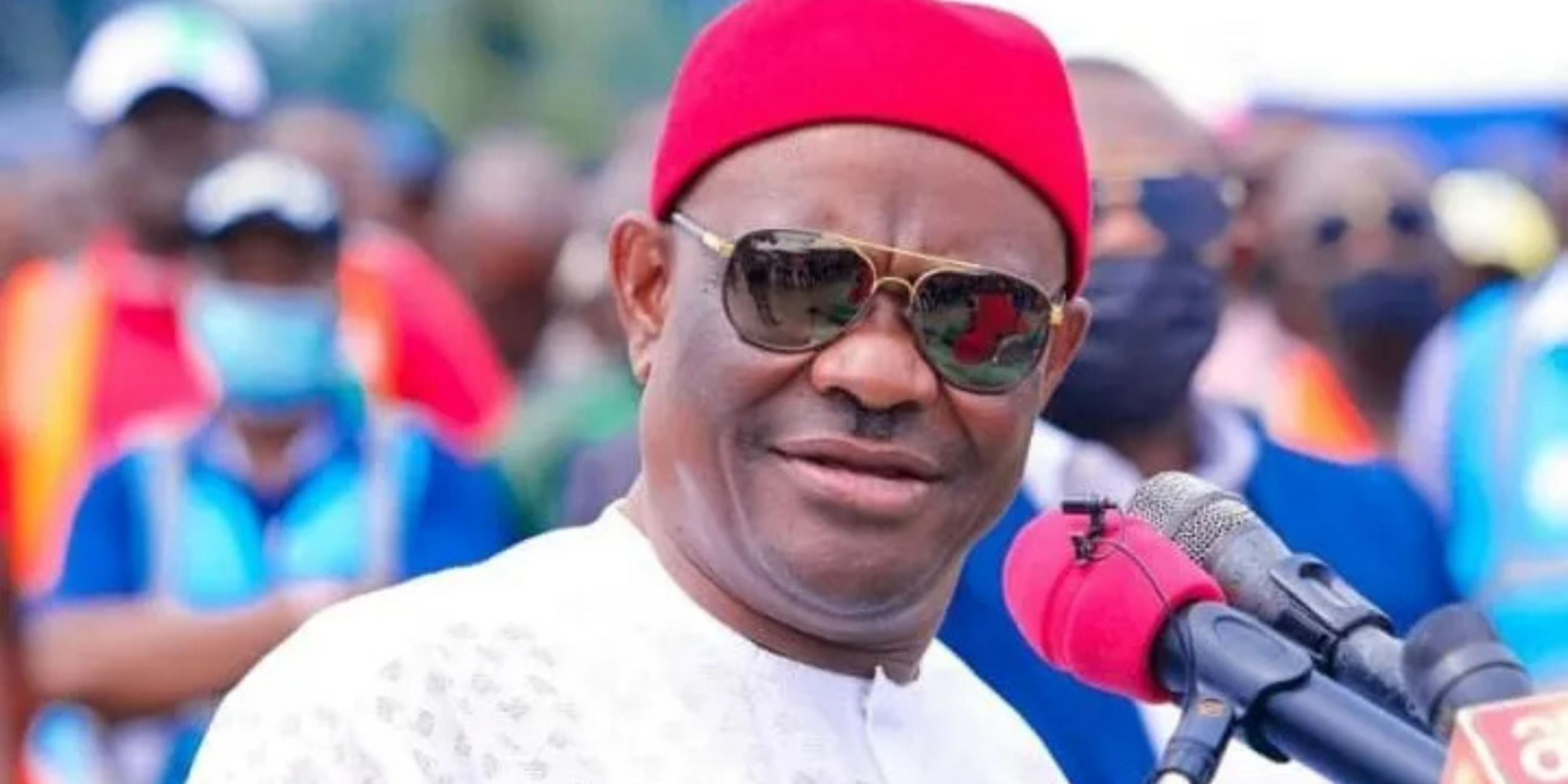
  • Is Nyesom Wike Undermining APC from Inside Government? Why Rivers APC Leaders Are Urging Tinubu to Sanction the FCT Minister Over ‘Anti-Party’ Activities

    Why would leaders of the ruling All Progressives Congress (APC) publicly demand the removal of a sitting minister appointed by their own government? And is Nigeria witnessing one of the most serious internal party confrontations since the 2023 elections?

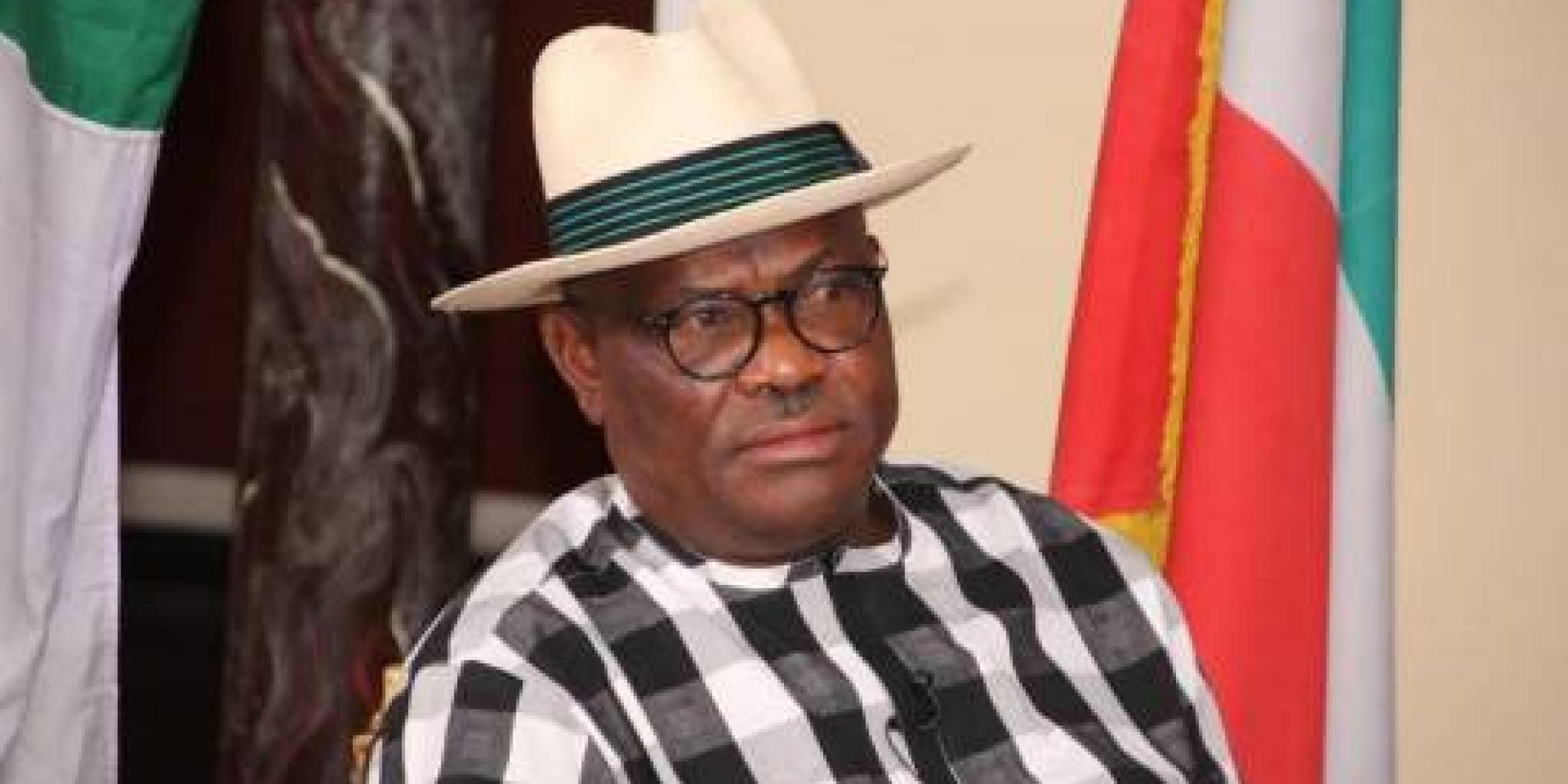
    A coalition of APC leaders has formally asked President Bola Tinubu to sanction or remove the Minister of the Federal Capital Territory (FCT), Nyesom Wike, accusing him of repeated anti-party conduct and statements that allegedly threaten national unity. The demand was conveyed in a memo addressed to the President through the APC National Chairman, Prof. Nentawe Yilwatda, and was accompanied by plans for a protest at the party’s national secretariat in Abuja.

    The signatories—including party chieftains and youth leaders—say their action was prompted by growing concern that Wike, a former Rivers State governor and still a member of the opposition Peoples Democratic Party (PDP), has consistently attacked APC leadership while serving in an APC-led federal government. Could a minister appointed from outside the ruling party be working at cross-purposes with the party that empowered him?

    At the heart of the dispute are comments allegedly made by Wike during a “thank-you tour” in Oyigbo, Rivers State, where he was said to have criticised the APC National Secretary, Senator Ajibola Basiru, accusing him of meddling in state politics for personal reasons and warning that those who interfere would “get their fingers burnt.” APC leaders argue that such remarks amount to direct disrespect for the party’s National Working Committee and an attempt by Wike to exert influence in Rivers State despite not being a registered APC member.

    The coalition further alleges that Wike has been undermining the APC-led government in Rivers State through persistent public attacks on Governor Siminalayi Fubara, reportedly calling his emergence a “mistake” and suggesting that the situation should be corrected in the 2027 elections. Are these political opinions—or a calculated strategy to weaken APC’s hold on Rivers State from within?

    Beyond party politics, the memo raises alarms over what it describes as “dangerous and inflammatory” statements, including claims attributed to Wike that “nobody can enter Rivers State.” The APC leaders warn that portraying any part of Nigeria as a “no-go area” challenges federal authority, risks reviving tensions in the Niger Delta, and could undermine the President’s constitutional role as Commander-in-Chief. Could such rhetoric threaten national cohesion at a time when unity remains fragile?

    The group insists that failure to act against the FCT Minister may deepen internal divisions, erode party discipline, and weaken APC’s electoral prospects in Rivers State. They have vowed to escalate their protests nationwide if their demand is ignored.

    Is this a necessary stand to defend party supremacy and national unity—or a dramatic political showdown that exposes deeper fractures within Nigeria’s ruling party? As the standoff unfolds, all eyes remain on President Tinubu and whether he will heed the call to sanction one of the most powerful political figures in the country.


    Is Nyesom Wike Undermining APC from Inside Government? Why Rivers APC Leaders Are Urging Tinubu to Sanction the FCT Minister Over ‘Anti-Party’ Activities Why would leaders of the ruling All Progressives Congress (APC) publicly demand the removal of a sitting minister appointed by their own government? And is Nigeria witnessing one of the most serious internal party confrontations since the 2023 elections? A coalition of APC leaders has formally asked President Bola Tinubu to sanction or remove the Minister of the Federal Capital Territory (FCT), Nyesom Wike, accusing him of repeated anti-party conduct and statements that allegedly threaten national unity. The demand was conveyed in a memo addressed to the President through the APC National Chairman, Prof. Nentawe Yilwatda, and was accompanied by plans for a protest at the party’s national secretariat in Abuja. The signatories—including party chieftains and youth leaders—say their action was prompted by growing concern that Wike, a former Rivers State governor and still a member of the opposition Peoples Democratic Party (PDP), has consistently attacked APC leadership while serving in an APC-led federal government. Could a minister appointed from outside the ruling party be working at cross-purposes with the party that empowered him? At the heart of the dispute are comments allegedly made by Wike during a “thank-you tour” in Oyigbo, Rivers State, where he was said to have criticised the APC National Secretary, Senator Ajibola Basiru, accusing him of meddling in state politics for personal reasons and warning that those who interfere would “get their fingers burnt.” APC leaders argue that such remarks amount to direct disrespect for the party’s National Working Committee and an attempt by Wike to exert influence in Rivers State despite not being a registered APC member. The coalition further alleges that Wike has been undermining the APC-led government in Rivers State through persistent public attacks on Governor Siminalayi Fubara, reportedly calling his emergence a “mistake” and suggesting that the situation should be corrected in the 2027 elections. Are these political opinions—or a calculated strategy to weaken APC’s hold on Rivers State from within? Beyond party politics, the memo raises alarms over what it describes as “dangerous and inflammatory” statements, including claims attributed to Wike that “nobody can enter Rivers State.” The APC leaders warn that portraying any part of Nigeria as a “no-go area” challenges federal authority, risks reviving tensions in the Niger Delta, and could undermine the President’s constitutional role as Commander-in-Chief. Could such rhetoric threaten national cohesion at a time when unity remains fragile? The group insists that failure to act against the FCT Minister may deepen internal divisions, erode party discipline, and weaken APC’s electoral prospects in Rivers State. They have vowed to escalate their protests nationwide if their demand is ignored. Is this a necessary stand to defend party supremacy and national unity—or a dramatic political showdown that exposes deeper fractures within Nigeria’s ruling party? As the standoff unfolds, all eyes remain on President Tinubu and whether he will heed the call to sanction one of the most powerful political figures in the country.
    0 Kommentare ·0 Geteilt ·1KB Ansichten
  • Why Is the ADC Inaugurating Zonal Congress Committees, Why Is It Rejecting Any Alliance With Atiku, Obi, Kwankwaso, and Jonathan, and What Does This Signal for Nigeria’s 2027 Politics?

    A faction of the African Democratic Congress (ADC) has moved to strengthen its internal structure by inaugurating Zonal Congress Committees across three geopolitical zones, while firmly rejecting widespread speculation that the party is aligning with major political figures such as Atiku Abubakar, Peter Obi, Rabiu Kwankwaso, and Goodluck Jonathan.

    In a communique signed by the party’s National Chairman, Hon. Nafiu Bala Gombe, the ADC said the exercise was part of efforts to entrench internal democracy, transparency, and strict adherence to the party’s constitution ahead of future elections.

    According to the statement, the South-West Zonal Congress Committee was inaugurated in Ekiti State on January 7, 2026, with Hon. Bala Sani named Chairman and Hon. Kyauta Yakubu heading the Appeal Committee. The ceremony was conducted by the National Chairman himself.

    In the South-East, a similar inauguration took place in Enugu State on the same date. Barrister Adamu Ado Dauda was appointed Chairman of the Congress Committee, while Mrs. Iyabo Salami Alibi was named head of the Appeal Committee. The event was presided over by the Secretary of the party’s Board of Trustees (BoT), Chief Rufus Ekenmi.

    Earlier, on January 5, 2026, the party inaugurated its North-Central Zonal Congress Committee, appointing Hon. Lolo Ehirudu as Chairman of the Congress Committee and Hon. Sa’ad Aboki as head of the Appeal Committee.

    Beyond organisational matters, the ADC used the occasion to directly address growing rumours of a possible political alliance with prominent national figures. The party categorically dismissed claims linking it to Atiku Abubakar, Labour Party’s 2023 presidential candidate Peter Obi, former Kano State Governor Rabiu Kwankwaso, and former President Goodluck Jonathan.

    “The National Leadership reiterates its unwavering commitment to the principles of internal democracy, transparency, and strict adherence to the party’s constitution,” the communique stated, urging members and the public to “disregard and ignore” all reports of external political alignments. The party stressed that its focus remains on building “a strong, independent, and ideologically driven platform.”

    The ADC also emphasised that only duly registered and financially up-to-date members would be eligible to vote or contest in its congresses and internal elections, reinforcing its claim of commitment to internal order and party discipline.

    By distancing itself from Nigeria’s most recognisable political heavyweights, the party appears determined to project itself as an independent alternative within the country’s democratic space—one that is not defined by elite coalitions or personality-driven politics.

    As speculation continues over emerging alliances ahead of future elections, observers are asking: Why is the ADC rejecting any association with established political figures? Is the party positioning itself as a third-force movement, or is this a strategic move to consolidate its base before engaging in broader negotiations? And could this internal reorganisation reshape opposition politics in Nigeria ahead of 2027?

    The ADC insists its direction is clear: no external alliances, strict internal democracy, and a people-centred political platform—a stance that may test both its independence and its appeal in Nigeria’s highly competitive political landscape.
    Why Is the ADC Inaugurating Zonal Congress Committees, Why Is It Rejecting Any Alliance With Atiku, Obi, Kwankwaso, and Jonathan, and What Does This Signal for Nigeria’s 2027 Politics? A faction of the African Democratic Congress (ADC) has moved to strengthen its internal structure by inaugurating Zonal Congress Committees across three geopolitical zones, while firmly rejecting widespread speculation that the party is aligning with major political figures such as Atiku Abubakar, Peter Obi, Rabiu Kwankwaso, and Goodluck Jonathan. In a communique signed by the party’s National Chairman, Hon. Nafiu Bala Gombe, the ADC said the exercise was part of efforts to entrench internal democracy, transparency, and strict adherence to the party’s constitution ahead of future elections. According to the statement, the South-West Zonal Congress Committee was inaugurated in Ekiti State on January 7, 2026, with Hon. Bala Sani named Chairman and Hon. Kyauta Yakubu heading the Appeal Committee. The ceremony was conducted by the National Chairman himself. In the South-East, a similar inauguration took place in Enugu State on the same date. Barrister Adamu Ado Dauda was appointed Chairman of the Congress Committee, while Mrs. Iyabo Salami Alibi was named head of the Appeal Committee. The event was presided over by the Secretary of the party’s Board of Trustees (BoT), Chief Rufus Ekenmi. Earlier, on January 5, 2026, the party inaugurated its North-Central Zonal Congress Committee, appointing Hon. Lolo Ehirudu as Chairman of the Congress Committee and Hon. Sa’ad Aboki as head of the Appeal Committee. Beyond organisational matters, the ADC used the occasion to directly address growing rumours of a possible political alliance with prominent national figures. The party categorically dismissed claims linking it to Atiku Abubakar, Labour Party’s 2023 presidential candidate Peter Obi, former Kano State Governor Rabiu Kwankwaso, and former President Goodluck Jonathan. “The National Leadership reiterates its unwavering commitment to the principles of internal democracy, transparency, and strict adherence to the party’s constitution,” the communique stated, urging members and the public to “disregard and ignore” all reports of external political alignments. The party stressed that its focus remains on building “a strong, independent, and ideologically driven platform.” The ADC also emphasised that only duly registered and financially up-to-date members would be eligible to vote or contest in its congresses and internal elections, reinforcing its claim of commitment to internal order and party discipline. By distancing itself from Nigeria’s most recognisable political heavyweights, the party appears determined to project itself as an independent alternative within the country’s democratic space—one that is not defined by elite coalitions or personality-driven politics. As speculation continues over emerging alliances ahead of future elections, observers are asking: Why is the ADC rejecting any association with established political figures? Is the party positioning itself as a third-force movement, or is this a strategic move to consolidate its base before engaging in broader negotiations? And could this internal reorganisation reshape opposition politics in Nigeria ahead of 2027? The ADC insists its direction is clear: no external alliances, strict internal democracy, and a people-centred political platform—a stance that may test both its independence and its appeal in Nigeria’s highly competitive political landscape.
    0 Kommentare ·0 Geteilt ·767 Ansichten
  • Was Ondo Governor’s Security Compromised? Protocol Chiefs Accused of Swapping Convoy Drivers Without Clearance Amid Rising Safety Fears

    A serious security controversy has emerged within the Ondo State Government following allegations that top protocol officials authorized a change of drivers in the governor’s convoy without security clearance, a move insiders describe as a dangerous breach of established procedure. The incident has reportedly heightened tension inside Government House and raised concerns about vulnerabilities in the governor’s protective arrangements.

    According to multiple security sources, the Chief of Protocol (CoP), Mr. Olasanya Abayomi, and the Director of Protocol (DoP), Barr. Asonja George, allegedly ordered the replacement of convoy drivers without informing the Chief Security Officer (CSO) or the Aide-de-Camp (ADC)—the two officers legally responsible for coordinating the governor’s personal security.

    Security experts within the government described the action as a “grave breach of protocol,” stressing that no driver attached to the governor’s convoy should be changed without clearance from the CSO and ADC. One senior official told SaharaReporters that bypassing this chain of command constitutes a serious security violation, especially at a time of heightened national security concerns.

    The development is said to have unsettled junior officers and deepened mistrust among senior officials, with insiders warning that internal lapses of this nature could weaken confidence in the state’s security architecture. Some officials expressed fears that overlapping authority between protocol and security units could create confusion and expose the governor to potential risks.

    More troubling are allegations that the Chief of Protocol may be acting in concert with unnamed individuals to politically undermine the governor’s security structure. Although no concrete evidence has been made public, the claims have intensified calls for an independent investigation, with sources insisting that the governor’s safety must not be subjected to internal power struggles or administrative shortcuts.

    Stakeholders are now urging the Ondo State Commissioner of Police and the Department of State Services (DSS) to urgently probe the incident, determine accountability, and restore confidence in the state’s protective operations. Civil society actors have also called for the two officials involved to step aside pending investigations, arguing that doing so would reassure the public and demonstrate institutional accountability.

    However, the state government has pushed back against claims of a security breach. The governor’s Chief Press Secretary, Mr. Ebenezer Adeniyan, denied that the governor’s safety was compromised, confirming instead that the driver changes were part of a routine annual reshuffle. He explained that all drivers fall under the supervision of the Chief of Protocol and that similar reassignments also affected other units, including the media and ambulance services.

    Despite this official explanation, security analysts argue that the episode highlights a deeper structural issue: the need for clear coordination between protocol and security departments. Experts warn that when protocol functions override established security procedures, it can create vulnerabilities that may be exploited.

    As the controversy continues, one key question remains: Was the governor’s security genuinely compromised, or was this merely an administrative routine that was misinterpreted? The answer may depend on the outcome of any investigation and whether the state government moves to review and strengthen its internal security and protocol processes.
    Was Ondo Governor’s Security Compromised? Protocol Chiefs Accused of Swapping Convoy Drivers Without Clearance Amid Rising Safety Fears A serious security controversy has emerged within the Ondo State Government following allegations that top protocol officials authorized a change of drivers in the governor’s convoy without security clearance, a move insiders describe as a dangerous breach of established procedure. The incident has reportedly heightened tension inside Government House and raised concerns about vulnerabilities in the governor’s protective arrangements. According to multiple security sources, the Chief of Protocol (CoP), Mr. Olasanya Abayomi, and the Director of Protocol (DoP), Barr. Asonja George, allegedly ordered the replacement of convoy drivers without informing the Chief Security Officer (CSO) or the Aide-de-Camp (ADC)—the two officers legally responsible for coordinating the governor’s personal security. Security experts within the government described the action as a “grave breach of protocol,” stressing that no driver attached to the governor’s convoy should be changed without clearance from the CSO and ADC. One senior official told SaharaReporters that bypassing this chain of command constitutes a serious security violation, especially at a time of heightened national security concerns. The development is said to have unsettled junior officers and deepened mistrust among senior officials, with insiders warning that internal lapses of this nature could weaken confidence in the state’s security architecture. Some officials expressed fears that overlapping authority between protocol and security units could create confusion and expose the governor to potential risks. More troubling are allegations that the Chief of Protocol may be acting in concert with unnamed individuals to politically undermine the governor’s security structure. Although no concrete evidence has been made public, the claims have intensified calls for an independent investigation, with sources insisting that the governor’s safety must not be subjected to internal power struggles or administrative shortcuts. Stakeholders are now urging the Ondo State Commissioner of Police and the Department of State Services (DSS) to urgently probe the incident, determine accountability, and restore confidence in the state’s protective operations. Civil society actors have also called for the two officials involved to step aside pending investigations, arguing that doing so would reassure the public and demonstrate institutional accountability. However, the state government has pushed back against claims of a security breach. The governor’s Chief Press Secretary, Mr. Ebenezer Adeniyan, denied that the governor’s safety was compromised, confirming instead that the driver changes were part of a routine annual reshuffle. He explained that all drivers fall under the supervision of the Chief of Protocol and that similar reassignments also affected other units, including the media and ambulance services. Despite this official explanation, security analysts argue that the episode highlights a deeper structural issue: the need for clear coordination between protocol and security departments. Experts warn that when protocol functions override established security procedures, it can create vulnerabilities that may be exploited. As the controversy continues, one key question remains: Was the governor’s security genuinely compromised, or was this merely an administrative routine that was misinterpreted? The answer may depend on the outcome of any investigation and whether the state government moves to review and strengthen its internal security and protocol processes.
    0 Kommentare ·0 Geteilt ·418 Ansichten
  • Ekiti Assembly to Spend ₦1.2 Billion on Chairs, Tables and Vehicles in 2026—While Key Ministries Get Zero Funding: Is This Governance or Misplaced Priorities?

    A review of the Ekiti State House of Assembly’s 2026 budget estimates by SaharaReporters has revealed a controversial plan to spend ₦1.2 billion on executive chairs, tables, cabinets and office furniture, despite the fact that ₦470 million was already spent on similar items in 2025. The proposed expenditure includes 700 executive chairs, 600 tables, 200 chamber tables, 100 cabinets, 50 office shelves and 12 chair sets, raising questions about fiscal responsibility and government priorities.

    In addition to furniture, the Assembly is seeking ₦800 million to procure three 2025 Toyota Land Cruiser Prado SUVs and 30 Toyota Corolla vehicles, further fueling concerns about luxury spending amid economic challenges facing the state.

    This development follows earlier revelations that ₦300 million was budgeted for the construction of a governor’s and deputy governor’s lodge in Asokoro, Abuja, even though ₦470 million had already been spent on similar projects between January and September 2025. Another contract worth ₦320 million was reportedly awarded for the construction of a guest house chalet within the Government House, allegedly to a permanent secretary, raising transparency concerns.

    While billions are allocated to official residences, vehicles and office furniture, a review of Ekiti State’s audited financial statements for 2024 shows that 35 government agencies received zero funding for capital projects, despite having a combined capital budget of ₦3.3 billion. Affected institutions include the Ministry of Education, Science and Technology, Ekiti State Pensions Board, Civil Service Commission, Housing Corporation, Fiscal Responsibility Commission, Office of Public Defender, Teaching Service Commission, University Teaching Hospital, and several others critical to governance, education, healthcare and public welfare.

    The report also highlights a troubling pattern in public procurement, with multiple contracts worth billions of naira reportedly awarded to individuals listed as “Permanent Secretary.” These include airport-related projects such as the ₦3.3 billion Instrument Landing System, electrification works, transformer installations, floodlight systems, and road extensions, along with smaller procurements like buses and motorcycles.

    Critics argue that the growing gap between lavish government spending and the chronic underfunding of essential agencies reflects a governance crisis. As calls for transparency, accountability and prudent use of public funds intensify, the question remains: Why are billions being committed to furniture, vehicles and government lodges while critical ministries and public institutions are left unfunded?

    This controversy has once again placed Ekiti State’s budgeting priorities under national scrutiny, raising fundamental concerns about public trust, fiscal discipline and whether state resources are truly being used in the best interest of citizens.


    Ekiti Assembly to Spend ₦1.2 Billion on Chairs, Tables and Vehicles in 2026—While Key Ministries Get Zero Funding: Is This Governance or Misplaced Priorities? A review of the Ekiti State House of Assembly’s 2026 budget estimates by SaharaReporters has revealed a controversial plan to spend ₦1.2 billion on executive chairs, tables, cabinets and office furniture, despite the fact that ₦470 million was already spent on similar items in 2025. The proposed expenditure includes 700 executive chairs, 600 tables, 200 chamber tables, 100 cabinets, 50 office shelves and 12 chair sets, raising questions about fiscal responsibility and government priorities. In addition to furniture, the Assembly is seeking ₦800 million to procure three 2025 Toyota Land Cruiser Prado SUVs and 30 Toyota Corolla vehicles, further fueling concerns about luxury spending amid economic challenges facing the state. This development follows earlier revelations that ₦300 million was budgeted for the construction of a governor’s and deputy governor’s lodge in Asokoro, Abuja, even though ₦470 million had already been spent on similar projects between January and September 2025. Another contract worth ₦320 million was reportedly awarded for the construction of a guest house chalet within the Government House, allegedly to a permanent secretary, raising transparency concerns. While billions are allocated to official residences, vehicles and office furniture, a review of Ekiti State’s audited financial statements for 2024 shows that 35 government agencies received zero funding for capital projects, despite having a combined capital budget of ₦3.3 billion. Affected institutions include the Ministry of Education, Science and Technology, Ekiti State Pensions Board, Civil Service Commission, Housing Corporation, Fiscal Responsibility Commission, Office of Public Defender, Teaching Service Commission, University Teaching Hospital, and several others critical to governance, education, healthcare and public welfare. The report also highlights a troubling pattern in public procurement, with multiple contracts worth billions of naira reportedly awarded to individuals listed as “Permanent Secretary.” These include airport-related projects such as the ₦3.3 billion Instrument Landing System, electrification works, transformer installations, floodlight systems, and road extensions, along with smaller procurements like buses and motorcycles. Critics argue that the growing gap between lavish government spending and the chronic underfunding of essential agencies reflects a governance crisis. As calls for transparency, accountability and prudent use of public funds intensify, the question remains: Why are billions being committed to furniture, vehicles and government lodges while critical ministries and public institutions are left unfunded? This controversy has once again placed Ekiti State’s budgeting priorities under national scrutiny, raising fundamental concerns about public trust, fiscal discipline and whether state resources are truly being used in the best interest of citizens.
    0 Kommentare ·0 Geteilt ·475 Ansichten
  • Did Wike Admit Using the Judiciary for APC’s Political Battles? Why the FCT Minister Says He Helped Kill Osun’s LG Funds Case—and What It Means for Democracy in Nigeria

    Nigeria’s political space was thrown into controversy after Minister of the Federal Capital Territory (FCT), Nyesom Wike, openly claimed that he helped influential figures within the ruling All Progressives Congress (APC) use the judiciary to frustrate the Osun State local government funds lawsuit. Speaking in a video circulating online, Wike boasted that the court actions that led to the withholding of Osun’s local government allocations were not accidental but carefully engineered by powerful political actors working behind the scenes.

    Addressing a crowd in Port Harcourt, the former Rivers State governor accused APC National Secretary, Senator Ajibola Basiru, of enjoying the political benefits of judicial decisions against the Osun State Government without acknowledging those who made them possible. According to Wike, the lawsuit—widely viewed as targeting Governor Ademola Adeleke’s administration—was part of a broader political strategy rather than a purely legal process.

    Wike warned APC leaders against what he described as ingratitude, insisting that their current advantage in Osun was the result of unseen political manoeuvres. “Today, you are enjoying in Osun. You don’t know those who did the work,” he said, cautioning party leaders not to “take our support for Mr President for granted.” His remarks appeared to be a direct response to Basiru’s criticism of his involvement in Rivers State politics.

    The political clash follows Basiru’s demand that Wike resign as FCT minister, arguing that he is not a member of the APC and therefore has no standing to interfere in the party’s internal affairs. Basiru maintained that his comments were aimed at defending party structure and respecting sitting governors, adding that Wike’s response was inappropriate for a member of the Federal Executive Council.

    The controversy also reopens debate surrounding the Supreme Court’s December 2025 ruling on the Osun local government funds dispute. While the Court faulted the Federal Government for withholding funds, it also ruled that the Osun Attorney General lacked the authority to sue on behalf of the local councils without proper authorisation. A minority judgment, however, criticised the Federal Government’s action as harmful to local governance.

    Wike’s admission has triggered intense reactions across political and civil society circles, raising troubling questions about judicial independence, political influence over court processes, and the weaponisation of legal institutions for partisan gain. If court outcomes can be “worked out” through political connections, critics ask, what does this mean for democracy, federalism, and the rule of law in Nigeria?

    As tensions escalate between Wike and APC leadership, the episode underscores a deeper struggle over power, loyalty, and accountability within Nigeria’s political system—one that could reshape party alliances, governance in Osun and Rivers States, and public trust in the judiciary.


    Did Wike Admit Using the Judiciary for APC’s Political Battles? Why the FCT Minister Says He Helped Kill Osun’s LG Funds Case—and What It Means for Democracy in Nigeria Nigeria’s political space was thrown into controversy after Minister of the Federal Capital Territory (FCT), Nyesom Wike, openly claimed that he helped influential figures within the ruling All Progressives Congress (APC) use the judiciary to frustrate the Osun State local government funds lawsuit. Speaking in a video circulating online, Wike boasted that the court actions that led to the withholding of Osun’s local government allocations were not accidental but carefully engineered by powerful political actors working behind the scenes. Addressing a crowd in Port Harcourt, the former Rivers State governor accused APC National Secretary, Senator Ajibola Basiru, of enjoying the political benefits of judicial decisions against the Osun State Government without acknowledging those who made them possible. According to Wike, the lawsuit—widely viewed as targeting Governor Ademola Adeleke’s administration—was part of a broader political strategy rather than a purely legal process. Wike warned APC leaders against what he described as ingratitude, insisting that their current advantage in Osun was the result of unseen political manoeuvres. “Today, you are enjoying in Osun. You don’t know those who did the work,” he said, cautioning party leaders not to “take our support for Mr President for granted.” His remarks appeared to be a direct response to Basiru’s criticism of his involvement in Rivers State politics. The political clash follows Basiru’s demand that Wike resign as FCT minister, arguing that he is not a member of the APC and therefore has no standing to interfere in the party’s internal affairs. Basiru maintained that his comments were aimed at defending party structure and respecting sitting governors, adding that Wike’s response was inappropriate for a member of the Federal Executive Council. The controversy also reopens debate surrounding the Supreme Court’s December 2025 ruling on the Osun local government funds dispute. While the Court faulted the Federal Government for withholding funds, it also ruled that the Osun Attorney General lacked the authority to sue on behalf of the local councils without proper authorisation. A minority judgment, however, criticised the Federal Government’s action as harmful to local governance. Wike’s admission has triggered intense reactions across political and civil society circles, raising troubling questions about judicial independence, political influence over court processes, and the weaponisation of legal institutions for partisan gain. If court outcomes can be “worked out” through political connections, critics ask, what does this mean for democracy, federalism, and the rule of law in Nigeria? As tensions escalate between Wike and APC leadership, the episode underscores a deeper struggle over power, loyalty, and accountability within Nigeria’s political system—one that could reshape party alliances, governance in Osun and Rivers States, and public trust in the judiciary.
    0 Kommentare ·0 Geteilt ·793 Ansichten
  • Trump Orders U.S. Withdrawal From 66 International Organizations, Including 31 UN Bodies

    U.S. President Donald J. Trump has signed a Presidential Memorandum directing the United States to withdraw from 66 international organizations, including 31 United Nations bodies and 35 non-UN entities. The decision, part of Trump’s “America First” foreign policy, follows a review mandated under Executive Order 14199 on February 4, 2025, which tasked the Secretary of State with evaluating U.S. participation in all international intergovernmental organizations, conventions, and treaties receiving American support.

    According to the memorandum, the Secretary of State submitted findings, which were reviewed by the president and Cabinet, leading to the determination that continued membership in these organizations no longer aligns with U.S. interests. The memorandum instructs all executive departments and agencies to take “immediate steps” to implement withdrawals where legally permissible, including ceasing participation or funding for affected UN bodies.

    The withdrawal list encompasses a wide array of policy areas, from climate change, energy, and environmental conservation to human rights, peacebuilding, democracy promotion, and cybersecurity. Notable non-UN organizations affected include the Intergovernmental Panel on Climate Change, International Renewable Energy Agency, International Union for Conservation of Nature, and the Global Counterterrorism Forum.

    UN entities affected include major offices and programs such as the UN Framework Convention on Climate Change, UN Women, UN Population Fund, UN Conference on Trade and Development, UN Peacebuilding Fund, UN Oceans, and the UN University system.

    Trump emphasized that the review is ongoing, and additional organizations or agreements may be targeted in the future. The memorandum clarifies that this directive does not override existing legal authorities or budgetary controls and does not create enforceable legal rights for any party.

    The announcement marks one of the largest U.S. withdrawals from international institutions in modern history, reflecting a strategic pivot toward national sovereignty, cost reduction, and reevaluation of multilateral commitments. The State Department will oversee implementation and provide additional guidance to federal agencies.
    Trump Orders U.S. Withdrawal From 66 International Organizations, Including 31 UN Bodies U.S. President Donald J. Trump has signed a Presidential Memorandum directing the United States to withdraw from 66 international organizations, including 31 United Nations bodies and 35 non-UN entities. The decision, part of Trump’s “America First” foreign policy, follows a review mandated under Executive Order 14199 on February 4, 2025, which tasked the Secretary of State with evaluating U.S. participation in all international intergovernmental organizations, conventions, and treaties receiving American support. According to the memorandum, the Secretary of State submitted findings, which were reviewed by the president and Cabinet, leading to the determination that continued membership in these organizations no longer aligns with U.S. interests. The memorandum instructs all executive departments and agencies to take “immediate steps” to implement withdrawals where legally permissible, including ceasing participation or funding for affected UN bodies. The withdrawal list encompasses a wide array of policy areas, from climate change, energy, and environmental conservation to human rights, peacebuilding, democracy promotion, and cybersecurity. Notable non-UN organizations affected include the Intergovernmental Panel on Climate Change, International Renewable Energy Agency, International Union for Conservation of Nature, and the Global Counterterrorism Forum. UN entities affected include major offices and programs such as the UN Framework Convention on Climate Change, UN Women, UN Population Fund, UN Conference on Trade and Development, UN Peacebuilding Fund, UN Oceans, and the UN University system. Trump emphasized that the review is ongoing, and additional organizations or agreements may be targeted in the future. The memorandum clarifies that this directive does not override existing legal authorities or budgetary controls and does not create enforceable legal rights for any party. The announcement marks one of the largest U.S. withdrawals from international institutions in modern history, reflecting a strategic pivot toward national sovereignty, cost reduction, and reevaluation of multilateral commitments. The State Department will oversee implementation and provide additional guidance to federal agencies.
    0 Kommentare ·0 Geteilt ·663 Ansichten
  • Berom Youths Demand Proscription Of Miyetti Allah, Prosecution Of Leaders After Deadly Plateau Attacks
    January 7, 2026 – Plateau State

    The Berom Youths Moulder-Association (BYM) has condemned recent coordinated attacks on Jol community in Riyom Local Government Area and Gero in Gyel District of Jos South Local Government Area, Plateau State, describing them as acts of sustained terror targeting indigenous communities. The attacks, which occurred on January 6, 2026, claimed several lives, including Mr. Pius Luka Dida, Markus Danladi, Peter, and Acham Ayuba.

    BYM leader Dalyop Solomon Mwantiri called the killings a “grim reminder of the sustained and systematic terror being unleashed on indigenous communities of Plateau State.” In a statement signed by National Publicity Secretary Rwang Tengwong, the association accused the Miyetti Allah Cattle Breeders Association of Nigeria (MACBAN) of complicity, criticizing its chairman for falsely blaming “Berom terrorists” for attacks on Fulani persons.

    The attacks reportedly caused widespread economic losses, with armed herders destroying dry-season farmlands in Kwi community, resulting in damages estimated at over ₦14 million. The Berom youth group demanded the immediate proscription of MACBAN and the arrest, investigation, and prosecution of its leadership. They called on security agencies and international bodies to hold Ibrahim Yusuf and other leaders of Miyetti Allah accountable for the violence.

    The association also urged prompt compensation for the families of the victims and affected farmers, alongside deployment of adequate security personnel to protect vulnerable communities across Plateau State. The group emphasized that preventive measures and swift justice are essential to curbing recurring violence and safeguarding indigenous populations.

    These attacks are part of a growing pattern of violence in Plateau State, where disputes between herders and local communities have escalated into deadly conflicts over land, grazing rights, and security. Observers note that without decisive action against perpetrators and systemic reform of herding practices, such violent incidents are likely to continue. The BYM’s call for legal and security interventions reflects rising frustration among indigenous populations over perceived impunity and the failure of existing mechanisms to prevent attacks.

    Security analysts say that coordinated efforts by law enforcement, community leaders, and the judiciary are critical to restoring peace, ensuring accountability, and protecting lives and property in Plateau State. Meanwhile, families of victims continue to mourn losses, highlighting the urgent need for government intervention to prevent further bloodshed.


    Berom Youths Demand Proscription Of Miyetti Allah, Prosecution Of Leaders After Deadly Plateau Attacks January 7, 2026 – Plateau State The Berom Youths Moulder-Association (BYM) has condemned recent coordinated attacks on Jol community in Riyom Local Government Area and Gero in Gyel District of Jos South Local Government Area, Plateau State, describing them as acts of sustained terror targeting indigenous communities. The attacks, which occurred on January 6, 2026, claimed several lives, including Mr. Pius Luka Dida, Markus Danladi, Peter, and Acham Ayuba. BYM leader Dalyop Solomon Mwantiri called the killings a “grim reminder of the sustained and systematic terror being unleashed on indigenous communities of Plateau State.” In a statement signed by National Publicity Secretary Rwang Tengwong, the association accused the Miyetti Allah Cattle Breeders Association of Nigeria (MACBAN) of complicity, criticizing its chairman for falsely blaming “Berom terrorists” for attacks on Fulani persons. The attacks reportedly caused widespread economic losses, with armed herders destroying dry-season farmlands in Kwi community, resulting in damages estimated at over ₦14 million. The Berom youth group demanded the immediate proscription of MACBAN and the arrest, investigation, and prosecution of its leadership. They called on security agencies and international bodies to hold Ibrahim Yusuf and other leaders of Miyetti Allah accountable for the violence. The association also urged prompt compensation for the families of the victims and affected farmers, alongside deployment of adequate security personnel to protect vulnerable communities across Plateau State. The group emphasized that preventive measures and swift justice are essential to curbing recurring violence and safeguarding indigenous populations. These attacks are part of a growing pattern of violence in Plateau State, where disputes between herders and local communities have escalated into deadly conflicts over land, grazing rights, and security. Observers note that without decisive action against perpetrators and systemic reform of herding practices, such violent incidents are likely to continue. The BYM’s call for legal and security interventions reflects rising frustration among indigenous populations over perceived impunity and the failure of existing mechanisms to prevent attacks. Security analysts say that coordinated efforts by law enforcement, community leaders, and the judiciary are critical to restoring peace, ensuring accountability, and protecting lives and property in Plateau State. Meanwhile, families of victims continue to mourn losses, highlighting the urgent need for government intervention to prevent further bloodshed.
    0 Kommentare ·0 Geteilt ·342 Ansichten
  • Why Did the US and Venezuela Sign a $2 Billion Oil Deal Now? Is Maduro’s Crisis Reshaping Global Energy Politics?”

    The United States and Venezuela have signed a controversial agreement allowing the export of $2 billion worth of Venezuelan crude oil to the U.S., a move that has triggered intense global debate. Announced by former U.S. President Donald Trump, the deal is being described as a major shift in relations between Washington and Caracas—coming at a time when Venezuela is grappling with political instability, economic collapse, and international sanctions.
    But the big question on Fintter is: Why now?
    According to U.S. officials, the agreement is designed to redirect Venezuelan oil away from China, weaken Beijing’s grip on the country’s energy sector, and prevent Venezuela from suffering deeper production cuts due to storage backlogs and export restrictions. Trump described the deal as a “flagship negotiation,” insisting that it reflects Venezuela’s compliance with U.S. demands to open its oil industry to American companies.
    Even more striking is the political backdrop. The deal comes after the reported capture of President Nicolás Maduro by U.S. forces, a move Venezuelan authorities have denounced as a “kidnapping” and an attempt by Washington to seize control of the country’s vast oil resources. While the U.S. claims the proceeds from the oil sales will be managed to benefit both nations, it remains unclear whether Venezuela’s state oil company PDVSA will gain any real financial access, given that it is still largely frozen out of the global financial system by U.S. sanctions.
    Trump further stated that 30 to 50 million barrels of what he called “sanctioned oil” would be transferred to the United States at market prices, with the U.S. government controlling the revenue. Energy Secretary Chris Wright is expected to oversee the operation, with crude shipped directly from tankers to U.S. ports. Industry insiders revealed that some shipments initially bound for China will now be redirected to the U.S.—potentially ending Beijing’s dominance as Venezuela’s biggest crude buyer.
    Market reactions were swift. U.S. oil prices dropped by more than 1.5%, while heavy crude prices along the Gulf Coast slipped amid expectations of increased supply. Currently, only Chevron is authorized to export Venezuelan crude under a special U.S. license, handling between 100,000 and 150,000 barrels per day, but this deal could dramatically expand that flow.
    At the same time, Venezuela’s oil output remains under threat. Storage shortages caused by the embargo have already forced production cuts, and industry sources warn that without stable export routes, output could decline even further. Meanwhile, discussions are ongoing about whether Venezuelan oil could eventually be used in the U.S. Strategic Petroleum Reserve, raising even bigger geopolitical implications.
    So, Fintter readers are left with powerful questions:
    Is this deal truly about helping Venezuela’s collapsing economy—or is it a strategic move to weaken China’s influence in global energy markets?
    Will Venezuelans actually benefit from this agreement, or will control of their oil wealth remain in foreign hands?
    Does this mark a new era of U.S.–Venezuela relations, or is it simply a high-stakes political maneuver tied to Maduro’s crisis?
    As global energy politics continue to shift, this $2 billion oil agreement could reshape not only Venezuela’s future, but also the balance of power between the U.S., China, and Latin America.
    What do you think, Fintter community? Is this a breakthrough for Venezuela—or another chapter in global resource politics? Drop your thoughts in the comments.
    Why Did the US and Venezuela Sign a $2 Billion Oil Deal Now? Is Maduro’s Crisis Reshaping Global Energy Politics?” The United States and Venezuela have signed a controversial agreement allowing the export of $2 billion worth of Venezuelan crude oil to the U.S., a move that has triggered intense global debate. Announced by former U.S. President Donald Trump, the deal is being described as a major shift in relations between Washington and Caracas—coming at a time when Venezuela is grappling with political instability, economic collapse, and international sanctions. But the big question on Fintter is: Why now? According to U.S. officials, the agreement is designed to redirect Venezuelan oil away from China, weaken Beijing’s grip on the country’s energy sector, and prevent Venezuela from suffering deeper production cuts due to storage backlogs and export restrictions. Trump described the deal as a “flagship negotiation,” insisting that it reflects Venezuela’s compliance with U.S. demands to open its oil industry to American companies. Even more striking is the political backdrop. The deal comes after the reported capture of President Nicolás Maduro by U.S. forces, a move Venezuelan authorities have denounced as a “kidnapping” and an attempt by Washington to seize control of the country’s vast oil resources. While the U.S. claims the proceeds from the oil sales will be managed to benefit both nations, it remains unclear whether Venezuela’s state oil company PDVSA will gain any real financial access, given that it is still largely frozen out of the global financial system by U.S. sanctions. Trump further stated that 30 to 50 million barrels of what he called “sanctioned oil” would be transferred to the United States at market prices, with the U.S. government controlling the revenue. Energy Secretary Chris Wright is expected to oversee the operation, with crude shipped directly from tankers to U.S. ports. Industry insiders revealed that some shipments initially bound for China will now be redirected to the U.S.—potentially ending Beijing’s dominance as Venezuela’s biggest crude buyer. Market reactions were swift. U.S. oil prices dropped by more than 1.5%, while heavy crude prices along the Gulf Coast slipped amid expectations of increased supply. Currently, only Chevron is authorized to export Venezuelan crude under a special U.S. license, handling between 100,000 and 150,000 barrels per day, but this deal could dramatically expand that flow. At the same time, Venezuela’s oil output remains under threat. Storage shortages caused by the embargo have already forced production cuts, and industry sources warn that without stable export routes, output could decline even further. Meanwhile, discussions are ongoing about whether Venezuelan oil could eventually be used in the U.S. Strategic Petroleum Reserve, raising even bigger geopolitical implications. So, Fintter readers are left with powerful questions: Is this deal truly about helping Venezuela’s collapsing economy—or is it a strategic move to weaken China’s influence in global energy markets? Will Venezuelans actually benefit from this agreement, or will control of their oil wealth remain in foreign hands? Does this mark a new era of U.S.–Venezuela relations, or is it simply a high-stakes political maneuver tied to Maduro’s crisis? As global energy politics continue to shift, this $2 billion oil agreement could reshape not only Venezuela’s future, but also the balance of power between the U.S., China, and Latin America. 👉 What do you think, Fintter community? Is this a breakthrough for Venezuela—or another chapter in global resource politics? Drop your thoughts in the comments.
    0 Kommentare ·0 Geteilt ·554 Ansichten
  • ADC Criticizes Tinubu’s Silence on Venezuela Crisis, Warns Nigeria Has Lost Global Diplomatic Voice in International Affairs

    The African Democratic Congress (ADC) has condemned the Nigerian government under President Bola Tinubu for failing to publicly respond to recent political developments in Venezuela, describing the silence as a national embarrassment and a decline in Nigeria’s international influence.
    ADC National Publicity Secretary Bolaji Abdullahi said Nigeria’s absence from global conversations undermines its historic role as a leading diplomatic voice in Africa and West Africa. He contrasted the current administration’s inaction with past Nigerian leaders like Jaja Nwachukwu and Joseph Garba, who took firm stances on major international issues.
    Abdullahi further suggested that Nigeria’s reluctance to speak reflects internal vulnerabilities and a lack of moral courage, warning that the country’s diminished presence on the global stage is abnormal for its stature. The remarks follow outrage over the U.S. military’s capture of Venezuelan President Nicolás Maduro and his wife.
    ADC Criticizes Tinubu’s Silence on Venezuela Crisis, Warns Nigeria Has Lost Global Diplomatic Voice in International Affairs The African Democratic Congress (ADC) has condemned the Nigerian government under President Bola Tinubu for failing to publicly respond to recent political developments in Venezuela, describing the silence as a national embarrassment and a decline in Nigeria’s international influence. ADC National Publicity Secretary Bolaji Abdullahi said Nigeria’s absence from global conversations undermines its historic role as a leading diplomatic voice in Africa and West Africa. He contrasted the current administration’s inaction with past Nigerian leaders like Jaja Nwachukwu and Joseph Garba, who took firm stances on major international issues. Abdullahi further suggested that Nigeria’s reluctance to speak reflects internal vulnerabilities and a lack of moral courage, warning that the country’s diminished presence on the global stage is abnormal for its stature. The remarks follow outrage over the U.S. military’s capture of Venezuelan President Nicolás Maduro and his wife.
    0 Kommentare ·0 Geteilt ·546 Ansichten
Weitere Ergebnisse
Fintter https://fintter.com