• Abuja Health Centre in Kuje Left in Ruins for Years, Linked to Childbirth Deaths as Residents Urge FCT Minister Nyesom Wike to Intervene

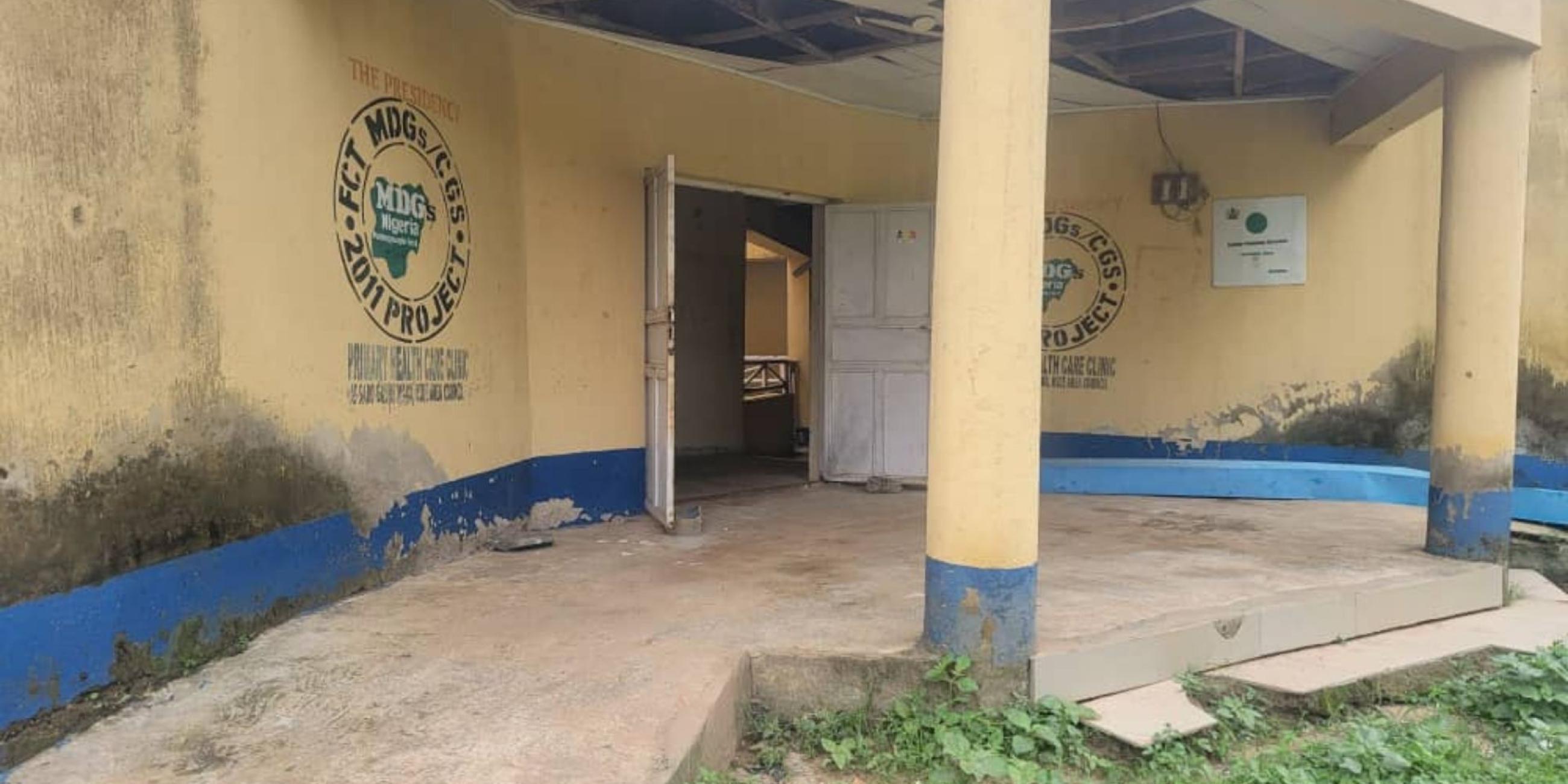
    Residents of Sabo community in Kuje Area Council, Abuja, have raised alarm over the prolonged neglect of their only primary healthcare facility, linking its dilapidated condition to preventable maternal deaths. The Sabo Primary Health Care Centre, which serves an estimated 7,200 people, has been largely non-functional for years, severely limiting access to basic and emergency medical services, particularly for pregnant women.

    According to Tracka, BudgIT’s public expenditure tracking platform, the centre’s infrastructure has collapsed, with damaged roofs and ceilings, wards without beds, and a complete lack of drugs and essential medical equipment. The facility has reportedly remained abandoned and vandalised for nearly seven years, forcing residents to depend on local chemists and unqualified alternatives for treatment. Community members disclosed that several women have died during childbirth due to the absence of functional maternal healthcare services.

    In response, Tracka and affected residents have appealed directly to FCT Minister Nyesom Wike, alongside Senator Ireti Kingibe and Hon. Abdullahi Sabo, urging them to prioritise the reconstruction, equipping, and staffing of the centre. They stressed that restoring the facility is critical to safeguarding public health, reducing maternal mortality, and ensuring that vulnerable residents can access lifesaving medical care within their community.
    Abuja Health Centre in Kuje Left in Ruins for Years, Linked to Childbirth Deaths as Residents Urge FCT Minister Nyesom Wike to Intervene Residents of Sabo community in Kuje Area Council, Abuja, have raised alarm over the prolonged neglect of their only primary healthcare facility, linking its dilapidated condition to preventable maternal deaths. The Sabo Primary Health Care Centre, which serves an estimated 7,200 people, has been largely non-functional for years, severely limiting access to basic and emergency medical services, particularly for pregnant women. According to Tracka, BudgIT’s public expenditure tracking platform, the centre’s infrastructure has collapsed, with damaged roofs and ceilings, wards without beds, and a complete lack of drugs and essential medical equipment. The facility has reportedly remained abandoned and vandalised for nearly seven years, forcing residents to depend on local chemists and unqualified alternatives for treatment. Community members disclosed that several women have died during childbirth due to the absence of functional maternal healthcare services. In response, Tracka and affected residents have appealed directly to FCT Minister Nyesom Wike, alongside Senator Ireti Kingibe and Hon. Abdullahi Sabo, urging them to prioritise the reconstruction, equipping, and staffing of the centre. They stressed that restoring the facility is critical to safeguarding public health, reducing maternal mortality, and ensuring that vulnerable residents can access lifesaving medical care within their community.
    0 Comments ·0 Shares ·105 Views
  • Akwa Ibom Residents Raise Alarm Over Abandoned Mathew Udo Ekpo Memorial Health Centre, Call It Public Hazard

    Residents of Etim Ekpo LGA in Akwa Ibom State have condemned the dilapidated state of the Mathew Udo Ekpo Memorial Health Centre, describing it as a public hazard rather than a functioning hospital.

    The civic tech platform MonITNG highlighted that the centre, the only public healthcare facility for thousands in the area, suffers from a leaking and partially collapsed roof, broken windows, cracked walls, no electricity, and unsafe wards. Patients, including pregnant women, sick children, and the elderly, are forced to travel long distances for care, often at great cost and risk.

    MonITNG emphasized that this neglect reflects systemic failures across the state’s healthcare sector, noting that billions of naira allocated annually have not translated into functional Primary Health Centres (PHCs). The platform called on both the Akwa Ibom State Government and the Federal Ministry of Health to take immediate, tangible action to safeguard citizens’ access to basic healthcare.
    Akwa Ibom Residents Raise Alarm Over Abandoned Mathew Udo Ekpo Memorial Health Centre, Call It Public Hazard Residents of Etim Ekpo LGA in Akwa Ibom State have condemned the dilapidated state of the Mathew Udo Ekpo Memorial Health Centre, describing it as a public hazard rather than a functioning hospital. The civic tech platform MonITNG highlighted that the centre, the only public healthcare facility for thousands in the area, suffers from a leaking and partially collapsed roof, broken windows, cracked walls, no electricity, and unsafe wards. Patients, including pregnant women, sick children, and the elderly, are forced to travel long distances for care, often at great cost and risk. MonITNG emphasized that this neglect reflects systemic failures across the state’s healthcare sector, noting that billions of naira allocated annually have not translated into functional Primary Health Centres (PHCs). The platform called on both the Akwa Ibom State Government and the Federal Ministry of Health to take immediate, tangible action to safeguard citizens’ access to basic healthcare.
    0 Comments ·0 Shares ·123 Views
  • Ebonyi Widow Brutally Attacked Over Donkey Meat Sales in Enugu, Sparks Outrage Over Ethnic Intimidation

    Mrs. Ukamaka Agbo, a widow from Ebonyi State, was viciously attacked by cow butchers at Gariki Market, Afor-Awkunanaw, Enugu, over her sale of donkey meat. The assailants reportedly used machetes and knives, severely injuring her hand and threatening her due to her state of origin. Despite being the victim, Mrs. Agbo was arrested alongside her attackers, triggering public outrage. Police sources confirmed she was operating legally under Enugu State Public Health Law and registered with the Corporate Affairs Commission. Human rights advocates have called for an impartial investigation, accountability, and protection for the widow, highlighting the dangers of ethnic discrimination and intimidation in business.
    Ebonyi Widow Brutally Attacked Over Donkey Meat Sales in Enugu, Sparks Outrage Over Ethnic Intimidation Mrs. Ukamaka Agbo, a widow from Ebonyi State, was viciously attacked by cow butchers at Gariki Market, Afor-Awkunanaw, Enugu, over her sale of donkey meat. The assailants reportedly used machetes and knives, severely injuring her hand and threatening her due to her state of origin. Despite being the victim, Mrs. Agbo was arrested alongside her attackers, triggering public outrage. Police sources confirmed she was operating legally under Enugu State Public Health Law and registered with the Corporate Affairs Commission. Human rights advocates have called for an impartial investigation, accountability, and protection for the widow, highlighting the dangers of ethnic discrimination and intimidation in business.
    0 Comments ·0 Shares ·145 Views
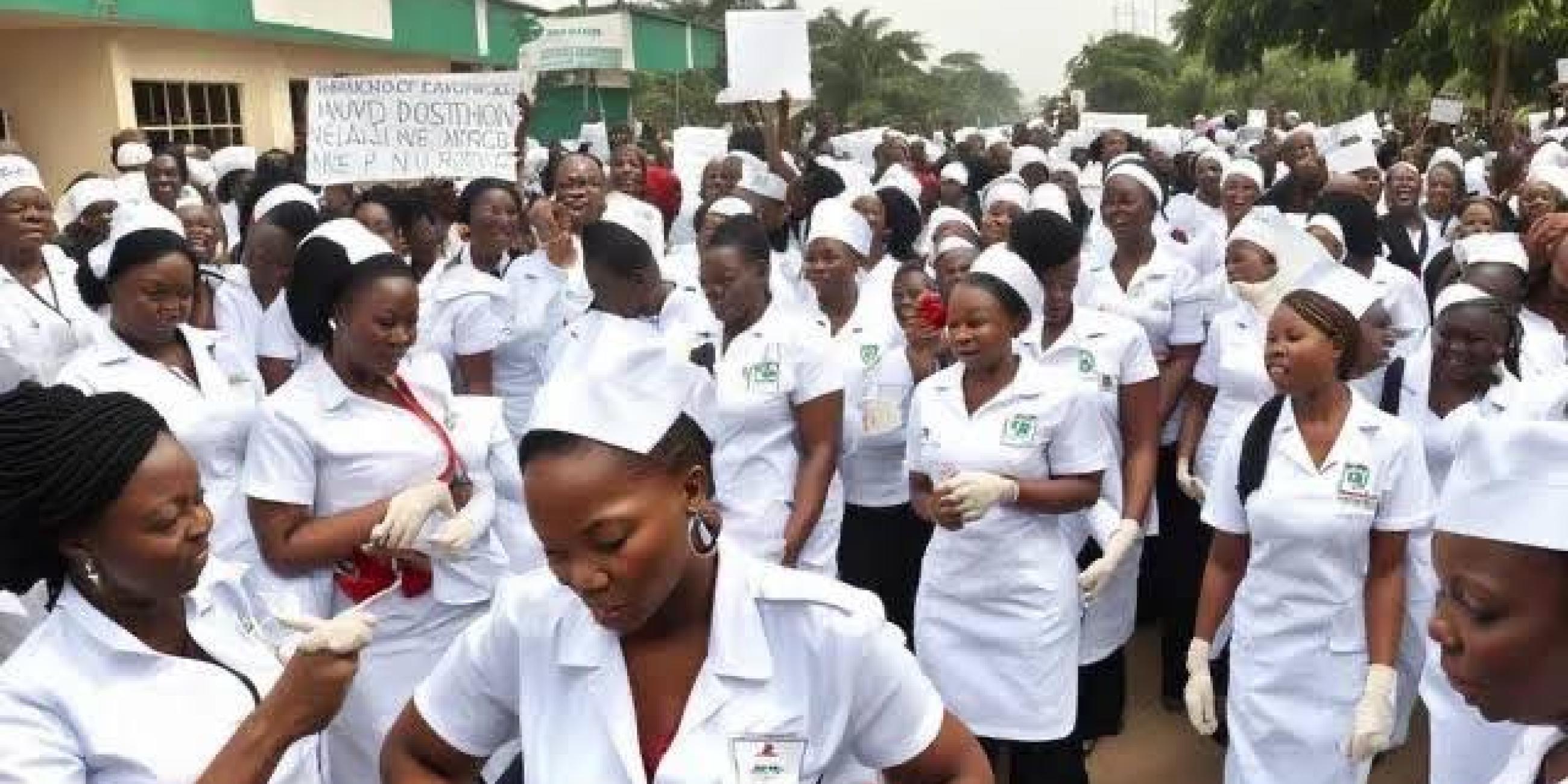
  • Nigerian Nurses Forum Condemns Alleged Quack Nursing Training at Elshaddai Clinic in Ogun, Demands Closure and Prosecution

    The Elegant Nurses Forum has strongly condemned the alleged illegal training, graduation, and public parade of unqualified individuals as nurses at Elshaddai Clinic in Ijebu-Ode, Ogun State. In a statement signed by Nurse Thomas Abiodun Olamide, the forum described the act as blatant quackery that endangers public health and violates professional nursing standards. The group accused the Ogun State Ministry of Health of regulatory failure and blamed the APC-led state government for allowing the practice to thrive. It demanded the immediate closure of the clinic’s illegal operations, arrest and prosecution of those involved, public identification of the fake nurses, and disciplinary action against complicit officials, warning that patient safety and lives are at serious risk.
    Nigerian Nurses Forum Condemns Alleged Quack Nursing Training at Elshaddai Clinic in Ogun, Demands Closure and Prosecution The Elegant Nurses Forum has strongly condemned the alleged illegal training, graduation, and public parade of unqualified individuals as nurses at Elshaddai Clinic in Ijebu-Ode, Ogun State. In a statement signed by Nurse Thomas Abiodun Olamide, the forum described the act as blatant quackery that endangers public health and violates professional nursing standards. The group accused the Ogun State Ministry of Health of regulatory failure and blamed the APC-led state government for allowing the practice to thrive. It demanded the immediate closure of the clinic’s illegal operations, arrest and prosecution of those involved, public identification of the fake nurses, and disciplinary action against complicit officials, warning that patient safety and lives are at serious risk.
    0 Comments ·0 Shares ·181 Views
  • Nigeria Records 153 Measles Deaths in 11 Months with Over 19,000 Confirmed Cases Across 36 States – NCDC Report

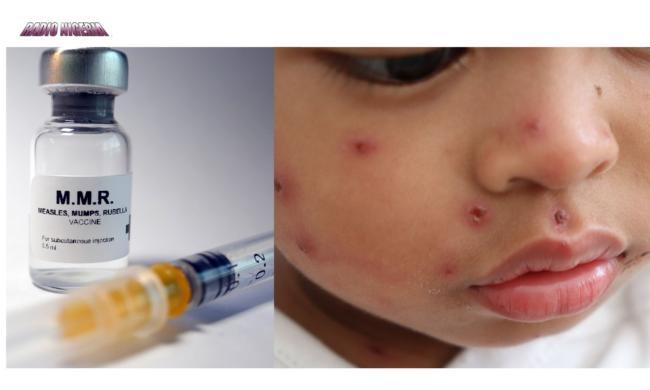
    The Nigeria Centre for Disease Control and Prevention (NCDC) has reported a total of 19,213 confirmed measles cases out of 26,866 suspected cases in 507 Local Government Areas across all 36 states and the Federal Capital Territory, Abuja, as of November 2025. The report revealed 153 deaths from the disease, with children aged 9–59 months accounting for nearly half of all confirmed cases. Disturbingly, 77% of confirmed cases were among children who had not received any measles vaccination. States with the highest number of suspected cases include Borno, Zamfara, Yobe, Bauchi, and Kebbi. The NCDC highlighted that measles remains highly infectious, spreading through respiratory droplets and remaining contagious for up to two hours in the environment. The report underscores the urgent need for intensified vaccination campaigns and public health measures to prevent further fatalities.
    Nigeria Records 153 Measles Deaths in 11 Months with Over 19,000 Confirmed Cases Across 36 States – NCDC Report The Nigeria Centre for Disease Control and Prevention (NCDC) has reported a total of 19,213 confirmed measles cases out of 26,866 suspected cases in 507 Local Government Areas across all 36 states and the Federal Capital Territory, Abuja, as of November 2025. The report revealed 153 deaths from the disease, with children aged 9–59 months accounting for nearly half of all confirmed cases. Disturbingly, 77% of confirmed cases were among children who had not received any measles vaccination. States with the highest number of suspected cases include Borno, Zamfara, Yobe, Bauchi, and Kebbi. The NCDC highlighted that measles remains highly infectious, spreading through respiratory droplets and remaining contagious for up to two hours in the environment. The report underscores the urgent need for intensified vaccination campaigns and public health measures to prevent further fatalities.
    0 Comments ·0 Shares ·195 Views
  • FG INTRODUCES MANDATORY PRE-EMPLOYMENT DRUG TESTING FOR PUBLIC SERVICE APPLICANTS

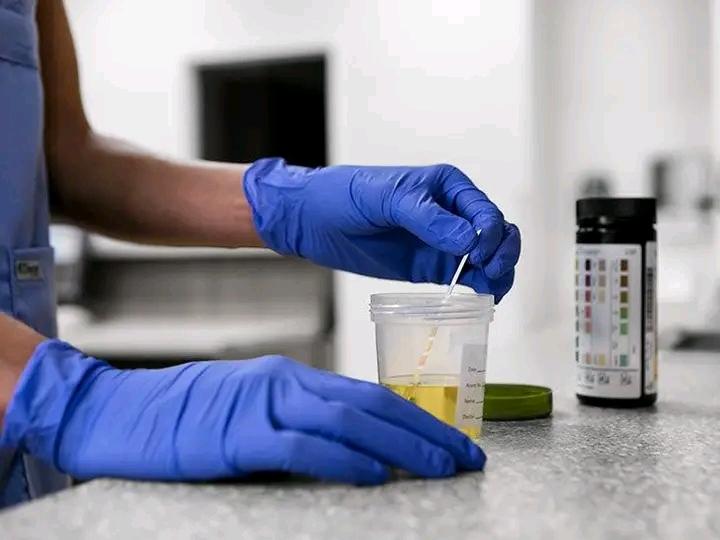
    The Federal Government has approved the introduction of mandatory pre-employment drug testing as a requirement for prospective applicants into the Public Service. This move is part of ongoing efforts to curb the rising menace of illicit drug use and its attendant consequences on national development and security.

    In a statement from the SGF's office, Permanent Secretaries and Heads of Extra-Ministerial Departments/Parastatals are hereby directed to include mandatory drug testing as a core requirement in the recruitment of new personnel. Additionally, MDAs are to collaborate with the National Drug Law Enforcement Agency (NDLEA) in conducting the tests, in line with established standards and procedures.

    This directive to Ministries, Departments, and Agencies (MDAs), including extra-Ministerial Departments, aligns with the present Administration's determination to decisively tackle the menace of drug and substance abuse and insulate the national workforce from unwholesome practices.

    The introduction of mandatory pre-employment drug testing is premised on the concern raised by the Federal Government about the alarming rate of drug and substance abuse, particularly among the teeming youth in the country, with disturbing trends and far-reaching implications for public health, socio-economic development, workplace productivity, and national security.
    FG INTRODUCES MANDATORY PRE-EMPLOYMENT DRUG TESTING FOR PUBLIC SERVICE APPLICANTS The Federal Government has approved the introduction of mandatory pre-employment drug testing as a requirement for prospective applicants into the Public Service. This move is part of ongoing efforts to curb the rising menace of illicit drug use and its attendant consequences on national development and security. In a statement from the SGF's office, Permanent Secretaries and Heads of Extra-Ministerial Departments/Parastatals are hereby directed to include mandatory drug testing as a core requirement in the recruitment of new personnel. Additionally, MDAs are to collaborate with the National Drug Law Enforcement Agency (NDLEA) in conducting the tests, in line with established standards and procedures. This directive to Ministries, Departments, and Agencies (MDAs), including extra-Ministerial Departments, aligns with the present Administration's determination to decisively tackle the menace of drug and substance abuse and insulate the national workforce from unwholesome practices. The introduction of mandatory pre-employment drug testing is premised on the concern raised by the Federal Government about the alarming rate of drug and substance abuse, particularly among the teeming youth in the country, with disturbing trends and far-reaching implications for public health, socio-economic development, workplace productivity, and national security.
    0 Comments ·0 Shares ·256 Views
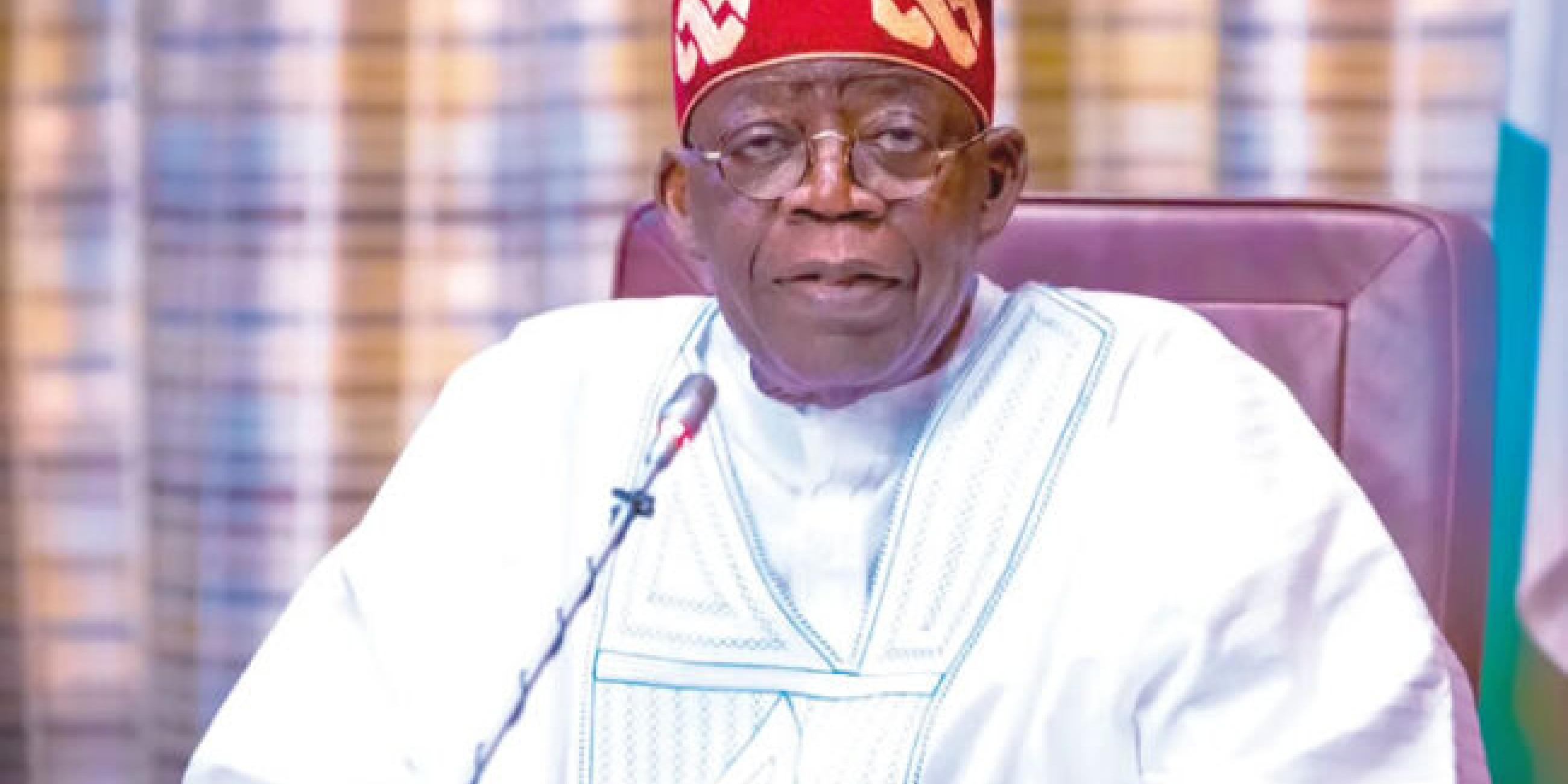
  • Tinubu Government Mandates Pre-Employment Drug Testing for All Nigerian Public Servants to Combat Rising Substance Abuse

    The Nigerian government, under President Bola Tinubu, has introduced mandatory pre-employment drug testing for all prospective public service applicants. The directive, issued via a circular from the Office of the Secretary to the Government of the Federation (SGF), requires Ministries, Departments, and Agencies (MDAs) to collaborate with the NDLEA in testing recruits. The initiative aims to curb illicit drug and substance abuse among Nigerian youth and enhance workplace productivity, public health, and national security. Permanent Secretaries and heads of parastatals must now make drug testing a core recruitment requirement.
    Tinubu Government Mandates Pre-Employment Drug Testing for All Nigerian Public Servants to Combat Rising Substance Abuse The Nigerian government, under President Bola Tinubu, has introduced mandatory pre-employment drug testing for all prospective public service applicants. The directive, issued via a circular from the Office of the Secretary to the Government of the Federation (SGF), requires Ministries, Departments, and Agencies (MDAs) to collaborate with the NDLEA in testing recruits. The initiative aims to curb illicit drug and substance abuse among Nigerian youth and enhance workplace productivity, public health, and national security. Permanent Secretaries and heads of parastatals must now make drug testing a core recruitment requirement.
    0 Comments ·0 Shares ·226 Views
  • NAFDAC Recalls Indomie Vegetable Flavour Noodles Over Undeclared Allergens, Issues Public Health Alert

    NAFDAC has issued a public alert warning Nigerians about a recall of Indomie Vegetable Flavour noodles due to undeclared allergens, including milk and eggs, which could trigger severe reactions in allergic consumers. The recall follows a notification from France’s food safety authority, Rappel Conso. The affected batches have a best-before date of February 6, 2026. NAFDAC is intensifying surveillance to prevent the product’s circulation in Nigeria, urging distributors, retailers, and consumers to avoid its sale or consumption. The agency also encouraged the public to report any adverse reactions or suspected sale of the recalled product.
    NAFDAC Recalls Indomie Vegetable Flavour Noodles Over Undeclared Allergens, Issues Public Health Alert NAFDAC has issued a public alert warning Nigerians about a recall of Indomie Vegetable Flavour noodles due to undeclared allergens, including milk and eggs, which could trigger severe reactions in allergic consumers. The recall follows a notification from France’s food safety authority, Rappel Conso. The affected batches have a best-before date of February 6, 2026. NAFDAC is intensifying surveillance to prevent the product’s circulation in Nigeria, urging distributors, retailers, and consumers to avoid its sale or consumption. The agency also encouraged the public to report any adverse reactions or suspected sale of the recalled product.
    0 Comments ·0 Shares ·385 Views
  • FCT Administration Orders Public Premises in Abuja to Obtain Health and Environmental Certificates, Warns of Penalties for Non-Compliance

    The Federal Capital Territory Administration (FCTA), through its Health Services and Environment Secretariat, has issued a demand notice directing all public premises in Abuja to obtain mandatory health and environmental certificates or face sanctions. The directive, backed by constitutional provisions and multiple public health and environmental laws, requires premises to undergo sanitary inspections, occupational health audits, environmental impact assessments, air quality checks, and obtain food handling permits where applicable. Payments must be made exclusively through the official FCTA revenue platform, with a 14-day compliance window, after which full penalties under the National Environmental Health Practice Regulation, 2024, will apply.
    FCT Administration Orders Public Premises in Abuja to Obtain Health and Environmental Certificates, Warns of Penalties for Non-Compliance The Federal Capital Territory Administration (FCTA), through its Health Services and Environment Secretariat, has issued a demand notice directing all public premises in Abuja to obtain mandatory health and environmental certificates or face sanctions. The directive, backed by constitutional provisions and multiple public health and environmental laws, requires premises to undergo sanitary inspections, occupational health audits, environmental impact assessments, air quality checks, and obtain food handling permits where applicable. Payments must be made exclusively through the official FCTA revenue platform, with a 14-day compliance window, after which full penalties under the National Environmental Health Practice Regulation, 2024, will apply.
    0 Comments ·0 Shares ·178 Views
  • Lagos Health Workers Accuse Government of Forcing Purchase of N8,000 Handbooks

    The Lagos State government and Health Service Commission are accused of compelling staff to purchase a “public safety rules” handbook at N4,500 at the state secretariat in Alausa, with another version sold at N3,500 at the Public Health Commission office. Sources report that refusal to buy the books could affect staff salaries and promotions. The policy has reportedly caused frustration among healthcare workers, leading some nurses to leave their jobs or seek opportunities abroad. Critics argue the practice is unfair and burdens staff financially. A similar issue had previously been reported with Nigerian police personnel being required to purchase a mandatory handbook for N2,000.
    Lagos Health Workers Accuse Government of Forcing Purchase of N8,000 Handbooks The Lagos State government and Health Service Commission are accused of compelling staff to purchase a “public safety rules” handbook at N4,500 at the state secretariat in Alausa, with another version sold at N3,500 at the Public Health Commission office. Sources report that refusal to buy the books could affect staff salaries and promotions. The policy has reportedly caused frustration among healthcare workers, leading some nurses to leave their jobs or seek opportunities abroad. Critics argue the practice is unfair and burdens staff financially. A similar issue had previously been reported with Nigerian police personnel being required to purchase a mandatory handbook for N2,000.
    0 Comments ·0 Shares ·232 Views
  • Ewhrudjakpo Was A Friend, Not My Subordinate, Says Gov Diri

    Bayelsa State Governor, Senator Douye Diri, has described his late deputy, Senator Lawrence Ewhrudjakpo, as a friend with whom he had an outstanding relationship and was never seen or treated as a subordinate.

    A statement by his Chief Press Secretary, Mr. Daniel Alabrah, quoted Senator Diri as stating this on Friday night when he led a delegation comprising state legislators and top government officials on a visit to Mrs. Beatrice Ewhrudjakpo and his late deputy’s family at the official residence in Government House, Yenagoa.

    The Bayelsa governor expressed shock at the sudden passing of his deputy on December 11, saying he had a long and cordial working relationship with him while they served in the immediate past administration in the state.

    According to him, "we came a long way from the leadership of the government of my predecessor, Senator Seriake Dickson. We worked together for eight years and now in our own government, we have been together for almost six years.

    "You know what it means when you have a deputy governor who works with you loyally. He was dependable, workaholic and very resourceful.

    “We came together as friends and brothers. Our working relationship was not that of a boss and subordinate but it was that of a brother and friend yet recognising that l was his principal.

    "Ewhrudjakpo was a man of many parts. He wore the cap of a lawyer and a public health official, who took charge of the committee on primary healthcare. Coincidentally, today (Friday), the state government received a primary healthcare award in Abuja.

    "God called him when the ovation was loudest. We believed that we were going to serve together for eight years and we were almost there. Now, how do l celebrate our sixth anniversary in office without Lawrence Ewhrudjakpo?"

    Describing his deputy as an upright man who stood for justice and always insisted on doing what was right, Diri said his death was not only painful but a great loss to the state, and urged the Ewhrudjakpo family and the Ofoni community to submit to the will of God, taking solace in the fact that he attained remarkable achievements during his short but impactful lifetime.

    The governor assured that government would support the family and take over sponsorship of the children's education to any level as well as ensure that his staff remained part of government.

    He equally assured the Ofoni community that their illustrious son, who died in active service, would be given a befitting state burial.

    Responding on behalf of the family, one-time member of the state assembly and a former Commissioner for Education, Dr. Oyovwhi Osusu, expressed gratitude to the governor for identifying with the Ewhrudjakpo family and the Ofoni community over the death of the deputy governor.

    Dr. Osusu, who said the family and the community were in deep shock over the tragic incident, however attributed it to God's will and thanked the state government for its support.

    The governor was accompanied on the visit by his wife, Dr. Gloria Diri, Speaker of the House of Assembly, Rt. Hon. Abraham Ingobere, the Deputy Speaker, Michael Ogbere, House Leader, Monday Obolo-Bubou, and other state legislators.

    Also on the entourage were the immediate past deputy governor, Rear Admiral Gboribiogha John-Jonah (rtd), Chief of Staff, Government House, Dr Peter Akpe, Deputy Chief of Staff, Irorodamie Komonibo, members of the state executive council, President, Ijaw National Congress, Prof Benjamin Okaba, and chairman of the state Peoples Democratic Party, Solomon Agwana, among others.
    Ewhrudjakpo Was A Friend, Not My Subordinate, Says Gov Diri Bayelsa State Governor, Senator Douye Diri, has described his late deputy, Senator Lawrence Ewhrudjakpo, as a friend with whom he had an outstanding relationship and was never seen or treated as a subordinate. A statement by his Chief Press Secretary, Mr. Daniel Alabrah, quoted Senator Diri as stating this on Friday night when he led a delegation comprising state legislators and top government officials on a visit to Mrs. Beatrice Ewhrudjakpo and his late deputy’s family at the official residence in Government House, Yenagoa. The Bayelsa governor expressed shock at the sudden passing of his deputy on December 11, saying he had a long and cordial working relationship with him while they served in the immediate past administration in the state. According to him, "we came a long way from the leadership of the government of my predecessor, Senator Seriake Dickson. We worked together for eight years and now in our own government, we have been together for almost six years. "You know what it means when you have a deputy governor who works with you loyally. He was dependable, workaholic and very resourceful. “We came together as friends and brothers. Our working relationship was not that of a boss and subordinate but it was that of a brother and friend yet recognising that l was his principal. "Ewhrudjakpo was a man of many parts. He wore the cap of a lawyer and a public health official, who took charge of the committee on primary healthcare. Coincidentally, today (Friday), the state government received a primary healthcare award in Abuja. "God called him when the ovation was loudest. We believed that we were going to serve together for eight years and we were almost there. Now, how do l celebrate our sixth anniversary in office without Lawrence Ewhrudjakpo?" Describing his deputy as an upright man who stood for justice and always insisted on doing what was right, Diri said his death was not only painful but a great loss to the state, and urged the Ewhrudjakpo family and the Ofoni community to submit to the will of God, taking solace in the fact that he attained remarkable achievements during his short but impactful lifetime. The governor assured that government would support the family and take over sponsorship of the children's education to any level as well as ensure that his staff remained part of government. He equally assured the Ofoni community that their illustrious son, who died in active service, would be given a befitting state burial. Responding on behalf of the family, one-time member of the state assembly and a former Commissioner for Education, Dr. Oyovwhi Osusu, expressed gratitude to the governor for identifying with the Ewhrudjakpo family and the Ofoni community over the death of the deputy governor. Dr. Osusu, who said the family and the community were in deep shock over the tragic incident, however attributed it to God's will and thanked the state government for its support. The governor was accompanied on the visit by his wife, Dr. Gloria Diri, Speaker of the House of Assembly, Rt. Hon. Abraham Ingobere, the Deputy Speaker, Michael Ogbere, House Leader, Monday Obolo-Bubou, and other state legislators. Also on the entourage were the immediate past deputy governor, Rear Admiral Gboribiogha John-Jonah (rtd), Chief of Staff, Government House, Dr Peter Akpe, Deputy Chief of Staff, Irorodamie Komonibo, members of the state executive council, President, Ijaw National Congress, Prof Benjamin Okaba, and chairman of the state Peoples Democratic Party, Solomon Agwana, among others.
    0 Comments ·0 Shares ·356 Views
  • Kano Seizes 4,920 Bottles of Beer, Hands Trucks to Hisbah for Destruction

    Kano State authorities have intercepted 4,920 bottles of beer after operatives of the Kano Road Traffic Agency (KAROTA) impounded three trucks transporting alcoholic beverages during a night operation. KAROTA’s Managing Director, Faisal Mahmud, said the seizure was part of their mandate to monitor suspicious movements and curb the circulation of intoxicants deemed harmful to public health. The confiscated trucks and goods were handed over to the Hisbah Board, whose Commander-General, Sheikh Aminu Daurawa, commended the vigilance of KAROTA officers. Hisbah officials stated that due process would precede the destruction of the items and reaffirmed continued collaboration to stop prohibited goods from entering the state.


    #KanoNews #HisbahOperations #AlcoholSeizure
    Kano Seizes 4,920 Bottles of Beer, Hands Trucks to Hisbah for Destruction Kano State authorities have intercepted 4,920 bottles of beer after operatives of the Kano Road Traffic Agency (KAROTA) impounded three trucks transporting alcoholic beverages during a night operation. KAROTA’s Managing Director, Faisal Mahmud, said the seizure was part of their mandate to monitor suspicious movements and curb the circulation of intoxicants deemed harmful to public health. The confiscated trucks and goods were handed over to the Hisbah Board, whose Commander-General, Sheikh Aminu Daurawa, commended the vigilance of KAROTA officers. Hisbah officials stated that due process would precede the destruction of the items and reaffirmed continued collaboration to stop prohibited goods from entering the state. #KanoNews #HisbahOperations #AlcoholSeizure
    0 Comments ·0 Shares ·333 Views
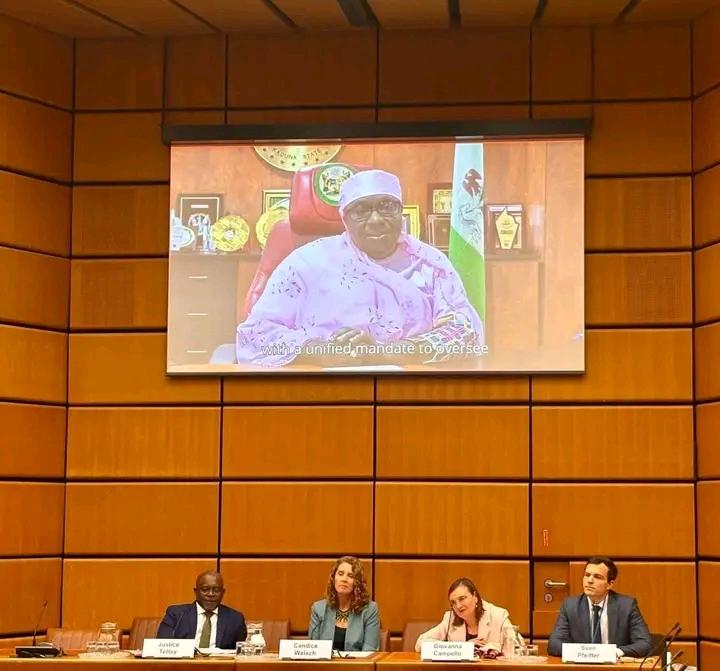
  • The Deputy Governor of Kaduna state Hadiza Balarabe has participated at a virtual meeting of the United Nations Office on Drugs and Crime (#UNODC)

    The Deputy Governor says the invitation reflects the strong and growing partnership between UNODC and Kaduna State, a partnership that has supported the efforts to confront the complex challenges of substance use with clarity, compassion and courage as for many years, the global response to substance use disorder has relied heavily on punishment.

    This approach filled prisons but failed to heal our communities. That is why Kaduna State is choosing another path. recognizing that the cycle of addiction and incarceration is not a moral failure. It is a public health challenge that demands a humane, integrated answer. That answer is what we call “The Kaduna Model”.
    A foundation rests firmly on human rights replacing restrictive colonial-era laws with the Kaduna State Mental Health Bill, which affirms mental health as a basic human right and shields our citizens from discrimination. The state transform the former Bureau for Substance Abuse into the Kaduna State Substance Abuse Prevention and Mental Health Services Agency, KADSAMHSA, an institution with a unified mandate to oversee mental, neurological and substance use services. This transformation gave the people of Kaduna access to a system built on dignity, equity and care.
    A defining element of The Kaduna Model is our Alternatives to Incarceration (ATI) programme. Through technical partnership with the UNODC, Kaduna State became the first jurisdiction in Nigeria and the only one in Sub-Saharan Africa to implement this model at such a comprehensive scale.
    The Deputy Governor of Kaduna state Hadiza Balarabe has participated at a virtual meeting of the United Nations Office on Drugs and Crime (#UNODC) The Deputy Governor says the invitation reflects the strong and growing partnership between UNODC and Kaduna State, a partnership that has supported the efforts to confront the complex challenges of substance use with clarity, compassion and courage as for many years, the global response to substance use disorder has relied heavily on punishment. This approach filled prisons but failed to heal our communities. That is why Kaduna State is choosing another path. recognizing that the cycle of addiction and incarceration is not a moral failure. It is a public health challenge that demands a humane, integrated answer. That answer is what we call “The Kaduna Model”. A foundation rests firmly on human rights replacing restrictive colonial-era laws with the Kaduna State Mental Health Bill, which affirms mental health as a basic human right and shields our citizens from discrimination. The state transform the former Bureau for Substance Abuse into the Kaduna State Substance Abuse Prevention and Mental Health Services Agency, KADSAMHSA, an institution with a unified mandate to oversee mental, neurological and substance use services. This transformation gave the people of Kaduna access to a system built on dignity, equity and care. A defining element of The Kaduna Model is our Alternatives to Incarceration (ATI) programme. Through technical partnership with the UNODC, Kaduna State became the first jurisdiction in Nigeria and the only one in Sub-Saharan Africa to implement this model at such a comprehensive scale.
    0 Comments ·0 Shares ·210 Views
  • Reps To Organise Summit On Drug Abuse, Alcohol Misuse.

    Reps To Organise Summit On Drug Abuse, Alcohol Misuse

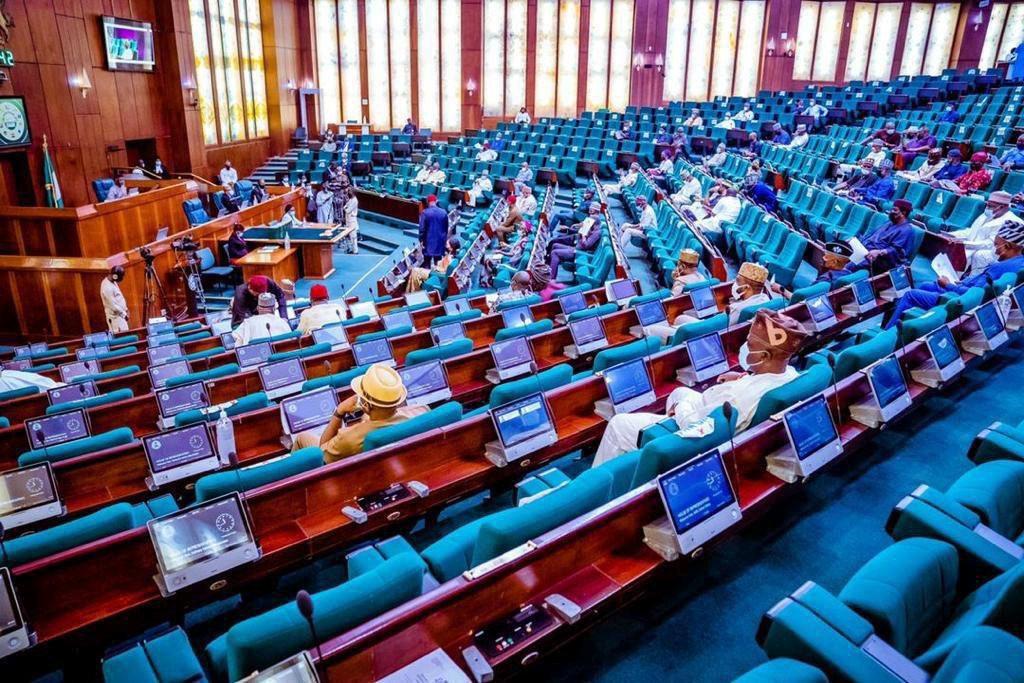
    The House of Representatives Ad-Hoc Committee investigating the rising cases of drug trafficking, alcohol, and substance abuse in Nigeria has announced plans to convene a multi-stakeholder conference in Lagos and Abuja to deliberate and gather public input on strategies to tackle the growing menace.

    He said the initiative was in response to mounting public concern over what he described as a “national emergency” that cuts across public health, youth safety, corporate accountability, and the integrity of Nigeria’s trade and regulatory systems.

    “Our mandate is clear. We are to investigate the conduct of companies operating within the drug, alcohol, and tobacco industries and ensure absolute compliance with Nigerian laws, regulations, and ethical obligations to the Nigerian people,” Adelegbe stated.

    According to him, the committee’s work will focus on key areas of national concern, including the increasing abuse of codeine-laced cough syrups, tramadol, and other controlled substances, as well as the unchecked production and sale of cheap spirit cocktails and illicit alcoholic beverages.

    The committee will also investigate the targeted marketing of alcohol and nicotine products to underage Nigerians, the circulation of fake and substandard drugs, corporate complicity, weak regulatory enforcement, and unethical market practices that endanger public health.

    Adelegbe emphasised that the committee’s work will prioritise human life and national interest above corporate profit, stressing that “The era of corporate recklessness, weak compliance, and regulatory compromise is over.”

    He listed the key laws and regulations guiding the investigation to include, “NAFDAC Act Cap N1 LFN 2004 – Product registration, safety, and standards; National Tobacco Control Act 2015 – Tobacco regulation and advertising; ARCON Act 2022 – Advertising standards and consumer protection; and FCCPC Act 2018 – Fair competition and consumer rights.”
    Reps To Organise Summit On Drug Abuse, Alcohol Misuse. Reps To Organise Summit On Drug Abuse, Alcohol Misuse The House of Representatives Ad-Hoc Committee investigating the rising cases of drug trafficking, alcohol, and substance abuse in Nigeria has announced plans to convene a multi-stakeholder conference in Lagos and Abuja to deliberate and gather public input on strategies to tackle the growing menace. He said the initiative was in response to mounting public concern over what he described as a “national emergency” that cuts across public health, youth safety, corporate accountability, and the integrity of Nigeria’s trade and regulatory systems. “Our mandate is clear. We are to investigate the conduct of companies operating within the drug, alcohol, and tobacco industries and ensure absolute compliance with Nigerian laws, regulations, and ethical obligations to the Nigerian people,” Adelegbe stated. According to him, the committee’s work will focus on key areas of national concern, including the increasing abuse of codeine-laced cough syrups, tramadol, and other controlled substances, as well as the unchecked production and sale of cheap spirit cocktails and illicit alcoholic beverages. The committee will also investigate the targeted marketing of alcohol and nicotine products to underage Nigerians, the circulation of fake and substandard drugs, corporate complicity, weak regulatory enforcement, and unethical market practices that endanger public health. Adelegbe emphasised that the committee’s work will prioritise human life and national interest above corporate profit, stressing that “The era of corporate recklessness, weak compliance, and regulatory compromise is over.” He listed the key laws and regulations guiding the investigation to include, “NAFDAC Act Cap N1 LFN 2004 – Product registration, safety, and standards; National Tobacco Control Act 2015 – Tobacco regulation and advertising; ARCON Act 2022 – Advertising standards and consumer protection; and FCCPC Act 2018 – Fair competition and consumer rights.”
    0 Comments ·0 Shares ·446 Views
  • NAFDAC to Enforce Ban on Small-Packaged Alcohol from January 2026.

    The National Agency for Food and Drug Administration and Control (NAFDAC) has announced a firm December 2025 deadline for the prohibition of alcoholic beverages sold in sachets and bottles under 200 millilitres, with full enforcement set to begin in January 2026.

    Prof. Mojisola Adeyeye, the agency’s Director-General, emphasized that there will be no further extensions of the ban, urging manufacturers, distributors, and retailers to comply fully.

    Supported by the Senate and the Federal Ministry of Health and Social Welfare, the ban aims to protect children, adolescents, and young adults from the harmful effects of alcohol abuse.

    Adeyeye highlighted that small, cheap, and easily concealable alcoholic drinks contribute to addiction and have fueled social vices, including road accidents, domestic violence, school dropouts, and other forms of insecurity. “This ban is protective, not punitive. The health of our nation, especially our children, is more important than short-term economic gain,” she stated.

    Prof. Adeyeye underscored that the ban aligns with Nigeria’s commitment to the World Health Organization’s Global Strategy to Reduce the Harmful Use of Alcohol. She also urged Nigerians to view the measure as a collective responsibility, emphasizing that alcohol misuse among children poses a long-term threat to the nation’s security and workforce.

    “The decision is grounded in science, public health, and national interest. Protecting our children and ensuring the stability of our future workforce is not just NAFDAC’s duty it is a responsibility for all Nigerians,” she concluded.
    NAFDAC to Enforce Ban on Small-Packaged Alcohol from January 2026. The National Agency for Food and Drug Administration and Control (NAFDAC) has announced a firm December 2025 deadline for the prohibition of alcoholic beverages sold in sachets and bottles under 200 millilitres, with full enforcement set to begin in January 2026. Prof. Mojisola Adeyeye, the agency’s Director-General, emphasized that there will be no further extensions of the ban, urging manufacturers, distributors, and retailers to comply fully. Supported by the Senate and the Federal Ministry of Health and Social Welfare, the ban aims to protect children, adolescents, and young adults from the harmful effects of alcohol abuse. Adeyeye highlighted that small, cheap, and easily concealable alcoholic drinks contribute to addiction and have fueled social vices, including road accidents, domestic violence, school dropouts, and other forms of insecurity. “This ban is protective, not punitive. The health of our nation, especially our children, is more important than short-term economic gain,” she stated. Prof. Adeyeye underscored that the ban aligns with Nigeria’s commitment to the World Health Organization’s Global Strategy to Reduce the Harmful Use of Alcohol. She also urged Nigerians to view the measure as a collective responsibility, emphasizing that alcohol misuse among children poses a long-term threat to the nation’s security and workforce. “The decision is grounded in science, public health, and national interest. Protecting our children and ensuring the stability of our future workforce is not just NAFDAC’s duty it is a responsibility for all Nigerians,” she concluded.
    0 Comments ·0 Shares ·490 Views
  • Senate Directs NAFDAC to Enforce Sachet Alcohol Ban Starting December 2025, Rejects Further Extensions.

    The Nigerian Senate has mandated the National Agency for Food and Drug Administration and Control (NAFDAC) and other regulatory agencies to begin strict enforcement of the ban on high-strength alcoholic beverages packaged in sachets from December 2025, with lawmakers explicitly ruling out any additional extensions beyond the existing moratorium.

    The directive came after the upper chamber adopted a motion sponsored by Senator Asuquo Ekpeyong, who highlighted the urgent need to end the phase-out of sachet-packaged alcohol without further delays.

    During plenary, Ekpeyong recounted how NAFDAC, aligning with global standards and following broad consultations with stakeholders, first announced a gradual ban on the importation, production, and sale of these products.

    In 2018, key players—including the Federal Ministry of Health, the Federal Competition and Consumer Protection Commission (FCCPC), NAFDAC, the Association of Food, Beverage & Tobacco Employers (AFBTE), and the Distillers and Blenders Association of Nigeria (DIBAN)—signed a five-year Memorandum of Understanding (MoU) to voluntarily eliminate the packaging format.

    The agreement was driven by growing concerns over the sachets’ low cost, easy portability, and appeal to vulnerable populations such as children, teenagers, commercial drivers, and low-income groups.

    Despite the original timeline, the Federal Government in 2024 granted manufacturers a one-year grace period to clear inventories and shift to alternative packaging, pushing the final deadline to December 2025.

    Ekpeyong, however, warned that some producers are now pressing for yet another postponement—a tactic he argued erodes regulatory credibility, endangers public health, and skews market competition.

    He pointed to mounting evidence linking sachet alcohol to youth addiction, traffic accidents, school attrition, domestic abuse, and broader societal problems.
    Senate Directs NAFDAC to Enforce Sachet Alcohol Ban Starting December 2025, Rejects Further Extensions. The Nigerian Senate has mandated the National Agency for Food and Drug Administration and Control (NAFDAC) and other regulatory agencies to begin strict enforcement of the ban on high-strength alcoholic beverages packaged in sachets from December 2025, with lawmakers explicitly ruling out any additional extensions beyond the existing moratorium. The directive came after the upper chamber adopted a motion sponsored by Senator Asuquo Ekpeyong, who highlighted the urgent need to end the phase-out of sachet-packaged alcohol without further delays. During plenary, Ekpeyong recounted how NAFDAC, aligning with global standards and following broad consultations with stakeholders, first announced a gradual ban on the importation, production, and sale of these products. In 2018, key players—including the Federal Ministry of Health, the Federal Competition and Consumer Protection Commission (FCCPC), NAFDAC, the Association of Food, Beverage & Tobacco Employers (AFBTE), and the Distillers and Blenders Association of Nigeria (DIBAN)—signed a five-year Memorandum of Understanding (MoU) to voluntarily eliminate the packaging format. The agreement was driven by growing concerns over the sachets’ low cost, easy portability, and appeal to vulnerable populations such as children, teenagers, commercial drivers, and low-income groups. Despite the original timeline, the Federal Government in 2024 granted manufacturers a one-year grace period to clear inventories and shift to alternative packaging, pushing the final deadline to December 2025. Ekpeyong, however, warned that some producers are now pressing for yet another postponement—a tactic he argued erodes regulatory credibility, endangers public health, and skews market competition. He pointed to mounting evidence linking sachet alcohol to youth addiction, traffic accidents, school attrition, domestic abuse, and broader societal problems.
    0 Comments ·0 Shares ·509 Views
  • Senate moves to phase out petrol cars, advances electric vehicle bill.

    The Nigerian Senate has moved closer to adopting clean energy transportation after a bill seeking to phase out petrol-powered cars and promote electric vehicles (EVs) scaled second reading on Tuesday.

    The proposed legislation, sponsored by Senator Orji Uzor Kalu, aims to provide the legal and policy framework for Nigeria’s transition from fossil fuel dependence to electric mobility. Kalu explained that the bill would help reduce carbon emissions, encourage local vehicle production, and align the country with global efforts toward sustainable transport.

    According to him, the transport sector contributes between 20 and 30 percent of Nigeria’s greenhouse gas emissions. “This bill seeks to establish a comprehensive legal and institutional framework to guide Nigeria’s gradual move from petrol-powered vehicles to cleaner, energy-efficient, and environmentally friendly alternatives,” he said.

    The bill also proposes creating a National Electric Vehicle Development and Promotion Council to coordinate policy implementation at all levels of government.

    In support of the proposal, Senator Adamu Aliero (Kebbi Central) described it as timely, noting that countries like Kenya and South Africa are already progressing in electric mobility. He said adopting EVs would reduce emissions in cities such as Lagos and Kano, improve public health, and create new jobs.

    Senator Osita Ngwu (Enugu West) added that Nigeria’s population gives it a critical role in global climate action, while Senator Titus Zam (Benue North-West) highlighted the environmental and health gains of the transition.

    Senate President Godswill Akpabio commended the initiative, calling it a “very good innovation,” and expressed confidence in its potential impact. The bill has been forwarded to the Senate Committee on Industries for further consideration, with a report expected in four weeks.
    Senate moves to phase out petrol cars, advances electric vehicle bill. The Nigerian Senate has moved closer to adopting clean energy transportation after a bill seeking to phase out petrol-powered cars and promote electric vehicles (EVs) scaled second reading on Tuesday. The proposed legislation, sponsored by Senator Orji Uzor Kalu, aims to provide the legal and policy framework for Nigeria’s transition from fossil fuel dependence to electric mobility. Kalu explained that the bill would help reduce carbon emissions, encourage local vehicle production, and align the country with global efforts toward sustainable transport. According to him, the transport sector contributes between 20 and 30 percent of Nigeria’s greenhouse gas emissions. “This bill seeks to establish a comprehensive legal and institutional framework to guide Nigeria’s gradual move from petrol-powered vehicles to cleaner, energy-efficient, and environmentally friendly alternatives,” he said. The bill also proposes creating a National Electric Vehicle Development and Promotion Council to coordinate policy implementation at all levels of government. In support of the proposal, Senator Adamu Aliero (Kebbi Central) described it as timely, noting that countries like Kenya and South Africa are already progressing in electric mobility. He said adopting EVs would reduce emissions in cities such as Lagos and Kano, improve public health, and create new jobs. Senator Osita Ngwu (Enugu West) added that Nigeria’s population gives it a critical role in global climate action, while Senator Titus Zam (Benue North-West) highlighted the environmental and health gains of the transition. Senate President Godswill Akpabio commended the initiative, calling it a “very good innovation,” and expressed confidence in its potential impact. The bill has been forwarded to the Senate Committee on Industries for further consideration, with a report expected in four weeks.
    0 Comments ·0 Shares ·710 Views
  • FG, EU, ECOWAS Sign Health Agreements to Boost Local Manufacturing, Reproductive Health in West Africa.

    The Federal Government of Nigeria, in collaboration with the European Union (EU) and the Economic Community of West African States (ECOWAS), has signed three major agreements aimed at advancing local pharmaceutical production, attracting investments in the health sector, and improving reproductive health outcomes across West Africa.

    The agreements, Enabling Local Manufacturing of Health, Immunisation and Nutrition Commodities in Nigeria (ELM-N), Quality Uplift for Advancing Local Industry in Medicine Standards (Qualimeds Nigeria), and Strengthening Reproductive Health and Rights (SRHR) in West Africa, were formaliSed on Thursday during the Nigeria-EU Health Investment Forum in Abuja.

    The initiatives are part of the EU’s Global Gateway Manufacturing and Access to Vaccines, Medicines, and Health Technologies (MAV+) Programme, a global effort designed to enhance regional health resilience and reduce dependency on imported medical products.

    Speaking at the signing ceremony, Vice-President Kashim Shettima said the agreements reaffirm the government’s commitment to building a “sustainable, inclusive, and innovation-driven health economy.”

    Represented by Uju Rochas, his Senior Special Assistant on Public Health, Shettima said the initiative aligns with President Bola Tinubu’s Executive Order promoting local production of pharmaceuticals and medical devices.

    “Through the Presidential Initiative for Unlocking the Healthcare Value Chain (PVAC) and complementary frameworks such as the sector-wide approach (SWAp), this administration has taken concrete steps to strengthen health governance, stimulate investment, and promote local manufacturing,” he said.

    “Our message is clear: Nigeria is open for health investment, innovation, and impact. The President has declared that Nigeria’s health transformation will not be driven by aid and dependency alone, but by ownership, accountability, and innovation made in Nigeria, for Nigerians, and by Nigerians.”

    Shettima also commended the EU, PVAC, and the National Institute for Pharmaceutical Research and Development (NIPRD) for their collaboration, describing the partnership as “a new chapter defined by shared prosperity, local innovation, and global collaboration.”
    FG, EU, ECOWAS Sign Health Agreements to Boost Local Manufacturing, Reproductive Health in West Africa. The Federal Government of Nigeria, in collaboration with the European Union (EU) and the Economic Community of West African States (ECOWAS), has signed three major agreements aimed at advancing local pharmaceutical production, attracting investments in the health sector, and improving reproductive health outcomes across West Africa. The agreements, Enabling Local Manufacturing of Health, Immunisation and Nutrition Commodities in Nigeria (ELM-N), Quality Uplift for Advancing Local Industry in Medicine Standards (Qualimeds Nigeria), and Strengthening Reproductive Health and Rights (SRHR) in West Africa, were formaliSed on Thursday during the Nigeria-EU Health Investment Forum in Abuja. The initiatives are part of the EU’s Global Gateway Manufacturing and Access to Vaccines, Medicines, and Health Technologies (MAV+) Programme, a global effort designed to enhance regional health resilience and reduce dependency on imported medical products. Speaking at the signing ceremony, Vice-President Kashim Shettima said the agreements reaffirm the government’s commitment to building a “sustainable, inclusive, and innovation-driven health economy.” Represented by Uju Rochas, his Senior Special Assistant on Public Health, Shettima said the initiative aligns with President Bola Tinubu’s Executive Order promoting local production of pharmaceuticals and medical devices. “Through the Presidential Initiative for Unlocking the Healthcare Value Chain (PVAC) and complementary frameworks such as the sector-wide approach (SWAp), this administration has taken concrete steps to strengthen health governance, stimulate investment, and promote local manufacturing,” he said. “Our message is clear: Nigeria is open for health investment, innovation, and impact. The President has declared that Nigeria’s health transformation will not be driven by aid and dependency alone, but by ownership, accountability, and innovation made in Nigeria, for Nigerians, and by Nigerians.” Shettima also commended the EU, PVAC, and the National Institute for Pharmaceutical Research and Development (NIPRD) for their collaboration, describing the partnership as “a new chapter defined by shared prosperity, local innovation, and global collaboration.”
    0 Comments ·0 Shares ·703 Views
  • NANS Calls for Mandatory Drug Testing in Nigerian Tertiary Institutions.

    The National Association of Nigerian Students (NANS) has called on the Federal Government to introduce compulsory drug testing for all students in tertiary institutions as part of efforts to tackle rising substance abuse among youths.

    In a statement signed by Comrade Olushola Oladoja, NANS President, the association proposed a drug-Free Campus Initiative (DFCI) to promote discipline, improve academic performance, and protect Nigeria’s future workforce.

    Oladoja described drug abuse among students as a “public health crisis” threatening learning, moral integrity, and national productivity.

    “Drug abuse among students is no longer an isolated concern; it has evolved into a public health crisis affecting learning, safety, and national productivity,” NANS stated.

    The association identified marijuana, tramadol, codeine, and methamphetamine (mkpurummiri) as the most abused substances, linking them to cultism, assault, and campus unrest.

    “Most cases of cultism, aault, and campus unrest are traceable to substance influence. Drug abuse fuels aggression and moral decay among students,”
    the group added.

    NANS recommended mandatory drug testing at both admission and graduation points, supervised by the NDLEA and school health units, to ensure students “enter and leave the system clean.” It also proposed establishing drug-Free Clubs on all campuses and integrating drug education into orientation and General Studies courses.

    Students identified with substance use, the group said, should receive rehabilitation and counselling rather than stigma.

    Oladoja warned that unchecked drug abuse endangers Nigeria’s development and leadership future.
    “The dream of a prosperous Nigeria begins with a generation of mentally sound, morally upright, and drug-free students,”

    he stated, urging collective action among the Ministry of Education, NDLEA, and student unions to secure the nation’s campuses.
    NANS Calls for Mandatory Drug Testing in Nigerian Tertiary Institutions. The National Association of Nigerian Students (NANS) has called on the Federal Government to introduce compulsory drug testing for all students in tertiary institutions as part of efforts to tackle rising substance abuse among youths. In a statement signed by Comrade Olushola Oladoja, NANS President, the association proposed a drug-Free Campus Initiative (DFCI) to promote discipline, improve academic performance, and protect Nigeria’s future workforce. Oladoja described drug abuse among students as a “public health crisis” threatening learning, moral integrity, and national productivity. “Drug abuse among students is no longer an isolated concern; it has evolved into a public health crisis affecting learning, safety, and national productivity,” NANS stated. The association identified marijuana, tramadol, codeine, and methamphetamine (mkpurummiri) as the most abused substances, linking them to cultism, assault, and campus unrest. “Most cases of cultism, aault, and campus unrest are traceable to substance influence. Drug abuse fuels aggression and moral decay among students,” the group added. NANS recommended mandatory drug testing at both admission and graduation points, supervised by the NDLEA and school health units, to ensure students “enter and leave the system clean.” It also proposed establishing drug-Free Clubs on all campuses and integrating drug education into orientation and General Studies courses. Students identified with substance use, the group said, should receive rehabilitation and counselling rather than stigma. Oladoja warned that unchecked drug abuse endangers Nigeria’s development and leadership future. “The dream of a prosperous Nigeria begins with a generation of mentally sound, morally upright, and drug-free students,” he stated, urging collective action among the Ministry of Education, NDLEA, and student unions to secure the nation’s campuses.
    0 Comments ·0 Shares ·697 Views
  • Poisoned Cough Syrups: World Health Body, NAFDAC Issue Public Alert.

    The news of poisoned cough syrups in circulation, with all its clear health dangers is causing stirs in medical and family circles.

    It has also made relevant regulatory bodies to forewarn parents and healthcare industry professionals to be on the alert.

    Rumours over the Poisoned Cough Syrups in circulation has made the World Health Organisation (WHO) to issue what it calls a Medical Product Alert.

    WHO says the concerns centre on three substandard (contaminated) oral liquid medicines containing active ingredients commonly used to relieve symptoms of the common cold, flu, or cough.

    Although identified in India and reported to WHO on 8 October 2025, there are fears that without proper recall, and poisoned cough syrups may find their way to other countries, which receive medicine and drugs supplies from India.

    The Eagle reports that last May, the National Agency for Food and Drug Administration and Control (NAFDAC) said it was in receipt of information regarding substandard drugs from the India authorities, following result of analyzed drug samples picked from sales/distribution point.

    NAFDAC not only listed the affected drugs, but affirmed that some of the affected pharmaceutical companies were reported to have subsidiaries, partners and products in Nigeria.

    “Administering substandard medicines poses significant risks to patient health and public health.

    “These risks include poisoning, treatment failure, drug resistance, and even death. Substandard medicines may contain toxic substances, incorrect ingredients, or incorrect dosages, leading to severe adverse effects”, NAFDAC warned.
    Poisoned Cough Syrups: World Health Body, NAFDAC Issue Public Alert. The news of poisoned cough syrups in circulation, with all its clear health dangers is causing stirs in medical and family circles. It has also made relevant regulatory bodies to forewarn parents and healthcare industry professionals to be on the alert. Rumours over the Poisoned Cough Syrups in circulation has made the World Health Organisation (WHO) to issue what it calls a Medical Product Alert. WHO says the concerns centre on three substandard (contaminated) oral liquid medicines containing active ingredients commonly used to relieve symptoms of the common cold, flu, or cough. Although identified in India and reported to WHO on 8 October 2025, there are fears that without proper recall, and poisoned cough syrups may find their way to other countries, which receive medicine and drugs supplies from India. The Eagle reports that last May, the National Agency for Food and Drug Administration and Control (NAFDAC) said it was in receipt of information regarding substandard drugs from the India authorities, following result of analyzed drug samples picked from sales/distribution point. NAFDAC not only listed the affected drugs, but affirmed that some of the affected pharmaceutical companies were reported to have subsidiaries, partners and products in Nigeria. “Administering substandard medicines poses significant risks to patient health and public health. “These risks include poisoning, treatment failure, drug resistance, and even death. Substandard medicines may contain toxic substances, incorrect ingredients, or incorrect dosages, leading to severe adverse effects”, NAFDAC warned.
    0 Comments ·0 Shares ·787 Views
More Results
Fintter https://fintter.com