• BREAKING: Terrorists Stage Public Eid Prayer in Borno After Maiduguri Bombings

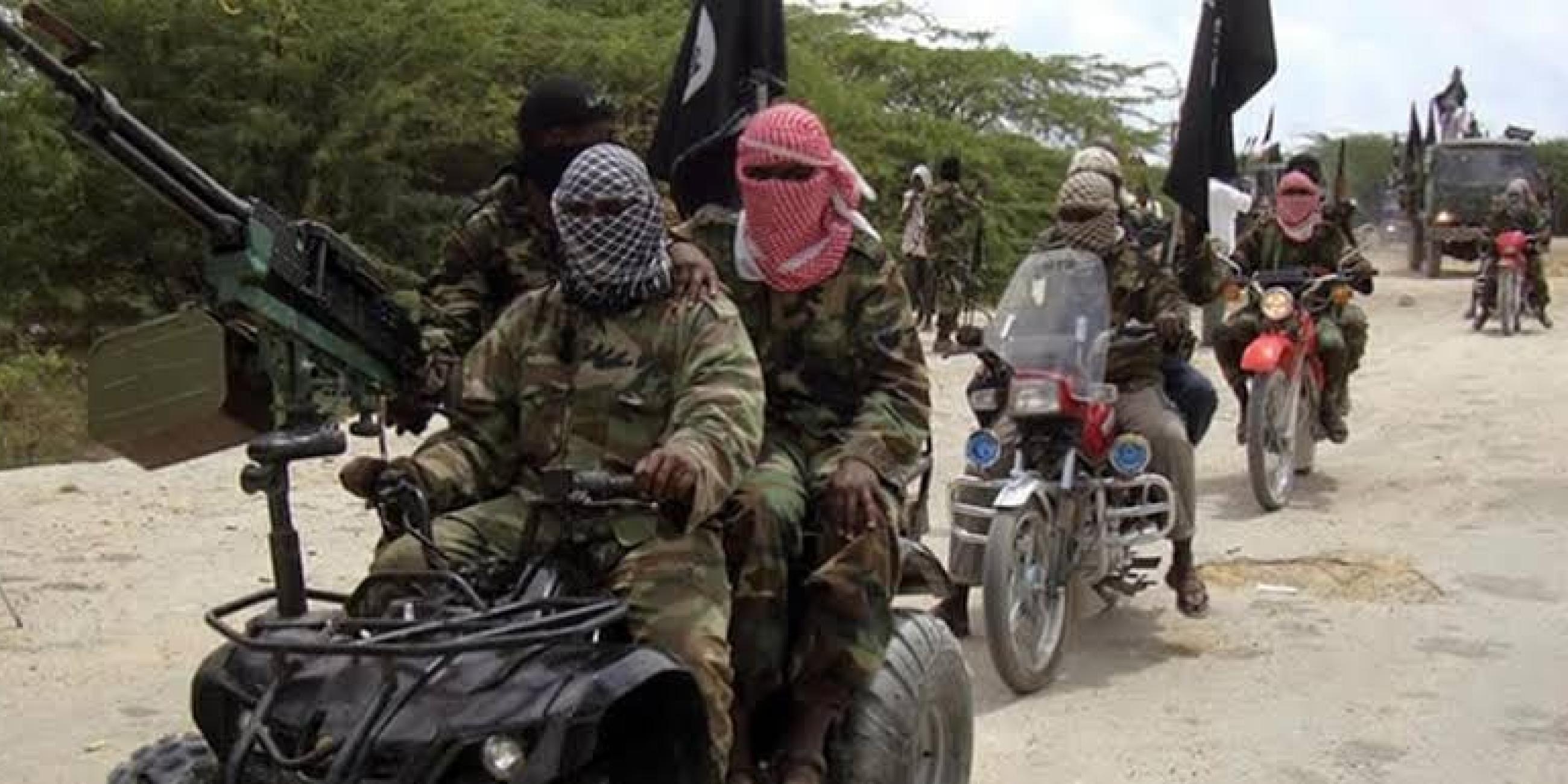
    Hundreds of fighters linked to Boko Haram and ISWAP have been spotted gathering openly in the Lake Chad region of Borno State to observe Eid prayers, armed with assault rifles and other sophisticated weapons.

    The bold display, captured in widely circulated footage, comes shortly after the Maiduguri bombings—raising fresh concerns over worsening insecurity in Nigeria’s North-East.

    The incident highlights the growing confidence of insurgent groups, as they operate in large numbers without fear, signaling ongoing challenges for security forces in the region.

    #BokoHaram #ISWAP #Borno #NigeriaSecurity
    BREAKING: Terrorists Stage Public Eid Prayer in Borno After Maiduguri Bombings Hundreds of fighters linked to Boko Haram and ISWAP have been spotted gathering openly in the Lake Chad region of Borno State to observe Eid prayers, armed with assault rifles and other sophisticated weapons. The bold display, captured in widely circulated footage, comes shortly after the Maiduguri bombings—raising fresh concerns over worsening insecurity in Nigeria’s North-East. The incident highlights the growing confidence of insurgent groups, as they operate in large numbers without fear, signaling ongoing challenges for security forces in the region. #BokoHaram #ISWAP #Borno #NigeriaSecurity
    like
    1
    · 0 Comments ·0 Shares ·3K Views
  • Troops Eliminate Top Boko Haram/ISWAP Commander Abu Khalid In Sambisa Forest

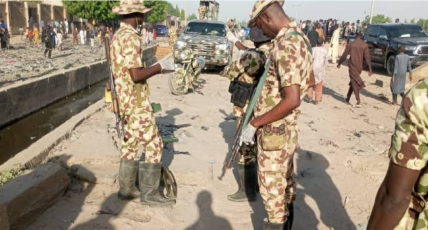
    Nigerian troops under the Joint Task Force (North East), Operation Hadin Kai, have killed a senior Boko Haram/ISWAP commander, Abu Khalid, during a night offensive in Sambisa Forest, Borno State.

    Military authorities confirmed that Khalid served as the group’s second-in-command within the Sambisa axis. He was neutralised alongside 10 other fighters during the coordinated operation.

    The Theatre Command’s Media Information Officer, Lieutenant-Colonel Sani Uba, disclosed the development in a statement on Sunday, noting that the success came less than 24 hours after troops eliminated another notorious commander, Julaibib, operating around the Gujba area of the Timbuktu Triangle.

    According to Uba, soldiers from Sector 1, working closely with members of the Civilian Joint Task Force (CJTF) under Operation Desert Sanity, engaged the terrorists at the Komala general area in Konduga Local Government Area at about 11 p.m., leading to the deaths of the insurgents.

    The military said the continued offensives are part of ongoing efforts to dismantle terrorist strongholds and restore security across the North-East.

    #Nigeria #Borno #SambisaForest #CounterTerrorism
    Troops Eliminate Top Boko Haram/ISWAP Commander Abu Khalid In Sambisa Forest Nigerian troops under the Joint Task Force (North East), Operation Hadin Kai, have killed a senior Boko Haram/ISWAP commander, Abu Khalid, during a night offensive in Sambisa Forest, Borno State. Military authorities confirmed that Khalid served as the group’s second-in-command within the Sambisa axis. He was neutralised alongside 10 other fighters during the coordinated operation. The Theatre Command’s Media Information Officer, Lieutenant-Colonel Sani Uba, disclosed the development in a statement on Sunday, noting that the success came less than 24 hours after troops eliminated another notorious commander, Julaibib, operating around the Gujba area of the Timbuktu Triangle. According to Uba, soldiers from Sector 1, working closely with members of the Civilian Joint Task Force (CJTF) under Operation Desert Sanity, engaged the terrorists at the Komala general area in Konduga Local Government Area at about 11 p.m., leading to the deaths of the insurgents. The military said the continued offensives are part of ongoing efforts to dismantle terrorist strongholds and restore security across the North-East. #Nigeria #Borno #SambisaForest #CounterTerrorism
    0 Comments ·0 Shares ·5K Views
  • BREAKING: Boko Haram Strikes Adamawa Governor Fintiri’s Hometown, Kills 2 Forest Guards, Abducts Another

    Suspected Boko Haram terrorists launched a deadly midnight raid on Kirchinga, Madagali LGA, Adamawa State, the hometown of Governor Ahmadu Umaru Fintiri. Two newly established Forest Guards, Njidda Maradi and Yuguda Abasaryu, were killed, and a third was abducted. Witnesses reported that the attackers had camped near a local burial ground before the assault. Security forces were alerted, but the assailants escaped, highlighting ongoing gaps in protection across conflict-hit Northeast Nigeria.
    #BokoHaramAttack #AdamawaSecurity #ForestGuards
    BREAKING: Boko Haram Strikes Adamawa Governor Fintiri’s Hometown, Kills 2 Forest Guards, Abducts Another Suspected Boko Haram terrorists launched a deadly midnight raid on Kirchinga, Madagali LGA, Adamawa State, the hometown of Governor Ahmadu Umaru Fintiri. Two newly established Forest Guards, Njidda Maradi and Yuguda Abasaryu, were killed, and a third was abducted. Witnesses reported that the attackers had camped near a local burial ground before the assault. Security forces were alerted, but the assailants escaped, highlighting ongoing gaps in protection across conflict-hit Northeast Nigeria. #BokoHaramAttack #AdamawaSecurity #ForestGuards
    love
    2
    · 0 Comments ·0 Shares ·3K Views
  • BREAKING: Terrorists Attack Adamawa Governor Fintiri’s Hometown, Kill Two Forest Guards, Abduct One

    In a deadly overnight assault, suspected Boko Haram terrorists attacked Kirchinga, the hometown of Adamawa State Governor Ahmadu Umaru Fintiri, in Madagali Local Government Area.

    Local sources confirmed that two operatives of the newly established Forest Guards, Njidda Maradi and Yuguda Abasaryu, were shot dead during the attack. Another guard was abducted and taken to an unknown location.

    Eyewitnesses reported that the assailants stormed the village between 1:00 am and 2:00 am, opening fire on the guards before fleeing.

    Authorities have yet to comment on the incident, while security forces are reportedly on high alert in the area.

    #AdamawaAttack #BokoHaram #ForestGuards #SecurityAlert
    BREAKING: Terrorists Attack Adamawa Governor Fintiri’s Hometown, Kill Two Forest Guards, Abduct One In a deadly overnight assault, suspected Boko Haram terrorists attacked Kirchinga, the hometown of Adamawa State Governor Ahmadu Umaru Fintiri, in Madagali Local Government Area. Local sources confirmed that two operatives of the newly established Forest Guards, Njidda Maradi and Yuguda Abasaryu, were shot dead during the attack. Another guard was abducted and taken to an unknown location. Eyewitnesses reported that the assailants stormed the village between 1:00 am and 2:00 am, opening fire on the guards before fleeing. Authorities have yet to comment on the incident, while security forces are reportedly on high alert in the area. #AdamawaAttack #BokoHaram #ForestGuards #SecurityAlert
    0 Comments ·0 Shares ·2K Views
  • EXCLUSIVE: Nigerian Army trainers at NATRAC Kontagora, Niger State, have alleged starvation, poor living conditions, and withheld allowances.

    The trainers say they are treated “like slaves,” forced to sleep on bare bunks without mattresses, fed poorly, and denied their ₦5,000 weekly instructors’ allowance despite training recruits for frontline combat against Boko Haram. The Army is yet to respond.

    #Exclusive #NigeriaArmy #NATRAC #MilitaryWelfare #BreakingNews #Nigeria
    🚨 EXCLUSIVE: Nigerian Army trainers at NATRAC Kontagora, Niger State, have alleged starvation, poor living conditions, and withheld allowances. The trainers say they are treated “like slaves,” forced to sleep on bare bunks without mattresses, fed poorly, and denied their ₦5,000 weekly instructors’ allowance despite training recruits for frontline combat against Boko Haram. The Army is yet to respond. #Exclusive #NigeriaArmy #NATRAC #MilitaryWelfare #BreakingNews #Nigeria
    like
    love
    2
    · 0 Comments ·0 Shares ·2K Views
  • Nigerian Army Dismisses Soldier Over Leaked Video of Deadly Boko Haram IED Attack in Borno

    The Nigerian Army has dismissed Private Mansur Adamu for allegedly leaking video footage from a deadly IED attack by Boko Haram near Gubio, Borno State, which killed at least nine soldiers and injured several others. The blast occurred as troops traveled from Maiduguri, with the rear of the convoy struck by explosives planted by insurgents. The military emphasized that unauthorized disclosures of sensitive operational information are prohibited. The incident involved soldiers from 145 Damasak under 5 Brigade Maiduguri, highlighting ongoing security challenges in the region.

    #BornoIEDAttack #NigerianArmy #BreakingNews
    Nigerian Army Dismisses Soldier Over Leaked Video of Deadly Boko Haram IED Attack in Borno The Nigerian Army has dismissed Private Mansur Adamu for allegedly leaking video footage from a deadly IED attack by Boko Haram near Gubio, Borno State, which killed at least nine soldiers and injured several others. The blast occurred as troops traveled from Maiduguri, with the rear of the convoy struck by explosives planted by insurgents. The military emphasized that unauthorized disclosures of sensitive operational information are prohibited. The incident involved soldiers from 145 Damasak under 5 Brigade Maiduguri, highlighting ongoing security challenges in the region. #BornoIEDAttack #NigerianArmy #BreakingNews
    love
    1
    · 0 Comments ·0 Shares ·2K Views
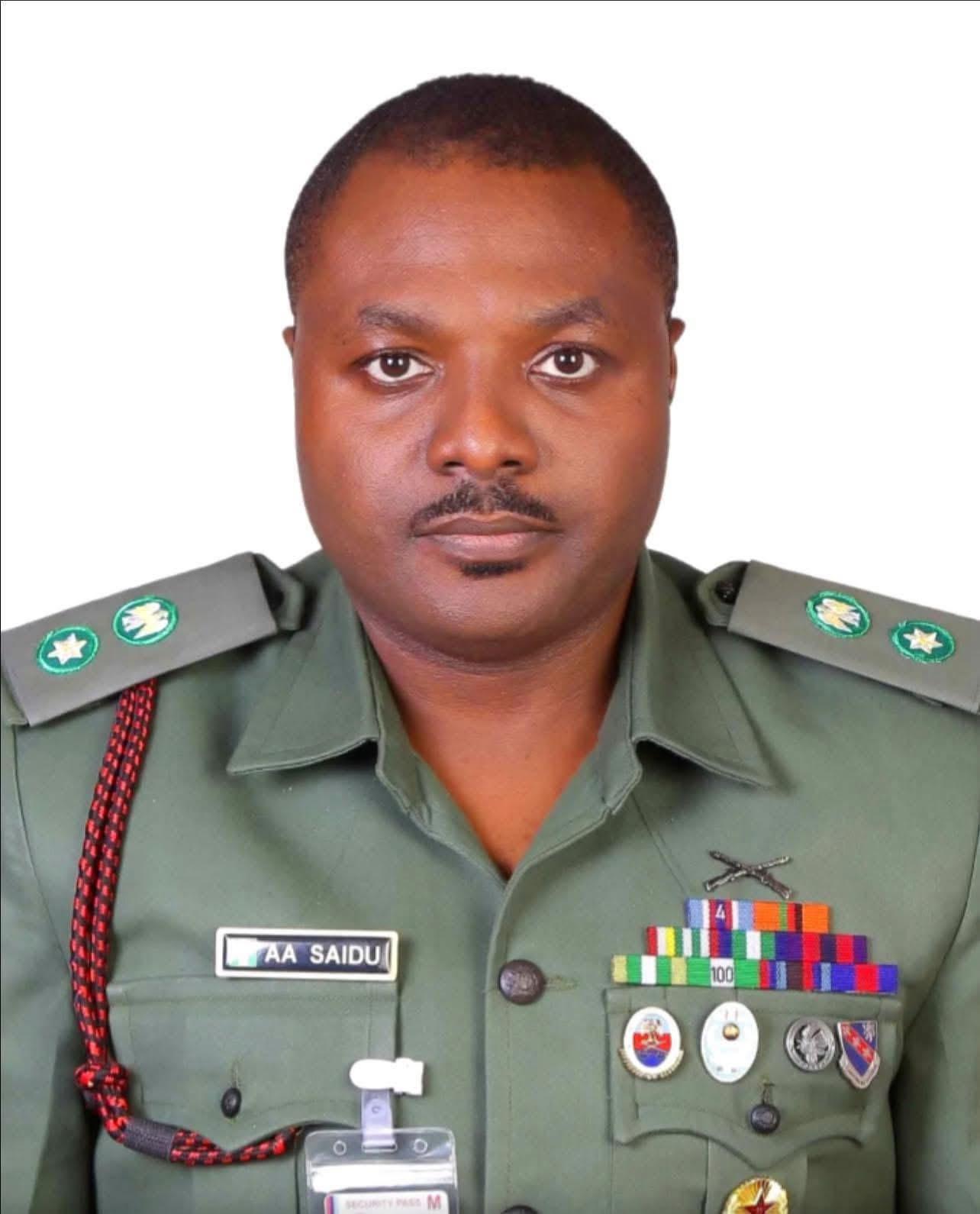
  • Lt Colonel Abdulazeez Saidu: Courage That Survived the Battlefield

    Lt Colonel Abdulazeez Abdullahi Saidu is a Nigerian Army officer wounded in action in Maiduguri in 2019 while fighting Boko Haram under Operation Lafiya Dole. His injury marked a life-changing moment, bringing pain and a long recovery, but also revealing remarkable resilience.

    His story is a reminder that soldiers’ sacrifices do not end on the battlefield. Many return home wounded but unbroken, carrying scars that reflect service and bravery. Lt Colonel Saidu represents Nigerian soldiers who went to war whole and came back changed—proof that heroism lives on in those who survive and continue to stand tall.
    Lt Colonel Abdulazeez Saidu: Courage That Survived the Battlefield Lt Colonel Abdulazeez Abdullahi Saidu is a Nigerian Army officer wounded in action in Maiduguri in 2019 while fighting Boko Haram under Operation Lafiya Dole. His injury marked a life-changing moment, bringing pain and a long recovery, but also revealing remarkable resilience. His story is a reminder that soldiers’ sacrifices do not end on the battlefield. Many return home wounded but unbroken, carrying scars that reflect service and bravery. Lt Colonel Saidu represents Nigerian soldiers who went to war whole and came back changed—proof that heroism lives on in those who survive and continue to stand tall.
    love
    1
    · 0 Comments ·0 Shares ·2K Views
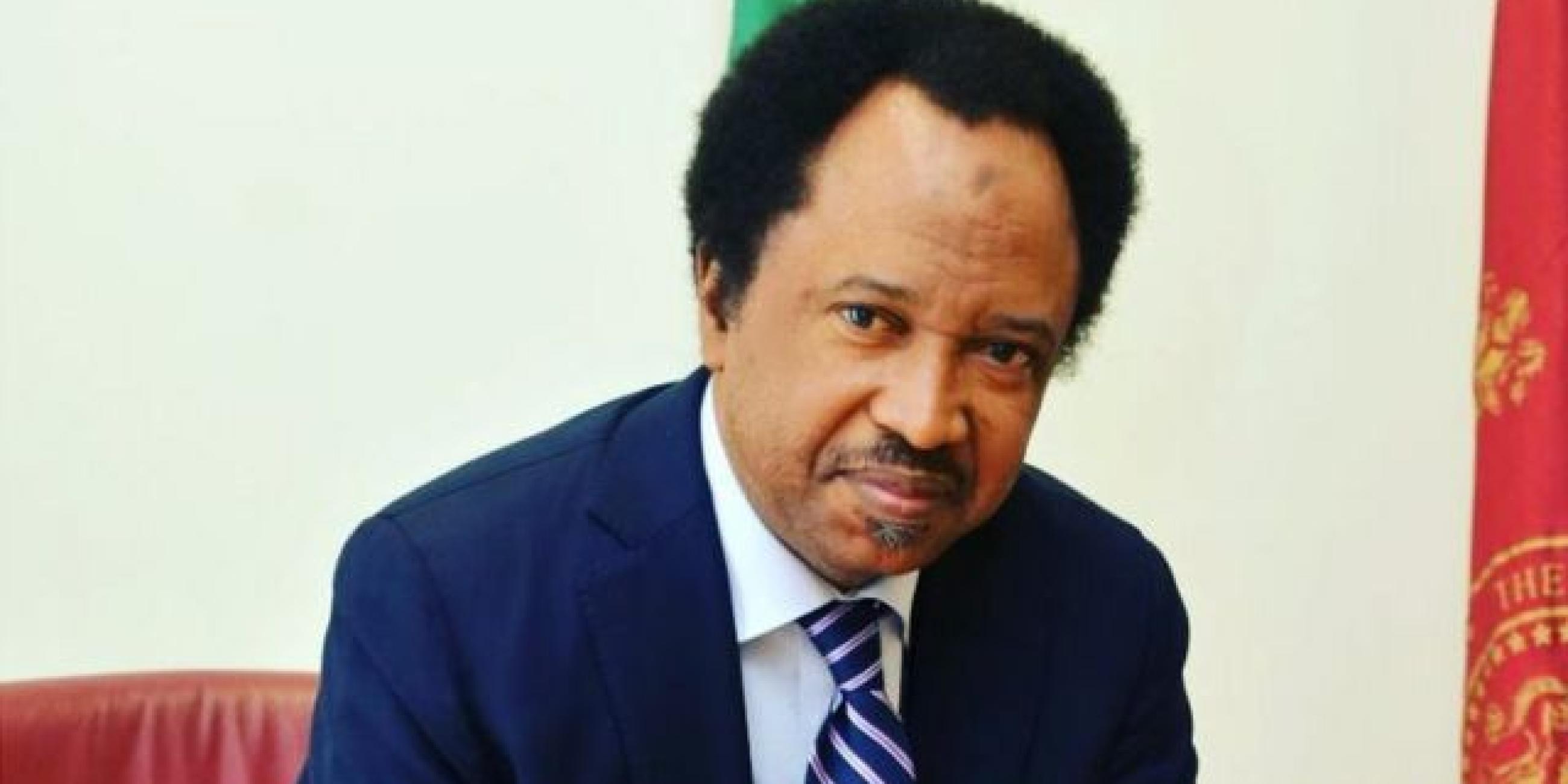
  • Shehu Sani Urges Northern Nigerians to Protect Themselves Amid Rising Banditry and Insecurity

    Former Senator Shehu Sani has urged citizens in Northern Nigeria to take security into their own hands amid persistent banditry and terrorism. Speaking during the launch of his books and stageplay in Abuja, Sani highlighted attacks by ISWAP, Boko Haram, and other armed groups, which have displaced millions, killed, and kidnapped civilians. He stressed community vigilance, accountability, and local intelligence as vital to dismantling criminal networks. His works also address irregular migration, human trafficking, and the need for African leaders to create local opportunities to curb youth exploitation abroad.
    Shehu Sani Urges Northern Nigerians to Protect Themselves Amid Rising Banditry and Insecurity Former Senator Shehu Sani has urged citizens in Northern Nigeria to take security into their own hands amid persistent banditry and terrorism. Speaking during the launch of his books and stageplay in Abuja, Sani highlighted attacks by ISWAP, Boko Haram, and other armed groups, which have displaced millions, killed, and kidnapped civilians. He stressed community vigilance, accountability, and local intelligence as vital to dismantling criminal networks. His works also address irregular migration, human trafficking, and the need for African leaders to create local opportunities to curb youth exploitation abroad.
    0 Comments ·0 Shares ·3K Views


  • Wahala Don dey calm Oo! Troops Smash Terrorist Camps, 11 Fighters Surrender In Borno

    Wahala don truly happen for Boko Haram and ISWAP in Borno State as troops of Operation Hadin Kai (OPHK) intensify their offensive across the Azir–Wajiroko axis. In a statement by the Joint Task Force (North East), the military said 11 terrorist fighters surrendered with their AK-47 rifles and ammunition following sustained operations. On January 9, 2026, troops carried out clearance missions in the Bulaagalda cluster, destroying several terrorist camps in Dagumba, Bonne, Yaganari, Gosuri and Umchile. Life-support structures and logistics networks were dismantled, while flags, weapons and magazines were recovered. Similar operations in Yale and Bula Gaida forced more terrorists to flee, leading to further seizures of arms, ammunition and a general-purpose machine gun. Acting on intelligence, troops also engaged insurgents between Sojiri and Kayamla, neutralising eight terrorists and arresting two suspected collaborators in Gubio LGA for supplying logistics.


    Wahala Don dey calm Oo! Troops Smash Terrorist Camps, 11 Fighters Surrender In Borno Wahala don truly happen for Boko Haram and ISWAP in Borno State as troops of Operation Hadin Kai (OPHK) intensify their offensive across the Azir–Wajiroko axis. In a statement by the Joint Task Force (North East), the military said 11 terrorist fighters surrendered with their AK-47 rifles and ammunition following sustained operations. On January 9, 2026, troops carried out clearance missions in the Bulaagalda cluster, destroying several terrorist camps in Dagumba, Bonne, Yaganari, Gosuri and Umchile. Life-support structures and logistics networks were dismantled, while flags, weapons and magazines were recovered. Similar operations in Yale and Bula Gaida forced more terrorists to flee, leading to further seizures of arms, ammunition and a general-purpose machine gun. Acting on intelligence, troops also engaged insurgents between Sojiri and Kayamla, neutralising eight terrorists and arresting two suspected collaborators in Gubio LGA for supplying logistics.
    love
    1
    · 0 Comments ·0 Shares ·1K Views
  • Ahhhh wahala don set oo! Northern Nigeria don scatter. bandits don turn wahala full ground, from cattle rustling to kidnapping, village burnings, even sex slavery. Samuel Aruwan don break am down say this one no be small small grievance matter again—na full-blown criminal enterprise wey dey make money, control land, weapons, and even terror networks cross borders.

    E don reach point wey dialogue dey soft for some, but bandits dey exploit am for cash. North-West dey record over 400 kidnapping cases, ransom don reach trillions, people dey die by hundreds of thousands.

    E get two sides of the story:
    1️⃣ Low-risk actors wey na just defend themselves, maybe small dialogue fit work.
    2️⃣ High-risk, AK-47 carrying bandit networks wey dey profit from terror—these ones na target-only matter, force plus intelligence, no time for political drama.

    If state no sharp, these criminal networks fit turn full-scale terrorist groups, like Boko Haram round two. Nigeria must classify the threat, cut their cash flow, enforce law, and no dey play emotional card.

    TL;DR: Banditry don change level! Na criminal economy, not ethnic fight. Dialogue dey place, but only for those wey no dey kidnap, kill, or enslave people. For serious bandits, force + intelligence + law dey mandatory.

    Ahhhh wahala don set oo! 😱 Northern Nigeria don scatter. bandits don turn wahala full ground, from cattle rustling to kidnapping, village burnings, even sex slavery. Samuel Aruwan don break am down say this one no be small small grievance matter again—na full-blown criminal enterprise wey dey make money, control land, weapons, and even terror networks cross borders. E don reach point wey dialogue dey soft for some, but bandits dey exploit am for cash. North-West dey record over 400 kidnapping cases, ransom don reach trillions, people dey die by hundreds of thousands. 😬 E get two sides of the story: 1️⃣ Low-risk actors wey na just defend themselves, maybe small dialogue fit work. 2️⃣ High-risk, AK-47 carrying bandit networks wey dey profit from terror—these ones na target-only matter, force plus intelligence, no time for political drama. If state no sharp, these criminal networks fit turn full-scale terrorist groups, like Boko Haram round two. Nigeria must classify the threat, cut their cash flow, enforce law, and no dey play emotional card. TL;DR: Banditry don change level! Na criminal economy, not ethnic fight. Dialogue dey place, but only for those wey no dey kidnap, kill, or enslave people. For serious bandits, force + intelligence + law dey mandatory.
    0 Comments ·0 Shares ·2K Views
  • Wahala Don Burst: Boko Haram Demands $300,000 Ransom for Ex-Borno LG Vice Chairman!

    Naija, wahala don show again for Borno State! A fresh video has emerged showing Hon. Hassan Biu Miringa, former Vice Chairman of Biu Local Government Area, and another unidentified man, kidnapped by Boko Haram/ISWAP terrorists. In the chilling footage, the abductees pleaded for urgent help, saying their captors demand a whopping $300,000 (about N428 million) for their release.

    The victims were reportedly abducted on December 17, 2025, while travelling from Miringa to Maiduguri. One of them said, “Alhamdulillah, we are alive. We are calling on the government and individuals to come to our rescue.”

    The video captures their direct appeal to Borno State Deputy Governor Umar Usman Kadafur and other prominent figures including Hon. Mukhtar Betara Aliyu, Hon. Sule Ali Rimi, Hon. Yakubu Gambo Kimba, and Alhaji Musa Dogo Biu, urging immediate intervention.

    According to reports, Boko Haram and its ISWAP faction continue to terrorize communities in Borno, carrying out abductions, ransom demands, and attacks despite ongoing military operations in the northeast.

    The abductees’ families and the people of Borno are now anxiously hoping for a swift rescue as this latest act of terrorism underscores the persistent insecurity in the region.

    Wahala don burst oo, Nigerians dey pray say these men go return safely to their families.


    Wahala Don Burst: Boko Haram Demands $300,000 Ransom for Ex-Borno LG Vice Chairman! Naija, wahala don show again for Borno State! A fresh video has emerged showing Hon. Hassan Biu Miringa, former Vice Chairman of Biu Local Government Area, and another unidentified man, kidnapped by Boko Haram/ISWAP terrorists. In the chilling footage, the abductees pleaded for urgent help, saying their captors demand a whopping $300,000 (about N428 million) for their release. The victims were reportedly abducted on December 17, 2025, while travelling from Miringa to Maiduguri. One of them said, “Alhamdulillah, we are alive. We are calling on the government and individuals to come to our rescue.” The video captures their direct appeal to Borno State Deputy Governor Umar Usman Kadafur and other prominent figures including Hon. Mukhtar Betara Aliyu, Hon. Sule Ali Rimi, Hon. Yakubu Gambo Kimba, and Alhaji Musa Dogo Biu, urging immediate intervention. According to reports, Boko Haram and its ISWAP faction continue to terrorize communities in Borno, carrying out abductions, ransom demands, and attacks despite ongoing military operations in the northeast. The abductees’ families and the people of Borno are now anxiously hoping for a swift rescue as this latest act of terrorism underscores the persistent insecurity in the region. Wahala don burst oo, Nigerians dey pray say these men go return safely to their families.
    0 Comments ·0 Shares ·2K Views
  • Is the ‘Christian Genocide’ in Nigeria a Political Narrative? Why Trump Admits Muslims Are Also Killed as Sowore Accuses the U.S. of Using Religion to Justify Power, Oil, and Military Influence

    Is the narrative of a “Christian genocide” in Nigeria an honest reflection of the country’s security crisis—or a political tool shaped by foreign interests? United States President Donald Trump has made a partial shift in his long-standing rhetoric on religious violence in Nigeria, acknowledging that Muslims are also being killed, even while maintaining that Christians remain the primary victims.

    Trump made the remarks during an interview with The New York Times following questions about Washington’s Christmas Day military strike in northwest Nigeria. The U.S. military said the operation, carried out at the request of the Nigerian government, targeted Islamic State West Africa Province (ISWAP), a Boko Haram splinter group responsible for years of deadly attacks across northern Nigeria.

    When asked about earlier comments from his own Africa adviser—who had stated that extremist groups in Nigeria kill more Muslims than Christians—Trump responded: “I think that Muslims are being killed also in Nigeria. But it’s mostly Christians.” The statement marked a rare acknowledgment that Nigeria’s victims of terrorism cut across religious lines, even as Trump continued to frame the conflict primarily through a Christian persecution lens.

    The comments immediately drew a sharp response from Omoyele Sowore, former Nigerian presidential candidate and prominent human rights activist. In a series of posts on X (formerly Twitter), Sowore dismissed the “Christian genocide” narrative as a calculated political construct, arguing that it is designed to stir emotion, mobilize conservative audiences abroad, and provide moral cover for foreign military, economic, and geopolitical agendas.

    Sowore accused Trump of using religion as a rhetorical device while pursuing what he described as imperial interests tied to oil, rare earth minerals, and strategic dominance. “The narrative used to justify it is secondary,” Sowore wrote, adding that such framing only needs to “match the gullibility of the intended audience.” According to him, claims of systematic religious genocide in Nigeria are not grounded in objective reality but are deliberately shaped to occupy a powerful emotional space in Western political discourse.

    He further challenged Trump’s moral authority to speak on Christian values, asserting that the former U.S. president does not embody the compassion, humility, or solidarity central to the faith he frequently invokes. Sowore argued that Trump’s selective concern for religious identity masks a broader indifference to human suffering—both abroad and at home—unless it aligns with his political interests.

    The controversy highlights a deeper question: Is Nigeria’s complex security crisis being oversimplified into a religious conflict for international consumption? While jihadist groups like ISWAP and Boko Haram have undeniably targeted Christian communities, they have also killed thousands of Muslims, including traditional leaders, clerics, villagers, and security personnel. Analysts have long warned that framing the violence as exclusively anti-Christian risks distorting reality, inflaming sectarian tensions, and obscuring the political, economic, and territorial dimensions of the conflict.

    Trump’s admission that Muslims are also victims, even if partial, challenges his earlier absolutist framing. Yet his insistence that Christians remain the main targets continues to fuel debate about whether U.S. policy toward Nigeria is being shaped by faith-based narratives rather than nuanced security analysis.

    As Nigeria battles insurgency, banditry, and transnational terrorism, the exchange between Trump and Sowore underscores how global power politics, religious identity, and media narratives intersect in shaping international responses to African conflicts. The key question remains: is the world seeing Nigeria’s crisis as it truly is—or as it is most politically useful to portray?


    Is the ‘Christian Genocide’ in Nigeria a Political Narrative? Why Trump Admits Muslims Are Also Killed as Sowore Accuses the U.S. of Using Religion to Justify Power, Oil, and Military Influence Is the narrative of a “Christian genocide” in Nigeria an honest reflection of the country’s security crisis—or a political tool shaped by foreign interests? United States President Donald Trump has made a partial shift in his long-standing rhetoric on religious violence in Nigeria, acknowledging that Muslims are also being killed, even while maintaining that Christians remain the primary victims. Trump made the remarks during an interview with The New York Times following questions about Washington’s Christmas Day military strike in northwest Nigeria. The U.S. military said the operation, carried out at the request of the Nigerian government, targeted Islamic State West Africa Province (ISWAP), a Boko Haram splinter group responsible for years of deadly attacks across northern Nigeria. When asked about earlier comments from his own Africa adviser—who had stated that extremist groups in Nigeria kill more Muslims than Christians—Trump responded: “I think that Muslims are being killed also in Nigeria. But it’s mostly Christians.” The statement marked a rare acknowledgment that Nigeria’s victims of terrorism cut across religious lines, even as Trump continued to frame the conflict primarily through a Christian persecution lens. The comments immediately drew a sharp response from Omoyele Sowore, former Nigerian presidential candidate and prominent human rights activist. In a series of posts on X (formerly Twitter), Sowore dismissed the “Christian genocide” narrative as a calculated political construct, arguing that it is designed to stir emotion, mobilize conservative audiences abroad, and provide moral cover for foreign military, economic, and geopolitical agendas. Sowore accused Trump of using religion as a rhetorical device while pursuing what he described as imperial interests tied to oil, rare earth minerals, and strategic dominance. “The narrative used to justify it is secondary,” Sowore wrote, adding that such framing only needs to “match the gullibility of the intended audience.” According to him, claims of systematic religious genocide in Nigeria are not grounded in objective reality but are deliberately shaped to occupy a powerful emotional space in Western political discourse. He further challenged Trump’s moral authority to speak on Christian values, asserting that the former U.S. president does not embody the compassion, humility, or solidarity central to the faith he frequently invokes. Sowore argued that Trump’s selective concern for religious identity masks a broader indifference to human suffering—both abroad and at home—unless it aligns with his political interests. The controversy highlights a deeper question: Is Nigeria’s complex security crisis being oversimplified into a religious conflict for international consumption? While jihadist groups like ISWAP and Boko Haram have undeniably targeted Christian communities, they have also killed thousands of Muslims, including traditional leaders, clerics, villagers, and security personnel. Analysts have long warned that framing the violence as exclusively anti-Christian risks distorting reality, inflaming sectarian tensions, and obscuring the political, economic, and territorial dimensions of the conflict. Trump’s admission that Muslims are also victims, even if partial, challenges his earlier absolutist framing. Yet his insistence that Christians remain the main targets continues to fuel debate about whether U.S. policy toward Nigeria is being shaped by faith-based narratives rather than nuanced security analysis. As Nigeria battles insurgency, banditry, and transnational terrorism, the exchange between Trump and Sowore underscores how global power politics, religious identity, and media narratives intersect in shaping international responses to African conflicts. The key question remains: is the world seeing Nigeria’s crisis as it truly is—or as it is most politically useful to portray?
    0 Comments ·0 Shares ·4K Views
  • Nigerian Soldiers Accuse Commander of Withholding Operation Allowances Amid Boko Haram Fight

    Nigerian soldiers deployed in the North-East to fight Boko Haram under Operation Hadin Kai have accused their commander of withholding their operation allowances, SaharaReporters has learned. The affected troops claim that thousands of soldiers, along with personnel from the Mobile Police and NSCDC, have been stranded in the field, facing declining morale as they continue counter-insurgency operations without proper support.

    The soldiers allege that their allowances, meant to sustain them while deployed, are irregularly paid. Each soldier is entitled to N1,500 per day, amounting to N46,500 per month, but payments have reportedly been skipped since Major General Abubakar took over as Theatre Commander.

    Operation Hadin Kai spans multiple sectors in Borno, Yobe, and Adamawa states, where troops face constant threats from insurgents. Soldiers argue that even though the allowance is modest, it is essential for their welfare in the field. Previous complaints to army authorities have reportedly been met with threats rather than solutions.

    The soldiers have appealed for urgent intervention, warning that continued non-payment could further demoralize troops risking their lives daily. Efforts to get a comment from the Nigerian Army were unsuccessful at the time of reporting.

    #NigeriaNews #BokoHaram #MilitaryCrisis”
    Nigerian Soldiers Accuse Commander of Withholding Operation Allowances Amid Boko Haram Fight Nigerian soldiers deployed in the North-East to fight Boko Haram under Operation Hadin Kai have accused their commander of withholding their operation allowances, SaharaReporters has learned. The affected troops claim that thousands of soldiers, along with personnel from the Mobile Police and NSCDC, have been stranded in the field, facing declining morale as they continue counter-insurgency operations without proper support. The soldiers allege that their allowances, meant to sustain them while deployed, are irregularly paid. Each soldier is entitled to N1,500 per day, amounting to N46,500 per month, but payments have reportedly been skipped since Major General Abubakar took over as Theatre Commander. Operation Hadin Kai spans multiple sectors in Borno, Yobe, and Adamawa states, where troops face constant threats from insurgents. Soldiers argue that even though the allowance is modest, it is essential for their welfare in the field. Previous complaints to army authorities have reportedly been met with threats rather than solutions. The soldiers have appealed for urgent intervention, warning that continued non-payment could further demoralize troops risking their lives daily. Efforts to get a comment from the Nigerian Army were unsuccessful at the time of reporting. #NigeriaNews #BokoHaram #MilitaryCrisis”
    0 Comments ·0 Shares ·2K Views
  • Malami Delays Bail as DSS Besiege Kuje Prison Over Terrorism Financing Probe – Inside the High-Stakes Showdown

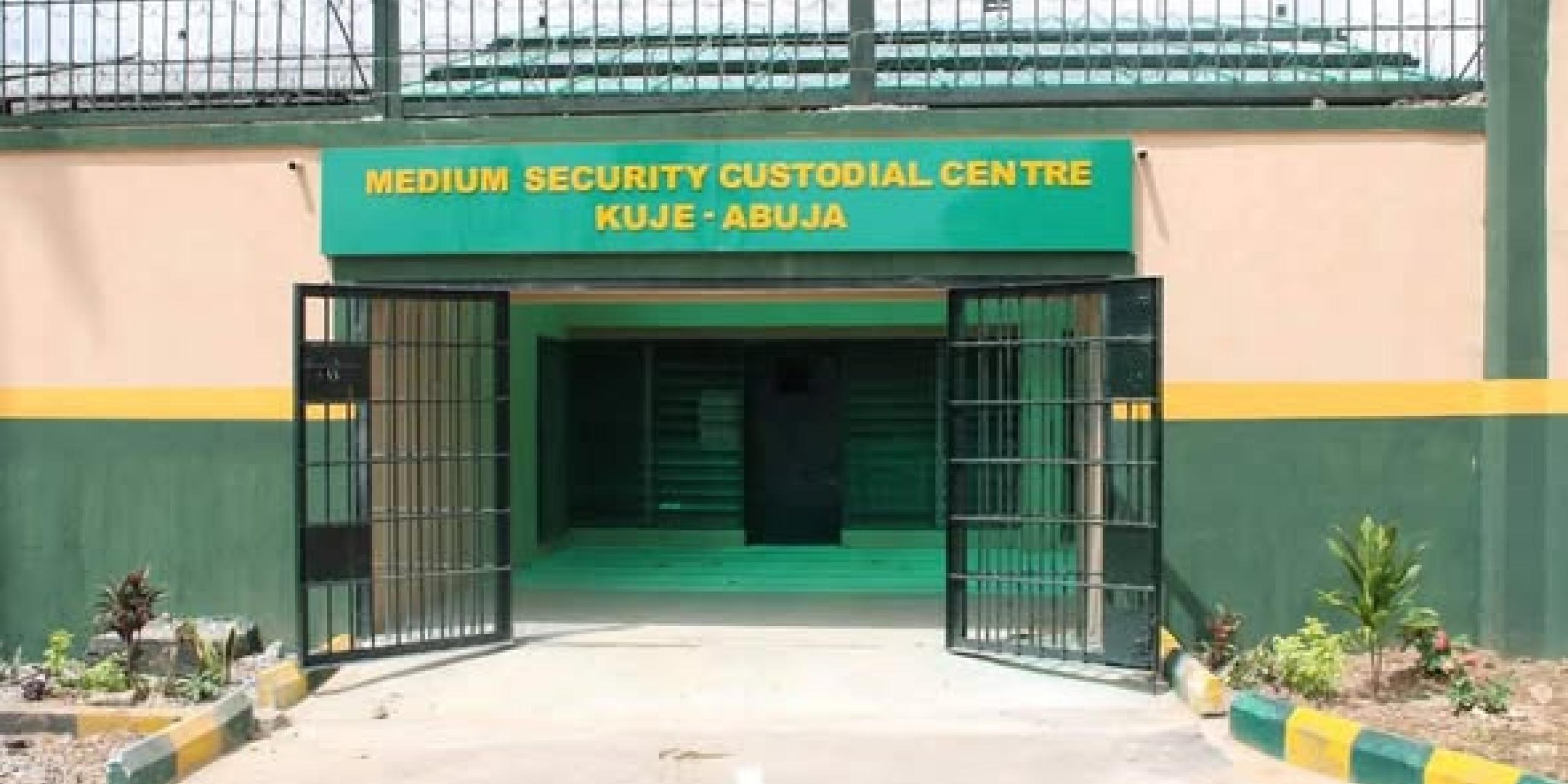
    Former Attorney General of the Federation, Abubakar Malami (SAN), has reportedly slowed the processing of his bail following a heavy deployment of Department of State Services (DSS) operatives at the Kuje Medium Security Custodial Centre (MSCC) in Abuja. Sources indicate that over 50 DSS officers established a perimeter around the prison, arriving in a convoy of approximately six Toyota Hilux vans, amid fears that Malami could be immediately rearrested in connection with an ongoing terrorism financing investigation.

    Malami, who was granted bail by the Federal High Court in Abuja in his N8.7 billion money laundering case, instructed his legal team to delay the release process, remaining in the VIP segregation cell of the prison, a section previously refurbished by former police intelligence chief Abba Kyari and known for housing high-profile detainees. His son, Abubakar Abdulaziz, and fourth wife, Hajia Bashir Asabe, remain at the facility, with Abdulaziz reportedly admitted to the prison clinic for observation after falling ill.

    The EFCC had arraigned Malami, Asabe, and Abdulaziz on a 16-count charge involving conspiracy, laundering, and concealment of unlawful proceeds totaling ₦8,713,923,759.49 under the Money Laundering (Prevention and Prohibition) Act, 2022. While terrorism financing is not part of the formal charges, security sources link ongoing investigations to Malami and other high-profile figures regarding the flow of Abacha loot recovered from Switzerland and the UK.

    Retired Army General Danjuma Ali-Keffi, former head of counter-terrorism Task Force Operation Service Wide (OSW), revealed that investigations into Boko Haram financiers exposed networks allegedly connected to senior military officers, top financial officials, and government figures, including Malami. Ali-Keffi claimed Malami interfered with these investigations by removing key prosecutors and influencing the release of certain suspects, actions that undermined anti-terrorism operations.

    This unfolding situation underscores heightened tensions between Nigerian law enforcement agencies and high-profile figures, highlighting the complex interplay of money laundering, terrorism financing probes, and political influence. Authorities remain on high alert as Malami’s legal maneuvering continues amid nationwide scrutiny of his activities.


    Malami Delays Bail as DSS Besiege Kuje Prison Over Terrorism Financing Probe – Inside the High-Stakes Showdown Former Attorney General of the Federation, Abubakar Malami (SAN), has reportedly slowed the processing of his bail following a heavy deployment of Department of State Services (DSS) operatives at the Kuje Medium Security Custodial Centre (MSCC) in Abuja. Sources indicate that over 50 DSS officers established a perimeter around the prison, arriving in a convoy of approximately six Toyota Hilux vans, amid fears that Malami could be immediately rearrested in connection with an ongoing terrorism financing investigation. Malami, who was granted bail by the Federal High Court in Abuja in his N8.7 billion money laundering case, instructed his legal team to delay the release process, remaining in the VIP segregation cell of the prison, a section previously refurbished by former police intelligence chief Abba Kyari and known for housing high-profile detainees. His son, Abubakar Abdulaziz, and fourth wife, Hajia Bashir Asabe, remain at the facility, with Abdulaziz reportedly admitted to the prison clinic for observation after falling ill. The EFCC had arraigned Malami, Asabe, and Abdulaziz on a 16-count charge involving conspiracy, laundering, and concealment of unlawful proceeds totaling ₦8,713,923,759.49 under the Money Laundering (Prevention and Prohibition) Act, 2022. While terrorism financing is not part of the formal charges, security sources link ongoing investigations to Malami and other high-profile figures regarding the flow of Abacha loot recovered from Switzerland and the UK. Retired Army General Danjuma Ali-Keffi, former head of counter-terrorism Task Force Operation Service Wide (OSW), revealed that investigations into Boko Haram financiers exposed networks allegedly connected to senior military officers, top financial officials, and government figures, including Malami. Ali-Keffi claimed Malami interfered with these investigations by removing key prosecutors and influencing the release of certain suspects, actions that undermined anti-terrorism operations. This unfolding situation underscores heightened tensions between Nigerian law enforcement agencies and high-profile figures, highlighting the complex interplay of money laundering, terrorism financing probes, and political influence. Authorities remain on high alert as Malami’s legal maneuvering continues amid nationwide scrutiny of his activities.
    0 Comments ·0 Shares ·2K Views
  • DSS Deploys 50+ Operatives to Kuje Prison Amid Malami Bail in N8.7B Money Laundering Case

    The Department of State Services (DSS) has deployed more than 50 operatives to the Kuje Medium Security Custodial Centre (MSCC) in Abuja, following the granting of bail to former Attorney General of the Federation (AGF) Abubakar Malami. The deployment, which involved a convoy of six Toyota Hilux vans, reportedly aims to prevent Malami from evading ongoing investigations linked to terrorism financing, despite the Economic and Financial Crimes Commission (EFCC) charging him primarily with money laundering.

    Justice Emeka Nwite of the Federal High Court in Abuja granted Malami bail on Wednesday, January 8, 2026, with conditions including ₦500 million surety bonds, ownership of landed property in highbrow Abuja districts such as Asokoro, Maitama, or Gwarinpa, and deposit of travel documents with the court. Malami, his son Abdulaziz Malami, and his wife Bashir Asabe face a 16-count charge for allegedly laundering ₦8.7 billion. He was barred from leaving the country without prior court approval.

    Sources described a tense atmosphere at Kuje Prison, with DSS operatives taking strategic positions around the facility, monitoring all entries and exits, and enforcing heightened security measures. The intense deployment indicates the sensitive nature of the case and the perceived risks surrounding Malami’s custody.

    Background context reveals that Malami’s legal and financial activities have previously intersected with terrorism financing investigations under Operation Service Wide (OSW), led by retired Army General Danjuma Ali-Keffi. Launched in 2021, OSW sought to dismantle financial networks supporting Boko Haram. The operation identified alleged links between some high-profile Nigerians—including former Army Chiefs Tukur Yusuf Buratai and Faruk Yahaya, former CBN Governor Godwin Emefiele, and Malami—and suspects connected to terrorism financing.

    Ali-Keffi clarified that his revelations did not accuse Malami or others of terrorism financing but highlighted connections identified during investigations. He alleged that Malami interfered with OSW by removing a senior prosecution lawyer who refused to compromise on evidence against 48 terrorism financing suspects, potentially redirecting cases toward money laundering charges under the EFCC’s supervision.

    The DSS deployment at Kuje Prison, combined with strict bail conditions, underscores the high stakes surrounding Malami’s trial. The case exemplifies the intersection of corruption, terrorism financing, and accountability in Nigeria, with multiple agencies maintaining vigilance over proceedings involving senior political and security figures.

    DSS Deploys 50+ Operatives to Kuje Prison Amid Malami Bail in N8.7B Money Laundering Case The Department of State Services (DSS) has deployed more than 50 operatives to the Kuje Medium Security Custodial Centre (MSCC) in Abuja, following the granting of bail to former Attorney General of the Federation (AGF) Abubakar Malami. The deployment, which involved a convoy of six Toyota Hilux vans, reportedly aims to prevent Malami from evading ongoing investigations linked to terrorism financing, despite the Economic and Financial Crimes Commission (EFCC) charging him primarily with money laundering. Justice Emeka Nwite of the Federal High Court in Abuja granted Malami bail on Wednesday, January 8, 2026, with conditions including ₦500 million surety bonds, ownership of landed property in highbrow Abuja districts such as Asokoro, Maitama, or Gwarinpa, and deposit of travel documents with the court. Malami, his son Abdulaziz Malami, and his wife Bashir Asabe face a 16-count charge for allegedly laundering ₦8.7 billion. He was barred from leaving the country without prior court approval. Sources described a tense atmosphere at Kuje Prison, with DSS operatives taking strategic positions around the facility, monitoring all entries and exits, and enforcing heightened security measures. The intense deployment indicates the sensitive nature of the case and the perceived risks surrounding Malami’s custody. Background context reveals that Malami’s legal and financial activities have previously intersected with terrorism financing investigations under Operation Service Wide (OSW), led by retired Army General Danjuma Ali-Keffi. Launched in 2021, OSW sought to dismantle financial networks supporting Boko Haram. The operation identified alleged links between some high-profile Nigerians—including former Army Chiefs Tukur Yusuf Buratai and Faruk Yahaya, former CBN Governor Godwin Emefiele, and Malami—and suspects connected to terrorism financing. Ali-Keffi clarified that his revelations did not accuse Malami or others of terrorism financing but highlighted connections identified during investigations. He alleged that Malami interfered with OSW by removing a senior prosecution lawyer who refused to compromise on evidence against 48 terrorism financing suspects, potentially redirecting cases toward money laundering charges under the EFCC’s supervision. The DSS deployment at Kuje Prison, combined with strict bail conditions, underscores the high stakes surrounding Malami’s trial. The case exemplifies the intersection of corruption, terrorism financing, and accountability in Nigeria, with multiple agencies maintaining vigilance over proceedings involving senior political and security figures.
    0 Comments ·0 Shares ·2K Views
  • DSS Deploys 50+ Operatives to Kuje Prison Amid Abubakar Malami Bail in N8.7B Money Laundering Case

    The Department of State Services (DSS) has deployed over 50 operatives to Kuje Medium Security Custodial Centre (MSCC) in Abuja, placing the prison under heavy security following the bail granted to former Attorney General of the Federation (AGF) Abubakar Malami. The move is reportedly a precautionary measure to ensure Malami does not evade investigations related to terrorism financing, despite the fact that the charges filed by the Economic and Financial Crimes Commission (EFCC) focus on money laundering.

    Malami, currently remanded at Kuje Prison, was granted bail on Wednesday, January 8, 2026, by Justice Emeka Nwite of the Federal High Court in Abuja. Bail conditions include ₦500 million surety bonds, ownership of landed property in highbrow districts such as Asokoro, Maitama, or Gwarinpa, deposit of travel documents, and an absolute ban on leaving Nigeria without prior court permission. The bail hearing was part of a 16-count charge filed against Malami, his son Abdulaziz Malami, and his wife Bashir Asabe, collectively accused of laundering ₦8.7 billion.

    Sources describe a tense atmosphere at Kuje, with DSS operatives stationed strategically, monitoring all entries and exits, using approximately six Toyota Hilux vans to maintain control over the prison perimeter. The deployment highlights the critical nature of the ongoing investigation.

    Background reports indicate that Malami’s legal and financial activities have previously intersected with broader terrorism financing investigations led by retired Nigerian Army General Danjuma Ali-Keffi under Operation Service Wide (OSW). The operation, initiated in 2021, aimed to track financial networks linked to Boko Haram and uncovered alleged links between some high-profile officials—including former Army Chiefs Tukur Yusuf Buratai and Faruk Yahaya, as well as Malami and former CBN Governor Godwin Emefiele—and suspects arrested for terrorism financing.

    Ali-Keffi clarified that he was not accusing these officials of terrorism financing but stated that investigations revealed connections between them and some suspects. He also alleged that Malami had interfered with the OSW investigation by removing a senior prosecution lawyer who had resisted compromises on cases involving 48 terrorism financing suspects.

    The DSS deployment, combined with the stringent bail conditions, reflects the high stakes and sensitivity surrounding Malami’s ongoing trial and the broader investigations into the alleged misuse of funds tied to insurgent activities.

    The unfolding situation has drawn attention to the intersection of high-level corruption, terrorism financing, and law enforcement accountability in Nigeria, signaling the continued involvement of multiple agencies in overseeing cases with national security implications.
    DSS Deploys 50+ Operatives to Kuje Prison Amid Abubakar Malami Bail in N8.7B Money Laundering Case The Department of State Services (DSS) has deployed over 50 operatives to Kuje Medium Security Custodial Centre (MSCC) in Abuja, placing the prison under heavy security following the bail granted to former Attorney General of the Federation (AGF) Abubakar Malami. The move is reportedly a precautionary measure to ensure Malami does not evade investigations related to terrorism financing, despite the fact that the charges filed by the Economic and Financial Crimes Commission (EFCC) focus on money laundering. Malami, currently remanded at Kuje Prison, was granted bail on Wednesday, January 8, 2026, by Justice Emeka Nwite of the Federal High Court in Abuja. Bail conditions include ₦500 million surety bonds, ownership of landed property in highbrow districts such as Asokoro, Maitama, or Gwarinpa, deposit of travel documents, and an absolute ban on leaving Nigeria without prior court permission. The bail hearing was part of a 16-count charge filed against Malami, his son Abdulaziz Malami, and his wife Bashir Asabe, collectively accused of laundering ₦8.7 billion. Sources describe a tense atmosphere at Kuje, with DSS operatives stationed strategically, monitoring all entries and exits, using approximately six Toyota Hilux vans to maintain control over the prison perimeter. The deployment highlights the critical nature of the ongoing investigation. Background reports indicate that Malami’s legal and financial activities have previously intersected with broader terrorism financing investigations led by retired Nigerian Army General Danjuma Ali-Keffi under Operation Service Wide (OSW). The operation, initiated in 2021, aimed to track financial networks linked to Boko Haram and uncovered alleged links between some high-profile officials—including former Army Chiefs Tukur Yusuf Buratai and Faruk Yahaya, as well as Malami and former CBN Governor Godwin Emefiele—and suspects arrested for terrorism financing. Ali-Keffi clarified that he was not accusing these officials of terrorism financing but stated that investigations revealed connections between them and some suspects. He also alleged that Malami had interfered with the OSW investigation by removing a senior prosecution lawyer who had resisted compromises on cases involving 48 terrorism financing suspects. The DSS deployment, combined with the stringent bail conditions, reflects the high stakes and sensitivity surrounding Malami’s ongoing trial and the broader investigations into the alleged misuse of funds tied to insurgent activities. The unfolding situation has drawn attention to the intersection of high-level corruption, terrorism financing, and law enforcement accountability in Nigeria, signaling the continued involvement of multiple agencies in overseeing cases with national security implications.
    0 Comments ·0 Shares ·3K Views
  • Nigeria Divided: Why It’s Time for a Peaceful ‘Velvet Divorce’ — Bayo Oluwasanmi”

    In a compelling opinion piece, Bayo Oluwasanmi argues that Nigeria is no longer a united country but a collection of diverse ethnic nationalities with conflicting cultures, religions, histories, and languages. Citing Nigeria’s history of military coups, a 30-month civil war, and ongoing Christian-targeted violence, Oluwasanmi contends that attempts to maintain national unity by force have failed, leading to heightened secessionist and separatist movements such as Biafra, Oduduwa, and Arewa.
    Oluwasanmi highlights the rise of Boko Haram and Fulani terrorist attacks as evidence of the government’s inability to protect citizens, particularly Christians. He underscores that universal human rights guarantee the right to life, liberty, and security, which are currently under threat across Nigeria. The article criticizes the ruling elite for profiting from societal chaos while ordinary citizens face abductions, massacres, and widespread insecurity.
    The author draws a parallel with the “Velvet Divorce” of Czechoslovakia in 1993, advocating for a peaceful, non-violent separation of Nigeria into autonomous nations where citizens can live safely and govern themselves according to their values and priorities. He argues that a structured, peaceful split is preferable to continued bloodshed, lawlessness, and an ungovernable state.
    Oluwasanmi’s piece is a call for urgent action, urging Nigeria’s leaders and citizens to recognize the deep divisions and seek a solution that preserves life, dignity, and freedom, rather than perpetuating ongoing violence and insecurity.
    Nigeria Divided: Why It’s Time for a Peaceful ‘Velvet Divorce’ — Bayo Oluwasanmi” In a compelling opinion piece, Bayo Oluwasanmi argues that Nigeria is no longer a united country but a collection of diverse ethnic nationalities with conflicting cultures, religions, histories, and languages. Citing Nigeria’s history of military coups, a 30-month civil war, and ongoing Christian-targeted violence, Oluwasanmi contends that attempts to maintain national unity by force have failed, leading to heightened secessionist and separatist movements such as Biafra, Oduduwa, and Arewa. Oluwasanmi highlights the rise of Boko Haram and Fulani terrorist attacks as evidence of the government’s inability to protect citizens, particularly Christians. He underscores that universal human rights guarantee the right to life, liberty, and security, which are currently under threat across Nigeria. The article criticizes the ruling elite for profiting from societal chaos while ordinary citizens face abductions, massacres, and widespread insecurity. The author draws a parallel with the “Velvet Divorce” of Czechoslovakia in 1993, advocating for a peaceful, non-violent separation of Nigeria into autonomous nations where citizens can live safely and govern themselves according to their values and priorities. He argues that a structured, peaceful split is preferable to continued bloodshed, lawlessness, and an ungovernable state. Oluwasanmi’s piece is a call for urgent action, urging Nigeria’s leaders and citizens to recognize the deep divisions and seek a solution that preserves life, dignity, and freedom, rather than perpetuating ongoing violence and insecurity.
    0 Comments ·0 Shares ·1K Views
  • “US Imposes $15,000 Visa Bonds on Nigerians for Business and Tourist Travel – New Travel Restrictions Explained”

    The United States government has introduced stringent new visa requirements that may affect Nigerians and other nationals from high-risk countries seeking B1/B2 business and tourist visas. According to an official notice on the US Department of State website (Travel.State.Gov), applicants may now be required to post visa bonds of $5,000, $10,000, or $15,000, depending on individual circumstances assessed during visa interviews. Payment of the bond does not guarantee visa issuance, and any fees paid without a consular officer’s direction will not be refunded.
    This directive, effective January 21, 2026, for Nigeria, affects 38 countries worldwide, with 24 African nations included. Visa bonds act as financial guarantees for nationals from countries classified as high-risk, ensuring compliance with visa regulations and departure requirements. Applicants must submit the Department of Homeland Security Form I-352 and make payments via the US Treasury’s Pay.gov platform. Bond holders are also required to enter the US only through designated airports such as Boston Logan, JFK in New York, and Washington Dulles.
    The new restrictions follow a partial travel suspension imposed on Nigeria on December 16, 2025, due to security concerns linked to Boko Haram and Islamic State activities, alongside high visa overstay rates—5.56% for B1/B2 visas and 11.90% for student and exchange visas (F, M, and J categories). The US government emphasized that bonds are refundable only when a visa holder departs on time, does not travel before visa expiration, or is denied admission at a port of entry.
    This move is part of broader US efforts to tighten travel compliance for nationals from countries with security, immigration, or overstay concerns, highlighting the increasing scrutiny facing Nigerian travelers seeking entry to the United States.
    “US Imposes $15,000 Visa Bonds on Nigerians for Business and Tourist Travel – New Travel Restrictions Explained” The United States government has introduced stringent new visa requirements that may affect Nigerians and other nationals from high-risk countries seeking B1/B2 business and tourist visas. According to an official notice on the US Department of State website (Travel.State.Gov), applicants may now be required to post visa bonds of $5,000, $10,000, or $15,000, depending on individual circumstances assessed during visa interviews. Payment of the bond does not guarantee visa issuance, and any fees paid without a consular officer’s direction will not be refunded. This directive, effective January 21, 2026, for Nigeria, affects 38 countries worldwide, with 24 African nations included. Visa bonds act as financial guarantees for nationals from countries classified as high-risk, ensuring compliance with visa regulations and departure requirements. Applicants must submit the Department of Homeland Security Form I-352 and make payments via the US Treasury’s Pay.gov platform. Bond holders are also required to enter the US only through designated airports such as Boston Logan, JFK in New York, and Washington Dulles. The new restrictions follow a partial travel suspension imposed on Nigeria on December 16, 2025, due to security concerns linked to Boko Haram and Islamic State activities, alongside high visa overstay rates—5.56% for B1/B2 visas and 11.90% for student and exchange visas (F, M, and J categories). The US government emphasized that bonds are refundable only when a visa holder departs on time, does not travel before visa expiration, or is denied admission at a port of entry. This move is part of broader US efforts to tighten travel compliance for nationals from countries with security, immigration, or overstay concerns, highlighting the increasing scrutiny facing Nigerian travelers seeking entry to the United States.
    like
    1
    · 0 Comments ·0 Shares ·1K Views
  • Boko Haram/ISWAP Ambush in Gwoza, Borno State Kills One CJTF Operative as Security Forces Respond

    A member of the Civilian Joint Task Force (CJTF), Hamman Ibrahim, 40, was killed in a suspected ambush by Boko Haram and Islamic State West Africa Province (ISWAP) fighters along Warave–Bayan Dutse Road in Gwoza Local Government Area, Borno State, on January 5, 2026. The attack occurred during a routine patrol of CJTF members and local hunters in an area that remains volatile despite ongoing counterinsurgency operations.
    Following the ambush, troops from Operation HADIN KAI, alongside police officers and CJTF members, responded to the scene. Ibrahim was evacuated to the General Hospital in Gwoza, where he was pronounced dead on arrival. His body was released to his family for burial according to Islamic rites.
    The incident highlights persistent security challenges in southern Borno, where local vigilantes and CJTF members continue to play a crucial role in supporting military operations against insurgent groups. Authorities continue investigations into the ambush to prevent future attacks.

    #BornoState #CJTF #BokoHaram #ISWAP #NigeriaNews #GwozaAttack #SecurityUpdate #TerrorismInNigeria #NorthernNigeria
    Boko Haram/ISWAP Ambush in Gwoza, Borno State Kills One CJTF Operative as Security Forces Respond A member of the Civilian Joint Task Force (CJTF), Hamman Ibrahim, 40, was killed in a suspected ambush by Boko Haram and Islamic State West Africa Province (ISWAP) fighters along Warave–Bayan Dutse Road in Gwoza Local Government Area, Borno State, on January 5, 2026. The attack occurred during a routine patrol of CJTF members and local hunters in an area that remains volatile despite ongoing counterinsurgency operations. Following the ambush, troops from Operation HADIN KAI, alongside police officers and CJTF members, responded to the scene. Ibrahim was evacuated to the General Hospital in Gwoza, where he was pronounced dead on arrival. His body was released to his family for burial according to Islamic rites. The incident highlights persistent security challenges in southern Borno, where local vigilantes and CJTF members continue to play a crucial role in supporting military operations against insurgent groups. Authorities continue investigations into the ambush to prevent future attacks. #BornoState #CJTF #BokoHaram #ISWAP #NigeriaNews #GwozaAttack #SecurityUpdate #TerrorismInNigeria #NorthernNigeria
    like
    1
    · 0 Comments ·0 Shares ·3K Views
  • US Congressman Riley Moore Warns of Escalating Violence Against Christians in Nigeria, Cites ISIS ‘Convert or Die’ Threats and U.S.–Nigeria Security Cooperation

    U.S. Congressman Riley Moore has raised fresh alarm over what he describes as a worsening campaign of violence against Christian communities in Nigeria, citing threats from ISIS-linked groups demanding that Christians “convert or die.” Speaking on Newsmax TV, Moore said he visited Nigeria in December as part of a congressional delegation sent at the direction of President Donald Trump to assess security conditions and humanitarian needs.

    Moore recounted harrowing testimonies from internally displaced persons (IDPs), including women who witnessed the قتل of their children, families torn apart, and unborn babies killed. He said these accounts point to targeted religious persecution, not random criminal violence. According to him, extremist groups—such as ISIS-affiliated factions and Islamist militants active in Nigeria’s Middle Belt—are deliberately attacking churches, Christian villages, and IDP camps.

    The West Virginia lawmaker stated that U.S.–Nigeria security cooperation has intensified, claiming recent joint military actions, including a reported strike around Christmas, helped deter attacks during the holiday period. While some details of these operations have not been independently verified, Moore said discussions are ongoing to establish a broader strategic security framework to strengthen Nigeria’s military capacity, improve intelligence sharing, and close operational gaps.

    Rejecting explanations that attribute the violence mainly to climate change or land disputes, Moore argued that the rhetoric and actions of extremist groups clearly show a specific focus on Christian communities. He acknowledged that Nigerians of all backgrounds have suffered but insisted that Christians face targeted persecution.

    Human rights groups continue to document widespread insecurity in Nigeria involving Boko Haram, ISIS–West Africa Province (ISWAP), and armed militias, with debate persisting over the root causes of the violence. Moore said his conclusions are based on firsthand observations: “What is happening in Nigeria is Christian persecution,” he maintained, urging sustained international attention and support.
    US Congressman Riley Moore Warns of Escalating Violence Against Christians in Nigeria, Cites ISIS ‘Convert or Die’ Threats and U.S.–Nigeria Security Cooperation U.S. Congressman Riley Moore has raised fresh alarm over what he describes as a worsening campaign of violence against Christian communities in Nigeria, citing threats from ISIS-linked groups demanding that Christians “convert or die.” Speaking on Newsmax TV, Moore said he visited Nigeria in December as part of a congressional delegation sent at the direction of President Donald Trump to assess security conditions and humanitarian needs. Moore recounted harrowing testimonies from internally displaced persons (IDPs), including women who witnessed the قتل of their children, families torn apart, and unborn babies killed. He said these accounts point to targeted religious persecution, not random criminal violence. According to him, extremist groups—such as ISIS-affiliated factions and Islamist militants active in Nigeria’s Middle Belt—are deliberately attacking churches, Christian villages, and IDP camps. The West Virginia lawmaker stated that U.S.–Nigeria security cooperation has intensified, claiming recent joint military actions, including a reported strike around Christmas, helped deter attacks during the holiday period. While some details of these operations have not been independently verified, Moore said discussions are ongoing to establish a broader strategic security framework to strengthen Nigeria’s military capacity, improve intelligence sharing, and close operational gaps. Rejecting explanations that attribute the violence mainly to climate change or land disputes, Moore argued that the rhetoric and actions of extremist groups clearly show a specific focus on Christian communities. He acknowledged that Nigerians of all backgrounds have suffered but insisted that Christians face targeted persecution. Human rights groups continue to document widespread insecurity in Nigeria involving Boko Haram, ISIS–West Africa Province (ISWAP), and armed militias, with debate persisting over the root causes of the violence. Moore said his conclusions are based on firsthand observations: “What is happening in Nigeria is Christian persecution,” he maintained, urging sustained international attention and support.
    like
    1
    · 1 Comments ·0 Shares ·2K Views
More Results
Fintter https://fintter.com