


 About
About
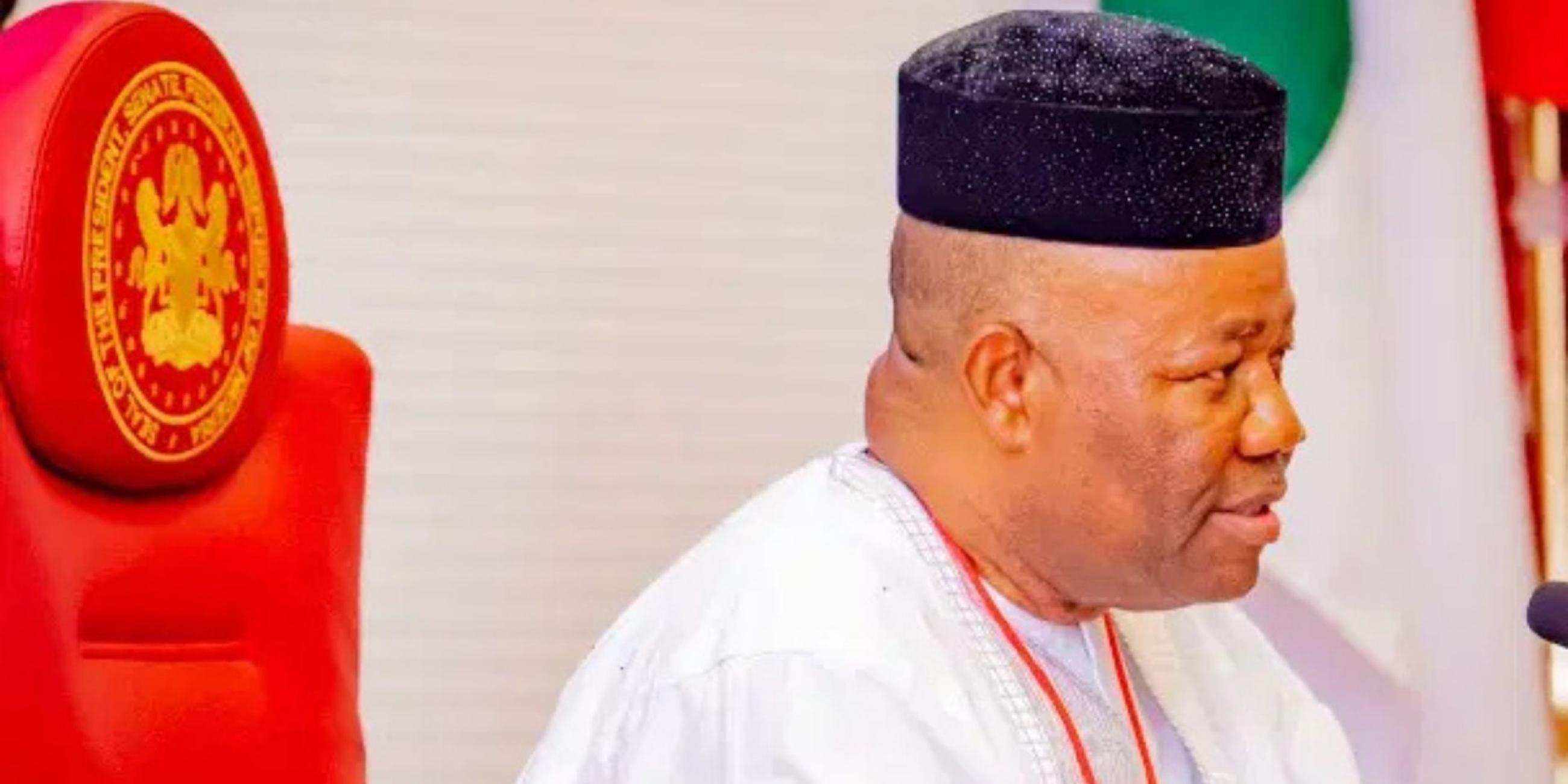
Nigeria’s National Assembly has been thrown into deep controversy following allegations that Senate President Godswill Akpabio ordered the Clerk of the National Assembly to withhold certified copies of a tax reform bill transmitted to President Bola Tinubu and subsequently signed into law. The alleged directive has fueled suspicions among lawmakers that the version of the tax law assented to by the president may differ from what was debated and passed by both chambers of parliament.
According to reports by Peoples Gazette, two senators and four members of the House of Representatives claimed that repeated requests for certified true copies of the assented tax law were denied on the explicit instruction of the Senate President. Lawmakers said the embargo on the document has intensified internal tension, mistrust, and accusations of procedural manipulation within the legislature.
The controversy began after a House of Representatives member, Abdulsammad Dasuki (PDP, Sokoto State), raised a Point of Privilege during plenary, alleging that the tax laws made available to the public did not reflect the versions passed by the National Assembly. Dasuki stated that after the bill’s passage, he spent several days comparing the gazetted laws with the House’s Votes and Proceedings as well as the harmonised versions approved by both chambers, only to discover significant discrepancies.
According to Dasuki, the documents obtained from the Ministry of Information contained provisions that lawmakers neither debated nor approved. He insisted that the situation amounted to a serious breach of legislative procedure and constitutional governance, stressing that his intervention was meant to alert parliament to a potentially dangerous precedent rather than to move a formal motion.
Following his claims, several lawmakers formally requested access to the certified copy of the law signed by President Tinubu to verify whether any alterations occurred between legislative passage and presidential assent. However, lawmakers alleged that officials in the Clerk’s office repeatedly refused to release the document, citing direct instructions from Senate President Akpabio.
The refusal to release the assented version has further deepened suspicion, especially after Peoples Gazette reported that it had obtained a certified true copy of the tax bill as passed by the National Assembly. Lawmakers questioned why parliamentary leadership would block access to the assented version if no changes had been made.
Several legislators described the situation as an attack on legislative oversight and transparency. A ruling party senator, who spoke anonymously for fear of retaliation, warned that the alleged concealment of the document represented an attempt to undermine Nigeria’s democratic process and called on Nigerians of conscience to intervene. Another House member from Oyo State criticised Speaker Tajudeen Abbas for failing to address the issue with the urgency it deserved, expressing concern that the government appeared unwilling to suspend the January 1 implementation of the disputed tax law despite the unresolved controversy.
At the centre of the dispute is the fear that unauthorised clauses may have been inserted into the tax reform laws after parliamentary approval, raising serious constitutional and legal questions. Lawmakers warned that denying access to the assented copy erodes trust within parliament and weakens democratic accountability.
Meanwhile, Senator Sunday Karimi, a member of the Senate Finance Committee, dismissed claims of alterations as unsubstantiated rumours but acknowledged that the matter deserved investigation. He stated that all versions of the bill—those passed by the National Assembly and the gazetted laws—should be made publicly available for transparency. Karimi also expressed confidence in President Tinubu, insisting that the president would not be complicit in any attempt to undermine Nigeria’s democratic institutions.
The allegations have sparked widespread political backlash beyond the National Assembly. Opposition figures and civil society groups have accused unnamed actors of secretly altering the tax laws, with some describing the alleged actions as treasonous. Former Vice President Atiku Abubakar condemned the situation as a “brazen act of treason” and a direct assault on Nigeria’s democracy.
As of the time of reporting, neither Senate President Akpabio, the Clerk of the National Assembly, nor Speaker Tajudeen Abbas had publicly responded to the allegations. The unfolding controversy has placed Nigeria’s tax reforms at the centre of a growing political storm, with calls mounting for full disclosure, legislative accountability, and a transparent review of the assented laws to safeguard the integrity of the country’s democratic process.
Nigeria’s National Assembly has been thrown into deep controversy following allegations that Senate President Godswill Akpabio ordered the Clerk of the National Assembly to withhold certified copies of a tax reform bill transmitted to President Bola Tinubu and subsequently signed into law. The alleged directive has fueled suspicions among lawmakers that the version of the tax law assented to by the president may differ from what was debated and passed by both chambers of parliament.
According to reports by Peoples Gazette, two senators and four members of the House of Representatives claimed that repeated requests for certified true copies of the assented tax law were denied on the explicit instruction of the Senate President. Lawmakers said the embargo on the document has intensified internal tension, mistrust, and accusations of procedural manipulation within the legislature.
The controversy began after a House of Representatives member, Abdulsammad Dasuki (PDP, Sokoto State), raised a Point of Privilege during plenary, alleging that the tax laws made available to the public did not reflect the versions passed by the National Assembly. Dasuki stated that after the bill’s passage, he spent several days comparing the gazetted laws with the House’s Votes and Proceedings as well as the harmonised versions approved by both chambers, only to discover significant discrepancies.
According to Dasuki, the documents obtained from the Ministry of Information contained provisions that lawmakers neither debated nor approved. He insisted that the situation amounted to a serious breach of legislative procedure and constitutional governance, stressing that his intervention was meant to alert parliament to a potentially dangerous precedent rather than to move a formal motion.
Following his claims, several lawmakers formally requested access to the certified copy of the law signed by President Tinubu to verify whether any alterations occurred between legislative passage and presidential assent. However, lawmakers alleged that officials in the Clerk’s office repeatedly refused to release the document, citing direct instructions from Senate President Akpabio.
The refusal to release the assented version has further deepened suspicion, especially after Peoples Gazette reported that it had obtained a certified true copy of the tax bill as passed by the National Assembly. Lawmakers questioned why parliamentary leadership would block access to the assented version if no changes had been made.
Several legislators described the situation as an attack on legislative oversight and transparency. A ruling party senator, who spoke anonymously for fear of retaliation, warned that the alleged concealment of the document represented an attempt to undermine Nigeria’s democratic process and called on Nigerians of conscience to intervene. Another House member from Oyo State criticised Speaker Tajudeen Abbas for failing to address the issue with the urgency it deserved, expressing concern that the government appeared unwilling to suspend the January 1 implementation of the disputed tax law despite the unresolved controversy.
At the centre of the dispute is the fear that unauthorised clauses may have been inserted into the tax reform laws after parliamentary approval, raising serious constitutional and legal questions. Lawmakers warned that denying access to the assented copy erodes trust within parliament and weakens democratic accountability.
Meanwhile, Senator Sunday Karimi, a member of the Senate Finance Committee, dismissed claims of alterations as unsubstantiated rumours but acknowledged that the matter deserved investigation. He stated that all versions of the bill—those passed by the National Assembly and the gazetted laws—should be made publicly available for transparency. Karimi also expressed confidence in President Tinubu, insisting that the president would not be complicit in any attempt to undermine Nigeria’s democratic institutions.
The allegations have sparked widespread political backlash beyond the National Assembly. Opposition figures and civil society groups have accused unnamed actors of secretly altering the tax laws, with some describing the alleged actions as treasonous. Former Vice President Atiku Abubakar condemned the situation as a “brazen act of treason” and a direct assault on Nigeria’s democracy.
As of the time of reporting, neither Senate President Akpabio, the Clerk of the National Assembly, nor Speaker Tajudeen Abbas had publicly responded to the allegations. The unfolding controversy has placed Nigeria’s tax reforms at the centre of a growing political storm, with calls mounting for full disclosure, legislative accountability, and a transparent review of the assented laws to safeguard the integrity of the country’s democratic process.
0 Yorumlar
·0 hisse senetleri
·1K Views
