


The Lost African Knowledge of Herbal Medicine
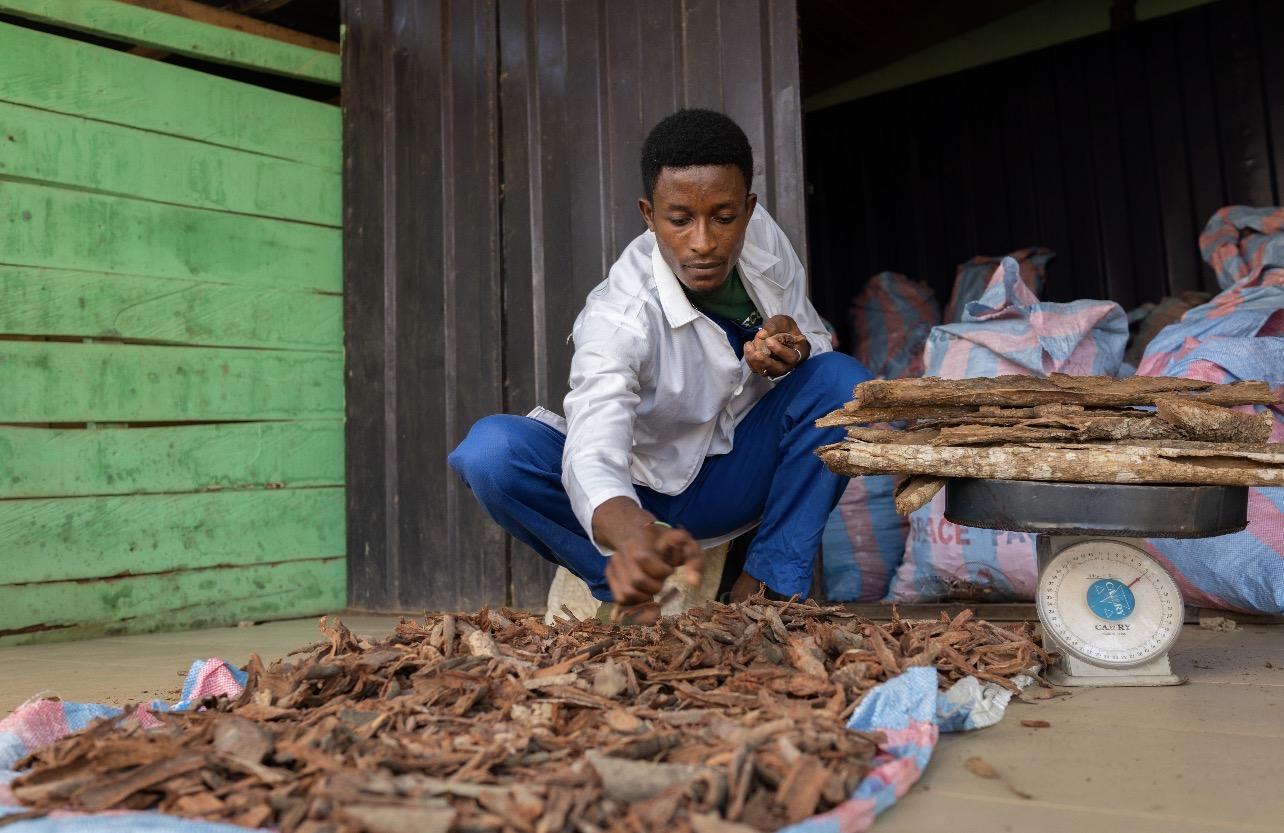
Herbal Medicine
The Wisdom That Lived in the Forest
Long before hospitals, pharmacies, and modern laboratories appeared across the African continent, healing lived quietly in the forests, rivers, and fields. It lived in the leaves of ancient trees, in the bark of plants that had stood for centuries, and in the roots hidden beneath the earth. But more importantly, it lived in the minds of the elders.
In many African communities, the healer was one of the most respected people in society. He or she was not just someone who knew herbs. A healer was a keeper of knowledge, a guardian of life, and often a spiritual guide.
Villagers would walk miles to seek help from these healers. Some came with fever, others with wounds, others with mysterious illnesses that no one could explain. Yet the healer would calmly walk into the forest, collect a few leaves, crush a root, boil a bark, or mix different plants together. Often, the sick person would recover.
To outsiders it looked like magic.
But to the healer, it was knowledge.
This knowledge had been passed down from generation to generation. A father would teach his son. A grandmother would teach her granddaughter. The knowledge was not written in books. It was carried in stories, memory, and daily practice.
The forest was their pharmacy. Nature was their laboratory.
For thousands of years, this knowledge helped communities survive.
The Training of the Healer
Becoming a healer in traditional African societies was not easy. It was not something someone could simply decide to do. The path required patience, discipline, and years of learning.
Often a young apprentice would begin training as a child. They would follow an elder healer into the forest. At first, they were only allowed to watch.
They watched how the elder examined plants.
They watched how leaves were crushed between fingers.
They watched how bark was carefully removed without killing the tree.
They watched how roots were dried, ground, or boiled
But watching was only the beginning.
The apprentice had to memorize hundreds of plants. Each plant had its own purpose. Some healed stomach pain. Some treated infections. Some helped women during childbirth. Some strengthened the body after illness.
A small mistake could be dangerous.
Certain plants could heal when used correctly but become poisonous if used wrongly. That is why healers trained for many years before practicing alone.
They also learned something equally important: respect for nature.
A healer never harvested plants carelessly. If a root was taken, the soil was covered again. If bark was removed, only a small portion was cut so the tree could survive.
The forest was not something to exploit.
It was something to protect.
The Forest Pharmacy
Africa is home to one of the richest plant biodiversities in the world. From the dense rainforests of Central Africa to the savannahs of West Africa, thousands of medicinal plants grow naturally across the continent.
Traditional healers knew many of them.
Neem leaves were used to fight infections and purify the blood. Bitter leaf helped with stomach issues and malaria symptoms. Ginger warmed the body and treated cold illnesses. Garlic strengthened the immune system.
Roots from certain trees were used to treat snake bites. Some plants helped reduce fever. Others healed wounds quickly.
Even everyday foods were medicine.
Honey was used to treat coughs and wounds. Palm oil helped protect the skin. Lemongrass tea helped calm the body and reduce stress.
What modern science is slowly discovering today is something traditional healers understood centuries ago.
Many pharmaceutical drugs are derived from plants.
The difference is that African herbal medicine understood the plants long before laboratories did.
Healing the Body and the Spirit
African herbal medicine did not only treat the body.
It also cared for the mind and spirit.
In many communities, illness was believed to have both physical and spiritual causes. A person might be sick because of infection, but they might also be suffering from emotional pain, stress, or community conflict.
The healer’s role was therefore deeper than simply giving herbs.
They listened.
They observed.
They spoke words of wisdom.
Sometimes healing involved herbal mixtures. Other times it involved counseling, rituals, or prayer.
This holistic approach helped people feel supported and understood. It treated the person as a whole rather than just focusing on symptoms.
Modern healthcare systems are now beginning to recognize the importance of mental and emotional well being. But African traditional medicine had already embraced this idea centuries ago.
When Colonialism Changed Everything
The story of African herbal medicine changed dramatically during the colonial era.
When European colonial powers arrived across Africa, they brought their own systems of medicine. Western hospitals and clinics began to appear in cities and administrative centers.
At first, these new systems were welcomed because they offered treatments for certain diseases that traditional medicine struggled with.
But over time, colonial governments began to discourage traditional healing practices.
Some healers were labeled as witches or frauds.
Some practices were banned.
Many young Africans were encouraged to abandon traditional knowledge and adopt Western systems instead.
As a result, much ancient knowledge began to disappear.
When elders passed away, some of their knowledge died with them.
The chain of transmission that had lasted for centuries began to break.
Knowledge Hidden in Villages
Despite these challenges, traditional herbal medicine never completely disappeared.
In rural villages across Africa, many healers continued practicing quietly. They still walked into the forest to gather plants. They still treated villagers who trusted them.
Even today, millions of Africans rely on traditional medicine for their healthcare.
In some remote areas, it remains the primary form of treatment because hospitals are far away.
But there is also a growing realization that this knowledge is valuable.
Researchers, scientists, and historians are now working with traditional healers to document medicinal plants before the knowledge disappears.
Some universities in Africa are studying herbal medicine scientifically. They analyze plants to understand their chemical properties and medical benefits.
In many cases, science is confirming what healers already knew.
The Modern Return of Ancient Medicine
In recent years, there has been a renewed interest in African herbal medicine.
People around the world are becoming more interested in natural remedies. Herbal teas, plant extracts, and natural supplements are gaining popularity.
Some of these products are inspired by traditional African practices.
Countries like Ghana, Nigeria, and South Africa have begun creating policies to support traditional medicine research. Herbal clinics are being recognized in some healthcare systems.
There are even efforts to create herbal medicine industries that can benefit African economies.
But this process must be done carefully.
Traditional knowledge belongs to communities. It should not be exploited without respect or fairness.
Protecting this knowledge means ensuring that healers and communities benefit from its use.
Protecting the Knowledge for the Future
The real challenge today is preservation.
Many young people are moving to cities. Fewer apprentices are learning from elder healers. Forests are also disappearing due to deforestation and urban expansion.
If the plants disappear, the medicine disappears too.
That is why some communities are creating medicinal plant gardens to preserve important species. Schools and cultural organizations are also encouraging young people to learn about traditional healing practices.
Documentation is also important.
Books, research studies, and digital archives can help ensure that this knowledge is not lost forever.
But documentation alone is not enough.
The wisdom of herbal medicine also requires practice, observation, and connection with nature.
A Legacy That Still Lives
The story of African herbal medicine is not just a story about plants.
It is a story about people, culture, and survival.
For thousands of years, African communities developed deep relationships with the natural world. They observed which plants healed wounds, which leaves reduced fever, and which roots strengthened the body.
This knowledge was not accidental.
It was built slowly through generations of observation, experimentation, and experience.
Today, as modern science searches for new medicines and solutions to global health problems, it may find valuable answers in the knowledge that African healers preserved for centuries.
The forests still hold secrets.
The roots still carry medicine.
And the wisdom of African herbal healing is not truly lost.
It is waiting to be remembered.

Catégories
Lire la suite
Emeka Akumefule Before the viral tweets, before the bold declaration “Best Rapper in Africa,” and before the chart-topping albums, there was a young boy in Nigeria who found comfort in words. The world knows him as Blaqbonez — confident, witty, controversial, and unapologetically ambitious. But his journey began as Emeka Akumefule, a creative child whose...

West Africa want Energy deals with Donald Trump but U.S. Entry Ban a Barrier’ ”We possess critical minerals and even rare earths. For instance, we are endowed with samarium used for military-grade magnets and nuclear reactor control rods found in Nigeria. We would like to do deals with the U.S., but visa restrictions are non-tariff barriers to deals. America’s ban would be...

Nigerian student flees UK after family threatens shame, prison over leaked photos A Nigerian student studying in the United Kingdom has reportedly fled the country and cut all ties with her family after being confronted over leaked photographs deemed culturally and religiously offensive by her relatives and community back home. The student, identified as Miss Gbemisola Esther Olawuyi, was...

Aremu Afolayan Aremu Afolayan is a Nigerian actor and filmmaker known for his powerful roles in Yoruba and English-language Nollywood films. Born into one of Nigeria’s most respected entertainment families, Aremu carries a legacy that has shaped the Nigerian movie industry for decades. He is the son of the legendary filmmaker and theatre icon Adeyemi Afolayan, popularly known as...

For players looking to deepen their understanding of Grow A Garden, few resources are as valuable as the insights shared by pro streamers. These experienced players not only excel in gameplay but also provide nuanced perspectives on managing resources, especially Grow a Garden Sheckles, which is crucial for progression. Here are 24 key insights from top streamers that can help you optimize your...

