


 About
About
The Gambia The River Nation That Carved Its Path Through History
Gambia
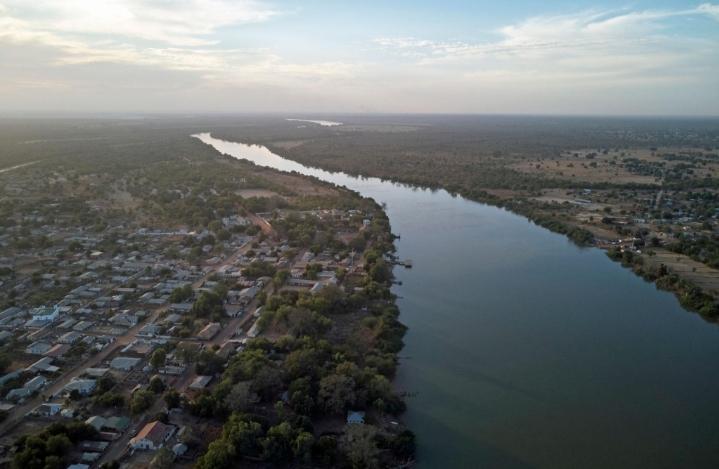
The Gambia is the smallest country on mainland Africa, yet its story is deeply connected to empires, trade, colonial rivalry, and modern democracy. Wrapped around the winding Gambia River and surrounded almost entirely by Senegal, this narrow nation has long been shaped by water, migration, and resilience.
From ancient kingdoms to the transatlantic slave trade, from British rule to peaceful political change, the story of The Gambia is one of endurance and identity built along a river that has carried history for centuries.
The Earliest Settlers
Long before colonial borders existed, the land along the Gambia River was home to early West African communities. Archaeological evidence shows that people lived in the region thousands of years ago, farming millet and sorghum and building small settlements.
The river was central to life. It provided fish, fertile soil, and transportation. Communities grew along its banks, connected by canoe and trade.
One of the most mysterious ancient features of the region is the Senegambian stone circles. These large stone monuments, found across The Gambia and Senegal, date back over a thousand years. Their exact purpose remains debated, but they show that organized societies existed long before European contact.
Part of Great West African Empires
During the medieval period, The Gambia was influenced by powerful West African empires.
The region became part of the Mali Empire in the thirteenth and fourteenth centuries. Under Mali’s rule, trade flourished. Gold, salt, and kola nuts moved across West Africa through caravan routes.
Later, the Songhai Empire extended influence into parts of the region.
Ethnic groups such as the Mandinka, Wolof, Fula, and Jola settled across the land. They developed distinct cultures but shared trade and political connections.
Islam spread gradually through traders and scholars. By the fifteenth century, Islam was widely practiced, especially among ruling elites.
Portuguese Arrival and European Rivalry
In the fifteenth century, Portuguese sailors reached the West African coast. They were among the first Europeans to explore the Gambia River.
The Portuguese traded gold, ivory, and eventually enslaved people. Over time, other European powers entered the region, including the Dutch, French, and British.
The Gambia River became an important route in the transatlantic slave trade. European traders established forts along the riverbanks to capture and transport enslaved Africans to the Americas.
One of the most significant sites from this period is Kunta Kinteh Island, formerly known as James Island. It served as a slave trading post under British control.
British Colonization
By the eighteenth century, Britain gained dominance over the Gambia River trade.
In 1816, the British established Bathurst, now known as Banjul, as a base to suppress the slave trade after it was abolished in the British Empire.
The territory gradually became a British colony known as The Gambia.
Unlike larger colonies, The Gambia was narrow and defined by the river. It remained economically dependent on agriculture, particularly groundnuts.
British rule introduced Western education, infrastructure, and administration. However, political power remained limited for local populations.
The Road to Independence
After World War Two, African nationalist movements spread across the continent. In The Gambia, political leaders began advocating for self rule.
One of the most influential leaders was Dawda Jawara.
On February 18, 1965, The Gambia gained independence from Britain as a constitutional monarchy within the Commonwealth.
In 1970, the country became a republic, with Jawara as its first president.
Political Stability and Change
For nearly three decades, The Gambia experienced relative stability under Jawara’s leadership.
In 1994, a young army officer named Yahya Jammeh led a coup and took power. Jammeh ruled for over twenty years, promising reform but later facing criticism for authoritarian practices.
In 2016, a historic election brought change. Opposition candidate Adama Barrow won the presidency. After initial resistance, Jammeh left the country, marking a peaceful transfer of power supported by regional intervention.
The transition was seen as a positive step toward democratic renewal.
Culture and Identity
The Gambia is home to diverse ethnic groups, including Mandinka, Fula, Wolof, Jola, and Serahule communities.
English is the official language, but local languages are widely spoken.
Music and storytelling remain central to Gambian culture. Griots, traditional oral historians and musicians, preserve history through song and performance.
Islam is the dominant religion, shaping daily life and traditions.
The river continues to define national identity. Fishing villages, rice farms, and markets line its banks.
The Gambia Today
Today, The Gambia focuses on tourism, agriculture, and fishing as key economic sectors.
Its beaches along the Atlantic coast attract visitors, while cultural heritage sites reflect its historical significance.
The country faces challenges such as unemployment and economic vulnerability, but democratic reforms and civic engagement continue shaping its future.
A River That Defines a Nation
From ancient stone circles to medieval empires, from slave forts to independence and democratic renewal, The Gambia’s story flows like the river that gives it life.
Though small in size, it carries a powerful history.
The Gambia proves that a nation does not need vast territory to hold deep heritage.
Along its winding riverbanks, history lives in villages, music, and memory. And like the river itself, The Gambia continues to move forward, shaping its destiny one generation at a time.

Kategoriler
Read More
My name is Amara, and this is the story that taught me that betrayal does not always come from enemies. Sometimes, it sleeps beside you, laughs with you, and calls you “best friend.” Lola and I had been friends for seven years. We met in secondary school and grew together into adulthood. People used to say we were inseparable. We shared secrets, dreams, pains, and even clothes....

Temi Otedola Temiloluwa Elizabeth Otedola, popularly known as Temi Otedola, was born on March 20, 1996, into one of Nigeria’s most prominent business families. She is the daughter of billionaire businessman Femi Otedola and Nana Otedola. Growing up in a household known for wealth, influence, and philanthropy, Temi’s early life was shaped by privilege but also by...

Aigboje Aig-Imoukhuede is a distinguished Nigerian banker, investor, and public sector reform advocate. Best known as the former Group Managing Director and Chief Executive Officer of Access Bank, he played a major role in transforming the institution into one of Nigeria’s leading financial organizations. Early Life and Education Aigboje Aig-Imoukhuede was born on September 24, 1966, in...
Former Nigerian Chief of Army Staff, Lt. Gen. Tukur Yusufu Buratai (Rtd), widely criticized for his record on human rights and crackdown on protesters, has voiced strong concerns about Nigeria’s worsening economic situation under President Bola Tinubu’s administration. Speaking at the 60th birthday celebration of former Rivers State Governor and ex-minister Rotimi Amaechi, Buratai...
Assata Shakur, the Black Liberation Army member long considered one of America’s most wanted fugitives, has died in Cuba at the age of 78, the Cuban Foreign Ministry confirmed Friday. Born Joanne Chesimard, Shakur passed away Thursday in Havana from complications related to her health and advanced age. She had been living in Cuba under political asylum granted in 1984 by then-leader...

