Über
Über
Gabon From Ancient Forest Kingdoms to Oil Wealth and a Quiet Central African Power
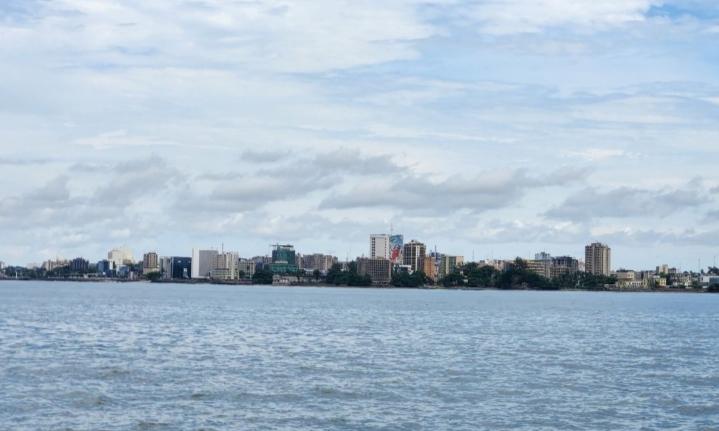
Gabon
Along the western coast of Central Africa, where dense rainforests meet the Atlantic Ocean, lies Gabon. Rich in wildlife, rivers, and natural resources, Gabon’s story moves from early forest communities to European contact, from French colonization to independence and modern transformation. Though often quiet in global headlines, Gabon carries a history shaped by trade, survival, and steady change.
The Earliest Peoples
Long before the name Gabon existed, the region was home to forest dwelling hunter gatherers, often linked to Pygmy groups such as the Babongo. They lived in small communities, relying on hunting, fishing, and gathering deep within the rainforest.
Over time, Bantu speaking peoples migrated into the area from other parts of Central Africa. These migrations, beginning more than a thousand years ago, brought farming, ironworking, and structured clan systems.
Communities cultivated crops such as yam, plantain, and cassava. Rivers such as the Ogooue became lifelines, serving as transportation routes and centers of trade.
Ethnic groups such as the Fang, Myene, and Punu developed distinct cultural identities. Spiritual beliefs centered on ancestors and nature spirits. Art became highly valued, especially carved masks used in ceremonies.
Early Trade and European Contact
In the fifteenth century, Portuguese sailors reached the coast. They named the area Gabao because the shape of the Komo River estuary reminded them of a cloak.
Trade soon developed between Europeans and coastal communities. Ivory, timber, and later enslaved people were exchanged.
While the transatlantic slave trade affected parts of Gabon, it was less extensive than in some West African regions. Coastal settlements grew slowly as contact increased.
French traders gradually replaced Portuguese influence in the area.
French Colonization
In the nineteenth century, France expanded its presence in Central Africa. In 1839, French naval officers signed treaties with local chiefs along the Gabonese coast.
Libreville, meaning free town, was founded in 1849 as a settlement for freed slaves. It later became the capital.
By the late nineteenth century, Gabon was incorporated into French Equatorial Africa alongside Congo, Chad, and the Central African Republic.
Under French rule, the economy focused on timber extraction and later mining. Colonial authorities imposed taxes and labor requirements on local populations.
Infrastructure such as roads and administrative centers were built, but political power remained in French hands.
The Path to Independence
After World War Two, African nationalist movements gained momentum. Political awareness grew in Gabon, and local leaders began advocating for greater autonomy.
One of the most important figures in Gabon’s independence movement was Leon Mba.
On August 17, 1960, Gabon gained independence from France. Leon Mba became the first president.
Gabon chose to maintain close ties with France even after independence. This relationship shaped its political and economic direction.
The Bongo Era
After Leon Mba’s death in 1967, Omar Bongo became president. He would rule for more than four decades, making him one of Africa’s longest serving leaders.
Under Omar Bongo, Gabon discovered and expanded oil production. Oil became the backbone of the economy, bringing significant wealth to the country.
Libreville and other urban areas developed modern infrastructure. However, much of the oil wealth was concentrated among political elites.
After Omar Bongo’s death in 2009, his son Ali Bongo Ondimba became president, continuing the political dominance of the Bongo family.
Natural Wealth and Conservation
Gabon is one of the most forested countries in Africa. Much of its land remains covered by tropical rainforest.
The country is home to elephants, gorillas, and other wildlife. In recent decades, Gabon has taken steps to protect its environment by establishing national parks and promoting conservation.
Oil and manganese mining remain important economic sectors. Timber exports also contribute significantly to revenue.
Despite natural wealth, challenges such as unemployment and inequality persist.
Culture and Identity
Gabonese culture reflects its ethnic diversity. The Fang are the largest group, especially in the north. Other communities maintain strong traditions through music, dance, and ceremonies.
Traditional masks and sculptures from Gabon are highly valued worldwide for their artistic beauty.
French is the official language, but many local languages are widely spoken.
Christianity is the dominant religion, often blended with traditional beliefs.
Gabon Today
Today, Gabon is considered one of Central Africa’s more stable nations, though political tensions and debates about democracy continue.
Its economy depends heavily on oil, making diversification an important goal for the future.
Libreville remains the political and economic center, while Port Gentil serves as a major oil hub.
In 2023, political shifts signaled new changes in leadership, reflecting evolving national dynamics.
A Forest Nation with a Complex Past
From early rainforest communities to Portuguese traders, from French colonization to independence and oil driven growth, Gabon’s story is layered and steady.
It has not experienced the large scale wars seen in some neighboring countries, but it has faced its own political and economic challenges.
Gabon stands today as a country rich in nature and resources, balancing tradition and modern governance.
Its journey shows how geography and natural wealth shape destiny.
In the heart of Central Africa, Gabon continues to write its story beneath the canopy of its vast forests.

Kategorien
Mehr lesen
Peptiden zijn ketens van aminozuren die natuurlijke biologische processen in het lichaam stimuleren, waaronder spiergroei en gewichtsverlies. Peptiden zijn te vinden in veel huidverzorgingsproducten en supplementen, maar hebben nog geen FDA-goedkeuring als geneesmiddel voor menselijk gebruik. Dergelijke supplementen worden vaak verkocht onder het mom van "uitsluitend voor...

Suspended Rivers State Governor Siminalayi Fubara paid a visit to President Bola Tinubu in Lagos on Tuesday, marking a significant development amid the ongoing political crisis in the state. The visit comes months after President Tinubu suspended Fubara, his deputy Ngozi Odu, and members of the Rivers State House of Assembly over a deepening political standoff. The crisis, rooted in a power...

Fave Fave, whose real name is GodsFavour Chidozie, is a Nigerian singer and songwriter known for her soulful voice, emotional honesty, and fresh Afro fusion sound. Born on March 13, 2000, in Lagos State, Nigeria, Fave has quickly risen to become one of the most promising female voices in the Nigerian music industry. Raised in Lagos, Fave grew up in a supportive Christian...
NEWSPAPER HEADLINES FOR MONDAY 7TH JULY 2025 PUNCH Katsina mobilises relief effort as flood ravages community Forest guards can’t fight AK-47-wielding terrorists with Dane guns – Alia 2027: Coalition crisis brews as ADC chairmen set terms for alliance Enugu sacks contractor over poor school construction Otu hails Tinubu’s reforms, rallies South-South support for 2027 My...

ON THE WHEEL I FELL AGAIN Chapter 1 Ifeoluwa’s POV Life has been hard for me and my younger sister, Eniola, ever since our parents died. The world suddenly became cold and heavy, like a burden placed on my shoulders overnight. I became everything to her — a sister, a mother, a father, and a protector. Every morning I wake up before the sun rises, not because I want to,...