About
About
Eswatini The Mountain Kingdom of Tradition Royalty and Enduring Identity
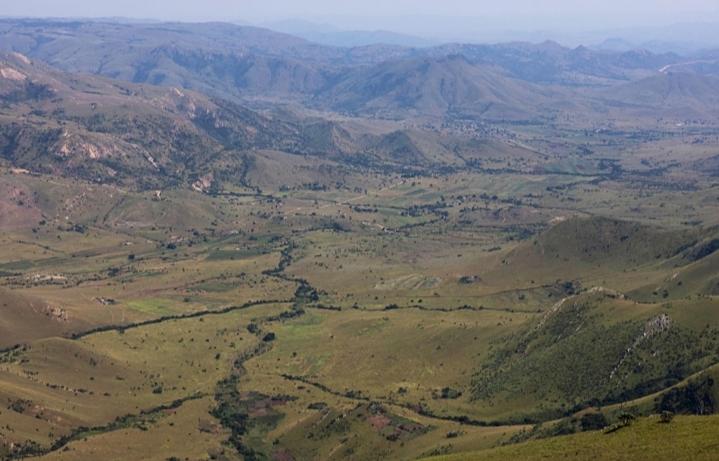
Eswatini
Eswatini, formerly known as Swaziland, is one of Africa’s smallest countries, yet its cultural pride and royal traditions run deep. Nestled between South Africa and Mozambique, this landlocked kingdom has preserved one of the continent’s last absolute monarchies. From early Bantu migrations to colonial agreements and modern reform debates, Eswatini’s story is one of unity, survival, and strong cultural roots.
The Earliest Peoples
Long before it was called Eswatini, the region was home to early hunter gatherer communities related to the San people. They lived by hunting, gathering, and moving across the hills and valleys of southern Africa.
Around the first millennium, Bantu speaking groups migrated southward into the region. They brought cattle herding, farming, and ironworking. Over centuries, smaller chiefdoms formed across the fertile valleys and highlands.
Cattle became central to life. They were symbols of wealth, marriage, and power. Social organization revolved around clans, elders, and chiefs.
The Rise of the Swazi Nation
The Swazi people emerged as a distinct group in the eighteenth century. Their origins trace back to Nguni speaking groups who migrated from the north.
One of the most important early leaders was King Ngwane III, who established the foundations of the Swazi kingdom in the mid eighteenth century. The name Eswatini literally means land of the Swazi.
In the early nineteenth century, during a period of upheaval in southern Africa known as the Mfecane, strong leadership was crucial. King Sobhuza I consolidated power and strengthened the Swazi state. He organized regiments and defended the kingdom from outside threats.
Swazi kings ruled with the support of councils and traditional structures. The monarchy became the center of political and spiritual life.
Encounters with Europeans
In the nineteenth century, European settlers, traders, and missionaries began entering southern Africa. Swazi leaders negotiated carefully with both Boer settlers and the British.
Land concessions and treaties were signed, sometimes under pressure. The kingdom’s territory gradually shrank as European influence grew.
By the late nineteenth century, Eswatini became a British protectorate. Unlike many African territories, it was not heavily settled by Europeans, but British authority shaped political and economic structures.
British Protectorate Era
Under British rule, Swaziland, as it was then called, maintained a degree of traditional governance through the monarchy. However, real power rested with colonial administrators.
The economy developed around agriculture and mining. Many Swazi men worked in South African mines to earn income.
Despite colonial control, Swazi culture and royal traditions remained strong. The monarchy continued to hold symbolic and social authority.
The Road to Independence
After World War Two, African independence movements spread across the continent. In Swaziland, political awareness increased.
King Sobhuza II became a central figure in the transition toward independence. He had been installed as king as a child in 1921 and became one of the longest reigning monarchs in the world.
On September 6, 1968, Swaziland gained independence from Britain. Sobhuza II became head of state in the newly independent kingdom.
A Unique Political Path
In 1973, King Sobhuza II dissolved the constitution and banned political parties, declaring a system based on traditional Swazi governance.
After his death in 1982, the country experienced a regency period before King Mswati III ascended the throne in 1986.
Eswatini continued as an absolute monarchy, with the king holding significant executive authority. The political system blends traditional structures with modern administration.
In 2018, King Mswati III officially changed the country’s name from Swaziland to Eswatini, restoring its pre colonial name.
Culture and Royal Tradition
Eswatini is widely known for its vibrant cultural ceremonies. One of the most famous is the Umhlanga Reed Dance, where thousands of young women gather annually to celebrate culture and unity.
The Incwala ceremony, often called the first fruits ceremony, is another major royal ritual marking renewal and national identity.
Traditional dress, beadwork, music, and dance remain central to Swazi life.
English and siSwati are official languages, and Christianity coexists with traditional beliefs.
Modern Challenges and Development
Today, Eswatini faces economic challenges, including high unemployment and reliance on neighboring South Africa.
The country has also been affected by the HIV epidemic, though significant efforts have been made to improve healthcare and awareness.
In recent years, calls for political reform and greater democratic participation have emerged. Protests and debates reflect ongoing discussions about the future of governance.
Despite challenges, Eswatini remains deeply connected to its cultural heritage and monarchy.
A Kingdom of Identity and Continuity
From early Nguni migrations to the rise of King Ngwane III, from British protection to independence under King Sobhuza II, Eswatini’s history is shaped by strong leadership and cultural preservation.
It stands today as one of Africa’s last absolute monarchies, balancing tradition with modern pressures.
Eswatini’s story is not one of conquest or vast empires, but of unity, survival, and pride in identity.
In its green valleys and royal villages, the spirit of the Swazi nation continues to live, guided by tradition and shaped by change.


Categorie
Leggi tutto
Nigerian music sensation Rema has just made Afrobeats history! His iconic album, Rave & Roses Ultra, has officially crossed a jaw-dropping 3 billion streams on YouTube Music — the first African album to ever hit that milestone. Released as a deluxe version of his 2022 breakout album Rave & Roses, the Ultra edition delivered global hits like “Calm Down (Remix)”...

Rasaki Music Group Rasaki Music Group is more than just a record label. It is a story of hustle, street loyalty, ambition, and the burning desire to create something bigger than yourself. To understand Rasaki Music Group, you must first understand the young dreamer who built it from almost nothing — L.A.X. The Beginning of a Dream Before Rasaki became a recognized brand in...

Johnson Suleman Johnson Suleman is a Nigerian televangelist and pastor best known as the senior pastor and general overseer of Omega Fire Ministries International, with its headquarters in Auchi, Edo State. He is also linked to Celebration TV and is one of the most visible Pentecostal preachers associated with Nigeria. Early Life and Background Johnson Suleman was born Johnson Sule on 24...

Seun Egbegbe Seun Egbegbe is a Nigerian film producer, entrepreneur, and former talent manager known for his involvement in the Yoruba Nollywood industry. He gained public attention both for his work in entertainment and for legal controversies that made headlines in Nigeria. Early Life and Background Seun Egbegbe was born and raised in Lagos State, Nigeria. He developed an interest...
Toyin Lawani Toyin Lawani is a Nigerian fashion designer, entrepreneur, stylist, and CEO of Tiannah Styling. She is widely known for her bold creativity, unique fashion concepts, and strong influence in Nigeria’s fashion and entertainment industry. Early Life and Background Toyin Lawani was born on March 1, 1982, in Lagos State, Nigeria. She comes from a royal family in...