О нас
О нас
Niniola The Afro House Queen Who Turned Rhythm Into Identity
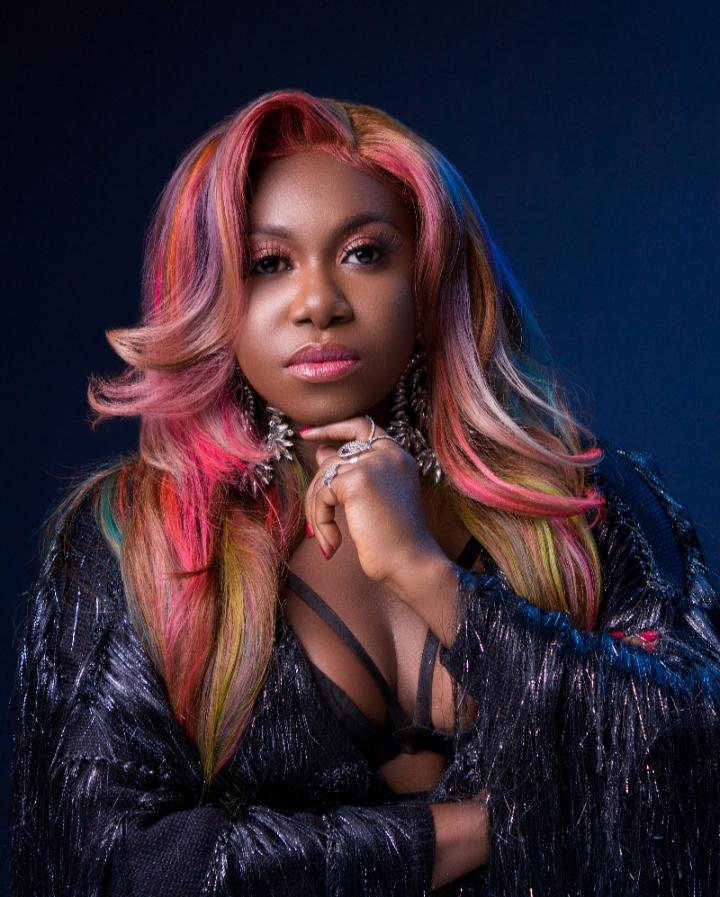
Niniola Apata
Before the thumping Afro house beats, before international DJs remixed her vocals, and before she became known as the Queen of Afro House in Nigeria, there was a young girl in Lagos who sang to escape silence. The world knows her as Niniola — bold, energetic, rhythm-driven. But her story begins with Niniola Apata, a determined child who grew through grief and built her identity on sound.
Born on December 15, 1986, in Lagos State, Nigeria, Niniola grew up in a family that understood both influence and loss. Her father, Simeon Apata, was a respected businessman and political figure. But tragedy struck when she was still young. Her father was assassinated, leaving the family to navigate life without his guidance.
The loss was heavy.
It shaped her strength.
It deepened her emotion.
And without fully realizing it at the time, it prepared her voice to carry feeling.
A Childhood Filled With Melody
Growing up in Lagos, Niniola was surrounded by diverse music — highlife, fuji, Afrobeat, church hymns, and international pop. Lagos was vibrant, and so was her personality.
From early childhood, she loved to sing. She sang in school events, church programs, and family gatherings. Music was not a distant dream. It was daily expression.
Her younger sister, Teni, would later become a major Afrobeats star as well. But in those early years, they were simply two sisters navigating life through creativity.
Niniola’s voice was strong and textured even as a teenager. Teachers noticed her ability to command attention without trying too hard.
Education and Persistence
Despite her passion for music, Niniola pursued academics seriously. She attended the University of Lagos, where she studied Education.
University life exposed her to broader social circles and creative communities. She began performing more publicly, gaining confidence in larger spaces.
But the music industry is not kind to beginners.
Her early career was marked by rejection and waiting.
She auditioned for the reality show Project Fame West Africa in 2013. Though she did not win, she reached the top three finalists. That platform gave her visibility.
She was no longer anonymous.
Finding Her Sound
After Project Fame, Niniola faced a critical choice. Should she follow mainstream pop trends or build something distinct?
She chose distinct.
While Afrobeats leaned toward mid-tempo rhythms and radio-friendly melodies, Niniola leaned into Afro house — a dance-driven genre blending African rhythms with house music energy.
It was risky.
Afro house was not mainstream in Nigeria at the time.
But she believed in rhythm.
The Maradona Moment
In 2017, Niniola released “Maradona.”
The song exploded.
Its infectious beat and hypnotic hook made it a club anthem. DJs embraced it. Dance floors vibrated to it.
International artists took notice. The song was later sampled by global superstar Drake, bringing even wider recognition to her sound.
“Maradona” was more than a hit.
It was validation.
Niniola had carved her own lane.
Afro House Queen
Following the success of “Maradona,” Niniola released more dance-driven tracks like “Sicker” and “Bana.”
Her debut album “This Is Me” showcased her versatility — mixing Afro house energy with emotional storytelling.
Unlike many artists chasing chart trends, she remained committed to dance rhythms.
Her stage performances are electric.
She dances as much as she sings.
She turns concerts into festivals.
Global Recognition
Niniola’s Afro house sound resonated beyond Nigeria. South African DJs embraced her. European clubs played her tracks.
She became a bridge between Nigerian Afrobeats and global dance music culture.
Her second album “Colours and Sounds” expanded her sonic palette while retaining rhythmic core.
She collaborated with African and international artists, strengthening cross-border influence.
Personal Identity and Image
Niniola is known for bold fashion — colorful, vibrant, confident.
She embodies movement.
Her personality blends confidence with grounded humility.
Though often compared to her sister Teni, she maintains separate artistic identity.
Their bond remains strong, but their styles differ significantly.
Challenges and Industry Pressure
Breaking into a male-dominated industry is never simple.
Niniola faced skepticism.
Some doubted Afro house’s commercial viability.
But she persisted.
She focused on consistency rather than quick fame.
Over time, respect followed.
Emotional Depth
Behind the dance energy lies emotional vulnerability. Losing her father at a young age instilled resilience. She channels personal experiences into her music.
Her songs often explore love, independence, and empowerment.
She writes from lived experience.
Influence on Nigerian Dance Music
Niniola helped mainstream Afro house in Nigeria.
Today, more artists experiment with dance-driven rhythms partly because she proved its commercial potential.
She expanded genre boundaries.
Legacy in Motion
Niniola Apata’s story reflects courage.
From a fatherless girl in Lagos navigating grief to an Afro house pioneer commanding global dance floors, her journey is layered.
She did not imitate.
She innovated.
She did not chase trends.
She created momentum.
Her voice carries rhythm.
Her rhythm carries culture.
And as long as African dance music evolves, her name will remain foundational.
Niniola is not just a singer.
She is a movement in motion.
A queen of rhythm.
A reminder that daring to be different is sometimes the only way to lead.


Категории
Больше
It was 8:47 p.m. that dangerous Nigerian time when NEPA had just taken light without notice and mosquitoes were flying around like they had scheduled an emergency meeting with no chairman. The streetlights blinked weakly, dogs barked at shadows, and the road had that eerie silence that made every footstep sound like a drumbeat. Blessing was walking fast-fast. Not strolling....
Doris Simeon Doris Simeon is a Nigerian actress, television personality, compere, and entrepreneur known for her roles in both English and Yoruba Nollywood movies. She was born on July 22, 1979, in Lagos State, Nigeria. Although she was born and raised in Lagos, Doris Simeon has roots in the Yoruba ethnic group of southwestern Nigeria. Growing up in Lagos exposed her to a diverse...

Microsoft has announced the successful takedown of nearly 340 phishing websites tied to a cybercrime service known as Raccoon0365, which enabled large-scale credential theft campaigns targeting Microsoft users. In a statement signed by Steven Masada, Assistant General Counsel for Microsoft’s Digital Crimes Unit (DCU), the company revealed that it obtained an order from the U.S. District...

He Almost Said Nothing Emeka was never good with words. Not the sweet kind. Not the deep kind. Not the kind that makes someone stop… and feel something. He cared, yes. He loved, deeply. But saying it? That was always the problem. For months, Amara had been patient. She stayed. She supported. She believed in him even when he didn’t say much. But slowly… something...

Ayinla Omowura: The Apala Legend Whose Voice Echoed Beyond His Time Introduction Ayinla Omowura was one of the most influential and controversial figures in the history of Nigerian Apala music. His voice carried the spirit of the streets, the rhythm of Islamic praise traditions, and the bold defiance of a man who refused to soften his personality for anyone. He was admired, feared,...