About
About
THE EDO CULTURE
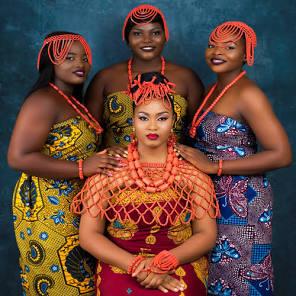
The Edo Culture
The Edo culture is one of the oldest and most distinguished cultural traditions in Nigeria, rooted in the historic kingdom of Benin in present-day Benin City. The Edo people, primarily found in Edo State, are known for their rich history, artistic excellence, royal heritage, and deep respect for tradition. Their culture reflects centuries of organized governance, spiritual beliefs, and artistic mastery that continue to influence modern Nigeria.
Historical Background
The foundation of Edo culture is closely tied to the ancient Benin Kingdom, which dates back to around the 11th century. The kingdom became one of the most powerful and sophisticated empires in West Africa. It was ruled by the Oba (king), a highly revered monarch regarded as both a political and spiritual leader. The Oba’s palace in Benin City remains a central symbol of Edo identity and authority.
The Edo people developed a well-structured political system long before colonial rule. Chiefs and palace officials assisted the Oba in governance, ensuring order and stability. This organized system made the kingdom strong in trade, diplomacy, and military power.
Art and Craftsmanship
Edo culture is globally celebrated for its extraordinary artwork, especially the famous Benin Bronzes. These bronze and brass sculptures, plaques, and ivory carvings were created by skilled guilds of artisans. The artworks often depict royal ceremonies, historical events, and court life, preserving Edo history visually.
The bronze casting technique used by Edo craftsmen, known as the lost-wax method, demonstrated advanced technological knowledge. Today, Edo art is displayed in major museums around the world, symbolizing Africa’s rich artistic heritage.
Religion and Beliefs
Traditional Edo religion centers on the worship of Osanobua (the Supreme God) and various deities and ancestral spirits. Ancestors play a vital role in Edo spirituality, as families honor them through rituals and shrines. Festivals such as the Igue Festival are celebrated annually to renew the Oba’s spiritual strength and bless the land.
Although Christianity and Islam are now widely practiced among the Edo people, traditional beliefs still influence cultural ceremonies and community values.
Festivals and Ceremonies
Festivals are an important part of Edo culture. The Igue Festival, held in Benin City, is one of the most significant celebrations. It involves royal rituals, dances, prayers, and colorful traditional attire. Traditional weddings in Edo culture are also elaborate, featuring symbolic rites, family negotiations, and vibrant clothing, particularly coral beads worn by brides and chiefs.
Language and Social Life
The Edo language (also known as Bini) is widely spoken among the people. Respect for elders, strong family ties, and communal living are central values. Greetings are important in Edo society, and younger individuals are expected to show humility and courtesy.
Edo culture stands as a powerful symbol of African heritage, resilience, and creativity. From its royal monarchy to its world-renowned art and vibrant festivals, the Edo people have preserved their traditions for generations. Today, despite modernization, the spirit of the Benin Kingdom continues to shape the identity and pride of the Edo people in Nigeria and beyond.

Categorii
Citeste mai mult
Tunde Folawiyo Tunde Folawiyo is not known for loud interviews or flashy publicity. He belongs to a class of businessmen who operate quietly while controlling massive assets behind the scenes. His journey is rooted in legacy, discipline, and strategic expansion within Nigeria’s oil and gas sector. Born into one of Nigeria’s most established business families, Tunde...

Seyi Shay Seyi Shay is a Nigerian singer, songwriter, actress, and television personality known for her powerful vocals, international background, and contribution to the growth of Afrobeats. With a career spanning over a decade, she has built a reputation as one of Nigeria’s most versatile female artists. Early Life and Background Seyi Shay was born Deborah...

Every year, June 12 stands out as a date filled with historical weight and global significance. In Nigeria, June 12 is observed as Democracy Day, honoring the pivotal 1993 presidential election believed to be the freest and fairest in the country’s history. Though the presumed winner, Chief Moshood Kashimawo Abiola (MKO Abiola), was never sworn into office, the day symbolizes the...
Ken Saro-Wiwa Some men fight with weapons. Others fight with words. The life of Ken Saro-Wiwa was a testament to the power of language in the face of oppression. He was a writer, businessman, television producer, and environmental activist. But above all, he was a voice for his people. That voice would echo so loudly that a military regime felt threatened enough to silence it. Yet even after...

Mr Eazi Mr Eazi was never just chasing fame. Long before the world knew his name, before global tours, international deals, and billion stream conversations, he was a young boy observing the world around him and thinking beyond music. His journey is not simply about becoming a star. It is about vision, patience, culture, and building systems that outlive applause. The Boy From Port...