


 About
About
PEJU OGUMOLA: Nigerian Actress
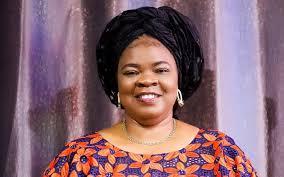
Peju Ogunmola
Peju Ogunmola is a respected Nigerian actress known for her contributions to Yoruba theatre and the early development of Nollywood. Born into a family deeply rooted in the performing arts, she grew up surrounded by stage lights, rehearsals, costumes, and the rich cultural rhythms of traditional Yoruba storytelling. Her father, the legendary dramatist Hubert Ogunde, was one of Nigeria’s foremost theatre pioneers. Being raised in such an environment naturally shaped her passion for acting and performance from a very young age.
Growing up in a theatrical household meant that Peju Ogunmola was exposed early to the discipline and dedication required in the performing arts. Hubert Ogunde’s theatre company was one of the most influential traveling theatre troupes in Nigeria during the 1950s and 1960s. As a child, Peju watched rehearsals, absorbed scripts, and observed how stories rooted in Yoruba culture were brought to life on stage. This immersive environment served as her informal acting school.
Peju eventually joined her father’s theatre group, where she began performing in stage plays. The traveling theatre tradition required actors to be versatile. They needed to sing, dance, memorize lengthy scripts, and adapt quickly to live audiences. These experiences helped Peju develop strong stage presence and confidence. Performing before diverse audiences across different regions of Nigeria strengthened her ability to connect emotionally with viewers.
As the Nigerian film industry began transitioning from stage drama to home video productions in the late 1980s and early 1990s, Peju Ogunmola successfully made the shift. Many actors from the traveling theatre era struggled with this transition, but her grounding in performance and storytelling allowed her to adapt smoothly. She became known for portraying strong, mature female characters often mothers, community elders, or influential women within traditional settings.
Her acting style is characterized by emotional depth, clarity of dialogue delivery, and a natural command of the Yoruba language. Unlike exaggerated stage performances, which were common in early theatre traditions, Peju adjusted her style to suit the camera. This adaptability contributed to her continued relevance as Nollywood evolved.
Peju Ogunmola appeared in several Yoruba-language films that gained popularity in southwestern Nigeria. Though not as widely publicized internationally as some modern Nollywood stars, her influence within the Yoruba film circuit remains significant. She became especially known for roles that emphasized moral lessons, family values, and the complexities of traditional society. Her performances often reflected themes of motherhood, sacrifice, cultural identity, and resilience.
Beyond acting, Peju Ogunmola is recognized as part of a theatrical lineage that helped lay the foundation for contemporary Nigerian cinema. The contributions of her father, Hubert Ogunde, and his contemporaries created the structure upon which Nollywood later thrived. Being part of that legacy places Peju among the second generation of performers who bridged traditional stage drama and modern film.
Her career also reflects the broader evolution of Yoruba drama from open-air traveling theatre to cinema halls and eventually to home video and digital streaming platforms. This journey highlights not just personal growth but also the transformation of Nigeria’s entertainment industry over decades.
In addition to her professional achievements, Peju Ogunmola is respected within the entertainment community for maintaining dignity and cultural authenticity in her work. She represents an era when storytelling was deeply intertwined with tradition, music, proverbs, and community engagement. Many younger actors regard pioneers like her as custodians of Yoruba dramatic heritage.
While she has maintained a relatively private personal life, her public image remains that of a seasoned actress who values cultural preservation. Unlike some contemporary celebrities driven by media visibility, Peju’s reputation has been built primarily on her body of work and the respect she commands among peers.
Her journey demonstrates the power of artistic inheritance combined with personal dedication. Being the daughter of a theatre legend may have opened doors, but sustaining a career in the competitive entertainment industry required talent, resilience, and adaptability. Peju Ogunmola successfully carved out her own identity while honoring her father’s legacy.
Today, she is remembered as one of the important figures in Yoruba theatre and film history. Her contributions form part of the cultural bridge between Nigeria’s traditional performance heritage and its thriving modern film industry. Through decades of change, Peju Ogunmola has remained a symbol of continuity, culture, and commitment to the art of storytelling.
In summary, Peju Ogunmola’s biography is not just the story of an actress, but the story of a generational legacy in Nigerian theatre. From the traveling stage productions of her father’s era to the evolution of Nollywood, she has been part of a transformative journey in African entertainment. Her life and career reflect dedication to culture, resilience in changing times, and a lasting impact on Yoruba dramatic arts.

Categories
Read More
Samson Itodo, Director of Yiaga Africa, has urged Nigerian youths to embrace a value-based and performance-driven approach to politics. Speaking during Channels TV’s special programme on President Tinubu’s second anniversary, Itodo stressed that youth leadership must reflect substance, not just numbers. He criticized Nigeria's prevailing political culture, saying it lacks the values...

The Federal Government has announced plans to transition the Nigerian Civil Service to a fully paperless system by the end of 2025. This was disclosed by the Head of the Civil Service of the Federation, Dr. Didi Esther Walson-Jack, during a press briefing in Abuja on Wednesday as part of events marking the 2025 African Public Service Day and Civil Service Week. Dr. Walson-Jack said the...
Tiwa Savage is one of Africa’s most influential female music artists and a leading figure in the global rise of Afrobeats. Known for her powerful vocals, stage presence, and bold personality, she has become a symbol of female success in a male dominated industry. Early Life and Education Tiwa Savage was born Tiwatope Omolara Savage on February 5, 1980, in Isale Eko, Lagos, Nigeria. She...

Delta APC endorses Tinubu, Oborevwori for 2027 re-elections. The All Progressives Congress in Delta Central Senatorial District has thrown its weight behind the re-election bids of President Bola Tinubu and Delta State Governor, Sheriff Oborevwori, ahead of the 2027 general elections. The endorsement came on Sunday during a Unity Meeting of party leaders and faithful, held in Ughelli,...

Iran’s parliament has voted in favour of closing the Strait of Hormuz, a critical global oil route, following a series of U.S. airstrikes on key Iranian nuclear facilities. The decision, reported by The Telegraph, marks a sharp escalation in tensions between Tehran and Washington. The Strait of Hormuz handles roughly 20% of global oil and gas shipments and serves as a vital passageway for...

