


 Sobre
Sobre
Nigeria’s Leaders: The Story of Power From 1960 Till Today
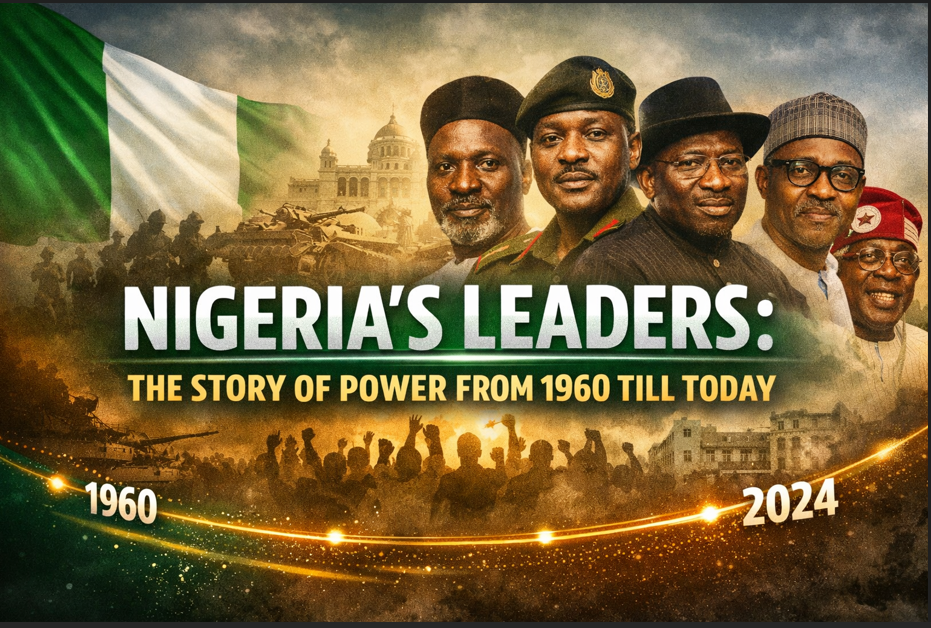
Nigeria’s leadership story begins on 1 October 1960, the day the green-white-green flag rose as an independent nation. But freedom did not arrive as a perfect finished house. It arrived like a new building—strong dreams, unfinished rooms, and a country learning, year by year, how to carry its own weight.
1960: Independence Day, and a nation finding its feet
On 1 October 1960, Nigeria became independent. Yet Nigeria was not a republic at first. The Head of State was still Queen Elizabeth II (1 Oct 1960–1 Oct 1963), represented in Nigeria by a Governor-General.
That Governor-General was Nnamdi Azikiwe (16 Nov 1960–1 Oct 1963), a respected nationalist who stood as the ceremonial face of the new country.
But the man handling the daily business of government—the one truly steering policy and decisions—was Abubakar Tafawa Balewa, Nigeria’s Prime Minister (1 Oct 1960–15 Jan 1966). In those early years, Nigeria was like a young adult: proud, ambitious, but still trying to understand itself.
1963: Nigeria becomes a Republic
On 1 October 1963, Nigeria made a bold statement: “We are fully in charge.” The country became a Republic, and the position of President replaced the Governor-General.
Nnamdi Azikiwe now became President of the First Republic (1 Oct 1963–16 Jan 1966). It was a moment of symbolism and pride—Nigeria stepping fully into its own identity.
1966: The first major rupture
Then came the tremor that changed everything. On 16 January 1966, a military takeover ended the First Republic.
Johnson Aguiyi-Ironsi became Head of State (16 Jan 1966–29 Jul 1966). His time was short, but the impact was lasting. By 29 July 1966, Nigeria changed hands again.
1966–1975: The long Gowon era
After Ironsi, Yakubu Gowon took power (1 Aug 1966–29 Jul 1975). This became one of Nigeria’s longest military eras. It was a period when the country faced deep national trials, and governance felt like holding a fragile glass cup while walking on rough stones.
1975–1979: Quick change, then a civilian handover
In 1975, power shifted again. Murtala R. Mohammed took over (29 Jul 1975–13 Feb 1976) and became known for bold action and speed. But his rule ended suddenly when he was assassinated.
After him, Olusegun Obasanjo became military Head of State (13 Feb 1976–1 Oct 1979) and completed the transition back to civilian rule. For Nigerians, it felt like a door had opened again.
1979–1983: The Second Republic rises, then falls
On 1 October 1979, Nigeria returned to democracy with Shehu Shagari as President (1 Oct 1979–31 Dec 1983). It was the Second Republic—another chance to build a stable civilian system.
But on 31 December 1983, that experiment collapsed again under military takeover.
1983–1993: Military rule returns, stronger than before
Muhammadu Buhari became Head of State (31 Dec 1983–27 Aug 1985).
Then Ibrahim Babangida took over (27 Aug 1985–26 Aug 1993), ruling for eight years. It was an era that shaped Nigeria’s politics, economy, and public debate in ways people still argue about today.
1993: A short bridge that didn’t hold
After Babangida stepped aside, Ernest Shonekan led an interim government (26 Aug 1993–17 Nov 1993). But Nigeria was unstable, and the bridge was too weak. The interim government did not last long.
1993–1998: Abacha’s era
On 17 November 1993, Sani Abacha took power (17 Nov 1993–8 Jun 1998). It became one of the most intense and controversial periods in Nigeria’s modern history. His death in 1998 opened the door to change.
1998–1999: The transition that brought democracy back
Abdulsalami Abubakar became Head of State (9 Jun 1998–29 May 1999). Under him, Nigeria moved quickly toward elections. Then, on 29 May 1999, power returned to civilians and the Fourth Republic began.
1999–Present: The Fourth Republic
Nigeria’s democratic era has continued since 1999, with leadership changing through elections and constitutional succession:
-
Olusegun Obasanjo — President — 29 May 1999–29 May 2007
-
Umaru Musa Yar’Adua — President — 29 May 2007–5 May 2010
-
Goodluck Ebele Jonathan — President — 6 May 2010–29 May 2015
-
Muhammadu Buhari — President — 29 May 2015–29 May 2023
-
Bola Ahmed Tinubu — President — 29 May 2023–Present
Nigeria’s story is not just a list of names. It is a tale of a nation repeatedly trying to find the right balance—between order and freedom, authority and democracy, promises and reality.

Categorias
Leia Mais
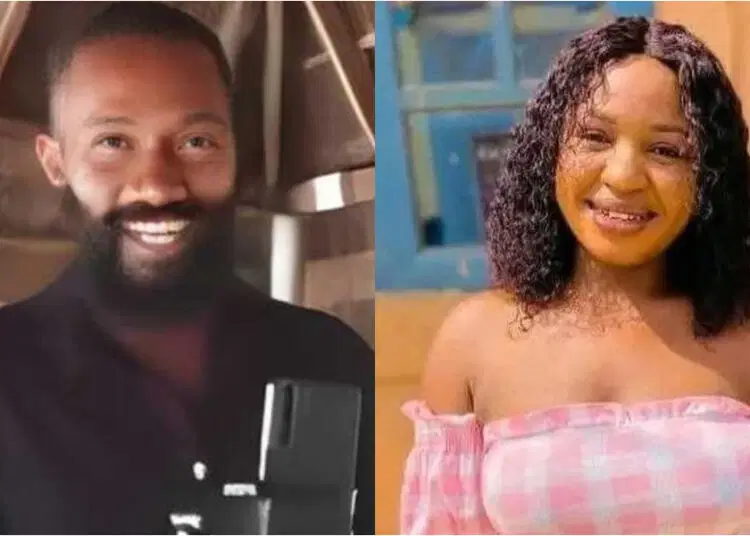
Just In: Gospel singer sentenced to death for killing girlfriend Salome Adaidu. The High Court in Lafia, Nasarawa State, has sentenced gospel musician Oluwatimileyin Ajayi to death by hanging for the murder of his girlfriend, Salome Adaidu. Justice Simon Aboki on Thursday found Ajayi guilty of culpable homicide after months of trial. Ajayi was convicted under Section 221 of the Penal...
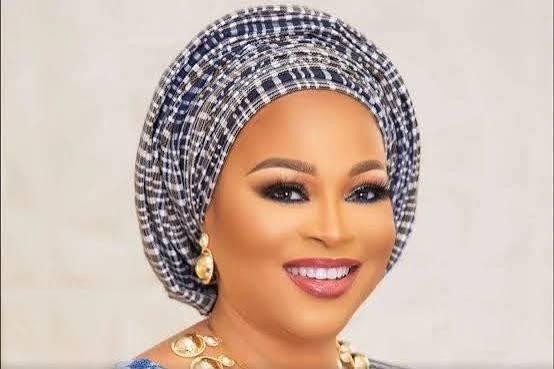
Bukky Wright Bukky Wright is one of Nollywood’s most respected and enduring actresses, known for her grace, versatility, and powerful screen presence. Born Oluwabukola Sekinat Ajoke Wright in Abeokuta, Ogun State, Nigeria, she grew up in a culturally rich Yoruba environment that would later shape her acting career. From a young age, Bukky displayed a deep interest in storytelling...
The global business landscape is undergoing a massive shift toward modernization. As organizations seek to remain competitive in an era defined by cloud computing and rapid software deployment, the Application Transformation Market has emerged as a critical pillar of digital strategy. By 2031, this market is projected to witness substantial growth, driven by the need to migrate legacy systems...

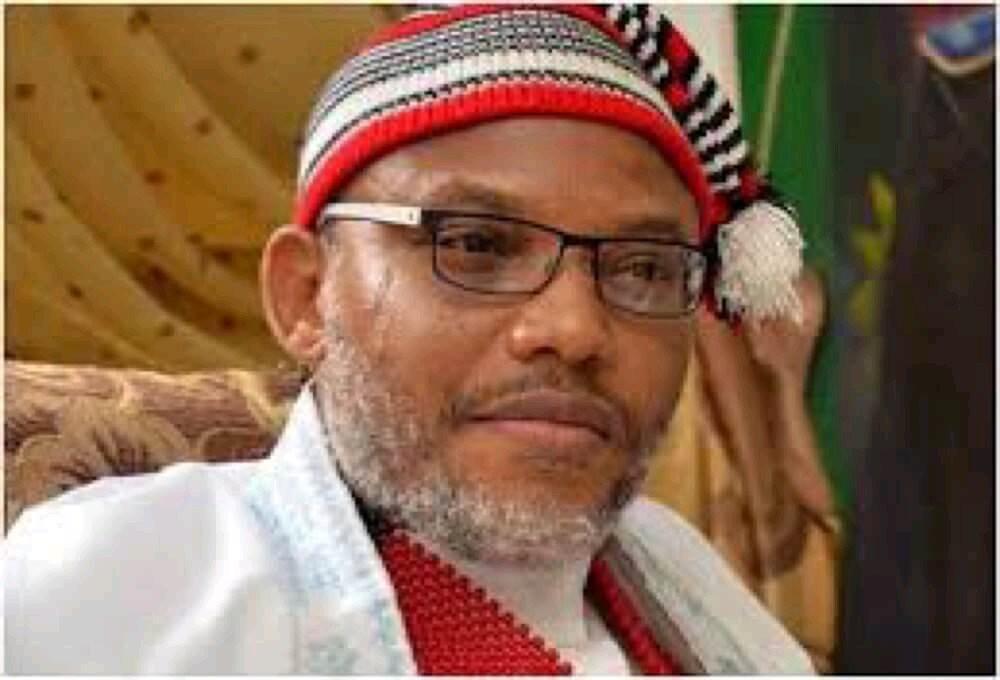
A High Court in Nairobi, Kenya, has declared the abduction and transfer of the leader of the Indigenous People of Biafra (IPOB), Mazi Nnamdi Kanu, from Kenya to Nigeria in June 2021 as illegal and a gross violation of his fundamental rights. In a landmark judgment delivered by Justice E.C. Mwita on June 24, in documents obtained by THE WHISTLER on Friday, the court ruled that the Kenyan...
My name is Amara, and this is the story that taught me that betrayal does not always come from enemies. Sometimes, it sleeps beside you, laughs with you, and calls you “best friend.” Lola and I had been friends for seven years. We met in secondary school and grew together into adulthood. People used to say we were inseparable. We shared secrets, dreams, pains, and even clothes....

