About
About
Ibrahim Traoré: The Young Sahel Leader Shaping Burkina Faso’s New Direction
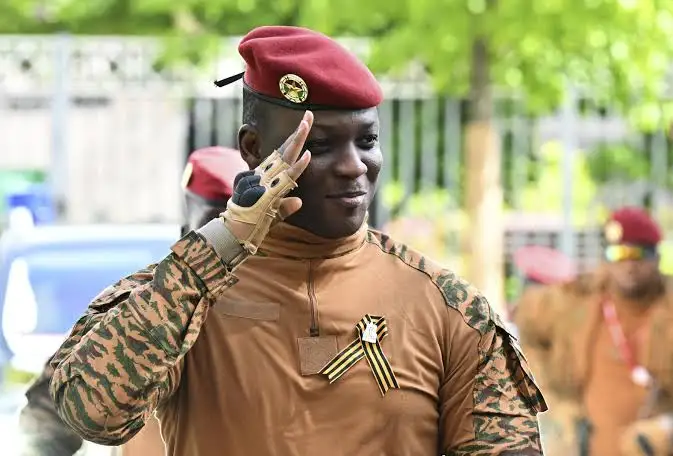
In Burkina Faso, there was a time when people spoke about their country with tired eyes.
Not because they didn’t love it, but because it felt like the nation was being pulled in too many directions at once. Insecurity. Poverty. Anger. And that old, bitter feeling that the big decisions were always influenced by outsiders.
Then a young captain stepped into the storm.
His name was Ibrahim Traoré.
He didn’t arrive with fancy grammar or long political packaging. He arrived with the voice of a soldier and the confidence of someone who believed the Sahel had been mocked for too long. And when he took power in September 2022, many ordinary people didn’t treat it like just another coup headline.
To them, it felt like a message.
A message that said: “Enough.”
The day Burkina Faso chose to cut a rope
One of the loudest moments in Traoré’s story came when Burkina Faso’s military authorities announced they were ending the military accord that allowed French troops to operate in the country, and asked France to withdraw its forces within a month.
For supporters, that wasn’t just politics.
It was symbolism.
It was like watching a man stand up from a chair he had been forced to sit on for decades and say, “We will defend ourselves. We will decide for ourselves.” (That “self-defence” line is also how Burkina Faso’s government framed it publicly.)
They called it a break from “colonial control.” They celebrated it as the beginning of a new chapter—one where Burkina Faso would no longer move only when France nodded.
“Self-reliance” became the slogan—and the mission
After that, Traoré’s image grew fast across Africa—especially online—because he didn’t only talk about security and sovereignty. His government also pushed a message of self-reliance, including efforts framed around boosting local production and reducing dependence on imports, especially in agriculture.
To his supporters, this was the real point:
Not just removing foreign influence…
But building a country that can feed itself, work for itself, and stand for itself.
A leader people project their hope onto
This is why many people—inside Burkina Faso and across Africa—talk about Traoré like he’s the kind of leader they’ve been waiting for: young, bold, and speaking the language of dignity.
They see a man trying to turn Burkina Faso from a place that “depends” into a place that “produces.”
And when a people are hungry for pride, the leader who speaks pride will always sound like water.
The story is still writing itself
At the same time, the country’s transition timeline has been extended—Burkina Faso’s national dialogue approved an extension of the military-led transition by 60 months from July 2, 2024, which would keep the junta in power longer.
Supporters argue it’s because the country must stabilize first.
Critics argue it risks delaying civilian rule.
But either way, Traoré’s story remains one of the most emotional in West Africa right now—because it sits at the crossroads of two African dreams:
Freedom from external control
and
a functioning, secure, prosperous state
For the people who believe in him, Ibrahim Traoré is not just a president.
He is a signal.
A signal that the Sahel is tired of being managed—and ready to manage itself.


Categorie
Leggi tutto
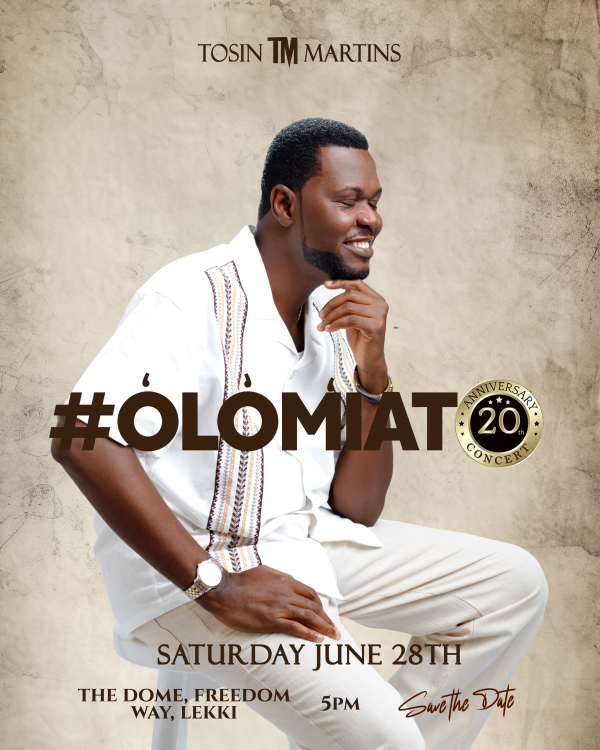
Mark your calendars! The OloMiAt20 Anniversary Concert is set to light up Lagos on June 28, 2025, celebrating two decades of timeless music and love. With a ticket price of just ₦10,000, fans will experience an unforgettable evening filled with nostalgic hits, powerful performances, and special appearances. Whether you’ve danced to “Olomi” from day one or just discovered its...
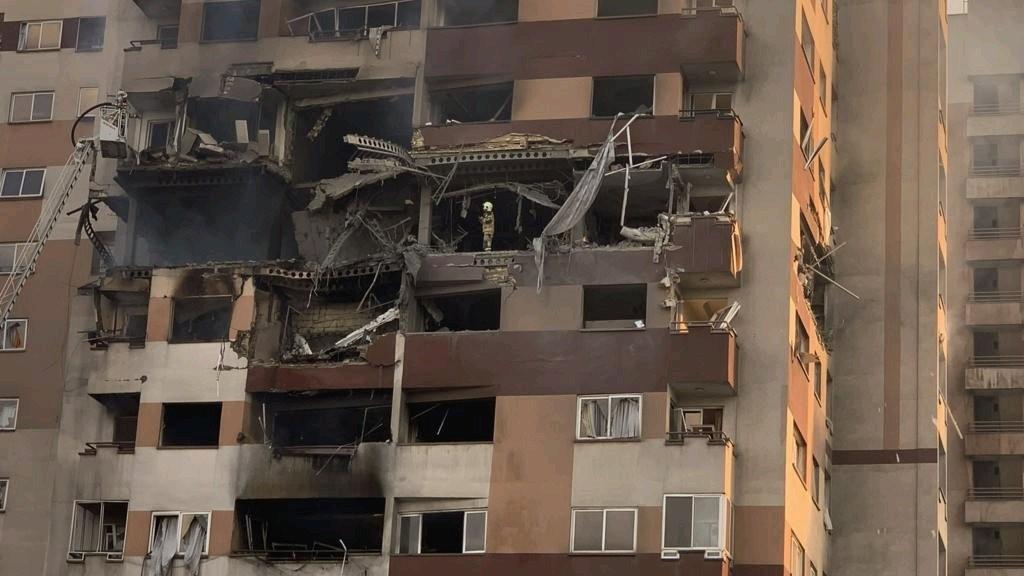
Israel Defense Forces (IDF) spokesperson Brig Gen Effie Defrin says Iran launched "approximately 100 UAVs towards Israeli territory", which he says they are working to intercept Defrin adds that the chief of staff of the Iranian army, the commander of Iran's Islamic Revolution Guard Corps (IRGC), and the commander of Iran's emergency command were killed in last night's strikes. Iranian state...
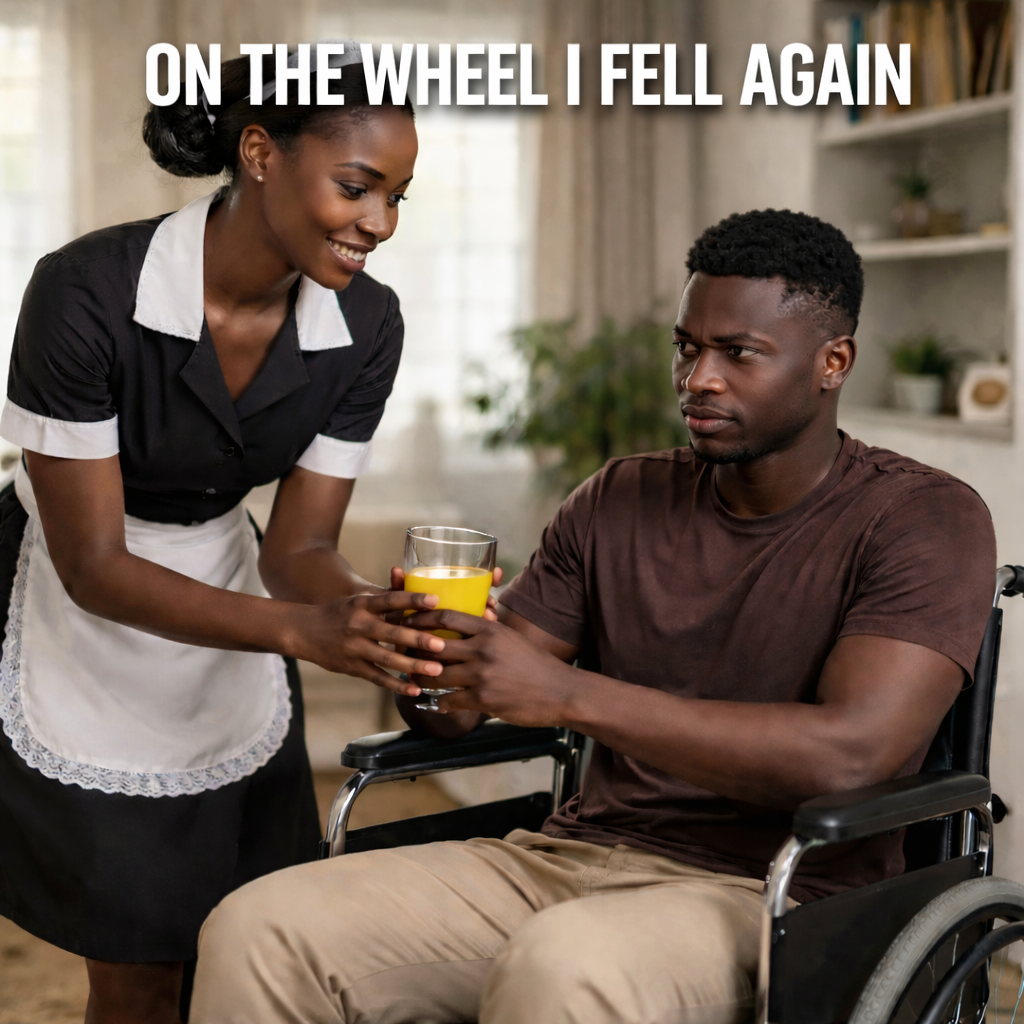
ON THE WHEEL I FELL AGAIN Chapter 3 Ifeoluwa’s POV Today felt like a miracle. After walking around the whole day yesterday searching for a job and returning home tired and hopeless, I didn’t expect anything good to happen so soon. But life can surprise you when you least expect it. This morning, while walking down the street again in search of any kind of work, I saw a...
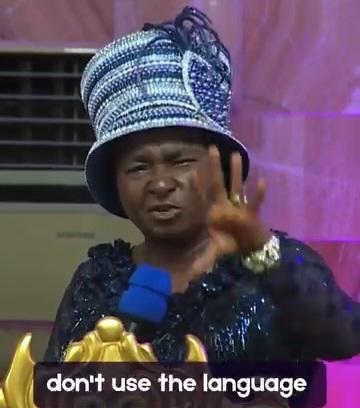
Evangelist Helen Akpabio has stirred debate in Christian circles after publicly condemning the phrase “Happy Birthday,” claiming it originates from the devil. In a recent message, Akpabio urged Christians to abandon the popular greeting, insisting it has no place in the life of a true believer. According to her, using “Happy Birthday” aligns with worldly traditions that...
The Executive Chairman of the Economic and Financial Crimes Commission, EFCC, Ola Olukoyede has called for enhanced inter-agency collaboration in the fight against transnational crimes among the member states of West and Central African regions as well as adequate capacity building on the part of the personnel involved in the fight against such crimes. He made the call on Tuesday, June 24,...