


Kwame Nkrumah: The Boy Who Dreamed of Freedom and Built a Nation
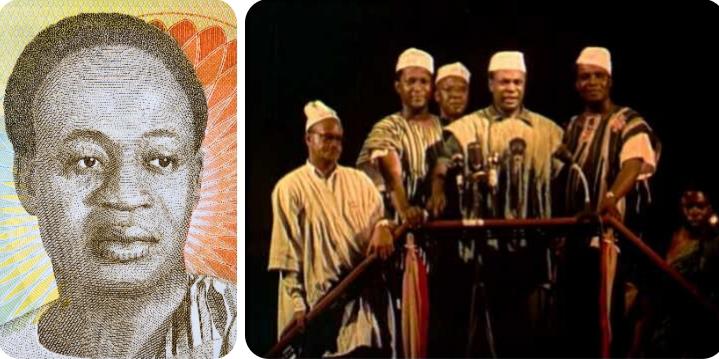
Kwame Nkrumah: The Boy Who Dreamed of Freedom and Built a Nation
Kwame Nkrumah
There are leaders who govern countries. And then there are leaders who awaken continents. Kwame Nkrumah belonged to the second category. He did not simply lead Ghana to independence. He helped ignite the fire of African liberation. He spoke of unity when borders were fresh scars drawn by colonial hands. He dreamed of a continent standing tall long before that dream felt possible.
But before he became Osagyefo, before crowds chanted his name under the Ghanaian sun, he was a small boy born in a quiet village in the Gold Coast.
This is the story of Kwame Nkrumah.
A Child of the Gold Coast
Kwame Nkrumah was born on September 21, 1909, in Nkroful, a small village in what was then the British colony known as the Gold Coast. His birth name was Francis Nwia Kofi Ngonloma. He was born into a modest family of the Nzema ethnic group. His father was a goldsmith. His mother was a trader.
The Gold Coast at the time was under British colonial rule. The land was rich in cocoa, gold, and timber. But political power was not in African hands. The system was structured to benefit the colonial administration.
As a child, Nkrumah grew up observing both traditional African culture and the realities of colonial authority. He attended a Roman Catholic elementary school. It was there that he began to display intellectual curiosity and leadership traits.
He was not born into royalty. He was not raised among elites. But he possessed something rare. He had vision.
Education and Early Awakening
Education became the pathway through which young Nkrumah would shape his destiny. After completing primary school, he trained as a teacher at Achimota School in Accra, one of the most respected institutions in the colony.
Teaching gave him stability, but his mind wandered beyond the classroom. He read widely. He absorbed philosophy, theology, and political theory. He began to question colonial authority and racial hierarchy.
By the 1930s, Nkrumah was restless. He felt that to truly understand the systems that controlled Africa, he needed exposure beyond the Gold Coast.
In 1935, he left for the United States.
America and the Birth of a Revolutionary Mind
Nkrumah arrived in America with limited money. He studied at Lincoln University in Pennsylvania. Life was not easy. He worked multiple jobs to survive. He washed dishes. He worked in factories. He lived frugally.
But he was absorbing ideas at a remarkable speed.
In America, he encountered racial segregation and discrimination. The experience sharpened his understanding of global inequality. He read deeply about Marcus Garvey, W.E.B. Du Bois, and pan African philosophy.
He studied economics, sociology, and theology. He earned degrees. He spoke at student gatherings. He began organizing African students around the idea of liberation.
The United States expanded his mind. But it was Africa that filled his heart.
London and Political Strategy
After spending a decade in America, Nkrumah moved to London in 1945. There, he became actively involved in the Pan African Congress alongside leaders like George Padmore and Jomo Kenyatta.
London was a political hub for colonial subjects demanding change. Nkrumah refined his strategy. He learned how to mobilize workers. He understood the power of organization.
When he returned to the Gold Coast in 1947, he was no longer just a teacher. He was a revolutionary with a blueprint.
The Struggle for Independence
Upon returning home, Nkrumah became general secretary of the United Gold Coast Convention, a political party seeking self governance. But he believed their pace was too slow.
He broke away and founded the Convention People’s Party in 1949.
His slogan was simple yet electrifying.
Self government now.
Not later. Not gradually. Now.
He traveled tirelessly. He spoke to farmers, market women, workers, and students. He connected with ordinary people.
His message was bold. Freedom was not a favor. It was a right.
In 1950, he launched a campaign of positive action involving strikes and civil disobedience. The British authorities arrested him. He was imprisoned.
But prison did not silence him. It amplified him.
Victory and Freedom
In 1951, while still imprisoned, his party won a majority in legislative elections. The British had little choice. Nkrumah was released and became Leader of Government Business.
Gradually, negotiations moved forward.
Then came March 6, 1957.
At midnight, under the lights of Accra, Nkrumah stood before a jubilant crowd and declared Ghana independent.
Ghana, formerly the Gold Coast, became the first sub Saharan African nation to gain independence from colonial rule in the twentieth century.
His words echoed across the continent.
The independence of Ghana is meaningless unless it is linked up with the total liberation of Africa.
It was more than a speech. It was a call.
President and Visionary
In 1960, Ghana became a republic and Nkrumah became its first President.
He embarked on ambitious projects. He invested in education. He built infrastructure. The Volta River Project created one of the largest man made lakes in the world.
He emphasized industrialization. He believed Africa must move beyond exporting raw materials and build manufacturing capacity.
Internationally, he championed Pan Africanism. He hosted conferences. He supported liberation movements in other African countries.
He envisioned a United States of Africa.
Criticism and Challenges
But leadership is never simple.
Economic difficulties began to emerge. Large infrastructure projects were expensive. Ghana’s cocoa prices fluctuated globally.
Political opposition grew. Some accused him of becoming increasingly authoritarian. In 1964, Ghana became a one party state under his leadership.
Critics argued that his vision of unity came at the cost of political freedom.
Supporters believed he was protecting Ghana from instability.
The tension deepened.
The Coup and Exile
In February 1966, while Nkrumah was on a diplomatic trip to China and Vietnam, a military coup overthrew his government.
He was removed from power.
It was a devastating moment.
The man who led Ghana to independence was now an exile.
He found refuge in Guinea, where President Ahmed Sékou Touré welcomed him and declared him co president in symbolic solidarity.
But Nkrumah was heartbroken. He had lost control of the nation he helped create.
Final Years and Death
In exile, Nkrumah continued writing. He analyzed neo colonialism. He warned that political independence without economic control was fragile.
His health declined.
On April 27, 1972, Kwame Nkrumah died in Bucharest, Romania, where he had traveled for medical treatment.
He was sixty two years old.
His body was eventually returned to Ghana.
Legacy
Today, Nkrumah remains one of Africa’s most influential political figures.
He inspired independence movements across the continent.
He proved that colonial rule was not permanent.
His image stands in Accra. His name is taught in classrooms.
Some remember him as a hero of liberation.
Others critique aspects of his governance.
But few deny his impact.
Final Reflection
Kwame Nkrumah began as a village boy in Nkroful.
He became a teacher.
Then a thinker.
Then a revolutionary.
Then the first Prime Minister and President of Ghana.
He dreamed of African unity long before the African Union.
He believed deeply that Africa could rise on its own terms.
And though he fell from power, the fire he lit did not go out.
Because once a people taste freedom, they do not forget its flavor.
Kwame Nkrumah did not just lead Ghana.
He reshaped history.


الأقسام
إقرأ المزيد
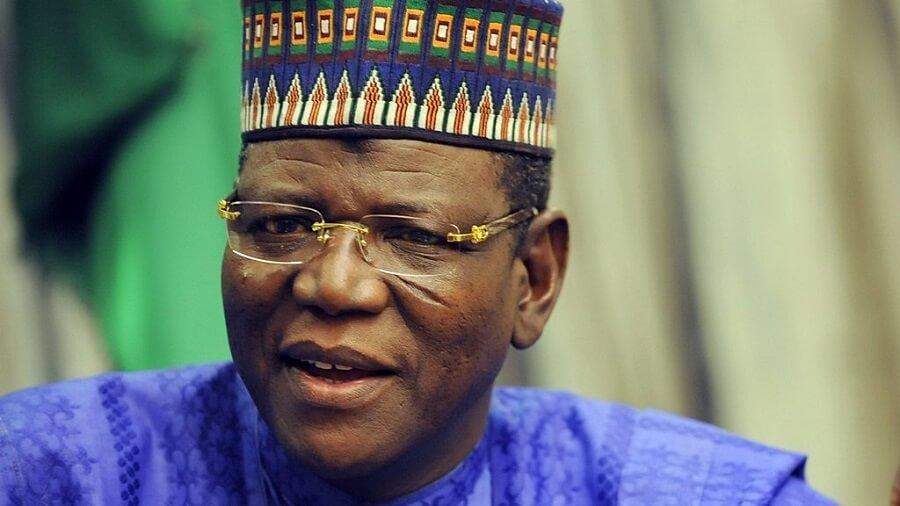
In a surprising political development, former Jigawa State Governor and influential PDP chieftain, Sule Lamido, has publicly declared his support for Peter Obi, the Labour Party’s 2023 presidential candidate. Speaking in a recent interview, Lamido stated firmly that President Bola Tinubu is not unbeatable, adding fuel to rising opposition momentum ahead of the 2027 general elections....
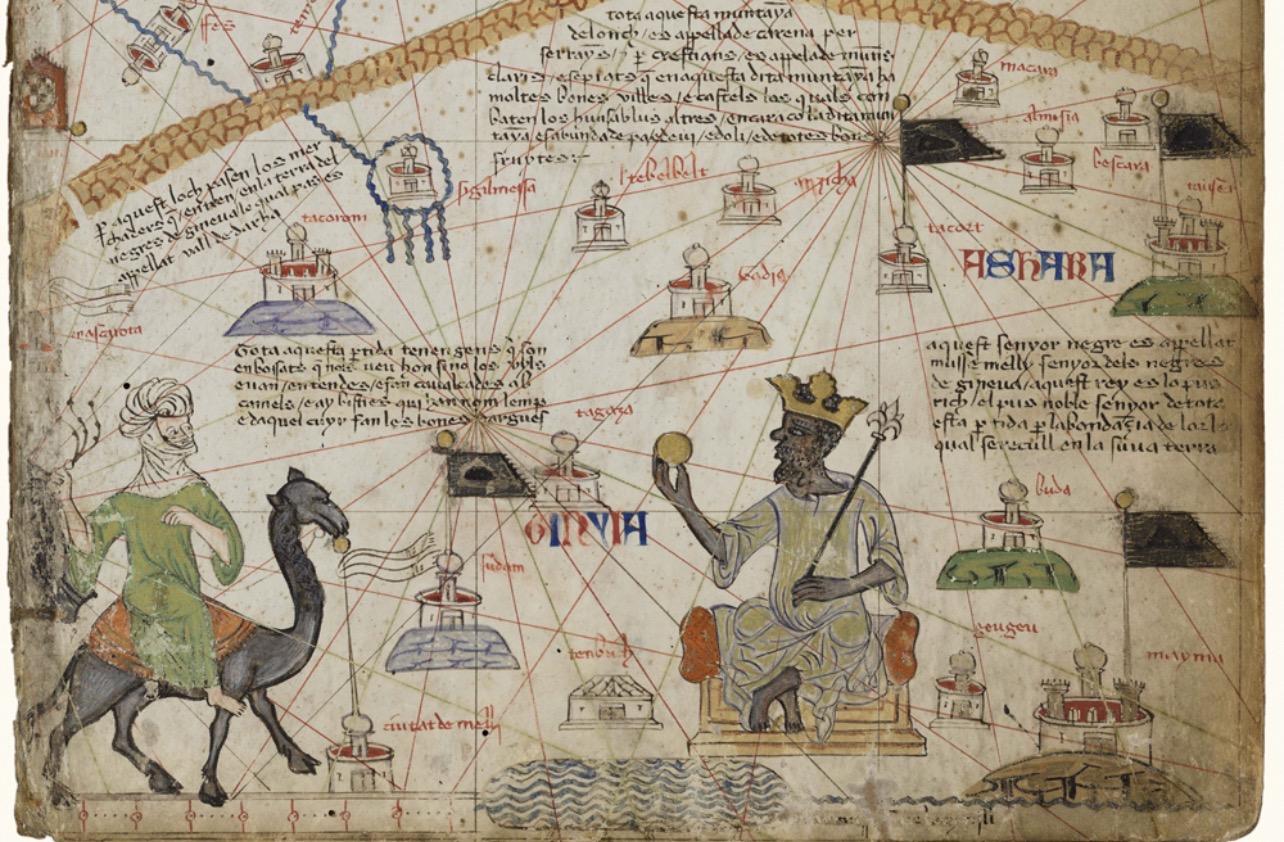
Mansa Musa There are names that enter history like a whisper, and there are names that arrive like thunder. Mansa Musa belongs to the second kind. His story does not begin in a small way, and it does not remain small for long. It rises from the red earth of West Africa, from the sound of caravans crossing the desert, from the weight of gold carried in leather bags, from royal drums and...
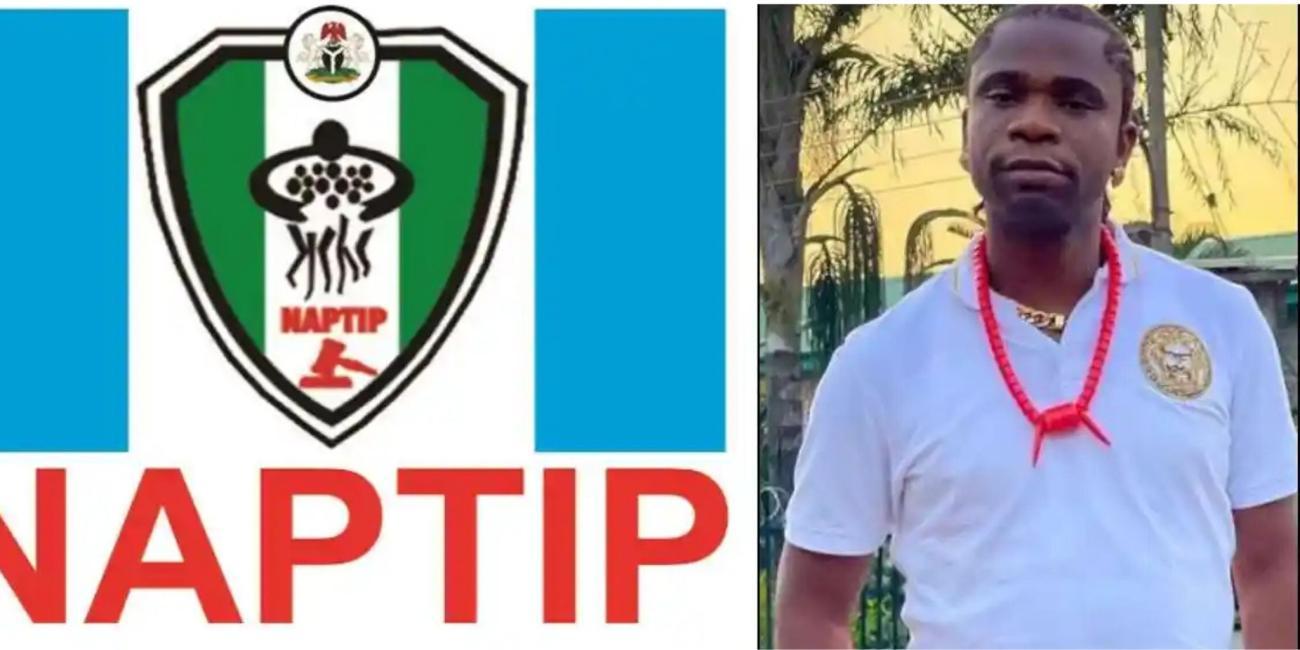
The National Agency for the Prohibition of Trafficking in Persons (NAPTIP) has confirmed that it issued a formal invitation to Nigerian singer Darlington Okoye, popularly known as Speed Darlington, in relation to online content linked to alleged sexual offences involving a minor. In a statement released on Friday by Hakeem Lawal, the agency’s Director of Information and Communications...
Johnson Suleman Johnson Suleman is a Nigerian televangelist and pastor best known as the senior pastor and general overseer of Omega Fire Ministries International, with its headquarters in Auchi, Edo State. He is also linked to Celebration TV and is one of the most visible Pentecostal preachers associated with Nigeria. Early Life and Background Johnson Suleman was born Johnson Sule on 24...
If love truly announces itself, then gossip announces it louder. I didn’t realize people were watching us until they started talking. At first, it was playful jokes from fellow teachers. Then it became whispers, glances, and knowing smiles. Anytime Daniel and I laughed together or stood too close, I could feel eyes following us. One afternoon, a bold pupil asked, “Madam...

