Environ
Strive Masiyiwa Biography : The Engineer Who Fought for a Telecom License and Wired Africa Through Econet and Cassava
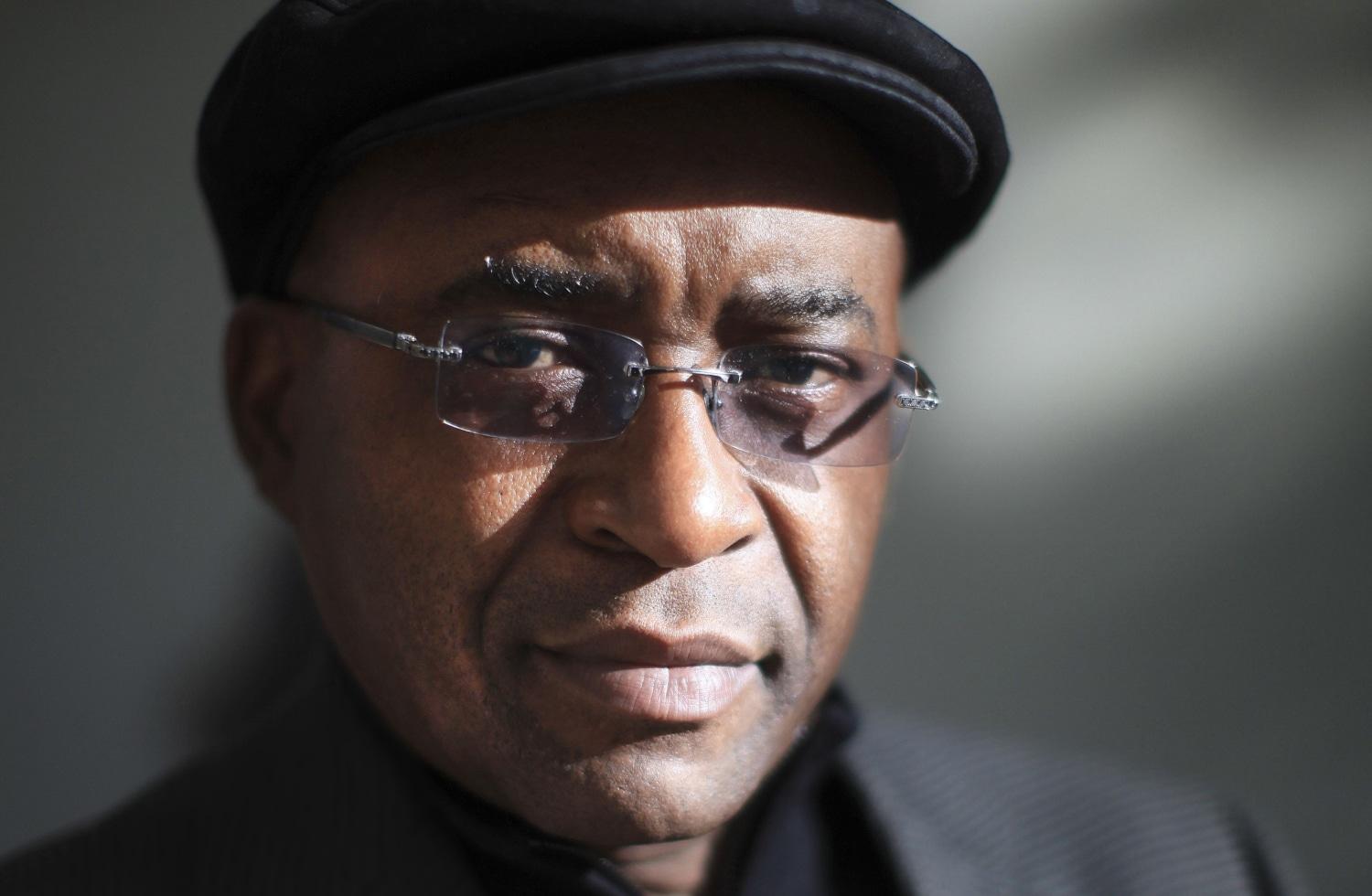
Strive Masiyiwa
Strive Masiyiwa’s story starts with a problem that sounded bigger than one man: a country where telecoms were controlled, permission was political, and the future felt locked behind a government monopoly. He didn’t begin as “a billionaire.” He began as an engineer with a stubborn belief that Africans deserved modern connectivity—and that one person could challenge a system if he refused to kneel.
He was born 29 January 1961, in Zimbabwe.
Over time, he became London-based, but his identity stayed tied to a single mission: building African infrastructure that works at scale.
The early years: trained for systems, not shortcuts
Masiyiwa studied at the University of Wales (often cited as his alma mater in major bios).
But what truly trained him wasn’t only school. It was returning to Zimbabwe after independence and working in telecoms—seeing, from inside, how a nation communicates and what happens when communication is controlled. Official bios describe him returning in 1984, working briefly as a telecoms engineer, and then stepping out to start his own business in 1986.
That sounds simple on paper. In real life, it’s the moment many people get discouraged—because stepping out means you lose protection, and the system doesn’t clap for you.
The legal war: “No” became fuel
In the 1990s, Masiyiwa wanted to build a mobile network in Zimbabwe. The state telecom operator held monopoly power, and the process of getting a license turned into a long battle that dragged through the courts. This legal fight—years of delays, pressure, and setbacks—became the legend behind his rise.
The key point is this: he didn’t just “win a license.” He helped force open a market.
That persistence matters because African entrepreneurship often isn’t only about competing with rivals; sometimes it’s about surviving policy storms, bureaucracy, and gatekeeping. Masiyiwa’s story became a lesson to young founders: you can’t build big things if you run away when the system resists you.
Eventually, his company got the right to operate—often summarized as a 1997 turning point in major accounts of the fight.
Econet: building beyond one country
From that battle came what most people now associate with his name: Econet.
He is widely described as the founder and executive chairman of Econet Group (Econet Global/Econet Wireless) and Cassava Technologies, with operations and investments across multiple continents.
Over time, the group expanded into the deeper infrastructure of the internet—fiber networks, data, cloud, cybersecurity, and data centers—because mobile voice alone is not the future; connectivity is. The Cassava bio and the Liquid/Strive PDF outline this broader portfolio and the multi-country scale.
If you want the “movie version” of the story, this is the montage phase: cables across borders, partnerships, acquisitions, new markets, and the quiet grind of building infrastructure that people only notice when it fails.
Cassava Technologies: owning the digital backbone
Cassava Technologies became the umbrella for parts of that modern digital stack—what many businesses now depend on: data centers, cloud, enterprise networks, cybersecurity, and platforms. The company’s official profile frames Masiyiwa as running a global portfolio spanning 40+ countries and four continents from the UK.
This is where his story shifts from “telecom entrepreneur” to “technology infrastructure builder.” It’s not just about phone calls anymore. It’s about the pipes that carry modern life.
Global influence: from African builder to world boardrooms
Masiyiwa’s reputation eventually crossed into global governance and boardrooms.
In December 2020, Netflix announced his appointment to its board of directors.
He also serves as a trustee of the Bill & Melinda Gates Foundation (joined January 2022, per the foundation).
Public bios also list other board roles (for example, National Geographic Society).
These roles didn’t happen by accident. Global institutions don’t invite people because they are popular; they invite people because they have built something complex and lasting.
Philanthropy: the part he speaks about like a calling
Strive and his wife Tsitsi Masiyiwa are strongly associated with large-scale education and youth support through the Higherlife work that appears across major profiles (often discussed as scholarships and education support for large numbers of young Africans).
His philanthropy is often described not as charity for headlines, but as an attempt to create opportunity at scale—education, skills, and leadership.
The meaning of his story
Strive Masiyiwa is remembered for one core thing: he fought for the right to build—and after winning that right, he kept building until the work became bigger than him.
His biography is proof that the “hardest part” is sometimes not the technology, not even the money—it’s the refusal to accept a locked door as permanent.

Catégories
Lire la suite
He wasn’t special. No followers. No spotlight. Nobody checking for him. Just another young guy trying to survive life. That night felt heavier than usual. His phone battery was low… His pocket was empty… And his mind was full. He had been keeping everything inside for too long. The pain. The struggle. The silent battles nobody could see. At exactly...

Adebimpe’s POV That was how my life changed. Not in one loud moment, not with thunder or drums, but slowly like dawn breaking after a long, dark night. Sometimes I still wake up and touch my hands, half-expecting to feel the roughness of work, the memory of soap and broomsticks. But my hands are softer now, not because life is easier, but because life has been kind to me in ways I never...

Olanrewaju Abdul-Ganiu Fasasi Before the awards, before the national recognition, and before his voice became a conscience for millions of Nigerians, there was a young boy in the streets of Lagos with big dreams and sharp observations about the world around him. The world came to know him as Sound Sultan, but his journey began as Olanrewaju Abdul-Ganiu Fasasi — a creative soul born with...

Starting January 2026, low-income Nigerians will no longer pay personal income tax, according to major reforms signed into law by President Tinubu. The Chairman of the Presidential Committee on Fiscal Policy and Tax Reforms, Taiwo Oyedele, has announced a major win for low-income earners in Nigeria. In a recent interview on Channels TV’s Politics Today, he revealed that Nigerians earning...

Renowned journalist and PDP chieftain, Dele Momodu, has issued a sobering warning about the state of Nigeria’s democracy, claiming the country is sliding dangerously toward civilian dictatorship. In his statement, Momodu expressed deep concern over the growing centralization of power, suppression of dissent, and a political climate that increasingly mirrors the authoritarian tendencies of...