About
About
Lil Wayne: From the Streets of New Orleans to the Throne of Hip Hop
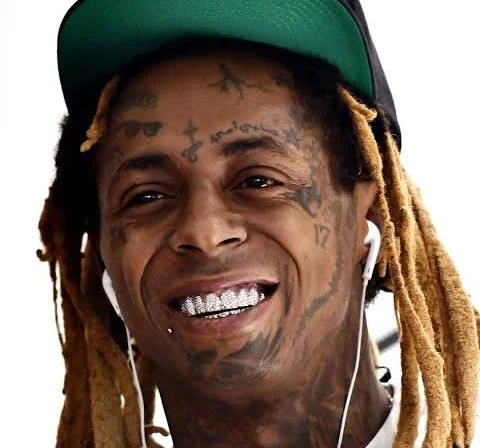
Lil Wayne: From the Streets of New Orleans to the Throne of Hip Hop
There are some artists who chase greatness, and there are some who seem born into it. Lil Wayne belongs to the second kind. His story is not just about fame, money, or awards. It is about survival, hunger, genius, pain, and a relentless desire to prove himself from the very beginning.
A Boy Named Dwayne
Lil Wayne was born Dwayne Michael Carter Jr on September 27, 1982, in the Hollygrove neighborhood of New Orleans, Louisiana. Hollygrove was not the kind of place where dreams were easily nurtured. It was rough, filled with poverty, violence, and broken systems. His father abandoned the family when he was just two years old. From that moment, Wayne grew up under the strong and determined guidance of his mother, Jacida Carter.
He loved his mother deeply. In fact, he dropped the “D” from Dwayne and became “Wayne” because he did not want to share the same name as the father who left them. Even as a child, he had strong opinions and a sharp sense of identity.
Wayne showed intelligence early. He was placed in gifted classes and attended Lafayette Elementary School and later Eleanor McMain Secondary School. Teachers saw something special in him. But outside the classroom, life was different. The streets had their own lessons.
Music became his escape. By the age of eight, he was already writing rap lyrics. He would scribble rhymes in notebooks, crafting bars far beyond his years. He was obsessed. He did not just want to rap; he wanted to be the best.
The Day Everything Changed
At the age of nine, Wayne’s life took a dramatic turn. He met Bryan “Birdman” Williams, co founder of Cash Money Records. Birdman saw potential in the tiny, fearless boy who could rap with confidence that shocked grown men. Wayne would leave rap messages on Birdman’s answering machine until he was finally taken seriously.
Soon, he became the youngest member of Cash Money Records.
But before success arrived, tragedy almost ended everything. When Wayne was twelve years old, he accidentally shot himself in the chest with a 9mm handgun. The details have long been debated, but the truth remains that he nearly died. A police officer named Robert Hoobler found him bleeding and carried him to the hospital, saving his life.
That moment became a silent turning point. Wayne later said that he did not see the incident as an accident but as a reflection of how lost he felt. Surviving that shooting gave him a strange sense of destiny. It was as if he was meant to live for something bigger.
The Hot Boys Era
In the mid 1990s, Wayne joined a group called the Hot Boys alongside Juvenile, Turk, and B G. Their raw Southern sound exploded in New Orleans and beyond. When their album Guerrilla Warfare dropped in 1999, it went platinum.
Wayne was just a teenager, but he was already living the life most rappers only dream about. Touring, money, fame, and attention surrounded him. But critics did not yet take him seriously. Many saw him as the “kid” of the group, not the future legend.
He absorbed everything. He studied flows. He practiced constantly. He evolved.
His first solo album, Tha Block Is Hot, was released in 1999 when he was only seventeen. It debuted at number three on the Billboard 200 chart and went platinum. Suddenly, the kid was not just a side member anymore. He was a rising star.
Reinventing Himself
The early 2000s were a period of transition. Wayne released Lights Out and 500 Degreez, but neither album made the cultural impact he desired. Meanwhile, Cash Money Records went through internal conflicts. Members left. Tensions rose.
Instead of fading, Wayne sharpened his craft.
In 2004, he released Tha Carter. It was more mature, more lyrical, and more personal. The world began to see growth. His voice changed. His delivery became sharper. His metaphors became layered.
Then came Tha Carter II in 2005. This was not just an album. It was a declaration. Wayne’s confidence soared. His wordplay became unpredictable. His hunger was obvious.
But what truly changed the game was his mixtape run.
The Mixtape King
Between 2005 and 2008, Lil Wayne transformed hip hop culture through mixtapes. Dedication series with DJ Drama. Da Drought series. No Ceilings. He rapped over other artists’ beats and often outperformed the originals.
He worked endlessly. He recorded constantly. Stories say he barely slept, spending nights in the studio creating music without pause.
During this era, Wayne famously declared himself “the best rapper alive since the best rapper retired,” referencing Jay-Z. It sounded bold. Arrogant. But soon, people began to agree.
Tha Carter III Explosion
In 2008, Tha Carter III was released. It sold over one million copies in its first week. Hits like Lollipop, A Milli, and Got Money dominated radio and clubs.
The album won four Grammy Awards, including Best Rap Album. Lil Wayne had officially crossed from rap star to global superstar.
He was everywhere. Collaborations with pop artists. Features on countless tracks. His raspy voice and punchline heavy style influenced an entire generation.
Artists like Drake and Nicki Minaj emerged under his Young Money Entertainment label. Wayne was not just building a career. He was building a dynasty.
Prison and Reflection
In 2010, Wayne faced a major setback. He was sentenced to eight months in prison for a weapons charge in New York. For someone who thrived on constant motion, prison was suffocating.
But even there, he found growth. He read books. He wrote letters. He reflected. When he was released later that year, he returned to music with renewed intensity.
Tha Carter IV dropped in 2011 and sold nearly one million copies in its first week. The hunger was still there.
Battles With Health
Throughout his career, Wayne battled severe epilepsy. He suffered multiple seizures, some life threatening. In 2013, he was hospitalized after a series of seizures that reportedly left him in critical condition.
Fans feared the worst. But once again, Wayne survived.
He later revealed his struggles openly, admitting that his lifestyle and substance use had complicated his health. The vulnerability showed a different side of him. Behind the tattoos, grills, and bravado was a human being fighting his own demons.
The Label War
Another major chapter of Wayne’s life involved his legal battle with Birdman and Cash Money Records. Despite their father son image, tensions exploded over unpaid money and the delayed release of Tha Carter V.
Wayne sued Cash Money for millions. For years, the album remained locked. Fans grew frustrated. The situation became messy and public.
Finally, in 2018, Tha Carter V was released after Wayne reached a settlement and gained control of his Young Money imprint.
The album debuted at number one and broke streaming records. It was emotional, reflective, and triumphant. Tracks addressed his near death childhood shooting and his complicated relationship with Birdman.
It felt like closure.
Influence and Legacy
Lil Wayne changed rap. His punchline heavy style, unpredictable metaphors, and fearless experimentation opened doors for a new generation of artists. His influence can be heard in countless modern rappers.
He normalized vulnerability while maintaining street credibility. He blended Southern rap with mainstream pop appeal.
With over 100 million records sold worldwide, multiple Grammy Awards, and countless charting singles, his impact is undeniable.
But beyond numbers, his legacy lives in the artists he mentored and the culture he shaped.
The Man Behind the Fame
Wayne is a father of four children. Despite his chaotic public image, he often speaks about fatherhood with pride. His relationship with his daughter Reginae Carter is especially visible, filled with affection and humor.
He has also ventured into skateboarding, surprising fans with his serious dedication to the sport. To him, skateboarding was not a publicity stunt. It was therapy.
He continues to release music, collaborate with younger artists, and remain culturally relevant decades after his debut.
Survival as Destiny
When you step back and look at Lil Wayne’s life, a pattern appears.
Abandoned by his father. Shot at twelve. Raised in poverty. Criticized early. Imprisoned. Hospitalized. Sued by his mentor.
Yet still standing.
His story is not clean. It is not perfect. It is messy, loud, brilliant, flawed, and inspiring. It is the story of a boy from Hollygrove who refused to be small.
Lil Wayne did not just rise to fame. He fought for it. He reinvented himself for it. He survived for it.
And through it all, he never stopped rapping.
Because for Wayne, rap was never just music.
It was life itself.

Categorías
Read More
I did not scream when they told me Kunle was dead. I sat on the floor of the hospital corridor with blood still on my hands and stared at the wall like it might explain what I had done. Nurses moved around me. Police officers spoke, but their words floated past my ears without meaning. All I could hear was the echo of our last fight the crash, the shout, the terrible sound of the...

Igwe Kenneth Orizu III In the industrious town of Nnewi, where factories hum alongside ancestral shrines and entrepreneurship flows as naturally as language, the throne of the Igwe commands reverence that stretches far beyond city borders. On that throne sat Kenneth Onyeneke Orizu III, a monarch whose reign spanned more than five decades and whose leadership coincided with the...
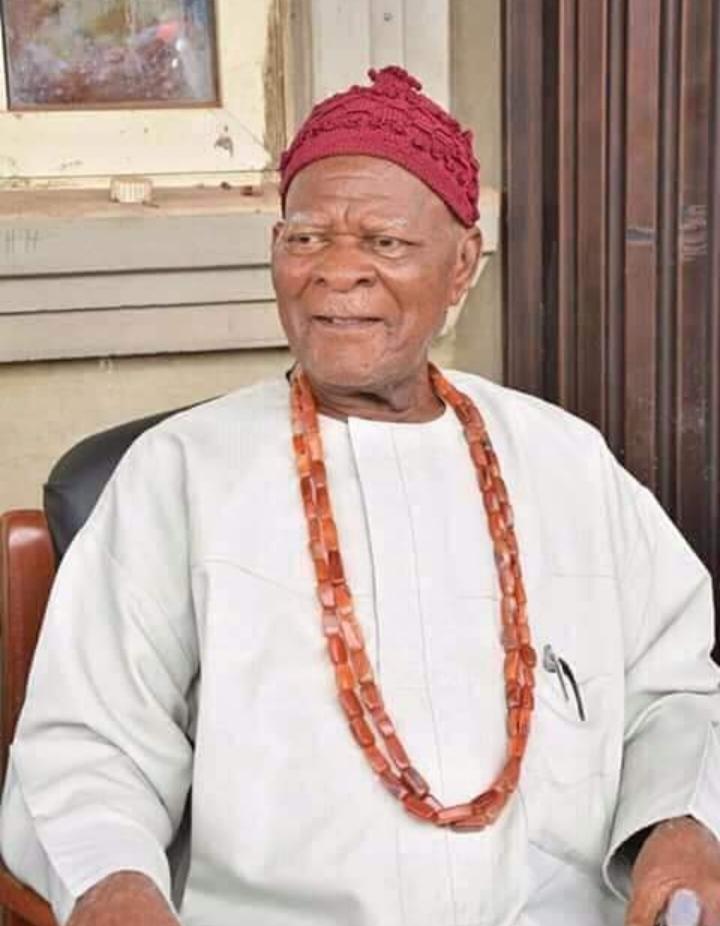
The National Drug Law Enforcement Agency (NDLEA) has filed a forfeiture suit against Proxy Night Club, owned by Lagos socialite Mike Nwogu (Pretty Mike), following a raid on a “drug party” held at the club over the weekend. NDLEA operatives stormed the club, located at 7 Akin Adesola Street, Victoria Island, between 11 p.m. Saturday and 3 a.m. Sunday, arresting over 100...

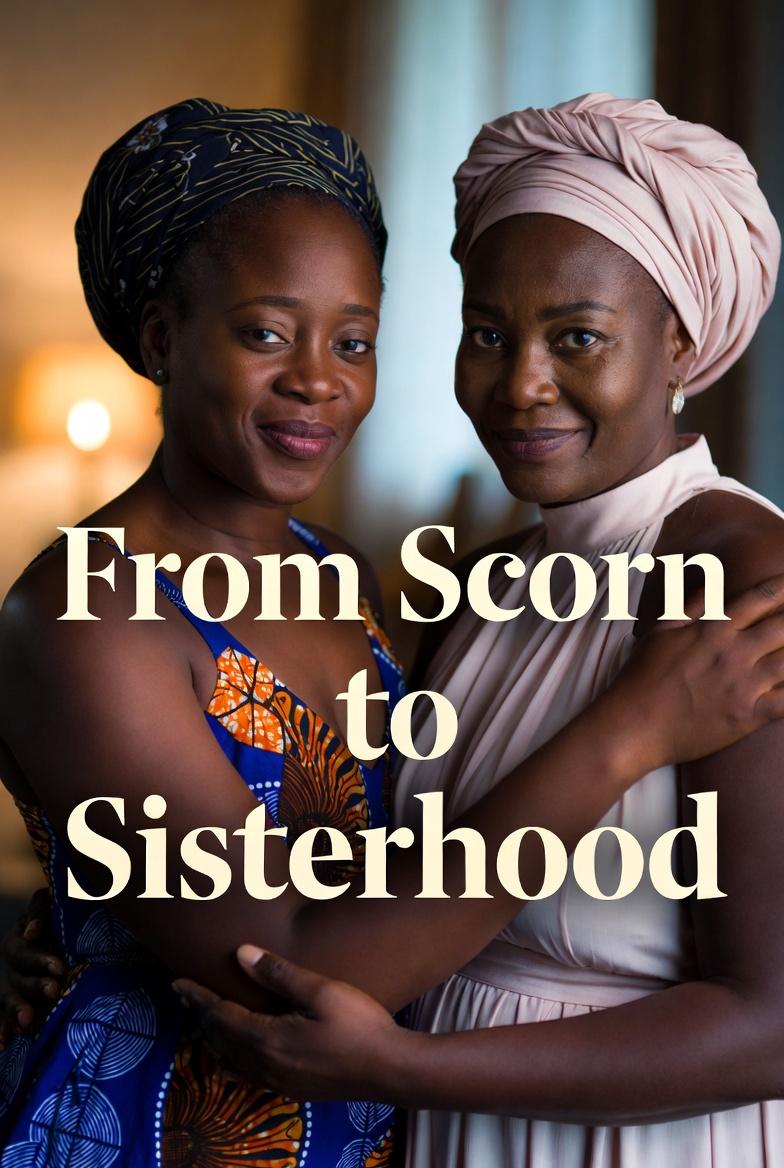
Today, when I look at my sister, I sometimes struggle to recognize the person she used to be. The bitterness that once lived in her words is gone, replaced by kindness and respect. Life has shaped her, pain has humbled her, and love has matured her. The journey we walked together through hurt, loss, and forgiveness has transformed us both. She now looks up to me in ways I never...
Don Moen Don Moen is an American gospel singer, songwriter, and worship leader known for his inspiring worship songs and global ministry. He is one of the most recognized figures in contemporary Christian music, especially in Africa and around the world. Don Moen was born on June 29, 1950, in Minneapolis, Minnesota, United States. Early Life and Background Don Moen grew up in a...