


 About
About
Princess Diana: The Shy Girl Who Became the People’s Princess and Touched the World

Princess Diana was one of the most photographed women in history and one of the most emotionally complex public figures of the twentieth century. Born into British aristocracy and married into the British royal family, she rose from a shy kindergarten assistant to a global humanitarian icon whose influence extended far beyond palaces and protocol. Her life combined glamour, deep personal pain, public adoration, intense media scrutiny, and an enduring legacy that continues decades after her death.
Early life and family background
Princess Diana was born Diana Frances Spencer on July 1, 1961 at Park House near Sandringham in Norfolk, England. She was the fourth of five children born to John Spencer and Frances Shand Kydd. Her family belonged to the British aristocracy and had long standing ties to the royal family. The Spencers had served the crown for generations, and Diana grew up in proximity to royal traditions and expectations.
Her childhood was not entirely idyllic. Her parents divorced when she was young, and the separation had a lasting emotional impact on her. Custody battles followed, and Diana and her siblings were eventually raised primarily by their father. She attended several boarding schools including West Heath School in Kent. She was not known as academically strong, but she excelled in music, ballet, and swimming. Friends and teachers often described her as shy, kind, and deeply sensitive.
After finishing school, Diana moved to London, where she worked various jobs including as a nanny and as a kindergarten assistant. At that stage, she was largely unknown outside her social circle. That would soon change in ways no one could have predicted.
Courtship and engagement
Diana first met Prince Charles in 1977 when she was sixteen years old and he was dating her older sister Sarah. At the time, she was simply a teenage girl within aristocratic circles. Their paths crossed again in 1980, and a courtship began. The relationship quickly attracted media attention because Charles was the heir to the British throne and had long been expected to marry.
In February 1981, Charles proposed. Diana was just nineteen years old. The engagement was announced publicly, and she immediately became the focus of global fascination. She appeared shy and reserved in interviews, but there was an unmistakable warmth that captured public imagination. The press began following her relentlessly, transforming her life almost overnight.
The wedding of the century
Diana married Prince Charles on July 29, 1981 at St Paul Cathedral in London. The ceremony was watched by hundreds of millions of people around the world. Her wedding dress, with its dramatic train, became one of the most famous gowns in history. The marriage seemed like a fairy tale to many observers, a young woman stepping into royalty before a global audience.
Yet even at the start, there were cracks beneath the surface. The pressures of royal life, combined with the intense media spotlight, weighed heavily on Diana. She later revealed that she struggled with bulimia during this period, a condition she described as a response to emotional stress and feelings of inadequacy.
Motherhood and public popularity
Diana gave birth to Prince William in 1982 and Prince Harry in 1984. Motherhood became a defining part of her identity. Unlike many previous royal mothers, she sought to give her children a more grounded upbringing. She took them to amusement parks, fast food restaurants, and school events in ways that seemed refreshingly normal.
Her connection with ordinary people deepened during these years. She possessed an unusual ability to make individuals feel seen and valued. Whether visiting hospitals, comforting children, or speaking with patients suffering from serious illnesses, she made physical contact and showed empathy at a time when some diseases such as AIDS were still surrounded by fear and stigma. In 1987, she famously shook hands with an AIDS patient without gloves, challenging public misconceptions and demonstrating compassion.
Strains in the marriage
By the mid 1980s, the marriage between Diana and Charles had become increasingly strained. Both struggled with the constraints of royal expectations and personal incompatibilities. Reports of infidelity surfaced, and Diana later spoke openly about her husband’s relationship with Camilla Parker Bowles.
In 1992, Prime Minister John Major announced in Parliament that Charles and Diana had separated. The separation marked the end of the fairy tale narrative. In 1995, Diana gave a candid television interview to journalist Martin Bashir in which she discussed her marriage, her struggles with mental health, and her sense of isolation. In the interview, she famously remarked that there were three people in her marriage, referencing Charles and Camilla. The interview shocked the royal establishment and intensified media coverage.
Divorce and independence
The divorce was finalized in August 1996. Diana lost the style of Her Royal Highness but retained the title Princess of Wales. She also retained her apartment at Kensington Palace and continued her public and charitable work.
Freed from the formal structure of royal duties, she focused more directly on humanitarian causes. One of her most significant campaigns involved raising awareness about landmines. In 1997, she visited Angola and walked through a partially cleared minefield while wearing protective gear. The images of her walking carefully through the field were broadcast worldwide and helped galvanize international support for a treaty banning landmines.
She also continued work related to homelessness, leprosy, and children’s welfare. Her approach to charity was personal and hands on. She embraced people, held hands, and listened attentively, redefining the emotional tone of royal engagement.
Relationship with Dodi Fayed
In the summer of 1997, Diana began a relationship with Dodi Fayed, the son of Egyptian businessman Mohamed Al Fayed. The relationship attracted intense media attention. Photographers followed them on vacation in the Mediterranean, publishing images that fueled speculation about their future.
On August 30, 1997, Diana and Dodi were in Paris. They had spent the evening at the Ritz Hotel, which was owned by Dodi’s father. Shortly after midnight, they left the hotel in a Mercedes driven by Henri Paul, with bodyguard Trevor Rees Jones in the front passenger seat.
The fatal crash
In the early hours of August 31, 1997, the car entered the Pont de l Alma tunnel in Paris at high speed while being pursued by paparazzi on motorcycles. The vehicle crashed into a pillar inside the tunnel. Dodi Fayed and the driver Henri Paul were pronounced dead at the scene. Diana was found critically injured but alive.
She was transported to the Pitie Salpetriere Hospital in Paris. Doctors performed surgery in an attempt to save her life. Despite their efforts, she died in the early hours of the morning from internal injuries, including severe chest trauma and a ruptured pulmonary vein.
The news of her death spread rapidly across the world. Millions were stunned. For many, it felt like the loss of a personal friend.
Aftermath and global mourning
The days following her death saw an unprecedented outpouring of grief. Thousands gathered outside Kensington Palace, leaving flowers, notes, and tributes. The sea of flowers grew into a vast memorial.
Her funeral took place on September 6, 1997 at Westminster Abbey. It was watched by an estimated two and a half billion people worldwide. Elton John performed a rewritten version of Candle in the Wind in her memory. Her brother Charles Spencer delivered a powerful eulogy, criticizing media intrusion and praising her compassion.
Investigations and conclusions
The crash was investigated by French authorities and later by a British inquest. Both concluded that the crash was caused by a combination of factors including the high speed of the vehicle and the pursuit by paparazzi. The driver Henri Paul was found to have been under the influence of alcohol and prescription medication. Conspiracy theories circulated for years, but official investigations did not find evidence of a planned assassination.
Legacy
Princess Diana’s legacy remains powerful. She transformed public expectations of the British monarchy by demonstrating vulnerability and emotional openness. She humanized royal life and showed that compassion could be a form of leadership.
Her sons Prince William and Prince Harry have both spoken about her influence on their lives. They have continued charitable efforts in areas such as mental health awareness and humanitarian aid, often citing her example as inspiration.
Diana remains an enduring symbol of empathy and resilience. Her story is not simply one of tragedy. It is a story of a woman who used her position to draw attention to suffering and who connected with millions across cultural and national boundaries.
More than two decades after her death, she continues to inspire documentaries, books, and conversations about media ethics, mental health, and humanitarian responsibility. She lived only thirty six years, yet in that short time she reshaped global perceptions of royalty and compassion.
Princess Diana’s life was a complex mixture of privilege and pain, glamour and grief, duty and defiance. She entered the world stage as a young bride and left it as a global icon whose influence still echoes across generations.

Categorie
Leggi tutto
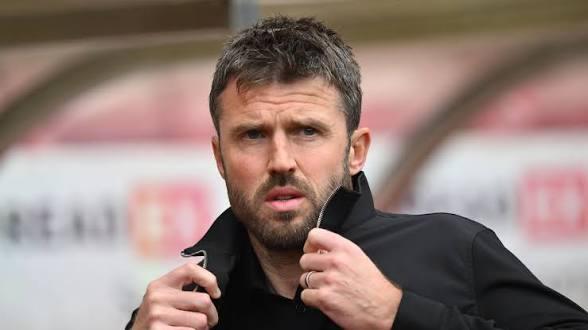
Michael Carrick Michael Carrick is an English former professional footballer and current coach known for his intelligence, calmness, and exceptional passing ability in midfield. He is widely respected for his successful career with Manchester United and his transition into football management. Michael Carrick was born on July 28, 1981, in Wallsend, England. Early Life and Background...
Arnold Schwarzenegger Arnold Schwarzenegger is an Austrian American actor, businessman, former professional bodybuilder, and politician who served as the Governor of California. Born on July 30, 1947, in Thal, Styria, Austria, he became one of the most recognizable global icons through achievements in bodybuilding, Hollywood, and politics. Early Life and Background Arnold...

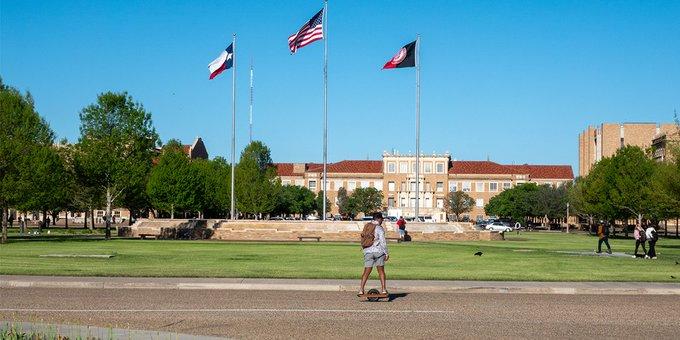
Texas Tech University System Chancellor Brandon Creighton has implemented new rules restricting how faculty may teach topics related to race, sex, gender identity, and sexual orientation. Under the policy, instructors are barred from promoting concepts such as inherent racial superiority or collective guilt, and must seek approval through a multilayer review process—from department chairs...
still remember the first time someone said it. “You two would look so good together!” It was at a neighbor’s party in our Surulere street, and I was standing near the food table when Chioma, my longtime friend, nudged me and whispered it with a mischievous smile. I looked across the room at Tunde, who was laughing with some guys by the drinks. He was tall, good-looking, with...

The first time Aisha laughed that week, the sound startled her. It came out suddenly, sharp and almost foreign, like a forgotten language her body remembered before her mind did. She was standing at the edge of Third Mainland Bridge, packed into a yellow bus that smelled of sweat, engine oil, and impatience. The traffic hadn’t moved in forty minutes. A hawker outside was selling plantain...

