Environ
Ayinla Omowura: The Apala Legend Whose Voice Echoed Beyond His Time
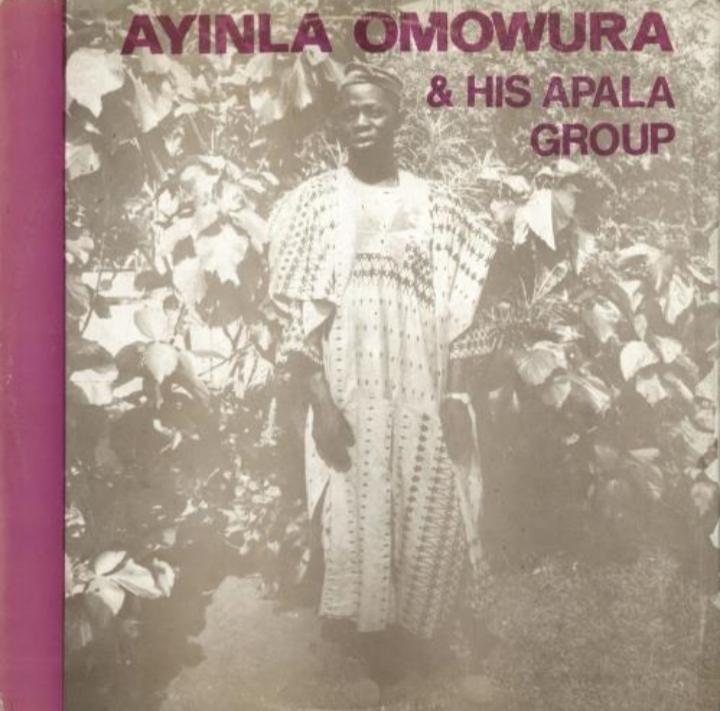
Ayinla Omowura: The Apala Legend Whose Voice Echoed Beyond His Time
Introduction
Ayinla Omowura was one of the most influential and controversial figures in the history of Nigerian Apala music. His voice carried the spirit of the streets, the rhythm of Islamic praise traditions, and the bold defiance of a man who refused to soften his personality for anyone. He was admired, feared, criticized, loved, and finally mourned in a way that few musicians in Nigeria have ever been.
Born in Abeokuta, he rose from poverty to become a cultural icon. He shaped the evolution of Apala music in the 1970s and early 1980s. He lived a life marked by talent, rivalry, loyalty to his roots, street toughness, generosity, ego, and danger. His death was sudden and violent, cutting short a career that was still burning brightly.
This is a full and deep biography of Ayinla Omowura, including his early life, musical rise, rivalries, personal character, controversies, and the events that led to his tragic end.
Early Life in Abeokuta
Ayinla Omowura was born in 1933 in Itoko area of Abeokuta, Ogun State, Nigeria. Abeokuta was and remains a deeply cultural city among the Yoruba people. It was a place rich in traditional music, Islamic influences, and community identity.
He was born into a modest family and grew up in a tough environment. Life in Abeokuta during that era was not easy. Economic hardship, street rivalry, and social competition were part of daily existence. These early experiences shaped Ayinla’s personality.
He did not receive extensive formal education. Instead, he absorbed culture from the streets, the mosques, and the gatherings of praise singers and drummers. He was particularly influenced by Islamic waka and were music traditions that were commonly performed during Ramadan and religious celebrations.
From a young age, Ayinla displayed an unusual boldness. He was outspoken and fearless. He developed a reputation as someone who would not tolerate disrespect. This personality trait followed him throughout his life.
Musical Beginnings and Apala Roots
Apala music evolved from Islamic praise singing known as were, traditionally performed during Ramadan to wake people for early morning prayers. Over time, were music incorporated more percussion, street energy, and competitive spirit.
Ayinla Omowura became one of the pioneers who transformed this style into what would later be recognized as fuji music.
He began performing in local gatherings, using drums such as sakara, agidigbo, and other traditional percussion instruments. His style was distinct. His voice was powerful, sharp, and emotionally charged. He sang about real life situations, social issues, street politics, and personal conflicts.
Unlike some musicians who focused mainly on praise and celebration, Ayinla often included pointed references to rivals, enemies, and critics. His lyrics were direct and sometimes confrontational.
Rise to Fame
By the 1970s, Ayinla Omowura had established himself as one of the leading fuji artists in Ogun State and beyond.
His songs became popular across southwestern Nigeria. His music resonated particularly with the working class and street communities who saw their realities reflected in his words.
He recorded numerous albums during his career. His releases often sold widely within the Yoruba speaking regions. At a time when Nigerian music was still growing as a commercial industry, Ayinla managed to build a loyal fan base without the modern promotional tools artists enjoy today.
He was known for his dramatic entrances at performances. His presence commanded attention. When Ayinla performed, people gathered not just to dance but to witness his energy.
Rivalries and Street Identity
Ayinla Omowura’s career cannot be separated from rivalry.
In the Apala scene, competition was intense. Artists often released songs targeting one another indirectly or directly. Ayinla was particularly known for engaging rivals openly in his lyrics.
His rivalry with other Apala musicians, including Haruna Ishola and others in the sakara tradition, added fuel to his public image. These musical battles energized fans and pushed creativity, but they also heightened tension.
Beyond music, Ayinla was closely connected to local power structures in Abeokuta. He had strong ties with street groups and was considered influential among area boys.
He was also reportedly connected to political circles in Ogun State. During the era of Chief Obafemi Awolowo, political loyalty often influenced musicians’ opportunities. Ayinla was said to be aligned with the Unity Party of Nigeria, which was popular in the southwest at the time.
His music sometimes praised political leaders and local power brokers. At the same time, he was not known for submission. He maintained his independence.
Personal Character and Lifestyle
Ayinla Omowura lived boldly.
He was known for his love of social life, gatherings, and celebration. He enjoyed attention and did not shy away from confrontation. Some described him as generous. Others described him as hot tempered.
He had multiple wives, as was culturally accepted in many Yoruba Muslim households at the time. His domestic life was complex, shaped by his fame and personality.
He was not a man who hid his opinions. If he felt insulted, he responded. If he felt respected, he showed loyalty.
This directness earned him both fierce supporters and dangerous enemies.
Musical Style and Influence
Ayinla’s style was rhythmic and intense.
He relied heavily on percussion. Unlike later Apala artists who incorporated keyboards and modern instruments, Ayinla’s sound remained rooted in traditional drumming.
His lyrics were often improvised, drawing from current events, personal feuds, and community matters. He praised supporters by name and criticized opponents directly.
His music carried moral lessons, street wisdom, and warnings.
Many later Apala artists acknowledged his influence in shaping the aggressive and competitive tone that became part of the genre.
Tensions Before His Death
By the early 1980s, Ayinla Omowura remained highly influential in Abeokuta.
However, tension surrounded him.
On May 6 1980, Ayinla performed at a social event in Abeokuta. During the event, an argument reportedly broke out between him and his manager, Bayewu.
Accounts suggest that the disagreement may have been about money, performance issues, or personal insult. What is consistent across retellings is that the conflict escalated quickly.
Ayinla was known for speaking harshly when angry. That night, words were exchanged.
The Night of His Death
After the performance, the argument continued.
In the heat of the confrontation, Bayewu allegedly struck Ayinla on the head with a beer bottle.
The injury appeared minor at first. Ayinla reportedly dismissed it. But the blow caused internal damage.
He later collapsed and was rushed for medical attention.
Ayinla Omowura died shortly afterward from the head injury.
He was forty seven years old.
His death shocked Abeokuta and the broader Yoruba music community.
Aftermath
The man accused of striking him was arrested and later convicted.
The news spread quickly. Fans mourned deeply. His funeral drew massive crowds.
His sudden death ended a career that was still active and influential.
Legacy
Ayinla Omowura remains a foundational figure in fuji music.
He helped transform religious chant traditions into a street driven musical force.
His fearless lyrical style influenced generations of artists.
His life also stands as a cautionary tale about temper, rivalry, and the dangers of heated conflict.
He lived loudly and died suddenly.
But his voice continues to echo in the rhythm of Apala music across southwestern Nigeria.

Catégories
Lire la suite
The Child of a Hidden Bloodline My name is Aishat. I am twenty four years old now, living in Abuja where the city never truly sleeps. Cars hiss past my window at night like restless spirits, and sometimes when the traffic slows and the air becomes still, memories return without warning. When they do, my chest burns the way hot palm oil burns skin. Slowly. Deeply. Leaving scars...

The association accused the Lagos State government of ignoring its plea to review the fee down to N2,500 per truck—an amount NARTO says reflects economic realities. Nigeria could face a fresh wave of fuel scarcity if a brewing standoff between the National Association of Road Transport Owners (NARTO) and the Lagos State Government isn’t resolved in the next 24 to 48 hours. NARTO has...

Bayajidda Long before the modern cities of northern Nigeria rose with their bustling markets and bright lights, there was a time when the land of Daura was ruled by silence, fear, and a strange mystery that gripped the hearts of its people. The wind carried stories, not of joy, but of a great serpent that controlled life itself. This is the story of Bayajidda, a man whose courage,...

Aminat (POV) The first cracks appeared like ice underfoot. Daniel confronted me, his eyes not with anger but confusion and disappointment. Every carefully constructed lie unraveled in his presence. Friends I had counted on disappeared overnight, some because of my deception, others because I had become a stranger even to myself. I felt the walls of my carefully built world collapse,...

A new report has revealed a sobering truth: about 50% of Nigerian minimum wage earners spend their entire income on food alone.2 This statistic paints a troubling picture of the daily economic struggles faced by millions. With inflation driving up the cost of staples and essentials, food—one of life’s most basic needs—has become a luxury that consumes almost all earnings. At...