Environ
Abraham Lincoln: Biography From Log Cabin to the Weight of a Broken Nation
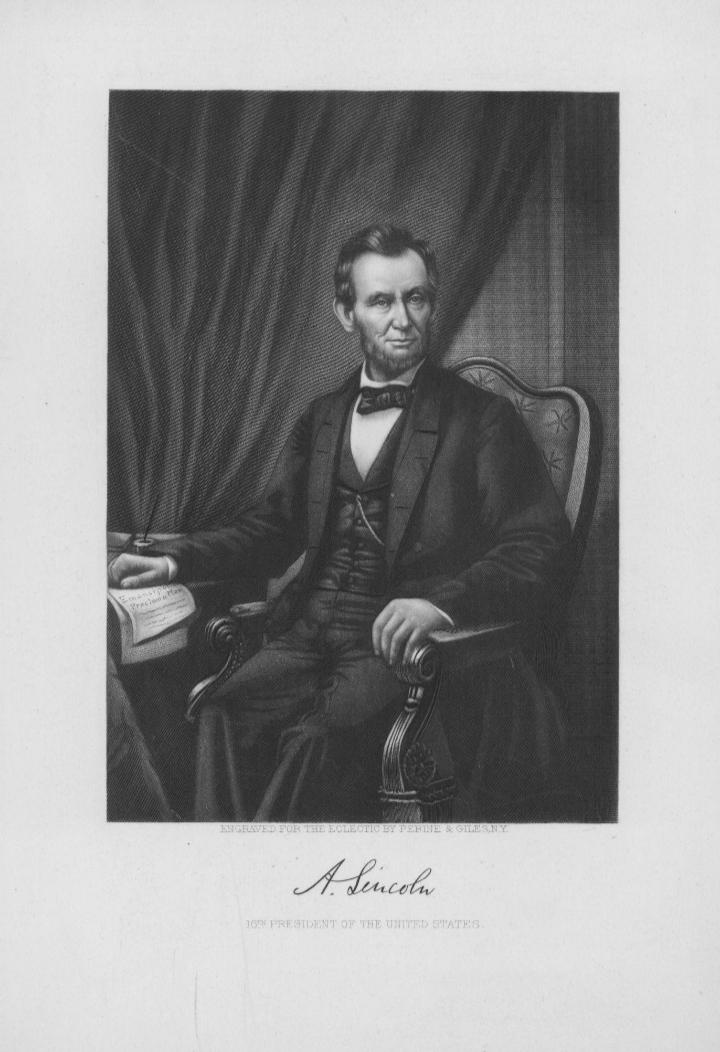
Abraham Lincoln: Biography From Log Cabin to the Weight of a Broken Nation
Introduction
Abraham Lincoln is remembered as the president who preserved the United States during its greatest internal crisis and ended the institution of slavery in law. Yet his life was far more complicated than a simple heroic legend. He was born in poverty, largely self educated, haunted by depression, ambitious in politics, cautious in strategy, sometimes misunderstood, often criticized, and finally assassinated at the height of victory.
He rose from frontier hardship to the presidency during a time when the nation was tearing itself apart. His leadership during the American Civil War reshaped the meaning of freedom and democracy. But his personal life carried grief and sorrow, and his political decisions were never simple or universally praised.
This is a full and deep biography of Abraham Lincoln, including his early struggles, intellectual growth, political failures, moral evolution, presidency during war, and the events that led to his death.
Birth and Early Frontier Life
Abraham Lincoln was born on February 12 1809 in a one room log cabin in Hardin County Kentucky, now LaRue County. His parents were Thomas Lincoln and Nancy Hanks Lincoln. They were farmers of modest means.
The frontier was physically harsh and socially isolated. The Lincolns moved several times, first to Indiana and later to Illinois. Young Abraham experienced the rough labor of frontier life, including farming, splitting rails, and clearing land.
He had very little formal education, perhaps less than a year in total. But he developed a fierce appetite for reading. He borrowed books wherever he could find them. He read the Bible, Aesop’s fables, Shakespeare, law books, and political writings. Education for him was self driven.
In 1818 his mother Nancy died of milk sickness, a disease caused by drinking milk from cows that had eaten poisonous plants. Lincoln was only nine years old. Her death left a lasting emotional mark on him.
His father later remarried Sarah Bush Johnston, who treated Abraham kindly and encouraged his love of reading. She recognized his unusual intelligence.
Youth and Early Adulthood
As a young man Lincoln worked various jobs. He served as a store clerk, surveyor, postmaster, and boatman. He also witnessed slavery directly during trips down the Mississippi River to New Orleans. Those experiences influenced his moral views later in life.
In 1832 he served briefly in the Illinois militia during the Black Hawk War. He did not see combat but was elected captain by his peers, something he later described as one of the honors he valued most.
He entered politics early and ran for the Illinois state legislature in 1832 but lost. He ran again in 1834 and won. During this period he began studying law independently. In 1836 he was admitted to the Illinois bar.
Lincoln moved to Springfield Illinois and formed a law partnership. He built a reputation as a skilled and honest lawyer. He was known for clear reasoning and persuasive argument.
Love, Marriage, and Personal Tragedy
In Springfield Lincoln met Mary Todd Lincoln, a well educated woman from a prominent Kentucky family. Their courtship was complex and at times strained. Lincoln suffered from bouts of depression and self doubt. They married in 1842.
They had four sons: Robert, Edward, William, and Thomas. Only Robert lived to adulthood. The deaths of Edward in 1850 and William in 1862 deeply affected both Lincoln and Mary. These personal losses occurred during Lincoln’s most demanding political years.
Lincoln struggled privately with melancholy. Friends described him as prone to deep sadness. Yet he also had a sharp wit and loved telling stories. Humor was one of his coping mechanisms.
Early Political Career and Slavery Question
Lincoln served one term in the United States House of Representatives from 1847 to 1849. During this time he opposed the Mexican American War, which hurt his popularity in Illinois.
After leaving Congress, he returned to law and stepped away from national politics for several years.
The issue that brought him back was slavery. The Kansas Nebraska Act of 1854 allowed new territories to decide for themselves whether to permit slavery. Lincoln opposed the expansion of slavery into new territories, though at that time he did not advocate immediate abolition where it already existed.
He joined the newly formed Republican Party, which opposed the spread of slavery.
The Lincoln Douglas Debates
In 1858 Lincoln ran for the United States Senate against Stephen A. Douglas. Though he lost the election, the series of debates between them gained national attention.
Lincoln argued that the nation could not endure permanently half slave and half free. His house divided speech expressed his belief that slavery would eventually need to end or spread completely.
The debates established Lincoln as a powerful moral and intellectual voice on slavery.
Election of 1860
In 1860 Lincoln won the Republican nomination for president. His moderate stance made him acceptable to different factions within the party.
He won the presidency without carrying a single Southern state. His election triggered immediate crisis. Southern states began seceding from the Union before he even took office.
By the time he was inaugurated in March 1861, seven states had declared secession and formed the Confederate States of America.
Civil War and Leadership
The Civil War began in April 1861 when Confederate forces fired on Fort Sumter.
Lincoln’s primary goal at the start was preserving the Union. He believed that allowing secession would destroy democracy itself.
The war was brutal and long. Casualties mounted. Lincoln faced criticism from all sides. Some accused him of being too cautious. Others claimed he was too radical.
He suspended habeas corpus in certain areas, allowing detention without trial in cases of suspected rebellion. Critics argued this overstepped presidential power. Lincoln defended it as necessary to preserve the nation during rebellion.
He replaced generals repeatedly until finding leaders who could match his strategic vision, eventually supporting Ulysses S. Grant.
Emancipation Proclamation
As the war continued, Lincoln’s thinking on slavery evolved. He came to see emancipation as both a moral necessity and a military strategy.
On January 1 1863 he issued the Emancipation Proclamation. It declared enslaved people in Confederate held territories to be free.
Though it did not immediately free all enslaved people, it transformed the war into a fight against slavery. It also allowed Black men to serve in the Union Army.
Gettysburg and Vision of Democracy
In November 1863 Lincoln delivered the Gettysburg Address at the dedication of a national cemetery.
In just a few minutes he redefined the war as a test of whether a nation conceived in liberty could endure. He spoke of government of the people by the people for the people.
The speech became one of the most famous in American history.
Reelection and Final Plans
In 1864 Lincoln faced reelection during wartime. Many doubted he would win due to war fatigue. But Union military victories strengthened his position, and he was reelected.
In his second inaugural address in March 1865, he called for reconciliation rather than revenge. He urged malice toward none and charity for all.
He supported the passage of the Thirteenth Amendment, which abolished slavery throughout the United States. It passed Congress in January 1865.
The End of the War
In April 1865 Confederate General Robert E Lee surrendered to Grant at Appomattox Court House. The war was effectively over.
Lincoln visited Richmond, the former Confederate capital, and was greeted by freed people celebrating their liberation.
Despite victory, Lincoln remained cautious. He understood that rebuilding the nation would be difficult. He began outlining plans for Reconstruction that were relatively lenient toward the South while protecting freedom for formerly enslaved people.
Assassination
On the evening of April 14 1865 Lincoln attended a play at Ford’s Theatre in Washington. He was accompanied by his wife and guests.
Actor John Wilkes Booth, a Confederate sympathizer, entered the presidential box and shot Lincoln in the back of the head.
Lincoln was carried across the street to a boarding house. He remained unconscious through the night.
He died on the morning of April 15 1865 at the age of fifty six.
Aftermath
Booth was killed days later. The assassination shocked the nation. Lincoln became a martyr figure almost immediately.
His funeral train traveled through multiple cities, allowing millions to pay their respects.
Legacy
Abraham Lincoln preserved the Union and ended slavery in law. His leadership during the Civil War reshaped American identity.
He was not flawless. He made controversial decisions and faced harsh criticism. He struggled with depression and grief.
But his moral clarity and political skill guided the nation through its greatest crisis.
He rose from a log cabin to the presidency not through wealth or inheritance but through intellect, persistence, and conviction.
He held a fractured nation together long enough to see slavery abolished.
And he died just as peace began.
His life remains one of the most studied and debated in American history.

Catégories
Lire la suite
Farming in Grow A Garden is more than just planting seeds and waiting for crops to grow. Rare crops can provide higher profits, unlock exclusive items, and even improve interactions with your pets. For players looking to maximize their harvests, these 20 methods will help you consistently achieve rare crop yields. 1. Rotate Crops RegularlyChanging what you plant each season can prevent soil...
My name is Amara, and this is the story that taught me that betrayal does not always come from enemies. Sometimes, it sleeps beside you, laughs with you, and calls you “best friend.” Lola and I had been friends for seven years. We met in secondary school and grew together into adulthood. People used to say we were inseparable. We shared secrets, dreams, pains, and even clothes....

The Indigenous People of Biafra (IPOB) has accused the British government of applying double standards after celebrating the release and return of British-Egyptian activist Alaa Abd el-Fattah, while IPOB leader Nnamdi Kanu remains detained in Nigeria. The group said Britain’s swift intervention in Abd el-Fattah’s case contrasts sharply with what it described as minimal action over...

Sam Smith Sam Smith is a British singer and songwriter known for their soulful voice, emotional ballads, and powerful storytelling. They are one of the most successful artists of their generation, with multiple global hits and major awards. Sam Smith was born Samuel Frederick Smith on May 19, 1992, in London, England. Early Life and Background Sam Smith grew up in a supportive family...

Oba Aladetoyinbo Ogunlade Aladelusi In the ancient town of Akure, where rolling hills meet deep Yoruba heritage and palace drums still echo through time, the throne of the Deji stands as a symbol of identity and continuity. Upon that throne sits Aladetoyinbo Ogunlade Aladelusi, a monarch whose journey began not in palace corridors, but in the structured world of banking and finance....