Sobre
Sobre
Bob Marley: Biography
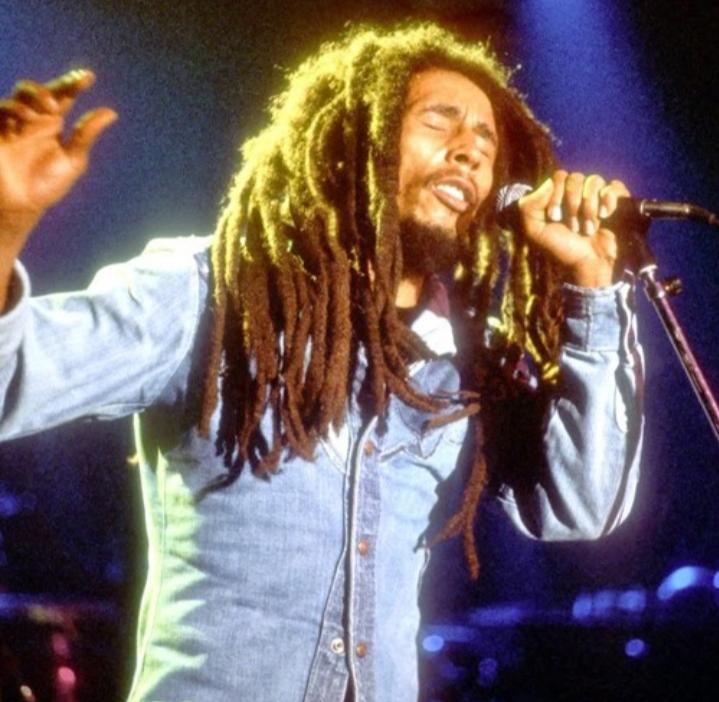
Bob Marley: Biography
Early Life and Background
Bob Marley was born Robert Nesta Marley on February 6, 1945, in Nine Mile, Saint Ann Parish, Jamaica. His father, Norval Sinclair Marley, was a white Jamaican of English descent and a captain in the British colonial forces. His mother, Cedella Booker, was a young Black Jamaican woman from a rural village. Bob’s mixed heritage shaped his early identity, as he often felt caught between two worlds in a society deeply influenced by race and class divisions.
His father provided little presence in his life, and Bob was largely raised by his mother. When he was still a child, they moved from rural Nine Mile to Trench Town in Kingston. Trench Town was a poor but culturally vibrant community that would later become central to the development of reggae music.
Growing up in Trench Town exposed Marley to hardship, but it also introduced him to music as a powerful form of expression. He developed a deep love for singing and began to dream of becoming a musician at a young age.
Formation of The Wailers
In the early 1960s, Marley formed a vocal group with friends Neville Livingston, later known as Bunny Wailer, and Peter Tosh. The group was initially called The Wailing Wailers and later became known as The Wailers.
They were mentored by producer Coxsone Dodd at Studio One in Kingston. Their early music was influenced by ska and rocksteady, the dominant Jamaican styles of the time. Their first major hit, Simmer Down, was released in 1964 and became popular in Jamaica.
During the late 1960s, the group’s sound evolved as reggae began to emerge. Marley also embraced the Rastafarian faith, a spiritual and cultural movement that would deeply shape his music, beliefs, and public image. Rastafarianism emphasized African identity, spiritual consciousness, resistance to oppression, and reverence for Emperor Haile Selassie of Ethiopia.
International Breakthrough
In the early 1970s, The Wailers signed with Island Records under producer Chris Blackwell. This partnership marked the beginning of international recognition. The album Catch a Fire introduced reggae to a global audience. It was followed by Burnin, which featured iconic songs such as Get Up Stand Up and I Shot the Sheriff.
After Bunny Wailer and Peter Tosh left the group to pursue solo careers, Marley continued as Bob Marley and the Wailers, supported by a new lineup that included the I Threes, featuring Rita Marley, Marcia Griffiths, and Judy Mowatt.
The mid 1970s marked Marley’s rise to global superstardom. Albums such as Natty Dread, Rastaman Vibration, and Exodus solidified his reputation. Exodus, released in 1977, included songs such as One Love, Three Little Birds, and Jamming. The album blended political messages with spiritual themes and romantic elements.
Marley became not only a musician but also a symbol of resistance and unity. His lyrics addressed poverty, injustice, colonialism, and freedom. He spoke for the oppressed and became a voice for Africa and the global Black diaspora.
Political Tensions and Exile
Jamaica in the 1970s was politically unstable, with intense rivalry between political parties. Marley was seen as a unifying figure, though he did not formally align himself with any party.
In December 1976, just days before a planned peace concert in Kingston, Marley survived an assassination attempt at his home. He was shot but survived with minor injuries. Despite the attack, he performed at the concert, demonstrating his commitment to peace and unity.
After the attempt on his life, Marley moved to London, where he recorded the Exodus album. His time in exile further expanded his global influence.
Personal Life
Bob Marley married Rita Marley in 1966. Throughout his life, he had several children, both within and outside his marriage. Among his children are internationally recognized artists such as Ziggy Marley and Damian Marley.
Marley lived according to Rastafarian principles, including dietary restrictions and spiritual practices. His dreadlocks, simple clothing, and calm demeanor became iconic representations of reggae culture.
Illness and Death
In 1977, Marley was diagnosed with acral lentiginous melanoma, a rare form of skin cancer, after discovering a wound on his toe that would not heal. Doctors recommended amputation, but Marley declined due to his religious beliefs.
The cancer eventually spread to other parts of his body. Despite his illness, he continued to tour and perform. His final concert took place in Pittsburgh in September 1980.
Bob Marley passed away on May 11, 1981, at the age of thirty six in Miami, Florida. His death was mourned worldwide. Jamaica honored him with a state funeral, recognizing his immense contribution to the nation and to global culture.
Legacy and Global Impact
Bob Marley is widely regarded as the greatest reggae artist of all time. He transformed reggae from a local Jamaican genre into an international movement. His music continues to inspire millions across cultures and generations.
Songs such as Redemption Song, No Woman No Cry, and One Love remain timeless anthems of hope and unity. His message of love, resistance, and spiritual awareness transcends borders.
Marley’s influence extends beyond music. He became a global symbol of peace, freedom, and African pride. His image and music remain powerful decades after his passing.
Robert Nesta Marley lived only thirty six years, yet his impact is immeasurable. Through his voice, message, and unwavering commitment to truth, Bob Marley became immortal in the hearts of people around the world.

Categorias
Leia mais
Olanrewaju Abdul-Ganiu Fasasi Before the awards, before the national recognition, and before his voice became a conscience for millions of Nigerians, there was a young boy in the streets of Lagos with big dreams and sharp observations about the world around him. The world came to know him as Sound Sultan, but his journey began as Olanrewaju Abdul-Ganiu Fasasi — a creative soul born with...

Islam, Christianity, and Judaism are known as the Abrahamic faiths — all tracing their roots to Prophet Abraham (Ibrahim) and teaching belief in one God. The Qur’an presents Islam not as a new faith, but as the final and complete message in a long chain of divine revelations. 📖 What the Qur’an Says The Qur’an clearly states that Islam confirms and continues...

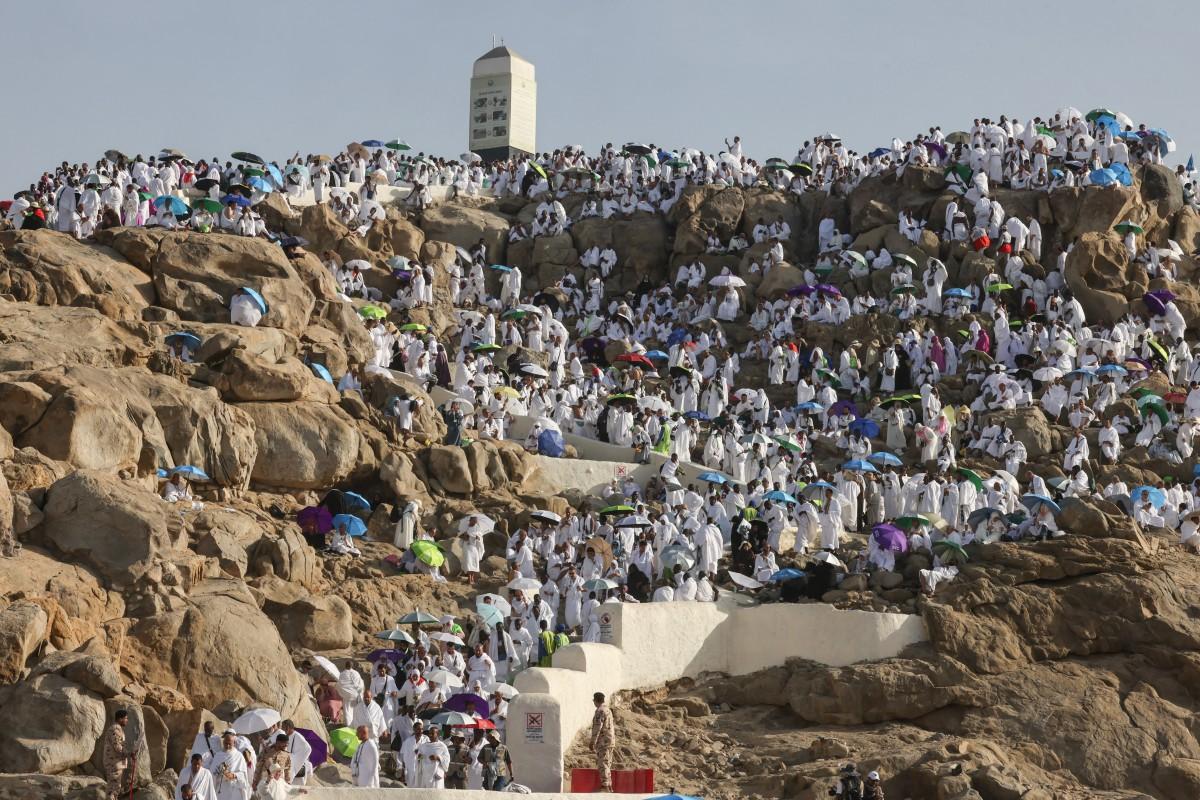
On June 5, 2025, thousands of Muslim pilgrims ascended Mount Arafat—also known as Jabal al-Rahma (Mount of Mercy)—to observe the most sacred day of the Hajj pilgrimage. As the sun rose over the plains of Saudi Arabia, the mountain echoed with heartfelt du'as (prayers), tears, and repentance, marking the spiritual high point of Hajj. Reported by @channelstv, this moment is deeply...
President Bola Ahmed Tinubu has said the value of human life must always take precedence over that of cattle, as he addressed Benue residents during a condolence visit following a surge in deadly attacks linked to suspected armed herders. Speaking at a town hall meeting in Makurdi, the state capital, Tinubu stressed the urgent need to end the bloodshed and foster lasting peace in the region. He...

The day was already moving fast, and he suddenly remembered. His heart skipped. He did not want the day to pass with only an apology and ordinary words. He wanted to give her something simple, thoughtful, and full of love. Then he found the perfect gift. It was not just about the gift itself. It was about the feeling behind it. It showed that he cared, that he remembered, and that she truly...