


 About
About
Feeling Entitled Episode 3

Feeling Entitled
Episode 3: Lagos Does Not Bow
The road to Lagos had felt like a red carpet in Balarabe’s imagination.
As the bus rolled through towns and highways, he leaned against the window, watching the world blur past. He imagined stepping into a city that would finally recognize him for who he believed he was. A future business mogul. A natural leader. A boy too important for classrooms and dusty streets.
His suitcase was large and carefully packed.
Expensive lace outfits. Designer slippers. Two gold colored watches. Sunglasses he barely needed.
Not a single textbook.
Not a single notebook.
He believed he had already graduated from the life of ordinary people.
But when the bus finally entered Lagos, the city did not pause for him.
Cars honked endlessly. Conductors shouted destinations. Street hawkers weaved between vehicles with trays balanced on their heads. The air smelled of fuel, sweat, and ambition.
Balarabe stepped down from the bus with confidence.
No one looked at him twice.
To him, this was his arrival.
To Lagos, he was just another boy stepping into the grind.
His Aunt, Hajia Amina, arrived shortly after. She hugged him warmly but observed him closely. Her eyes scanned his suitcase, his polished shoes, his relaxed posture.
Welcome, Balarabe, she said kindly. Your father told me you are ready to find direction. Lagos is a place of gold, but you must dig for it.
Balarabe smiled casually.
I am here for my greatness, Auntie. Baba said you would help me find my place.
Hajia Amina nodded slowly.
Greatness is not waiting for you at the bus stop. You must walk toward it.
Her house was modest but neat. Clean floors. Simple furniture. Everything had a place. It was not luxury, but it was dignity.
She served him rice and beans for dinner.
Balarabe stared at the plate.
Is there no meat, he asked, pushing the rice slightly with his spoon. Back home Baba always ensures I eat the best.
Hajia Amina’s movements slowed.
In this house, she replied calmly, we eat what we have and we are grateful. Hunger is not solved by complaint.
He forced a few bites but left most of it.
The next morning, she woke him before sunrise.
Get ready. We leave by seven.
Seven, he groaned. For what.
I have spoken to Mr Okafor. He owns a high end furniture workshop. He trains young men in craftsmanship. You will start there today.
Balarabe blinked.
Carpentry.
He sat up fully.
Auntie, look at me. Do I look like someone who works with sawdust.
You look like someone who has no income, she replied without raising her voice.
His pride stung.
But he went.
When he arrived at the workshop, he wore a crisp white shirt and polished shoes that seemed out of place among the wood shavings and heavy tools.
Mr Okafor, a broad shouldered man with calm eyes, handed him sandpaper.
Start with those boards. Smooth the edges.
Balarabe stared at the wood like it had insulted him.
He began reluctantly.
Within thirty minutes, his arms ached. Dust settled on his sleeves. Sweat formed on his forehead.
Around him, boys younger than him worked with focus and speed. Their movements were confident. Their faces serious.
One of them brushed against him accidentally.
Watch it, Balarabe snapped. Do you know who my father is.
The boy laughed without slowing down.
Your father is not here to sand wood for you. Move if you cannot work.
The words hit harder than the dust in his eyes.
By midday, he was exhausted.
This was not the greatness he had imagined.
He glanced around the workshop and noticed a small metal tin on the workbench. It contained loose notes and coins. Supply change.
Without thinking too long, he slipped a few notes into his pocket.
If they will not treat me like a king, he muttered, I will pay myself like one.
He left during the lunch break and did not return.
Instead, he walked through busy streets, buying meat pies and chilled drinks. He sat under a shade and convinced himself he was too big for manual work.
By evening, he returned to his aunt’s house.
The place is toxic, he declared. They are jealous of me. They are trying to reduce me.
Hajia Amina said nothing.
She simply watched him.
That night, her phone rang.
She stepped into the corridor to answer.
It was Mr Okafor.
Your nephew did not return after lunch, he said bluntly. And some money is missing from my bench.
Her chest tightened.
Are you certain, she asked carefully.
I do not accuse without reason. The boys saw him near the tin.
Silence filled the line.
Thank you for informing me, she said quietly.
When she returned inside, Balarabe was scrolling through his phone, relaxed.
She stood before him.
Did you steal from the workshop.
His eyes widened slightly.
Steal. Auntie, that is a strong word.
Answer me.
He hesitated.
It was just small money. They were not treating me properly.
Hajia Amina stared at him for a long moment.
Then she spoke softly.
In Lagos, small theft grows into prison. Pride grows into hunger. You think you are special, but you are only untrained.
He stood up defensively.
I do not belong in that place.
She nodded.
You are right. Not yet.
He smirked slightly, thinking he had won.
But her next words changed the air.
Tomorrow morning, you will return the money and apologize.
He frowned.
Apologize. Me.
Yes. You.
I will not.
Then you will pack your things and return to your father’s house, she replied calmly. But if you return without learning discipline, you will remain a child forever.
The room went silent.
For the first time, no one was praising him.
No one was defending him.
No one was calling him Golden.
The next morning, he followed her back to the workshop.
His steps were slower.
Mr Okafor stood near the entrance.
Balarabe’s throat tightened.
I took the money, he said quietly. I am returning it.
He placed the notes on the bench.
The apprentices watched.
Some shook their heads.
Mr Okafor looked at him carefully.
You want to be great, he said. Then start by mastering small things.
Balarabe felt humiliation burn through him.
That evening, he sat on the rooftop of his aunt’s house alone.
Lagos lights flickered in the distance.
For the first time, doubt entered his mind.
Maybe greatness was not inherited.
Maybe it was earned.
But pride still fought inside him.
And Lagos had not finished testing him yet.
Because the city does not break you in one day.
It chips at you slowly.
And if arrogance refuses to bend, life will eventually force it to kneel.
End of Episode 3.
To be continued. Episode 4

Categories
Read More
When you’re knee-deep in Grow a Garden, every Sheckle counts—especially when inflation sneaks into the in-game economy and everything suddenly costs more. Whether you’re trying to keep your garden thriving or aiming to expand your resource empire, smart trading and smart spending can make or break your success. Let’s dive into 17 strategic Sheckles swaps that will help...

Broda Shaggi Broda Shaggi is a Nigerian comedian, actor, musician, and social media content creator. He is widely known for his humorous character “Oya Hit Me” and his energetic comedy skits that reflect everyday Nigerian life. Early Life and Background Broda Shaggi whose real name is Samuel Animashaun Perry was born on July 6, 1993, in Lagos State, Nigeria. He originally...

Tomike Adeoye Tomike Adeoye popularly know as OLORI EBI is a Nigerian media personality, actress, TV host, and event presenter known for her vibrant personality and strong presence in the Nigerian entertainment industry. She has built a reputation as one of the energetic and versatile female hosts in Nigeria. Early Life and Background Tomike Adeoye was born on August 17,...

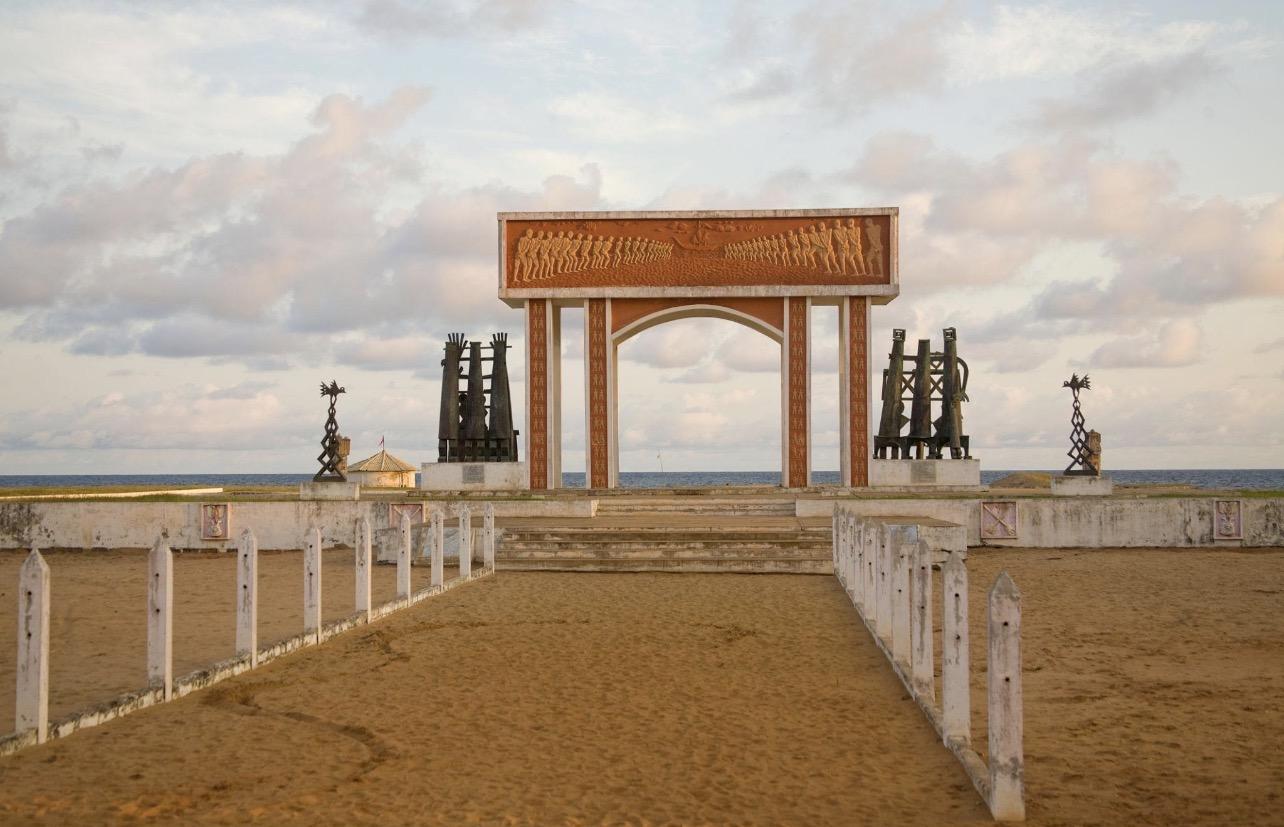
Ouidah Route of Slaves In the quiet coastal town of Ouidah in the Republic of Benin stands one of the most powerful historical reminders of human suffering, survival, and memory. The place is known as the Route of Slaves, a path of about four kilometers that once carried thousands of captured African men, women, and children from the slave markets of Ouidah to the shores of the...
Daniel’s POV The decision didn’t come with noise. It came quietly, one evening, as I watched Victoria marking her notes beside me, her face calm but tired. I realized then that love wasn’t just about feeling it was about direction. And mine needed to change. “Victoria,” I said softly. She looked up immediately. “You’re thinking...

