


 Environ
How Did the Safety Match Originate?
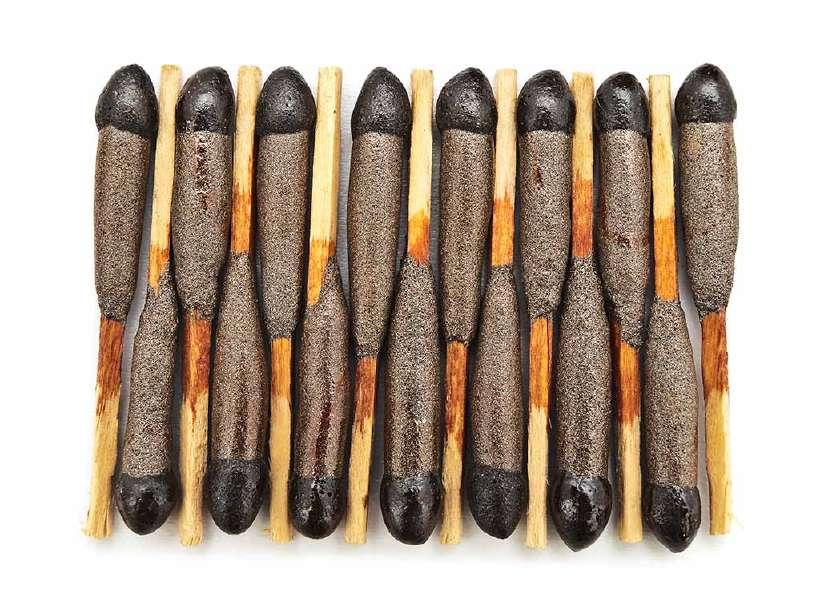
Long before matches were invented, making fire was slow and stressful. People created fire by striking two flint stones together to produce sparks or by rubbing a hard stick against a softer one until heat from friction caused the wood to smoulder. Later, they used a tinder box filled with flint, steel, and dry materials like linen or silk to catch sparks. Even then, starting a fire could take a long time, especially when the weather was cold or the tinder was damp.
In the 18th century, matches were introduced to make lighting fires easier. The earliest matches were thin sticks of wood, cardboard, or waxed paper with their tips coated in chemicals. Some were dipped in sulphur, which caught fire quickly. The Chinese had used sulphur-coated sticks as far back as the sixth century. However, sulphur produced strong and harmful fumes, and these matches still required a spark from a tinder box, so they were not very convenient.
A major breakthrough came in 1827 when an English chemist named John Walker invented the first practical friction match. He coated the match head with a mixture of antimony sulphide, potassium chlorate, gum, and starch. When the stick was scraped against a rough surface, it burst into flame. Walker called them “friction lights.” Although they worked better than earlier methods, they could spark violently or ignite by accident, which made them dangerous. Because of this, people nicknamed them “Lucifers.”
The real improvement came in 1844 when a Swedish chemist, Gustav Erik Pasch, developed the safety match. Instead of placing all the chemicals on the match head, he divided them between the match and the side of the matchbox. The match would only light when struck against the special surface on the box that contained red phosphorus. This clever design made matches safer, more stable, and easier to carry without the risk of accidental fire. Soon, safety matches were mass-produced and became widely used.
Today, there are two main types of matches. Lucifer or friction matches can light on any rough surface but are less safe and rarely used. Safety matches, which only ignite on the matchbox strip, are much safer and are the common type used around the world.
The invention of the safety match may seem small, but it changed everyday life. It made lighting stoves, lamps, and fires quick and simple, giving people a safe and portable way to create fire whenever they needed it.
Catégories
Lire la suite
Jide Awobona Jide Awobona is a Nigerian Nollywood actor, filmmaker, and television personality widely known for his roles in Yoruba language films and television dramas. Over the years he has gained recognition for his powerful acting style and his ability to portray emotional and complex characters. He is considered one of the talented actors who helped shape the modern Yoruba movie...

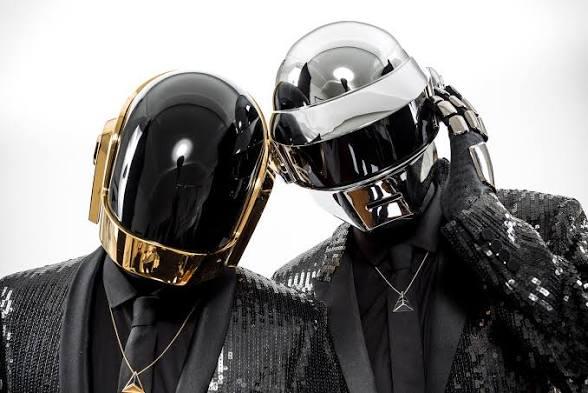
Daft Punk Daft Punk was a legendary French electronic music duo known for their futuristic style, robot personas, and groundbreaking influence on electronic dance music. The group consisted of Thomas Bangalter and Guy-Manuel de Homem-Christo. They formed the duo in Paris, France, in 1993. Early Formation Before Daft Punk, the two members were part of a band called Darlin’. After...
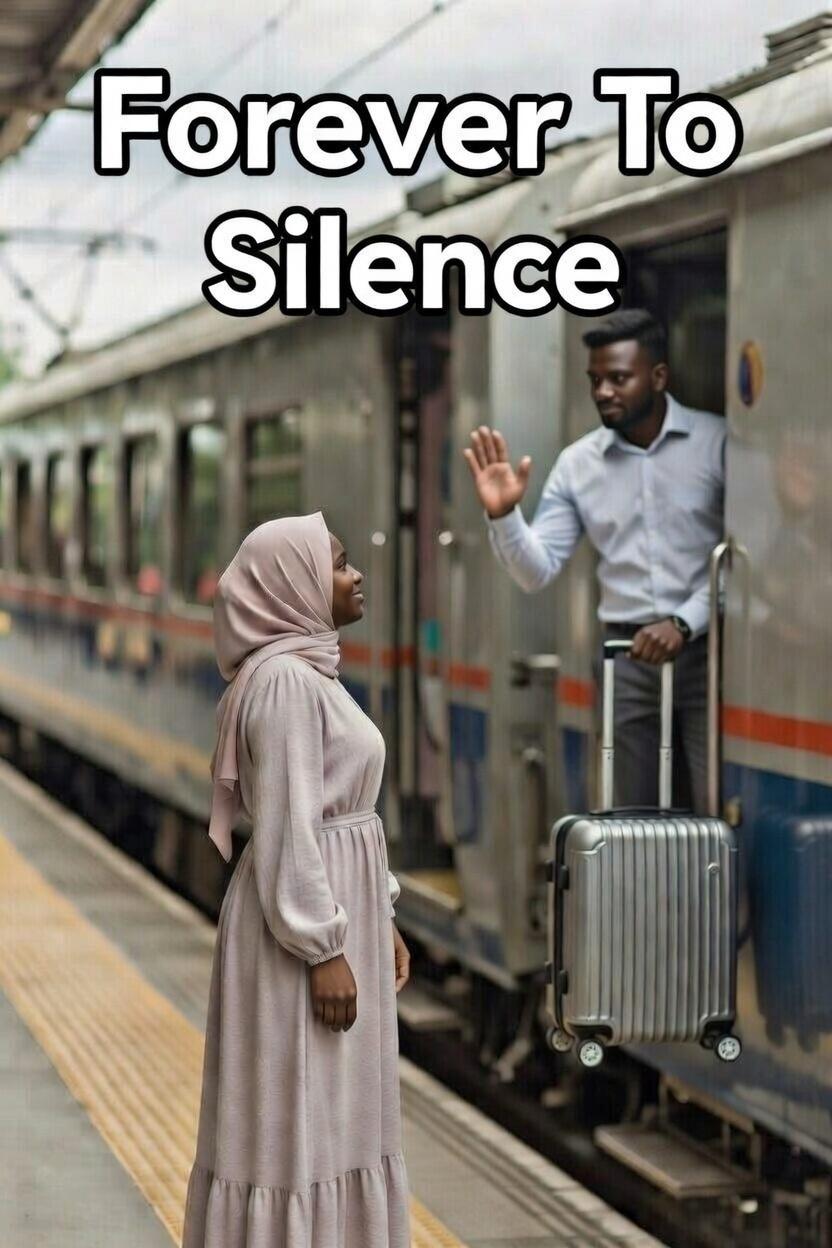
I love him. I truly do. I have loved Folarin all my life, even before love had a name for what I felt. When we finally got married, I believed my waiting had ended. I thought I had stepped into the happiest chapter of my life. One year after our marriage, Folarin traveled out of Nigeria. It wasn’t easy, but we agreed it was for our future. I stood by him with everything I had. In...
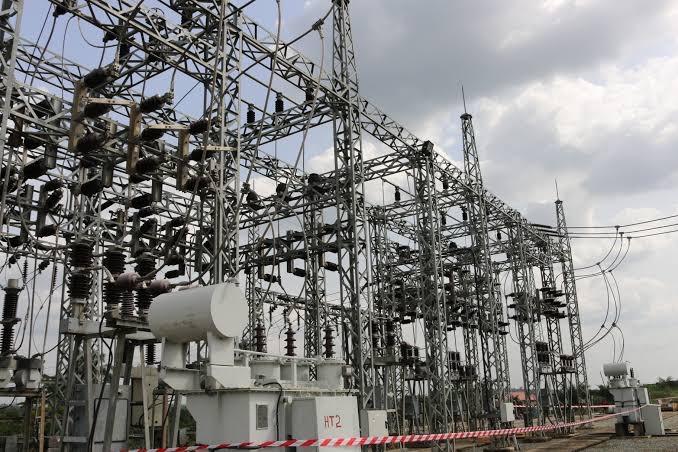
The Transmission Company of Nigeria (TCN) has officially commenced the construction of transmission lines to connect the newly built 330kV Bauchi substation to the national grid. This move marks a major step toward improving electricity supply in the Northeast and boosting grid stability nationwide. Once completed, the project is expected to strengthen power delivery across Bauchi and...
If love truly announces itself, then gossip announces it louder. I didn’t realize people were watching us until they started talking. At first, it was playful jokes from fellow teachers. Then it became whispers, glances, and knowing smiles. Anytime Daniel and I laughed together or stood too close, I could feel eyes following us. One afternoon, a bold pupil asked, “Madam...

