О нас
О нас
History of the Lagos Colony
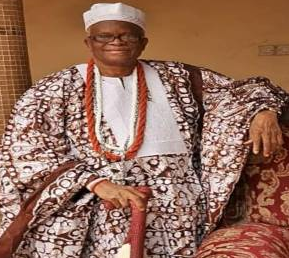
Before Lagos became a city of endless traffic, towering bridges, and restless ambition, it was Eko a quiet but strategic island settlement surrounded by creeks, mangroves, and the Atlantic Ocean. Fishermen cast their nets into calm waters, traders paddled wooden canoes through narrow channels, and authority rested in the hands of local chiefs loyal to a distant but powerful kingdom.
Eko: The Island Before the Empire
Eko was founded by the Awori Yoruba, who valued the land for its natural protection and access to water routes. Over time, the island fell under the influence of the Benin Empire, whose rulers saw Eko as a valuable military and trading outpost. The Benin-appointed ruler became known as the Oba of Lagos, a king who governed on behalf of tradition, commerce, and power.
Life in Eko revolved around fishing, farming, and trade. Markets bustled with salt, fish, cloth, and kola nuts. The island was peaceful—but it would not remain so for long.
The Coming of the Atlantic Trade
By the 17th and 18th centuries, European ships began to appear more frequently on the Lagos coast. What started as trade soon hardened into something darker. Lagos became deeply entangled in the Atlantic slave trade, exporting thousands of enslaved Africans to Brazil, Cuba, and the Caribbean.
Slave merchants grew wealthy. Firearms entered the city. Power struggles intensified. Lagos transformed from a modest coastal town into one of the most important slave ports in West Africa feared, desired, and watched closely by foreign powers.
British Eyes on Lagos
In the 19th century, Britain abolished the slave trade and turned its naval power toward suppressing it along the African coast. But morality was not the only motivation. Britain wanted control control of trade routes, palm oil commerce, and strategic ports.
Lagos was perfect:
-
A deep natural harbor
-
Access to inland Yoruba markets
-
Political instability ripe for manipulation
British missionaries preached Christianity. Traders demanded protection. Warships hovered offshore like warnings made of iron.
Kings, Conflicts, and Foreign Pressure
Lagos politics became deadly. Rival Obas rose and fell. Some resisted British influence; others cooperated to secure their thrones. Civil unrest weakened the city from within, giving Britain the excuse it needed.
Gunboat diplomacy followed. Treaties were drafted. Cannons spoke when words failed.
1861: The Day Lagos Fell
In 1861, under the threat of force, Oba Dosunmu signed the Treaty of Cession. With that single document, Lagos ceased to be a sovereign kingdom.
The Union Jack was raised. Lagos became a British Crown Colony.
The Oba remained—but only as a symbol. Real power now rested in colonial offices, written laws, and foreign hands.
Building the Lagos Colony
From 1861 to 1906, the Lagos Colony was reshaped to serve British interests:
-
Roads and railways linked Lagos to the interior
-
The port expanded, handling palm oil, cocoa, and imports
-
English law replaced indigenous systems
-
Mission schools trained clerks, interpreters, and teachers
Freed slaves returned from Sierra Leone and Brazil—Saro and Amaro—bringing new ideas, architecture, and culture. Lagos became loud, diverse, educated, and restless.
A City Awakens
With education came newspapers. With newspapers came criticism. Lagosians began to question colonial authority, demand rights, and imagine self-rule. Lawyers, journalists, and activists used words where guns once ruled.
Lagos was no longer just a colony—it was becoming a political conscience.
1906: The End of the Colony
In 1906, the Lagos Colony was merged with the Protectorate of Southern Nigeria. Lagos lost its separate colonial status but gained something bigger: it became the administrative heart of Southern Nigeria.
Later, in 1914, it would become the capital of a new nation—Nigeria.
The Lasting Legacy
The Lagos Colony shaped everything that followed:
-
Lagos as Nigeria’s economic powerhouse
-
English as a language of power
-
Urban culture, press freedom, and political activism
Modern Lagos with all its chaos, creativity, and contradictions—was born in those colonial years, standing on foundations laid long before Britain arrived.

Категории
Больше
A former president of Nigeria, Yemi Osinbajo has appealed to young Christians across the country to get involved in politics. Osinbajo urged the younger Christian population to ensure they become part of the deciding bloc during elections in the country. The former vice president and senior lawyer made the appeal while delivering his keynote address at the 2nd Annual Daniel Taiwo Odukoya...

Dunsin Oyekan Dunsin Oyekan is a Nigerian gospel singer, songwriter, producer, instrumentalist, and worship revivalist known for his deep, spiritually intense worship songs. Often referred to as “The Eagle,” Dunsin Oyekan has become one of the leading voices in contemporary Nigerian gospel music. Early Life and Background Dunsin Oyekan was born Dunsin Akin Oyekan on...

Big news for Africa’s industrial landscape! According to a recent report by The African Exponent, Nigeria has been ranked 3rd among the top 10 manufacturing countries in Africa, solidifying its place as a growing force in the continent’s economic future. The report highlights Nigeria's evolving industrial sector and its potential for investment, innovation, and job creation —...
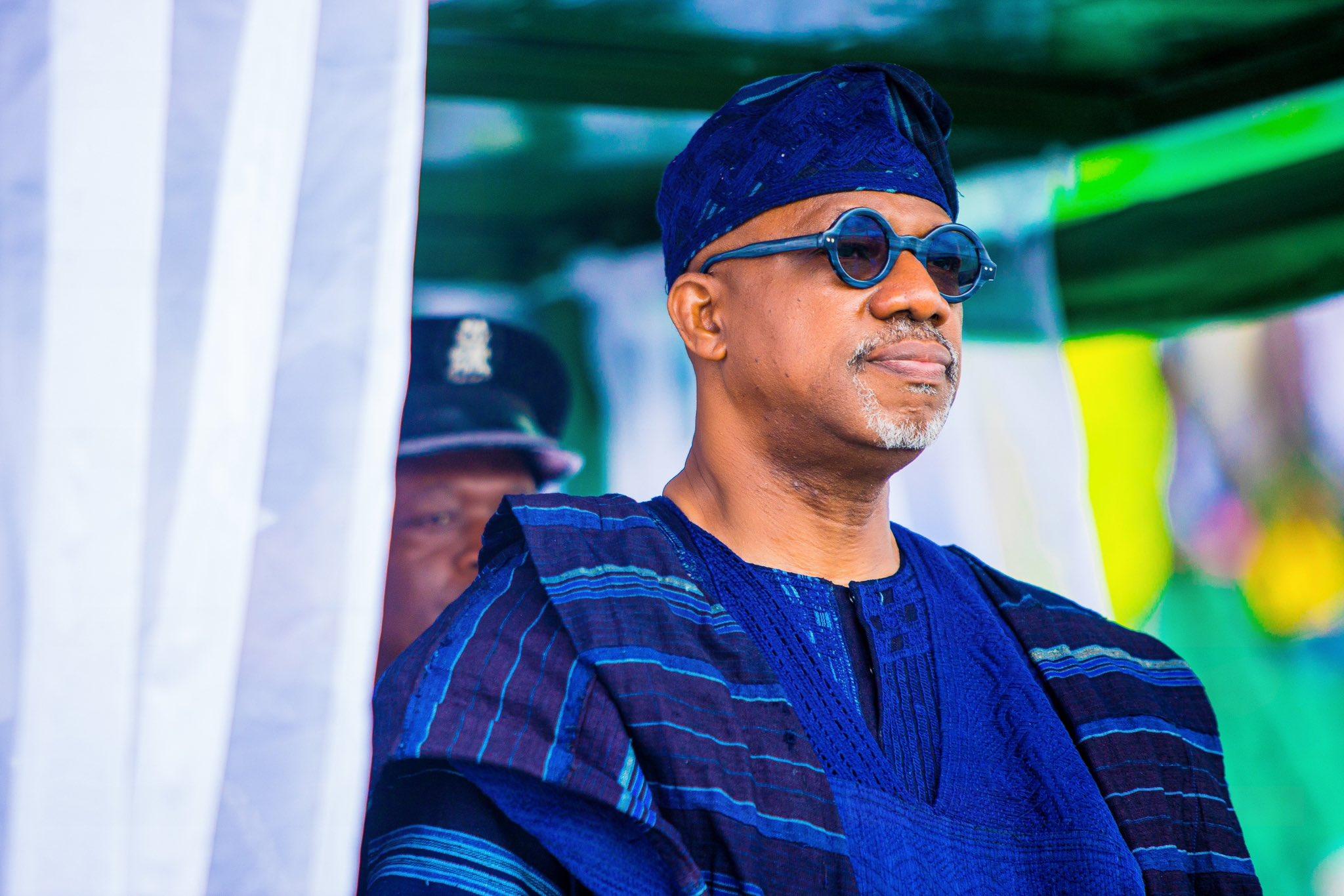
In an effort to provide adequate security for the residents of the Ibara GRA Regeneration Scheme, Ogun State Governor Dapo Abiodun has approved the construction of a ring-fenced perimeter and the installation of a gating system at the estate. Speaking against the backdrop of perimeter fencing, the Commissioner for Housing, Jamiu Akande Omoniyi, said the approved security measures were also...
Crayon Crayon, whose real name is Charles Chibuezechukwu Chukwu, is a Nigerian singer and songwriter known for his smooth Afrobeat sound and energetic performances. He gained popularity after being signed to Mavin Records, one of Nigeria’s leading music labels founded by Don Jazzy. Early Life and Background Crayon was born on November 21, 2000, in Lagos State, Nigeria. He hails from...