


 Environ
My Husband Was Never My Choic

I married a man because I loved his wife.
Even writing that sentence still feels strange, like confessing a crime without handcuffs. My name is Morenike, and yes, I am a lesbian. I have known it for as long as I can remember, even before I had the courage to give it a name. But love does not always arrive in clean, respectable ways. Sometimes it wears a disguise, and sometimes it makes you do unforgivable things in the name of desire.
I met Adeshewa on an ordinary afternoon at a restaurant in Ibadan. I had gone there to eat alone, my mind heavy with thoughts I could never share. Then she walked in soft-spoken, graceful, smiling like someone who carried light inside her. When she laughed, I forgot the taste of my food. I remember thinking, Who is this beautiful woman? Not just beautiful in body, but in presence. I watched her from my seat, ashamed of my stare, yet unable to look away.
Later, I saw her again. And again. Always with her husband, Kola.
That was when the idea entered my mind quiet at first, then louder, more dangerous. If I could not have her openly, maybe I could be close to her secretly. Maybe proximity would be enough. Maybe love could survive in silence.
Kola was kind, ambitious, and clearly in love with his wife. When he started showing interest in me, I did not stop him. I encouraged it. I told myself I was not hurting anyone, that marriage was just a formality, that my heart would remain untouched. But I was lying to myself.
When I became Kola’s second wife, Adeshewa looked at me with confusion, maybe even pity. I could see the questions in her eyes, but she never asked them. In our culture, questions are dangerous, especially for women.
Inside the house, I became careful and gentle with her. When Kola was around, I acted like a respectful co-wife. When he traveled, I changed. I spoke softly to her, complimented her hair, her cooking, the way she prayed at night. Sometimes she would smile. Other times, she would just look at me, silent and guarded, as if she sensed something she could not name.
The night everything changed, Kola had traveled for work. The house felt too quiet, like it was holding its breath. I went into Adeshewa’s room, my heart pounding so loudly I thought she could hear it. I lay beside her, keeping my distance at first. She stiffened, fear running through her body like electricity.
I told her everything.
I told her how I had loved her from the first day. How I married her husband just to be close to her. How I had never touched Kola as a wife should. How my love for her had grown like a secret fire.
She jumped out of bed as if burned.
“I will never do that with you,” she said, her voice shaking. “I love my husband.”
Then she ran.
That night, I did not sleep. Fear sat on my chest, heavy and unforgiving. Adeshewa did not speak to me the next day. She avoided my eyes, avoided my presence. I watched her and wondered if she would tell Kola, tell the family, tell the world. In one moment, I imagined myself exposed, disgraced, destroyed. In another, I imagined running away, starting over in a place where love did not need permission.
I began to question myself. Should I run away before my secrets ruin us all? Or should I try to live the life I chose, give love a chance with Kola, and bury the part of me that loved women?
But love does not die because you ask it to. And pretending has its own kind of violence.
In the end, I realized the truth I had avoided: I had used Kola and endangered Adeshewa in the name of my fear. Love built on deception only leaves scars. Whether I stayed or ran, something had to change honesty, even if it cost me everything.
Because the most dangerous lie I told was not to them.
It was the one I told myself

Catégories
Lire la suite
The legal spotlight remains firmly on CBEX Global, the embattled cryptocurrency exchange at the center of a $1 billion fraud investigation. Following the arrest and detention of several CBEX operators, a federal high court is set to rule on their bail application on June 30, 2025. The accused are facing serious allegations tied to large-scale financial fraud, illicit crypto transactions, and...

Abiodun Duro Abiodun Duro is a Nigerian actress and filmmaker known for her work in Nollywood, particularly in Yoruba language films. She has steadily built a name for herself through consistent performances, dedication, and her ability to portray emotional and relatable characters. Early Life and Background Abiodun Duro was born and raised in Nigeria in a culturally rich...
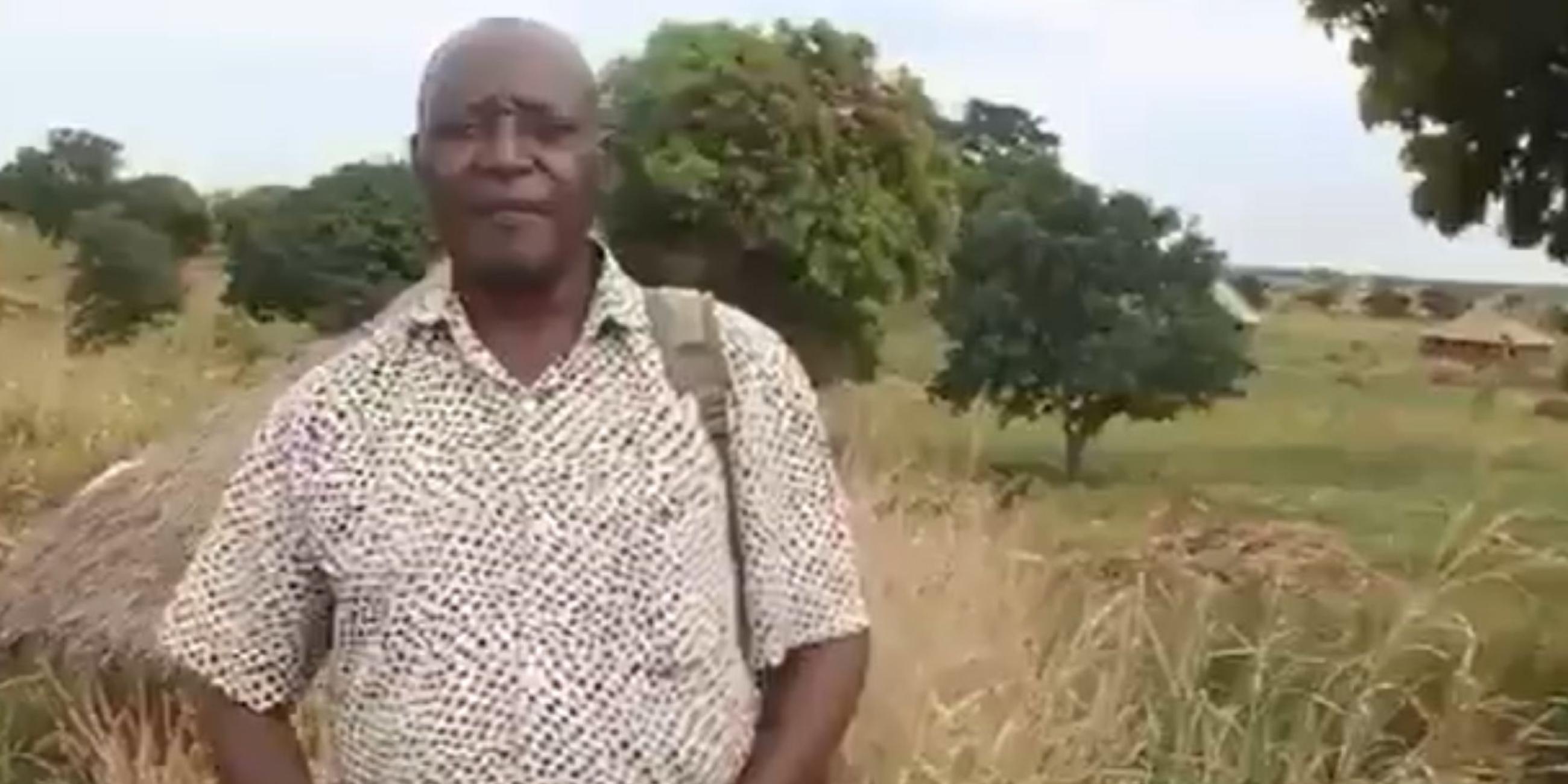
The Kaduna State Government, led by Governor Uba Sani, has reportedly directed security agencies to prevent journalists without official clearance from entering villages abandoned after bandit attacks. The move is believed to be a response to reporting by journalist Luka Binniyat, whose videos and articles contradicted the government’s narrative that its peace deal with bandits had...
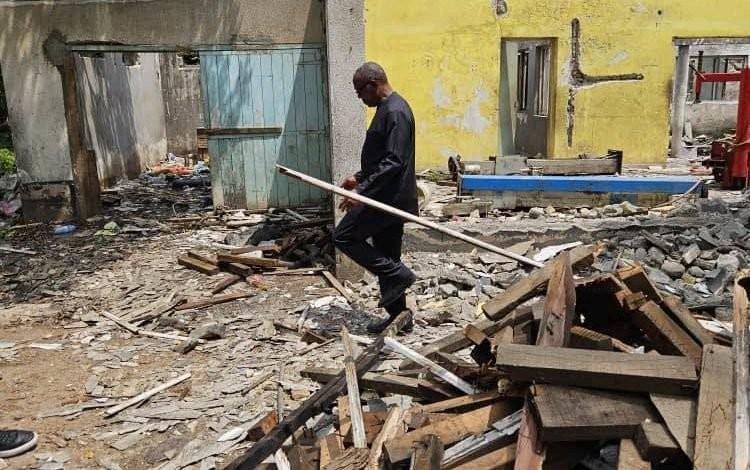
Peter Obi, former governor of Anambra State and 2023 Labour Party presidential candidate, has decried the state of lawlessness in Nigeria after his younger brother’s property was allegedly demolished in Ikeja, Lagos without any legal order. In a statement shared via Facebook on Tuesday, Obi narrated how his brother, who had just returned from Port Harcourt, arrived at the company’s...
A political rift between tech mogul Elon Musk and U.S. President Donald Trump has erupted into a full-blown public feud, marked by sharp accusations and bombshell claims about government secrecy and political betrayal. On Thursday, Musk took to X (formerly Twitter) to directly accuse Trump of lying about his involvement in a controversial spending bill. “False,” Musk posted....

