• Did Wike Admit Using the Judiciary for APC’s Political Battles? Why the FCT Minister Says He Helped Kill Osun’s LG Funds Case—and What It Means for Democracy in Nigeria

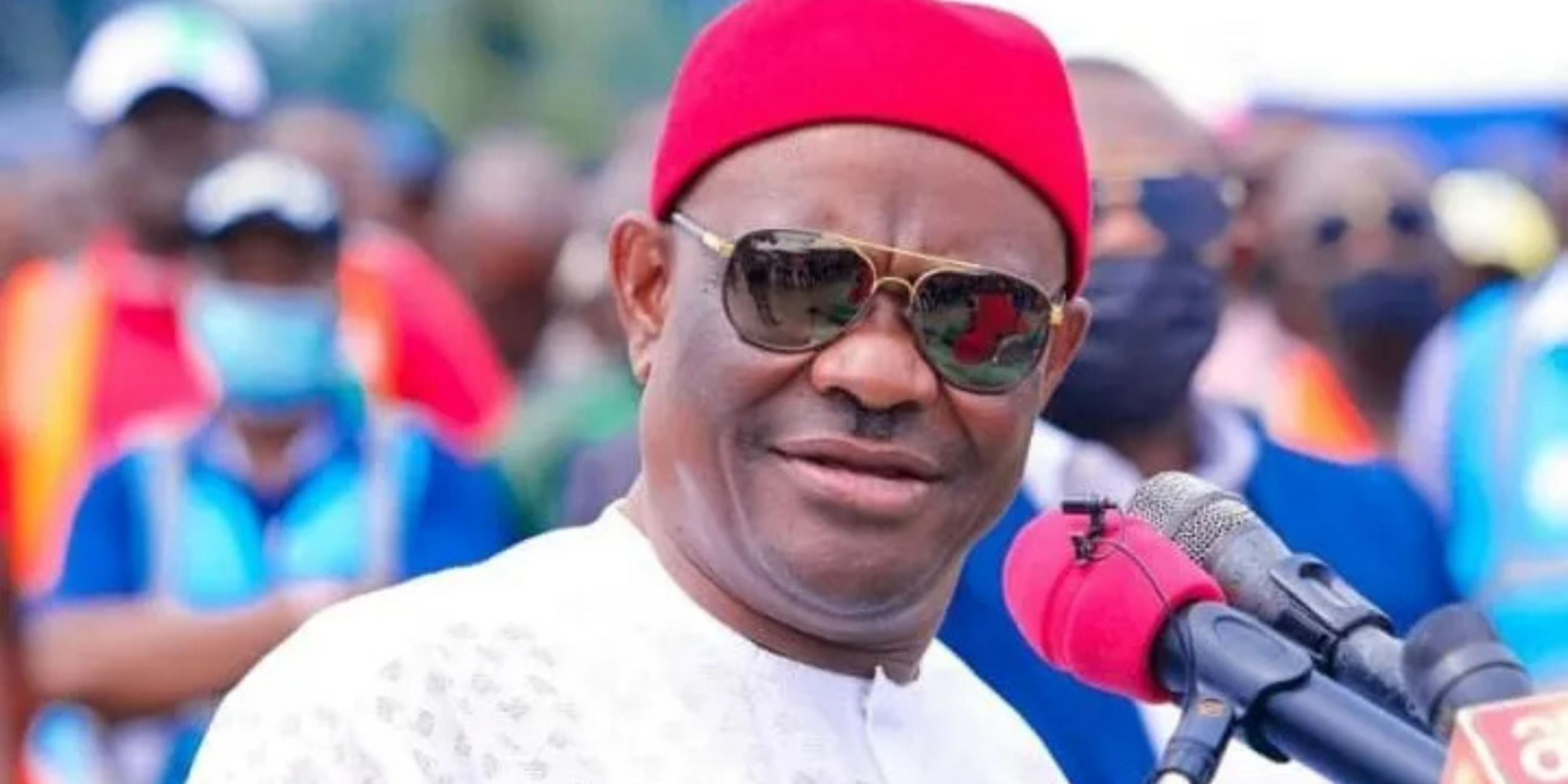
    Nigeria’s political space was thrown into controversy after Minister of the Federal Capital Territory (FCT), Nyesom Wike, openly claimed that he helped influential figures within the ruling All Progressives Congress (APC) use the judiciary to frustrate the Osun State local government funds lawsuit. Speaking in a video circulating online, Wike boasted that the court actions that led to the withholding of Osun’s local government allocations were not accidental but carefully engineered by powerful political actors working behind the scenes.

    Addressing a crowd in Port Harcourt, the former Rivers State governor accused APC National Secretary, Senator Ajibola Basiru, of enjoying the political benefits of judicial decisions against the Osun State Government without acknowledging those who made them possible. According to Wike, the lawsuit—widely viewed as targeting Governor Ademola Adeleke’s administration—was part of a broader political strategy rather than a purely legal process.

    Wike warned APC leaders against what he described as ingratitude, insisting that their current advantage in Osun was the result of unseen political manoeuvres. “Today, you are enjoying in Osun. You don’t know those who did the work,” he said, cautioning party leaders not to “take our support for Mr President for granted.” His remarks appeared to be a direct response to Basiru’s criticism of his involvement in Rivers State politics.

    The political clash follows Basiru’s demand that Wike resign as FCT minister, arguing that he is not a member of the APC and therefore has no standing to interfere in the party’s internal affairs. Basiru maintained that his comments were aimed at defending party structure and respecting sitting governors, adding that Wike’s response was inappropriate for a member of the Federal Executive Council.

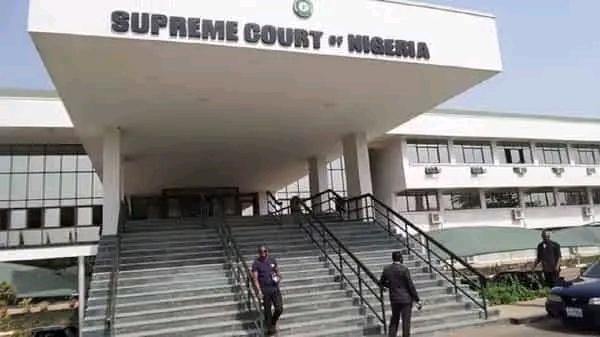
    The controversy also reopens debate surrounding the Supreme Court’s December 2025 ruling on the Osun local government funds dispute. While the Court faulted the Federal Government for withholding funds, it also ruled that the Osun Attorney General lacked the authority to sue on behalf of the local councils without proper authorisation. A minority judgment, however, criticised the Federal Government’s action as harmful to local governance.

    Wike’s admission has triggered intense reactions across political and civil society circles, raising troubling questions about judicial independence, political influence over court processes, and the weaponisation of legal institutions for partisan gain. If court outcomes can be “worked out” through political connections, critics ask, what does this mean for democracy, federalism, and the rule of law in Nigeria?

    As tensions escalate between Wike and APC leadership, the episode underscores a deeper struggle over power, loyalty, and accountability within Nigeria’s political system—one that could reshape party alliances, governance in Osun and Rivers States, and public trust in the judiciary.

    Did Wike Admit Using the Judiciary for APC’s Political Battles? Why the FCT Minister Says He Helped Kill Osun’s LG Funds Case—and What It Means for Democracy in Nigeria Nigeria’s political space was thrown into controversy after Minister of the Federal Capital Territory (FCT), Nyesom Wike, openly claimed that he helped influential figures within the ruling All Progressives Congress (APC) use the judiciary to frustrate the Osun State local government funds lawsuit. Speaking in a video circulating online, Wike boasted that the court actions that led to the withholding of Osun’s local government allocations were not accidental but carefully engineered by powerful political actors working behind the scenes. Addressing a crowd in Port Harcourt, the former Rivers State governor accused APC National Secretary, Senator Ajibola Basiru, of enjoying the political benefits of judicial decisions against the Osun State Government without acknowledging those who made them possible. According to Wike, the lawsuit—widely viewed as targeting Governor Ademola Adeleke’s administration—was part of a broader political strategy rather than a purely legal process. Wike warned APC leaders against what he described as ingratitude, insisting that their current advantage in Osun was the result of unseen political manoeuvres. “Today, you are enjoying in Osun. You don’t know those who did the work,” he said, cautioning party leaders not to “take our support for Mr President for granted.” His remarks appeared to be a direct response to Basiru’s criticism of his involvement in Rivers State politics. The political clash follows Basiru’s demand that Wike resign as FCT minister, arguing that he is not a member of the APC and therefore has no standing to interfere in the party’s internal affairs. Basiru maintained that his comments were aimed at defending party structure and respecting sitting governors, adding that Wike’s response was inappropriate for a member of the Federal Executive Council. The controversy also reopens debate surrounding the Supreme Court’s December 2025 ruling on the Osun local government funds dispute. While the Court faulted the Federal Government for withholding funds, it also ruled that the Osun Attorney General lacked the authority to sue on behalf of the local councils without proper authorisation. A minority judgment, however, criticised the Federal Government’s action as harmful to local governance. Wike’s admission has triggered intense reactions across political and civil society circles, raising troubling questions about judicial independence, political influence over court processes, and the weaponisation of legal institutions for partisan gain. If court outcomes can be “worked out” through political connections, critics ask, what does this mean for democracy, federalism, and the rule of law in Nigeria? As tensions escalate between Wike and APC leadership, the episode underscores a deeper struggle over power, loyalty, and accountability within Nigeria’s political system—one that could reshape party alliances, governance in Osun and Rivers States, and public trust in the judiciary.
    like
    1
    · 0 التعليقات ·0 المشاركات ·3كيلو بايت مشاهدة
  • You Are Pushing Nigeria Toward a One-Party State, It Won’t Work” — Oyo Governor Seyi Makinde Warns President Tinubu Amid Political Defections

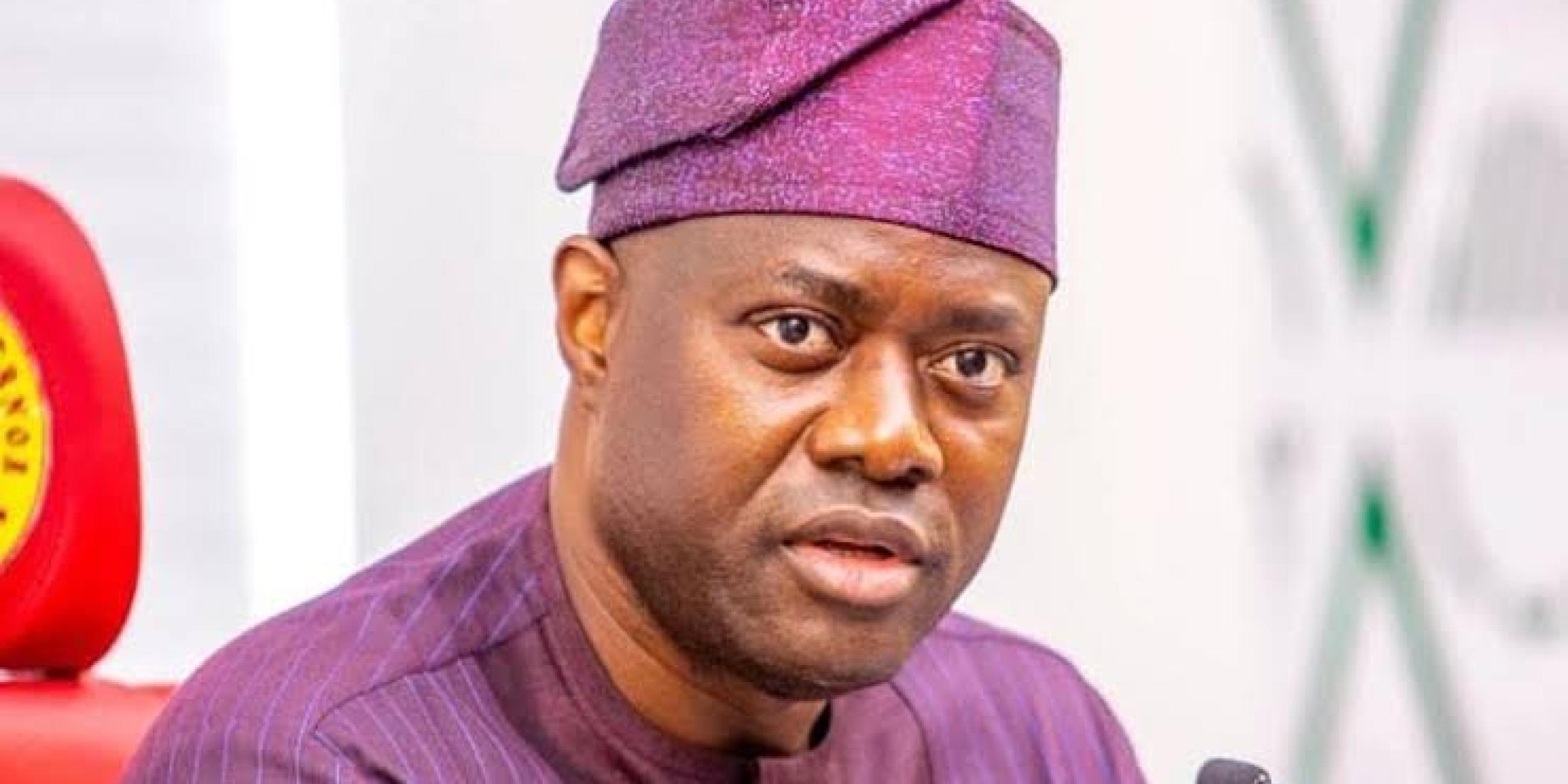
    Oyo State Governor Seyi Makinde has cautioned President Bola Tinubu against actions he says could push Nigeria toward a one-party state, warning that such a move would undermine the country’s federal structure and multi-party democracy. Speaking during a media chat, Makinde said Nigeria was founded on two non-negotiable principles—federalism and political pluralism—and abandoning them could threaten national stability. Addressing recent defections and internal crises within the Peoples Democratic Party (PDP), the governor insisted he remains unmoved and opposed to weakening the opposition. Makinde stressed that Nigeria’s diversity requires a political system that accommodates multiple voices, warning that suppressing opposition could lead to instability and unpredictable consequences.

    #OnePartyState
    #NigeriaPolitics
    #MakindeTinubu
    You Are Pushing Nigeria Toward a One-Party State, It Won’t Work” — Oyo Governor Seyi Makinde Warns President Tinubu Amid Political Defections Oyo State Governor Seyi Makinde has cautioned President Bola Tinubu against actions he says could push Nigeria toward a one-party state, warning that such a move would undermine the country’s federal structure and multi-party democracy. Speaking during a media chat, Makinde said Nigeria was founded on two non-negotiable principles—federalism and political pluralism—and abandoning them could threaten national stability. Addressing recent defections and internal crises within the Peoples Democratic Party (PDP), the governor insisted he remains unmoved and opposed to weakening the opposition. Makinde stressed that Nigeria’s diversity requires a political system that accommodates multiple voices, warning that suppressing opposition could lead to instability and unpredictable consequences. #OnePartyState #NigeriaPolitics #MakindeTinubu
    like
    1
    · 0 التعليقات ·0 المشاركات ·1كيلو بايت مشاهدة
  • Supreme Court’s Emergency Politics: Odinkalu Faults Nigeria’s Apex Court for Expanding Presidential Powers Under Rivers State Emergency Rule

    In this incisive opinion, human rights lawyer and scholar Chidi Anselm Odinkalu criticises Nigeria’s Supreme Court over its handling of the Rivers State emergency proclamation declared by President Bola Tinubu in March 2025. Odinkalu argues that despite declining jurisdiction in the case filed by PDP governors, the court went ahead to issue a far-reaching “discussion” that effectively legitimised presidential powers to suspend elected state officials under emergency rule. He describes the ruling as a cynical and political expansion of executive authority, warning that the court’s interpretation undermines federalism, democratic accountability, and constitutional safeguards. According to Odinkalu, the Supreme Court’s actions will have long-lasting consequences for governance and the balance of power in Nigeria.
    Supreme Court’s Emergency Politics: Odinkalu Faults Nigeria’s Apex Court for Expanding Presidential Powers Under Rivers State Emergency Rule In this incisive opinion, human rights lawyer and scholar Chidi Anselm Odinkalu criticises Nigeria’s Supreme Court over its handling of the Rivers State emergency proclamation declared by President Bola Tinubu in March 2025. Odinkalu argues that despite declining jurisdiction in the case filed by PDP governors, the court went ahead to issue a far-reaching “discussion” that effectively legitimised presidential powers to suspend elected state officials under emergency rule. He describes the ruling as a cynical and political expansion of executive authority, warning that the court’s interpretation undermines federalism, democratic accountability, and constitutional safeguards. According to Odinkalu, the Supreme Court’s actions will have long-lasting consequences for governance and the balance of power in Nigeria.
    0 التعليقات ·0 المشاركات ·561 مشاهدة
  • Supreme Court Did Not Approve Dissolution of Democratic Structures Under Emergency Rule — Falana Clarifies Judgment

    Human rights lawyer Femi Falana, SAN, has clarified that the Supreme Court did not endorse the dissolution or suspension of democratic structures during the declaration of emergency rule in any Nigerian state. Addressing widespread media misinterpretations, Falana explained that while the apex court dismissed the suit challenging emergency rule for lack of jurisdiction, it nevertheless considered the substance of the case. According to the leading judgment by Justice Mohammed Baba Idris, Section 305 of the 1999 Constitution does not grant the President the power to dissolve or displace elected executive or legislative institutions at the state level. Falana stressed that the ruling reaffirmed Nigeria’s commitment to federalism, separation of powers, and the constitutional autonomy of state governments.
    Supreme Court Did Not Approve Dissolution of Democratic Structures Under Emergency Rule — Falana Clarifies Judgment Human rights lawyer Femi Falana, SAN, has clarified that the Supreme Court did not endorse the dissolution or suspension of democratic structures during the declaration of emergency rule in any Nigerian state. Addressing widespread media misinterpretations, Falana explained that while the apex court dismissed the suit challenging emergency rule for lack of jurisdiction, it nevertheless considered the substance of the case. According to the leading judgment by Justice Mohammed Baba Idris, Section 305 of the 1999 Constitution does not grant the President the power to dissolve or displace elected executive or legislative institutions at the state level. Falana stressed that the ruling reaffirmed Nigeria’s commitment to federalism, separation of powers, and the constitutional autonomy of state governments.
    0 التعليقات ·0 المشاركات ·704 مشاهدة
  • Emergency Rule: Supreme Court Judgment Threatens Democracy — PDP

    The Peoples Democratic Party (PDP) has criticised the Supreme Court’s judgment affirming the president’s powers to declare a state of emergency and suspend elected officials in any part of the country, warning that the ruling poses serious risks to Nigeria’s democracy.

    In a statement issued on Monday by its spokesperson, Ini Ememobong, the party described the apex court’s decision as a “dangerous democratic bend with far-reaching implications” for federalism and constitutional governance.

    While acknowledging the authority and finality of the Supreme Court, the PDP said it was compelled to highlight what it termed the grave dangers that could arise from the interpretation and application of the judgment.

    According to the party, the ruling could negatively alter Nigeria’s political landscape if unchecked, especially in relation to the balance of power, democratic accountability, and the autonomy of elected state governments.

    #SupremeCourt #EmergencyRule #PDP #NigerianPolitics
    Emergency Rule: Supreme Court Judgment Threatens Democracy — PDP The Peoples Democratic Party (PDP) has criticised the Supreme Court’s judgment affirming the president’s powers to declare a state of emergency and suspend elected officials in any part of the country, warning that the ruling poses serious risks to Nigeria’s democracy. In a statement issued on Monday by its spokesperson, Ini Ememobong, the party described the apex court’s decision as a “dangerous democratic bend with far-reaching implications” for federalism and constitutional governance. While acknowledging the authority and finality of the Supreme Court, the PDP said it was compelled to highlight what it termed the grave dangers that could arise from the interpretation and application of the judgment. According to the party, the ruling could negatively alter Nigeria’s political landscape if unchecked, especially in relation to the balance of power, democratic accountability, and the autonomy of elected state governments. #SupremeCourt #EmergencyRule #PDP #NigerianPolitics
    0 التعليقات ·0 المشاركات ·2كيلو بايت مشاهدة
  • SUPREME COURT UPHOLDS PRESIDENT'S POWER TO DECLARE EMERGENCY RULE

    The supreme court has affirmed the president's constitutional authority to declare a state of emergency in a state threatened by breakdown of law and order, including the power to temporarily suspend elected officials as an extraordinary measure to restore stability.

    The seven-man panel of justices of the apex court gave the order in a 6 to 1 split decision on a suit filed by Adamawa state and 10 others challenging president Bola Tinubu's march 18, 2025 declaration of emergency rule in Rivers state.

    The declaration had led to the six-month suspension of the state's governor, deputy governor, and members of the house of assembly amid prolonged political crisis and security concerns.

    Although the court initially dismissed the suit on jurisdictional grounds, ruling that the plaintiffs failed to establish a sufficient cause of action invoking its original jurisdiction, it proceeded to address the substantive issues for clarity.

    In the lead judgment read by Justice Mohammed Idris, the court held that section 305 of the 1999 constitution (as amended) empowers the president with broad discretion to implement "Extraordinary measures" in an emergency situation to avert anarchy or restore public order.

    While the provision does not explicitly list permissible actions, the court interpreted it as permitting temporary suspensions of elected officials, provided such measures are time-limited and aimed at achieving normalcy.

    The lead verdict also states that "The president is vested with the responsibility to protect the federation, and this includes deploying necessary tools during crises where governance has collapsed,".

    In a dissenting verdict, Justice Obande Ogbuinya, who maintained that the president's emergency powers, though valid for declaration, do not extend to suspending democratically elected leaders such as governors, deputies, or lawmakers.
    He argued that such actions undermine federalism and the constitutional processes for removing elected officials.
    SUPREME COURT UPHOLDS PRESIDENT'S POWER TO DECLARE EMERGENCY RULE The supreme court has affirmed the president's constitutional authority to declare a state of emergency in a state threatened by breakdown of law and order, including the power to temporarily suspend elected officials as an extraordinary measure to restore stability. The seven-man panel of justices of the apex court gave the order in a 6 to 1 split decision on a suit filed by Adamawa state and 10 others challenging president Bola Tinubu's march 18, 2025 declaration of emergency rule in Rivers state. The declaration had led to the six-month suspension of the state's governor, deputy governor, and members of the house of assembly amid prolonged political crisis and security concerns. Although the court initially dismissed the suit on jurisdictional grounds, ruling that the plaintiffs failed to establish a sufficient cause of action invoking its original jurisdiction, it proceeded to address the substantive issues for clarity. In the lead judgment read by Justice Mohammed Idris, the court held that section 305 of the 1999 constitution (as amended) empowers the president with broad discretion to implement "Extraordinary measures" in an emergency situation to avert anarchy or restore public order. While the provision does not explicitly list permissible actions, the court interpreted it as permitting temporary suspensions of elected officials, provided such measures are time-limited and aimed at achieving normalcy. The lead verdict also states that "The president is vested with the responsibility to protect the federation, and this includes deploying necessary tools during crises where governance has collapsed,". In a dissenting verdict, Justice Obande Ogbuinya, who maintained that the president's emergency powers, though valid for declaration, do not extend to suspending democratically elected leaders such as governors, deputies, or lawmakers. He argued that such actions undermine federalism and the constitutional processes for removing elected officials.
    haha
    1
    · 0 التعليقات ·0 المشاركات ·874 مشاهدة
  • Bill for Creation of Ibadan State Passes Second Reading in House of Representatives.

    A bill seeking to create a new state in Nigeria’s South-West geopolitical zone has passed its second reading in the House of Representatives.

    Sponsored by Hon. Abass Adigun, representing Ibadan North East/Ibadan South East Federal Constituency, the bill proposes an amendment to the 1999 Constitution to establish Ibadan State from the current Oyo State.

    During Thursday’s plenary, Adigun argued that Ibadan, once the capital of the old Western Region, deserves statehood, noting that other regional capitals like Enugu and Kaduna have since become states. He described the proposal as a “monumental step toward equitable development and true federalism.

    Adigun cited Ibadan’s large population and landmass as justification, claiming that “one local government in Ibadan is bigger than three in Bayelsa State.” His comment sparked protest from Bayelsa lawmaker Obuku Ofurji, who called it “disrespectful.” Adigun later apologised but maintained that his statement was factual.

    Deputy Speaker Benjamin Kalu, who presided over the session, referred the bill to the House Committee on Constitutional Review for further consideration.

    The proposal aligns with renewed agitation for state creation across Nigeria. In September, the Olubadan of Ibadanland, Oba Rashidi Ladoja, appealed to President Bola Tinubu to ensure Ibadan State is created before 2027.

    Creating a new state under Section 8 of the 1999 Constitution requires approval by two-thirds of the National Assembly, the affected state’s assembly, local councils, and a referendum supported by two-thirds of residents in the proposed area.

    No new state has been created in Nigeria since the return to democratic rule in 1999.
    Bill for Creation of Ibadan State Passes Second Reading in House of Representatives. A bill seeking to create a new state in Nigeria’s South-West geopolitical zone has passed its second reading in the House of Representatives. Sponsored by Hon. Abass Adigun, representing Ibadan North East/Ibadan South East Federal Constituency, the bill proposes an amendment to the 1999 Constitution to establish Ibadan State from the current Oyo State. During Thursday’s plenary, Adigun argued that Ibadan, once the capital of the old Western Region, deserves statehood, noting that other regional capitals like Enugu and Kaduna have since become states. He described the proposal as a “monumental step toward equitable development and true federalism. Adigun cited Ibadan’s large population and landmass as justification, claiming that “one local government in Ibadan is bigger than three in Bayelsa State.” His comment sparked protest from Bayelsa lawmaker Obuku Ofurji, who called it “disrespectful.” Adigun later apologised but maintained that his statement was factual. Deputy Speaker Benjamin Kalu, who presided over the session, referred the bill to the House Committee on Constitutional Review for further consideration. The proposal aligns with renewed agitation for state creation across Nigeria. In September, the Olubadan of Ibadanland, Oba Rashidi Ladoja, appealed to President Bola Tinubu to ensure Ibadan State is created before 2027. Creating a new state under Section 8 of the 1999 Constitution requires approval by two-thirds of the National Assembly, the affected state’s assembly, local councils, and a referendum supported by two-thirds of residents in the proposed area. No new state has been created in Nigeria since the return to democratic rule in 1999.
    0 التعليقات ·0 المشاركات ·928 مشاهدة
  • El-Rufai Warns Tinubu Could Become ‘Nigeria’s Paul Biya’

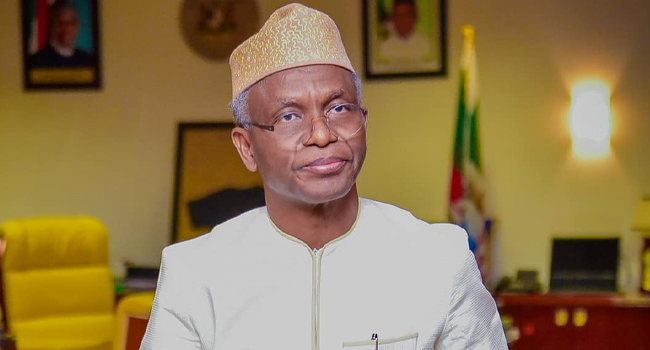
    Former Kaduna State Governor Nasir El-Rufai has warned that President Bola Tinubu risks becoming “Nigeria’s Paul Biya” if not voted out in the 2027 elections. Hosting former Vice President Atiku Abubakar, El-Rufai accused the APC-led government of centralizing power, undermining federalism, and posing a greater threat to democracy than past military regimes.

    He described Tinubu’s administration as “a disgrace to democratic ideals,” cautioning that failure to act decisively in 2027 could entrench authoritarian rule similar to Biya’s decades-long stay in power in Cameroon.
    El-Rufai Warns Tinubu Could Become ‘Nigeria’s Paul Biya’ Former Kaduna State Governor Nasir El-Rufai has warned that President Bola Tinubu risks becoming “Nigeria’s Paul Biya” if not voted out in the 2027 elections. Hosting former Vice President Atiku Abubakar, El-Rufai accused the APC-led government of centralizing power, undermining federalism, and posing a greater threat to democracy than past military regimes. He described Tinubu’s administration as “a disgrace to democratic ideals,” cautioning that failure to act decisively in 2027 could entrench authoritarian rule similar to Biya’s decades-long stay in power in Cameroon.
    0 التعليقات ·0 المشاركات ·1كيلو بايت مشاهدة
  • El-Rufai: Tinubu Govt Worse Than Military Regimes

    Former Kaduna State Governor Nasir El-Rufai has described President Bola Tinubu’s administration as a bigger threat to democracy than past military governments. Speaking during a solidarity visit from former Vice President Atiku Abubakar, El-Rufai labeled the government “a disgrace to the principles of democracy,” accusing it of authoritarian tendencies and centralizing power at the expense of federalism.

    He compared Tinubu to Cameroon’s Paul Biya and warned that unless stopped in 2027, Tinubu could entrench himself in power. El-Rufai added that even past military leaders, including Buhari, were more tolerant of opposition than the current administration.

    Atiku commended El-Rufai’s boldness and urged opposition leaders to unite in order to democratically unseat Tinubu in the 2027 elections.
    El-Rufai: Tinubu Govt Worse Than Military Regimes Former Kaduna State Governor Nasir El-Rufai has described President Bola Tinubu’s administration as a bigger threat to democracy than past military governments. Speaking during a solidarity visit from former Vice President Atiku Abubakar, El-Rufai labeled the government “a disgrace to the principles of democracy,” accusing it of authoritarian tendencies and centralizing power at the expense of federalism. He compared Tinubu to Cameroon’s Paul Biya and warned that unless stopped in 2027, Tinubu could entrench himself in power. El-Rufai added that even past military leaders, including Buhari, were more tolerant of opposition than the current administration. Atiku commended El-Rufai’s boldness and urged opposition leaders to unite in order to democratically unseat Tinubu in the 2027 elections.
    0 التعليقات ·0 المشاركات ·1كيلو بايت مشاهدة
  • Civil War: Gowon distorted Aburi Accord history, Group claims.

    ABUJA – A group, Rising Sun, has accused Nigeria’s former Head of State, retired General Yakubu Gowon, of distorting the history behind the failure of the historic Aburi Accord of 1967, which they claim led to the Nigerian Civil War.

    The group, in a statement issued on Sunday in Abuja, asserted that Gowon’s recent explanation for the Accord’s breakdown was misleading and an attempt to rewrite history.

    The statement, jointly signed by Chief Maxwell Dede, President of Rising Sun, and Rev. Fr. Augustine Odimmegwa, the group’s Secretary, condemned Gowon’s claim that the Accord failed because General Chukwuemeka Odumegwu Ojukwu demanded that regional governors’ control the military.

    Instead, the group argued that the demand for regional control of security forces was a legitimate push for justice and true federalism.
    Civil War: Gowon distorted Aburi Accord history, Group claims. ABUJA – A group, Rising Sun, has accused Nigeria’s former Head of State, retired General Yakubu Gowon, of distorting the history behind the failure of the historic Aburi Accord of 1967, which they claim led to the Nigerian Civil War. The group, in a statement issued on Sunday in Abuja, asserted that Gowon’s recent explanation for the Accord’s breakdown was misleading and an attempt to rewrite history. The statement, jointly signed by Chief Maxwell Dede, President of Rising Sun, and Rev. Fr. Augustine Odimmegwa, the group’s Secretary, condemned Gowon’s claim that the Accord failed because General Chukwuemeka Odumegwu Ojukwu demanded that regional governors’ control the military. Instead, the group argued that the demand for regional control of security forces was a legitimate push for justice and true federalism.
    love
    1
    · 0 التعليقات ·0 المشاركات ·885 مشاهدة
  • Fasoranti advocates Nigeria’s return to 1963 Constitution: Hails Buhari on recognition of June 12 as Democracy Day
    National leader of the pan-Yoruba socio-political organisation, Afenifere, has reiterated the need for the country to return to the 1963 Constitution, referred to as the Republican Constitution, which he said was equipped with the necessary framework for true federalism.

    According to the elder statesman, in a statement commemorating June 12, the 1964 Constitution provided room for autonomy for federating units.

    Fasoranti, who congratulated Nigeria on the historic and momentous milestone in the nation’s democratic journey, emphasised that the present political structure was inadequate to address the country’s complexities.
    Fasoranti advocates Nigeria’s return to 1963 Constitution: Hails Buhari on recognition of June 12 as Democracy Day National leader of the pan-Yoruba socio-political organisation, Afenifere, has reiterated the need for the country to return to the 1963 Constitution, referred to as the Republican Constitution, which he said was equipped with the necessary framework for true federalism. According to the elder statesman, in a statement commemorating June 12, the 1964 Constitution provided room for autonomy for federating units. Fasoranti, who congratulated Nigeria on the historic and momentous milestone in the nation’s democratic journey, emphasised that the present political structure was inadequate to address the country’s complexities.
    love
    2
    · 0 التعليقات ·0 المشاركات ·571 مشاهدة
Fintter https://fintter.com