About
About
Kogi State Gets Airport; Governor Ododo Signs Contract For Construction In Lokoja
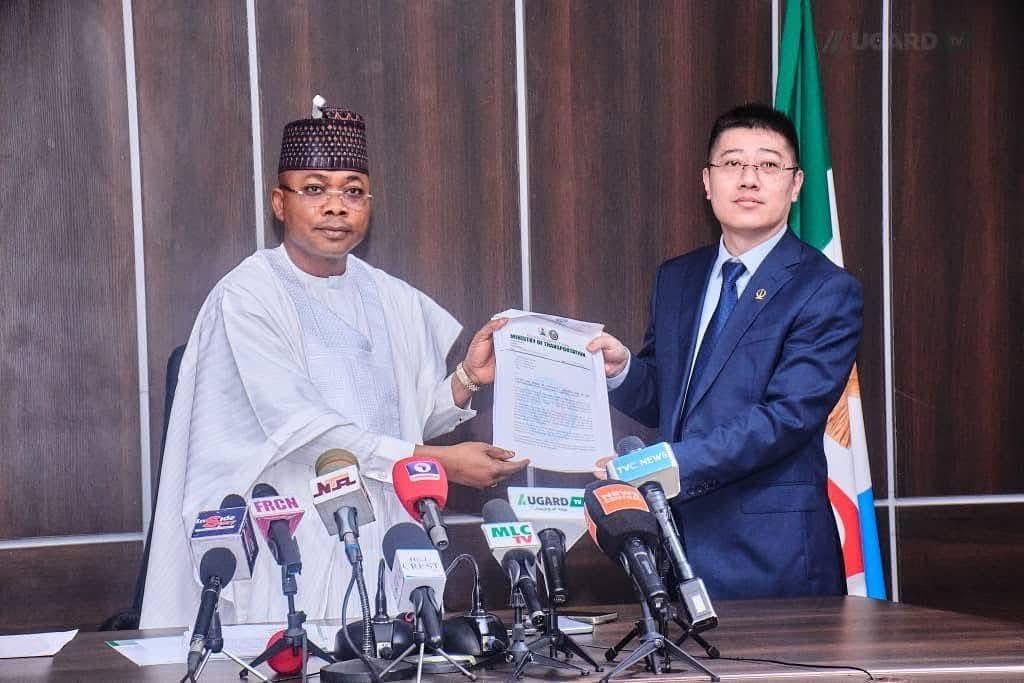
The Kogi State Governor Ahmed Usman Ododo has signed contracts for the construction of an International airport in Lokoja, marking a major step towards infrastructural development in the State.
The governor formally presented the contract award letters to China Civil Engineering Construction Corporation and Gamji Nigeria Limited during a ceremony at the Government House.
The signing of the contracts is part the government’s efforts to boost economic growth, improve transportation, and attract investors to the state.
Governor Ododo describes the airport project as a Strategic investment aimed at enhancing connectivity and supporting trade and commerce.
The airport projects is located in Zariagi, area of lokoja the Kogi State capital.
The Kogi State Governor Ahmed Usman Ododo has signed contracts for the construction of an International airport in Lokoja, marking a major step towards infrastructural development in the State.
The governor formally presented the contract award letters to China Civil Engineering Construction Corporation and Gamji Nigeria Limited during a ceremony at the Government House.
The signing of the contracts is part the government’s efforts to boost economic growth, improve transportation, and attract investors to the state.
Governor Ododo describes the airport project as a Strategic investment aimed at enhancing connectivity and supporting trade and commerce.
The airport projects is located in Zariagi, area of lokoja the Kogi State capital.
Kogi State Gets Airport; Governor Ododo Signs Contract For Construction In Lokoja
The Kogi State Governor Ahmed Usman Ododo has signed contracts for the construction of an International airport in Lokoja, marking a major step towards infrastructural development in the State.
The governor formally presented the contract award letters to China Civil Engineering Construction Corporation and Gamji Nigeria Limited during a ceremony at the Government House.
The signing of the contracts is part the government’s efforts to boost economic growth, improve transportation, and attract investors to the state.
Governor Ododo describes the airport project as a Strategic investment aimed at enhancing connectivity and supporting trade and commerce.
The airport projects is located in Zariagi, area of lokoja the Kogi State capital.
0 Comments
·0 Shares
·6K Views