


 About
About
RIVER NIGER:The Largest and Longest in Nigeria and West Africa
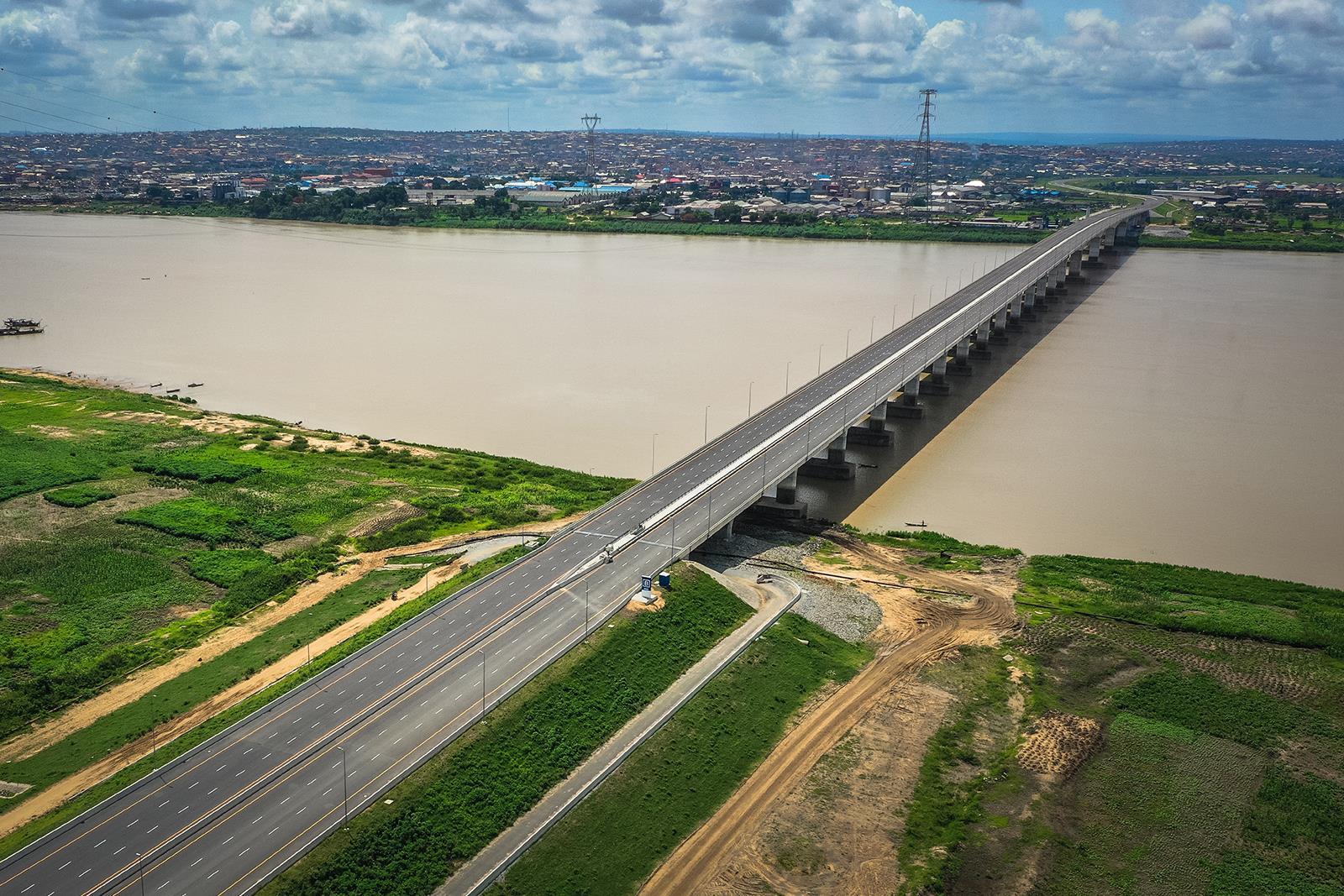
River Niger
The River Niger is one of Africa’s most important and historic waterways. Stretching about 4,180 kilometers, it is the third longest river in Africa after the Nile and the Congo. Flowing in a great arc across West Africa, the River Niger passes through Guinea, Mali, Niger, Benin, and Nigeria before emptying into the Atlantic Ocean through the vast Niger Delta. For thousands of years, this river has shaped civilizations, trade, culture, and politics in the region.
Origins and Course
The River Niger rises in the Fouta Djallon highlands of Guinea. Interestingly, although its source is only a few hundred kilometers from the Atlantic Ocean, the river does not flow directly west into the sea. Instead, it flows northeast into Mali, forming a large inland delta near the ancient city of Timbuktu. From there, it bends southeast through Niger Republic and eventually enters Nigeria, where it joins with the River Benue at Lokoja before continuing southward into the Gulf of Guinea.
This unusual crescent-shaped path puzzled early geographers for centuries. Ancient scholars in North Africa and Europe had heard of a great river in West Africa but did not fully understand its course. Some believed it was connected to the Nile. It was not until the 19th century that European explorers confirmed the river’s true direction.
Early Civilizations and Empires
Long before colonial exploration, the River Niger was already the lifeblood of powerful African empires. The Ghana Empire, Mali Empire, and Songhai Empire all flourished along its banks. Cities such as Timbuktu, Gao, and Djenné became major centers of trade, learning, and Islamic scholarship.
The river supported agriculture by providing fertile floodplains. Farmers cultivated crops like rice, millet, and sorghum. Fishermen depended on its waters for food, while traders used canoes and boats to transport gold, salt, kola nuts, and other goods across long distances.
During the reign of Mansa Musa of the Mali Empire in the 14th century, the region along the River Niger became internationally known. Timbuktu, located near the river, gained fame as a center of education and commerce, attracting scholars from across the Islamic world.
European Exploration
For centuries, Europeans were curious about the River Niger. In the late 18th century, Scottish explorer Mungo Park became one of the first Europeans to travel along parts of the river. In 1796, he confirmed that the river flowed eastward in Mali, challenging earlier European assumptions.
Later explorers such as Richard Lander further traced the river’s course. In 1830, Lander and his brother John discovered that the Niger emptied into the Gulf of Guinea through what is now southern Nigeria. This discovery was crucial for European trade and colonial expansion.
By the late 19th century, European powers were competing for control of territories along the river. The British, in particular, established trading companies and later colonial administration in areas around the lower Niger. The river became a key route for transporting goods such as palm oil, which was in high demand during the Industrial Revolution.
Colonial Era and Modern Development
During colonial rule, the River Niger played a major role in transportation and economic activity. Steamships traveled along its waters, linking inland territories to coastal ports. The river helped shape modern national boundaries in West Africa.
After independence, countries along the Niger continued to rely on the river for agriculture, fishing, transportation, and hydroelectric power. Major dams such as the Kainji Dam and Jebba Dam in Nigeria were constructed to generate electricity and control flooding.
The Niger River Basin Authority was later established to promote cooperation among countries that share the river’s waters. Because the river flows through multiple nations, managing its resources requires regional collaboration.
The Niger Delta
One of the most significant regions connected to the River Niger is the Niger Delta in southern Nigeria. This vast network of creeks, mangroves, and wetlands is one of the largest river deltas in the world. It is rich in biodiversity and natural resources, particularly oil and gas.
However, oil exploration has also brought environmental challenges. Oil spills and pollution have affected local communities and ecosystems. Despite these issues, the Niger Delta remains economically important to Nigeria and West Africa as a whole.
Cultural and Spiritual Importance
Beyond economics and politics, the River Niger holds deep cultural and spiritual meaning for many communities. In various local traditions, the river is seen as sacred. Festivals, fishing rituals, and traditional ceremonies are tied to its waters.
The river has inspired songs, folktales, and oral histories passed down through generations. It symbolizes life, continuity, and connection among different peoples of West Africa.
The River Niger is more than just a body of water. It is a historic artery that has shaped the destiny of West Africa for centuries. From ancient empires and trans-Saharan trade to colonial expansion and modern development, the river has remained central to the region’s story.
Today, as West African nations face challenges such as climate change, population growth, and environmental degradation, the River Niger continues to be a vital resource. Its history reflects resilience, adaptation, and the enduring importance of natural waterways in human civilization.

Categories
Read More
Farming legendary gear in Warborne Above Ashes is a core aspect of endgame progression. Legendary items provide significant stat boosts, unique effects, and can dramatically improve both PvE and PvP performance. Successfully farming these items requires preparation, strategy, and an understanding of where and how to engage the right enemies. Preparing for Legendary Gear Runs Before heading...

Hailey Bieber Hailey Rhode Bieber, born Hailey Rhode Baldwin on November 22, 1996, in Tucson, Arizona, United States, is an American model, media personality, and entrepreneur. She is widely recognized not only for her successful modeling career but also for her influence in fashion, beauty, and pop culture. As the daughter of actor Stephen Baldwin and graphic designer Kennya Baldwin, Hailey...

The Edo State House of Assembly has summoned Egor Constituency lawmaker, Natasha Irobosa, to appear before its Standing Committee on Ethics and Privileges following viral videos involving her and her husband, Nigerian music star Innocent “2Baba” Idibia. The summons aims to allow Irobosa defend herself against allegations of misconduct after videos showed an altercation between the...

Join APC, stop playing hide-and-seek game, Matawalle tells Gov. Lawal. The Minister of State for Defence and the immediate past governor of Zamfara, Bello Matawalle, has formally invited Governor Dauda Lawal to join the All Progressives Congress (APC). The minister made the call on Saturday at his residence in his hometown, Maradun, while receiving his supporters who paid him a Sallah...

Daniel’s POV The decision didn’t come with noise. It came quietly, one evening, as I watched Victoria marking her notes beside me, her face calm but tired. I realized then that love wasn’t just about feeling it was about direction. And mine needed to change. “Victoria,” I said softly. She looked up immediately. “You’re thinking...

