About
About
Cletus Ibeto Biography The Nnewi Apprentice Who Built the Ibeto Group Into an Industrial Empire
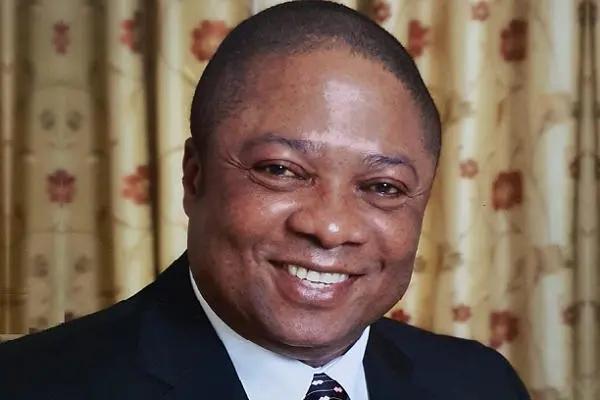
Cletus Madubugwu Ibeto
Cletus Madubugwu Ibeto’s story begins the way many great Nnewi stories begin: not with a silver spoon, but with a young boy learning how to survive through trade, patience, and sharp eyes.
He was born on November 6, 1952, in Nnewi, Anambra State, a town famous in Nigeria for business grit and manufacturing courage.
In that environment, children grow up hearing the same message in different voices: learn something, master it, and be useful. For Ibeto, the first classroom wasn’t a university hall. It was the spare-parts world—dusty shops, noisy markets, and the daily mathematics of buying, selling, and not losing money.
As the story is often told, he entered apprenticeship very young (around age 13), learning the motor-parts trade in Onitsha.
When his own apprenticeship years ended, he didn’t wait for “perfect conditions.” He began as a spare-parts import dealer, moving goods and building trust—one transaction at a time.
But somewhere along the line, Ibeto’s ambition grew teeth. Importing was good, but it also meant depending on foreign supply, forex pressure, and policies that could change overnight. So he made the move that separates traders from industrialists: he shifted from importation to manufacturing.
By March 1988, he had completed a factory in Nnewi and stopped direct importation of some products, focusing instead on producing items like lead-acid automotive batteries and plastic motor accessories locally.
That was not just business—it was a statement: “We can make it here.”
By 1995, the Ibeto business had grown into one of Nigeria’s biggest auto spare-parts manufacturing outfits, and the name “Ibeto” began to carry weight beyond the market.
Then came expansion—bold, calculated, and wide.
On October 2, 1996, he established Ibeto Petrochemical Industries Ltd., moving into lubricants and other petroleum-related products, with major storage capacity in Lagos (Apapa/Ibafon area) often described as among the larger facilities in the country.
It was the kind of move that showed he wasn’t building a “one-business” success. He was building a group—a system of companies that could support each other, survive shocks, and keep growing.
Over time, Ibeto became publicly known as the head of The Ibeto Group, with interests commonly described across automotive parts, cement, petrochemicals, real estate, and hospitality.
The Ibeto Group’s own pages describe him as Chairman/CEO of the conglomerate.
One detail many people miss is that his story also contains formal education: profiles note he graduated from the University of Nigeria, Nsukka, with a degree in Accountancy.
That matters because it hints at the mindset behind the empire—trade skills plus numbers, negotiation plus structure.
With success came recognition. He received the national honour OON (Officer of the Order of the Niger) in 2008, and later CON (Commander of the Order of the Niger) in 2012—two of Nigeria’s well-known national honours.
People often ask about his net worth. The honest answer is: there’s no single official figure because much of his business empire is not fully transparent to public market valuation. Some outlets publish estimates, but other business reporting notes that his wealth is hard to verify precisely due to limited public listing of assets.
Still, whether you measure him by numbers or by impact, the real “Ibeto story” is the journey from apprenticeship to industry—how someone starts by selling parts, then begins to make the parts, then builds factories, storage, logistics, and finally a diversified group that employs people and competes at scale.
It’s a very Nnewi kind of success: quiet confidence, relentless work, and the belief that importing is good—but manufacturing is power.


Categories
Read More
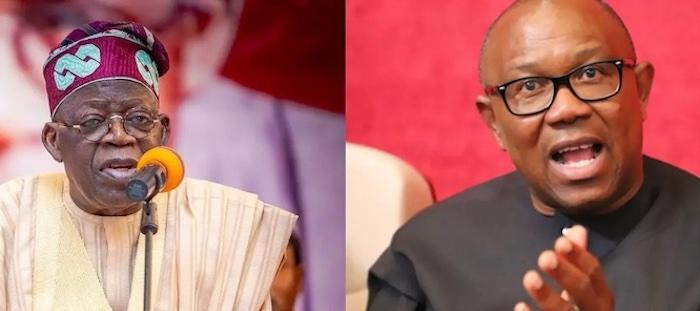
On Democracy Day, former Labour Party presidential candidate Peter Obi delivered a scathing critique of President Bola Tinubu’s administration, accusing it of hypocrisy, failed leadership, and playing politics while Nigerians suffer. Speaking at a press conference in Abuja on June 12, Obi honored MKO Abiola and other democracy heroes, but lamented that today’s Nigeria is far from...
Biodun Okeowo Biodun Okeowo, popularly known as Omoborty, is a Nigerian actress, producer, and entrepreneur known for her roles in Yoruba Nollywood films. She gained fame for her beauty, bold personality, and strong performances in movies, making her one of the notable actresses in the Yoruba film industry. Early Life and Background Biodun Okeowo was born on December 26, 1971, in Lagos...

Kareem Adepoju (Baba Wande) Kareem Adepoju, widely known by his stage name Baba Wande, is one of the most respected veterans in the Yoruba theatre and film industry. With a career that spans several decades, he is celebrated for his powerful storytelling, deep cultural expression, and strong command of the Yoruba language. Baba Wande belongs to the generation of performers who laid the...

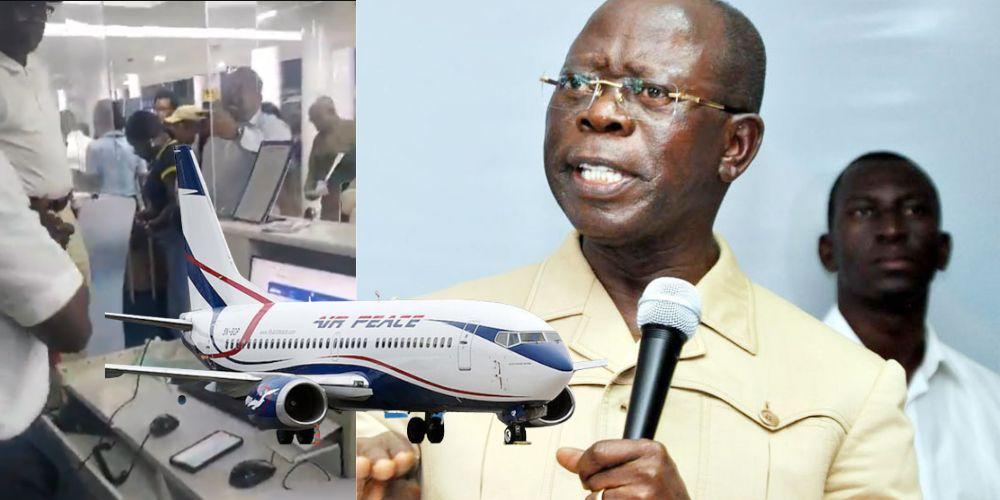
Air Peace has officially responded to explosive allegations made by Senator Adams Oshiomhole, who claimed he was extorted by the airline’s staff at the Murtala Muhammed Airport in Lagos. In a bold statement released today, the airline challenged Oshiomhole to provide CCTV footage and evidence of the incident, stating that it operates with “zero tolerance for corruption and unethical...
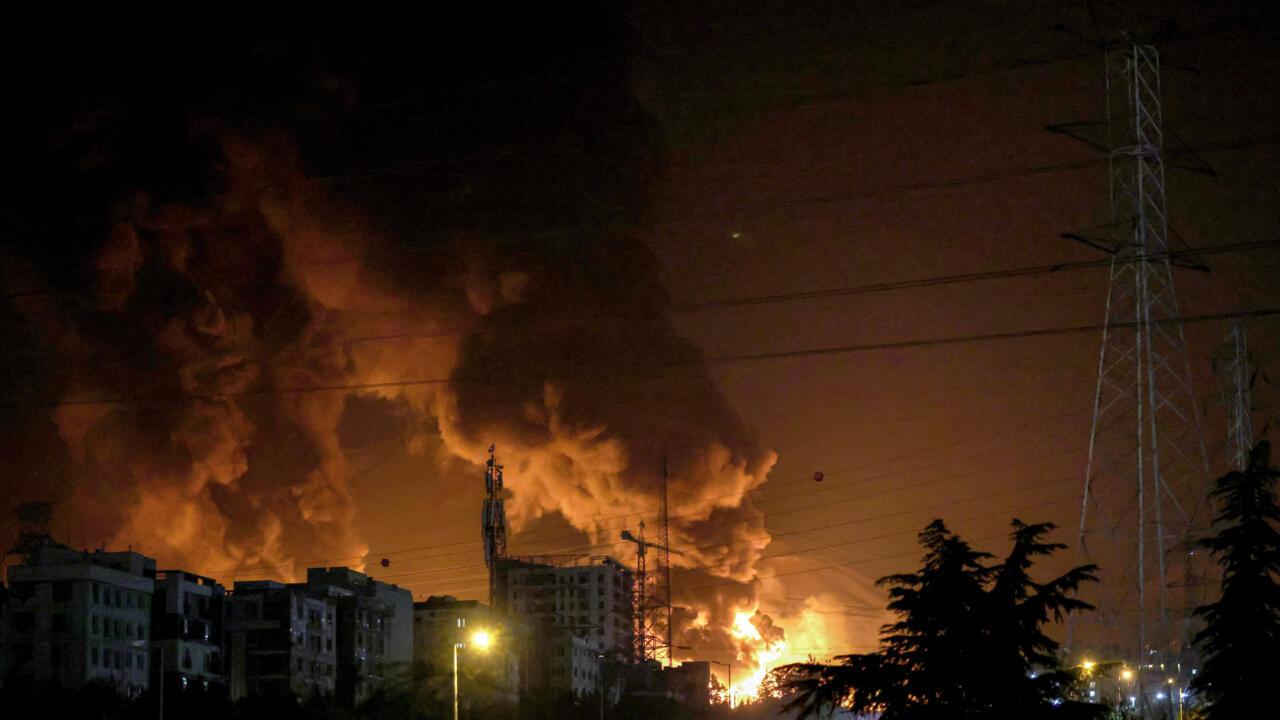
The military confrontation between Israel and Iran has undoubtedly pushed the world nearer a global war precipice. Considering the universal need for peace and order, the war should never have been allowed to happen. Barely a month earlier, nuclear-armed neighbours India and Pakistan exchanged fire after a terrorist attack in Indian-administered Jammu and Kashmir. The Russia-Ukraine conflict,...