


 About
About
ELIZABETH MARY WINDSOR: QUEEN ELIZABETH

QUEEN ELIZABETH
Early Life
Queen Elizabeth II was born Elizabeth Alexandra Mary Windsor on April 21, 1926, in London, England. She was the first child of King George VI and Queen Elizabeth The Queen Mother. Initially third in line to the throne, her position changed when her uncle, King Edward VIII, abdicated in 1936, making her father king and her the heir presumptive.
She was privately educated at home, focusing on history, languages, and constitutional law. During World War II, she trained as a driver and mechanic in the Auxiliary Territorial Service, showing early dedication to public service.
Ascension to the Throne
Elizabeth married Prince Philip on November 20, 1947. They had four children: Charles III, Princess Anne, Prince Andrew, and Prince Edward.
Elizabeth became queen on February 6, 1952, following the death of her father, King George VI. Her coronation on June 2, 1953, was the first to be televised, reaching millions worldwide and marking a new era for media and monarchy.
Reign and Achievements
Her reign, lasting over 70 years, was the longest of any British monarch. She navigated vast social, political, and technological changes, including the decolonization of Africa and the Caribbean, the transformation of the British Empire into the Commonwealth of Nations, and domestic social reforms.
Elizabeth II was known for her sense of duty and dedication. She met regularly with prime ministers, addressed the nation during crises, and modernized the monarchy while maintaining its traditions. Her state visits strengthened diplomatic relationships globally.
She celebrated numerous milestones, including her Silver Jubilee (1977), Golden Jubilee (2002), Diamond Jubilee (2012), and Platinum Jubilee (2022), which reflected her enduring presence and popularity.
Personal Life and Legacy
Queen Elizabeth valued family, duty, and service above all. Despite the challenges within her family, including public scrutiny of her children’s marriages, she remained committed to her role as a stabilizing figure for the nation.
She passed away on September 8, 2022, at Balmoral Castle in Scotland, and was succeeded by her eldest son, Charles III. Her legacy is marked by resilience, dedication, and the ability to maintain relevance across generations.
Her reign became a symbol of continuity in a rapidly changing world, and she is remembered as a monarch who devoted her life entirely to public service.


Categories
Read More
Okey Bakassi Okey Bakassi is a Nigerian comedian, actor, television host, and politician. He is one of the pioneers of modern Nigerian stand up comedy and has also appeared in several Nollywood films and television programs. Early Life and Background Okey Bakassi whose real name is Okechukwu Onyegbule was born on October 23, 1969, in Imo State, Nigeria. He grew up in a family that...

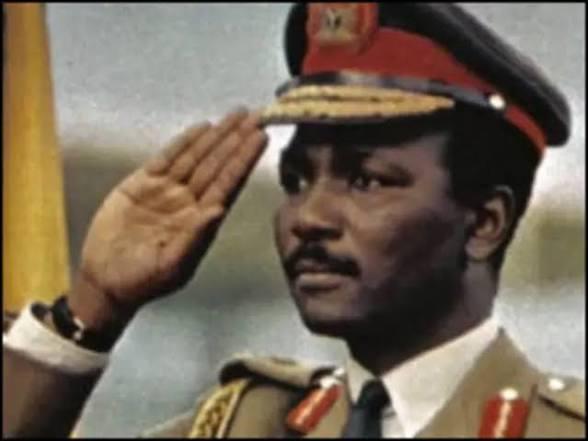
Yakubu Gowon Yakubu Gowon is a Nigerian military officer and statesman who served as Nigeria’s Head of State from 1966 to 1975. He became one of the most important figures in Nigerian history because he led the country during the Nigerian Civil War and played a major role in preserving Nigeria’s unity. Yakubu Gowon was born on October 19, 1934, in Kanke, Plateau State,...
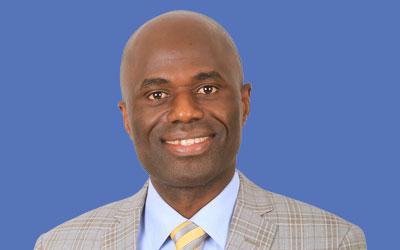
Daniel Ajayi-Adeniran Daniel Ajayi-Adeniran is a Nigerian Pentecostal pastor best known for his work in the Redeemed Christian Church of God, RCCG, especially in North America. Public profiles describe him as the pastor of RCCG Chapel of Restoration in the Bronx, New York, and as an Assistant Continental Overseer for RCCG in the Americas, with a long record in church planting and pastoral...
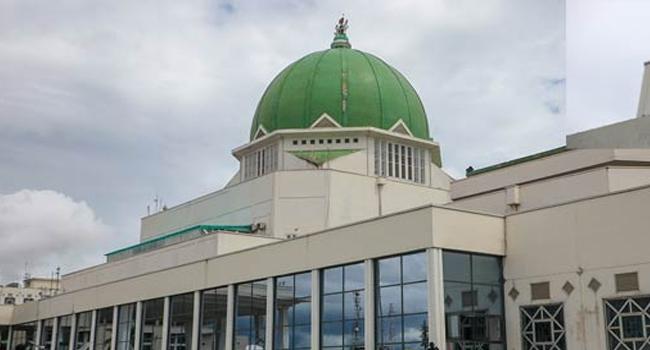
The National Assembly has begun deliberations on extensive constitutional amendments that include proposals for the creation of 55 new states and 278 additional local government areas across Nigeria. Deputy Senate President Barau Jibrin (APC, Kano North) disclosed this on Friday during a two-day joint retreat of the Senate and House of Representatives’ Committee on the Review of the 1999...
My name is Adebimpe. At least… that was the name my mother whispered into my ear the night before they took me away. I remember her hands shaking as she braided my hair, tight and neat, the way she always did when she was afraid but didn’t want me to know. The moonlight slipped through the cracks in our mud wall, resting on her face like it wanted to memorize her too....

