About
About
Ogbomosho: From Forest Refuge to Warrior City
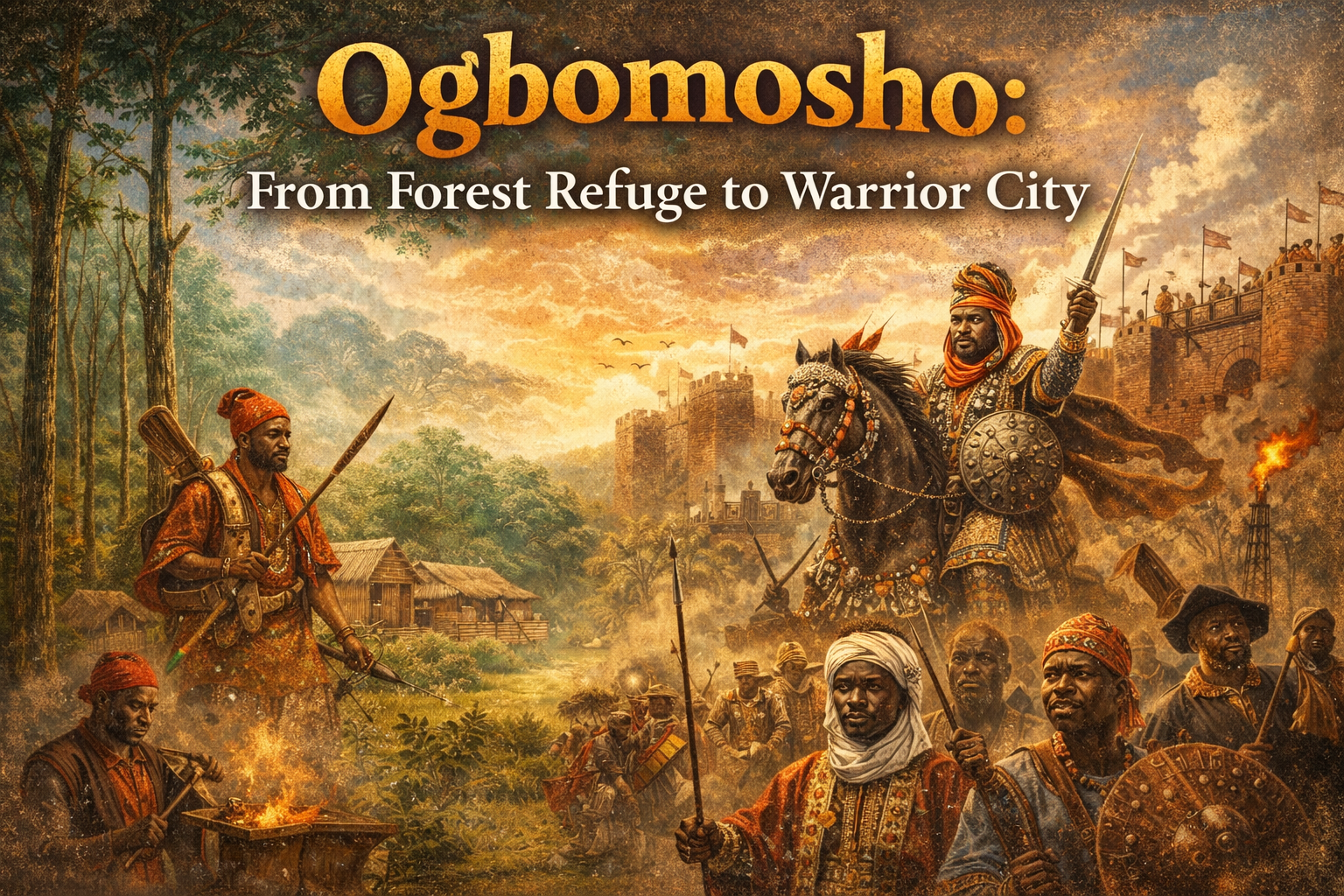
The Story of Ogbomosho: From Forest Refuge to Warrior City
Long before Ogbomosho became a bustling city of markets, schools, churches, mosques, and busy streets, it was a place of silence dense forest, winding footpaths, and the quiet presence of spirits believed to guard the land. Its story begins not with walls or crowns, but with flight, survival, and courage.
This is the long story of how Ogbomosho came to be.
The World Before Ogbomosho
Centuries ago, the Yoruba world was organized around powerful kingdoms such as Old Oyo, Ife, and other city-states connected by trade, culture, language, and belief. Life was ordered by kings (ọba), councils of chiefs, priests, warriors, and farmers. But it was also a time of constant danger.
Wars were common. Kingdoms expanded, collapsed, and reformed. Slave raids, inter-ethnic conflicts, and internal power struggles forced many people to abandon their homes in search of safety.
It was in this violent and uncertain era that the foundations of Ogbomosho were laid.
The Man Called Soun Ogunlola
The origin of Ogbomosho is inseparable from one man: Soun Ogunlola, a renowned hunter and warrior.
Ogunlola was not originally from Ogbomosho. He was believed to be a descendant of the Oyo people, trained in hunting, warfare, and survival. In those days, hunters were more than men who chased animals they were pathfinders, scouts, and protectors. They understood forests, spirits, and war strategies.
During one of the many periods of conflict and instability in Yorubaland, Ogunlola and his followers were forced to flee their original settlement. They moved southward, deeper into forested land, searching for a place where enemies could not easily reach them.
What they found would become destiny.
The Discovery of the Safe Forest
Ogunlola and his group arrived at a thick forest surrounded by natural barriers trees, uneven land, and narrow access paths. It was ideal for defense. Enemies on horseback could not easily pass through, and surprise attacks would be difficult.
Legend says that when Ogunlola settled in this forest, he declared:
“Igbó ni mo ti ṣọ́, mo sì ti ṣọ́ ni gbó.”
(“I have taken refuge in the forest, and the forest has sheltered me.”)
From this statement came the name Ogbomosho, believed to be derived from phrases meaning “the forest that shelters” or “the refuge in the forest.”
This was not just a name it was a promise of protection.
Early Settlement and Survival
Life in early Ogbomosho was hard. The settlers had to clear forest land, build huts, grow food, and remain constantly alert. There were no walls at first only trust in the forest and in Ogunlola’s leadership.
The people farmed yam, maize, and vegetables. Hunters supplied meat. Women processed food and traded with nearby settlements. Children learned early how to hide, run, and stay quiet during danger.
Ogunlola ruled not as a distant king, but as a warrior-leader. Decisions were communal. Survival was the law.
Over time, word spread that a safe settlement existed deep in the forest one that resisted raids and protected its people.
Others began to arrive.
Ogbomosho as a Refuge City
As wars increased across Yorubaland, refugees streamed into the forest settlement. People from destroyed towns, defeated armies, and fleeing families all sought safety.
Unlike many towns that rejected strangers, Ogbomosho welcomed them on one condition: loyalty and readiness to defend the land.
This policy transformed Ogbomosho into a melting pot of warriors, craftsmen, farmers, and priests. Different lineages settled together, united by a shared enemy and shared survival.
The town grew rapidly.
From Refuge to Fortress
With growth came new threats. Ogbomosho could no longer rely only on the forest. Defensive strategies were developed:
Narrow entry paths were monitored
Early warning systems were created
Warrior training became compulsory for young men
Night guards and scouts were stationed
Ogbomosho slowly transformed from a hiding place into a warrior city.
Ogunlola became known as Soun, the title of the ruler of Ogbomosho a title that still exists today.
The Rise of the Soun Dynasty
After Ogunlola’s death, leadership did not collapse. His descendants and successors continued his vision. The title Soun of Ogbomosho became institutionalized, supported by chiefs, war leaders, and religious authorities.
Unlike some Yoruba cities ruled mainly by sacred kingship, Ogbomosho’s leadership was deeply military oriented. Strength, courage, and strategic thinking were valued as much as ancestry.
This shaped the character of the town.
Ogbomosho and the Fall of Old Oyo
One of the most defining moments in Ogbomosho’s history came during the collapse of the Old Oyo Empire in the late 18th and early 19th centuries.
As Old Oyo fell to internal decay and external attacks, chaos spread across the region. Many towns were destroyed. Some disappeared forever.
Ogbomosho did not.
Instead, it rose.
Ogbomosho became a key military power, often resisting invading forces and protecting surrounding settlements. Its warriors were feared, disciplined, and experienced. The city gained a reputation as a place that did not fall easily.
Warriors, Pride, and Identity
The people of Ogbomosho developed a strong identity rooted in:
Bravery Independence Resistance to domination Loyalty to the community
Even today, this warrior pride is reflected in local sayings, songs, and attitudes. Ogbomosho people are known for being direct, bold, and unapologetic.
Religion and Spiritual Life
Traditional religion played a major role in early Ogbomosho. Ogun (god of iron and war) was especially revered, fitting for a warrior town. Hunters and blacksmiths held spiritual authority.
Festivals, sacrifices, and rituals were believed to protect the city from invasion and misfortune. The forest itself was considered sacred.
Later, Islam and Christianity arrived through trade and colonial influence. Instead of erasing tradition, these religions blended into Ogbomosho life. Today, churches, mosques, and traditional shrines coexist sometimes in the same family.
Colonial Contact and Change
When British colonial forces expanded into Yorubaland in the late 19th century, Ogbomosho faced a new kind of enemy not warriors, but administrators.
The city was eventually brought under colonial rule, but not without tension. Colonial authority weakened traditional military structures and redirected power to indirect rule systems.
Yet Ogbomosho adapted.
Western education arrived. Schools were built. Trade expanded. The town became known for producing teachers, intellectuals, and professionals earning a reputation for education and discipline.
From Town to Modern City
By the 20th century, Ogbomosho had transformed:
Mud huts became houses
Footpaths became roads
Markets expanded
Institutions grew
Still, the old spirit remained.
Ogbomosho became a major city in present-day Oyo State, respected for its history, resilience, and people.
The Soul of Ogbomosho
To understand Ogbomosho is to understand a city born from fear but shaped by courage.
It was not founded by luxury.
It was founded by survival.
It did not grow because it was favored.
It grew because it refused to die.
From a forest refuge to a warrior stronghold, from chaos to community, Ogbomosho stands as a reminder that cities are not just built with walls but with will.
And even today, beneath the noise of modern life, the old forest still whispers its story.


Categorii
Citeste mai mult
Moyo Lawal Moyo Lawal is a Nigerian Nollywood actress, television personality, and entrepreneur known for her energetic performances and strong screen presence. She is one of the recognizable faces in Nollywood and has appeared in numerous Nigerian movies and television productions. Over the years she has gained attention for her acting talent, bold personality, and active presence on...

Nduka Obaigbena In a nation where politics shapes headlines and headlines shape public opinion, one man understood early that whoever controls the narrative holds enormous influence. That man is Nduka Obaigbena, a publisher, broadcaster, and entrepreneur whose name is inseparable from modern Nigerian media. From newspaper pages to international television screens, his journey is a...
Isabella’s POV I had always thought of myself as practical, grounded someone who believed in daylight and reason, not in shadows and myths. But that night, everything changed. It was late, later than I should have been wandering alone in the rain-soaked streets of the city. My umbrella had turned traitor, flipping uselessly in the wind, soaking my coat and clinging to me like a...

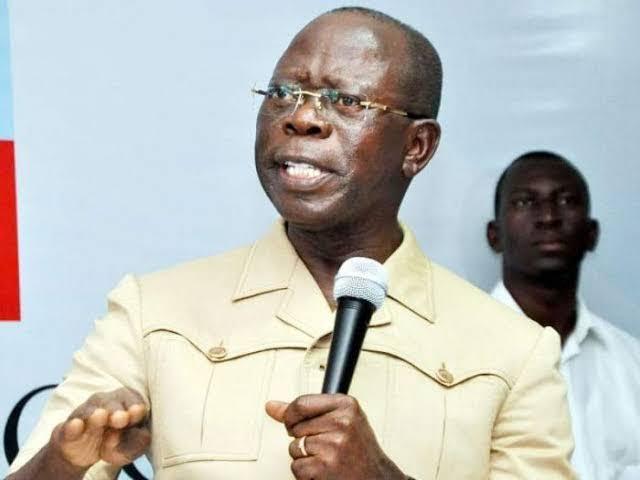
Senator Adams Oshiomhole has urged the National Assembly to intensify oversight of financial technology companies following a cyberattack on his bank account allegedly carried out through OPAY and Moneypoint. Speaking during Thursday’s plenary debate on a bill to amend the Banks and Other Financial Institutions Act (BOFIA), Oshiomhole said the rise of fintech platforms operating...
The House of Representatives Committee on Nutrition and Food Security on Tuesday commenced a probe into how the N1.12 trillion meant for the execution of the Anchors Borrowers Programme was allegedly diverted by Ministries, Departments, and Agencies. The panel is also investigating the NIRSAL Microfinance Bank regarding how it spent N215 billion on agribusinesses, as well as the Bank of...