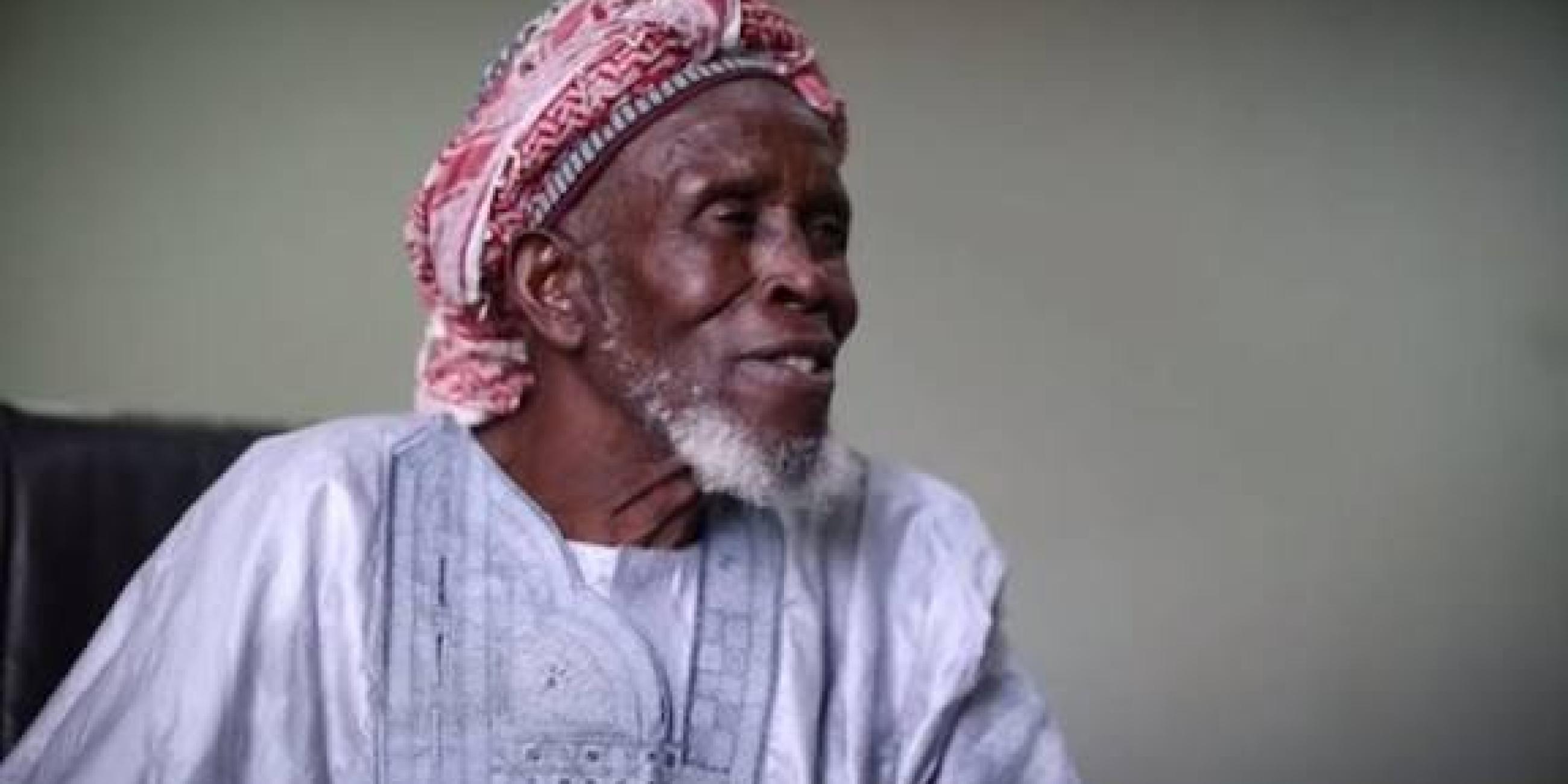
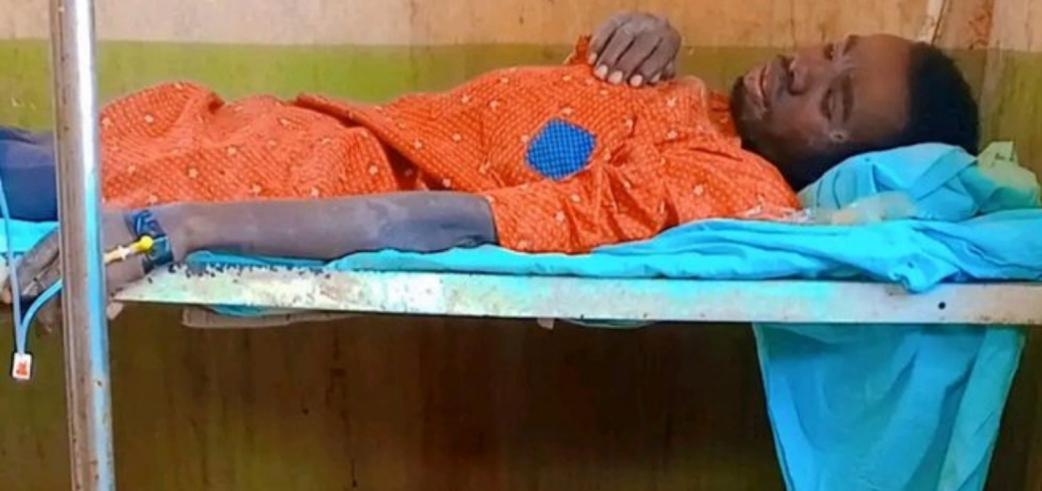
• Chief Imam Abdullahi Abubakar, Hero Who Sheltered Christians During 2018 Plateau Killings, Dies at 92

    Chief Imam Abdullahi Abubakar of Nghar village, Barkin Ladi LGA, Plateau State, has died at 92. The cleric gained national and international recognition for courageously sheltering over 260 Christians during the deadly 2018 attacks, protecting them from armed assailants. Honoured with Nigeria’s Member of the Order of the Niger (MON) and the US International Religious Freedom Award, Abubakar became a symbol of interfaith unity and humanity. Plateau Governor Caleb Mutfwang described his death as a significant loss, urging residents to uphold his legacy of compassion, peace, and solidarity.
    Chief Imam Abdullahi Abubakar, Hero Who Sheltered Christians During 2018 Plateau Killings, Dies at 92 Chief Imam Abdullahi Abubakar of Nghar village, Barkin Ladi LGA, Plateau State, has died at 92. The cleric gained national and international recognition for courageously sheltering over 260 Christians during the deadly 2018 attacks, protecting them from armed assailants. Honoured with Nigeria’s Member of the Order of the Niger (MON) and the US International Religious Freedom Award, Abubakar became a symbol of interfaith unity and humanity. Plateau Governor Caleb Mutfwang described his death as a significant loss, urging residents to uphold his legacy of compassion, peace, and solidarity.
    1 Kommentare ·0 Geteilt ·832 Ansichten
  • Jigawa Court Orders Arrest of DSS Officer Over Alleged Abduction, Sexual Exploitation, and Forced Conversion of 16-Year-Old Girl

    A Magistrate Court sitting in Hadejia, Jigawa State, has ordered the arrest of a serving officer of Nigeria’s Department of State Services (DSS), Ifeanyi Festus, over allegations of child abduction, sexual exploitation, unlawful detention, and forcible religious conversion involving a 16-year-old girl, Walida Abdulhadi.

    The directive was issued by His Worship, Sadisu Musa Esq., in Suit No: DCC/01/2026, following a petition filed by Abuja-based law firm Gamji Lawchain on behalf of Walida’s father, Alhaji Abdulhadi Ibrahim. The court ordered the Jigawa State Commissioner of Police or senior DSS officials to arrest the officer and discreetly investigate the allegations under Sections 125 and 102(5) of the Jigawa State Administration of Criminal Justice Law (ACJL). It also directed the DSS to immediately release and reunite the girl with her parents.

    According to the petition dated January 4, 2026, Walida was allegedly abducted from Hadejia over two years ago when she was still a minor and legally incapable of consenting to any sexual relationship. The family reportedly searched for her for years, and the prolonged trauma is said to have contributed to the death of her mother.

    The case reportedly resurfaced on January 1, 2026, when the accused officer allegedly contacted the girl’s father, claiming Walida had been living with him, had given birth to his child, and that he was now prepared to marry her. When a family representative was sent to Abuja, he was allegedly taken to a DSS facility at Karmajiji, where officials reportedly confirmed that Walida had been living within the DSS estate. Requests for her release were allegedly refused.

    The petition further claims that while under this custody, the teenager was allegedly converted from Islam to Christianity without parental consent and subjected to sexual exploitation that resulted in pregnancy and childbirth while she was still underage. The lawyers alleged that the acts could not have occurred without the knowledge or tacit approval of other officers, describing the matter as potential institutional complicity rather than isolated misconduct.

    In its ruling, the court emphasized the need for immediate investigation and ordered that Walida be released and reunited with her family. The case has since generated widespread public attention, raising serious questions about child protection, abuse of power, religious freedom, and accountability within Nigeria’s security agencies.


    Jigawa Court Orders Arrest of DSS Officer Over Alleged Abduction, Sexual Exploitation, and Forced Conversion of 16-Year-Old Girl A Magistrate Court sitting in Hadejia, Jigawa State, has ordered the arrest of a serving officer of Nigeria’s Department of State Services (DSS), Ifeanyi Festus, over allegations of child abduction, sexual exploitation, unlawful detention, and forcible religious conversion involving a 16-year-old girl, Walida Abdulhadi. The directive was issued by His Worship, Sadisu Musa Esq., in Suit No: DCC/01/2026, following a petition filed by Abuja-based law firm Gamji Lawchain on behalf of Walida’s father, Alhaji Abdulhadi Ibrahim. The court ordered the Jigawa State Commissioner of Police or senior DSS officials to arrest the officer and discreetly investigate the allegations under Sections 125 and 102(5) of the Jigawa State Administration of Criminal Justice Law (ACJL). It also directed the DSS to immediately release and reunite the girl with her parents. According to the petition dated January 4, 2026, Walida was allegedly abducted from Hadejia over two years ago when she was still a minor and legally incapable of consenting to any sexual relationship. The family reportedly searched for her for years, and the prolonged trauma is said to have contributed to the death of her mother. The case reportedly resurfaced on January 1, 2026, when the accused officer allegedly contacted the girl’s father, claiming Walida had been living with him, had given birth to his child, and that he was now prepared to marry her. When a family representative was sent to Abuja, he was allegedly taken to a DSS facility at Karmajiji, where officials reportedly confirmed that Walida had been living within the DSS estate. Requests for her release were allegedly refused. The petition further claims that while under this custody, the teenager was allegedly converted from Islam to Christianity without parental consent and subjected to sexual exploitation that resulted in pregnancy and childbirth while she was still underage. The lawyers alleged that the acts could not have occurred without the knowledge or tacit approval of other officers, describing the matter as potential institutional complicity rather than isolated misconduct. In its ruling, the court emphasized the need for immediate investigation and ordered that Walida be released and reunited with her family. The case has since generated widespread public attention, raising serious questions about child protection, abuse of power, religious freedom, and accountability within Nigeria’s security agencies.
    love
    1
    · 0 Kommentare ·0 Geteilt ·776 Ansichten
  • Why Was a Woman’s Home Burnt for Worshipping Osun in Kwara, Why Were Suspects Freed, and Has Religious Extremism Now Replaced Justice in Ilorin?

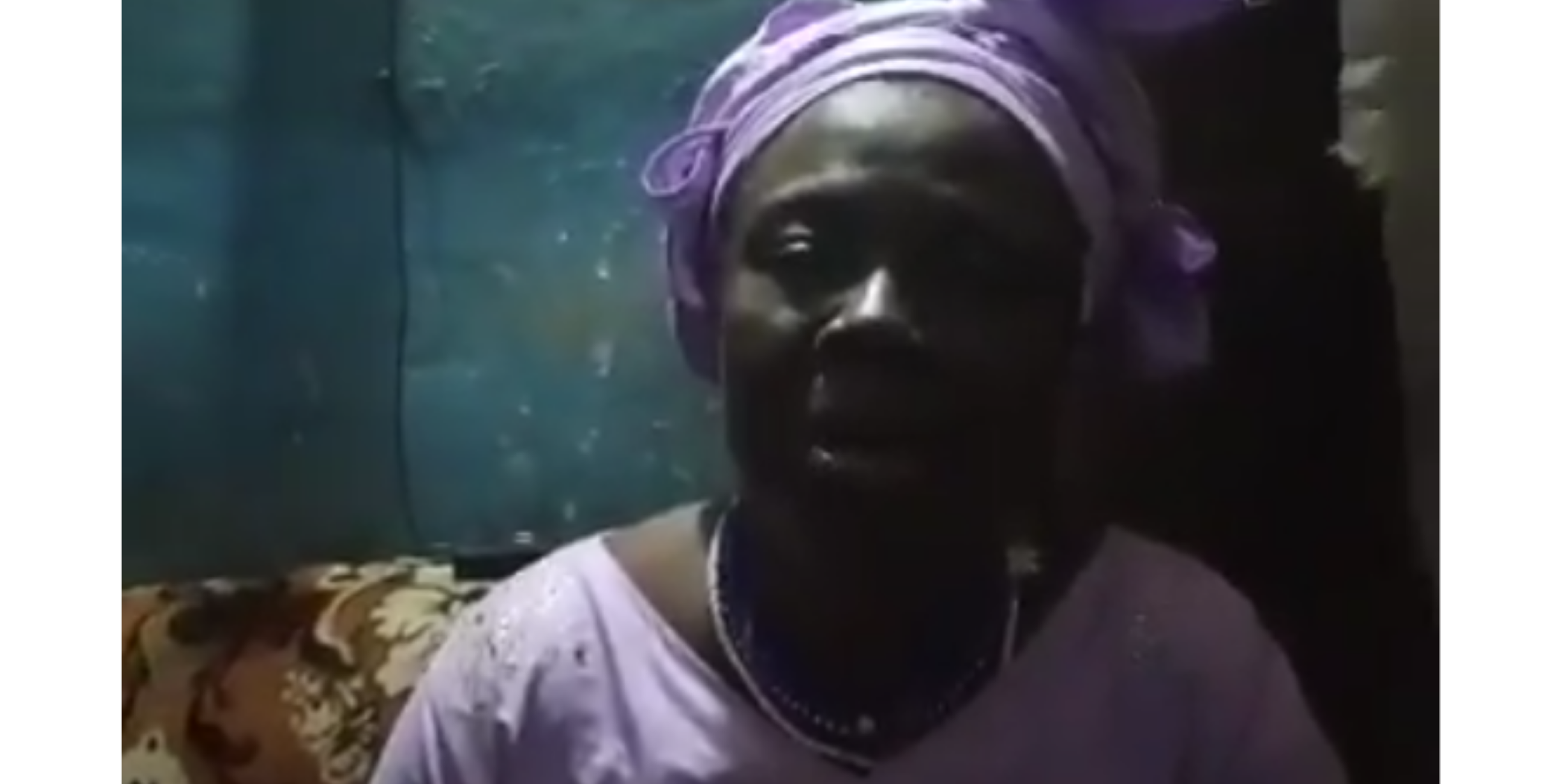
    A disturbing case of alleged religious persecution has emerged from Ilorin, Kwara State, where a traditional worshipper, Mrs. T.A. Olorisha, says her home was deliberately set ablaze because of her faith, while suspects arrested over the incident were later released by the police. The traumatised woman has now issued a desperate plea for help, warning that she may take her own life if justice is not served.

    According to Olorisha, she had lived peacefully for years in the Isalẹ Koko area of Ilorin until community members allegedly targeted her over her devotion to Osun, a deity in Yoruba traditional religion. In an emotional video, she recounted how she was summoned to a meeting weeks before the incident, where nine men reportedly told her that an Islamic cleric (“Alfa”) had declared that traditional worshippers were no longer welcome in the community.

    She said she challenged the claim and demanded to meet the cleric face-to-face, insisting she had done nothing wrong. Instead, the men allegedly threatened her, warning that she should either comply or face consequences. Olorisha recalled that one man openly asked what would happen if her house was burnt, while a police officer present advised restraint and later warned the men against causing trouble.

    However, while Olorisha travelled to her hometown to attend a traditional festival, her house was allegedly set on fire on January 1, 2026. The blaze destroyed all her belongings, including livestock, leaving her homeless and destitute. She says she has since been moving around in a single piece of clothing, struggling to survive.

    Her anguish deepened when she learned that suspects initially arrested over the arson had been released, raising fears of intimidation and impunity. In a tearful appeal, she called on Nigerians—especially traditional worshippers—to intervene on her behalf, saying she has nowhere else to turn. She warned that continued abandonment and injustice could push her to suicide.

    SaharaReporters previously reported that three men were arrested in connection with the attack, and the Kwara State Police Command acknowledged awareness of the case. Yet the alleged release of suspects has intensified public concern about whether law enforcement is willing—or able—to confront religious extremism.

    The incident has drawn strong condemnation from Omoyele Sowore, human rights activist and publisher of SaharaReporters, who described the attack as part of a broader pattern of religious intolerance in Ilorin. He warned that extremists must be stopped immediately and reminded authorities that no individual or group has the right to impose religious beliefs on others. Sowore referenced a similar 2023 case involving traditional religion activist Tani Olohun, arguing that repeated failures to enforce the law embolden mobs and radical elements.

    This case has now become a national test of Nigeria’s commitment to religious freedom, constitutional rights, and the rule of law. Why was a woman’s home allegedly destroyed for her beliefs? Why were suspects reportedly freed? And how long will religious intolerance be allowed to override justice in a democratic society?

    For many Nigerians, Olorisha’s plea is not just about one victim—it is about whether the state can still protect citizens from persecution based on faith, or whether silence and inaction will continue to empower extremism.
    Why Was a Woman’s Home Burnt for Worshipping Osun in Kwara, Why Were Suspects Freed, and Has Religious Extremism Now Replaced Justice in Ilorin? A disturbing case of alleged religious persecution has emerged from Ilorin, Kwara State, where a traditional worshipper, Mrs. T.A. Olorisha, says her home was deliberately set ablaze because of her faith, while suspects arrested over the incident were later released by the police. The traumatised woman has now issued a desperate plea for help, warning that she may take her own life if justice is not served. According to Olorisha, she had lived peacefully for years in the Isalẹ Koko area of Ilorin until community members allegedly targeted her over her devotion to Osun, a deity in Yoruba traditional religion. In an emotional video, she recounted how she was summoned to a meeting weeks before the incident, where nine men reportedly told her that an Islamic cleric (“Alfa”) had declared that traditional worshippers were no longer welcome in the community. She said she challenged the claim and demanded to meet the cleric face-to-face, insisting she had done nothing wrong. Instead, the men allegedly threatened her, warning that she should either comply or face consequences. Olorisha recalled that one man openly asked what would happen if her house was burnt, while a police officer present advised restraint and later warned the men against causing trouble. However, while Olorisha travelled to her hometown to attend a traditional festival, her house was allegedly set on fire on January 1, 2026. The blaze destroyed all her belongings, including livestock, leaving her homeless and destitute. She says she has since been moving around in a single piece of clothing, struggling to survive. Her anguish deepened when she learned that suspects initially arrested over the arson had been released, raising fears of intimidation and impunity. In a tearful appeal, she called on Nigerians—especially traditional worshippers—to intervene on her behalf, saying she has nowhere else to turn. She warned that continued abandonment and injustice could push her to suicide. SaharaReporters previously reported that three men were arrested in connection with the attack, and the Kwara State Police Command acknowledged awareness of the case. Yet the alleged release of suspects has intensified public concern about whether law enforcement is willing—or able—to confront religious extremism. The incident has drawn strong condemnation from Omoyele Sowore, human rights activist and publisher of SaharaReporters, who described the attack as part of a broader pattern of religious intolerance in Ilorin. He warned that extremists must be stopped immediately and reminded authorities that no individual or group has the right to impose religious beliefs on others. Sowore referenced a similar 2023 case involving traditional religion activist Tani Olohun, arguing that repeated failures to enforce the law embolden mobs and radical elements. This case has now become a national test of Nigeria’s commitment to religious freedom, constitutional rights, and the rule of law. Why was a woman’s home allegedly destroyed for her beliefs? Why were suspects reportedly freed? And how long will religious intolerance be allowed to override justice in a democratic society? For many Nigerians, Olorisha’s plea is not just about one victim—it is about whether the state can still protect citizens from persecution based on faith, or whether silence and inaction will continue to empower extremism.
    like
    1
    · 0 Kommentare ·0 Geteilt ·1KB Ansichten
  • Israel Offers Intelligence Sharing to Nigeria to Tackle Insecurity, Protect Vulnerable Christian Communities – Envoy

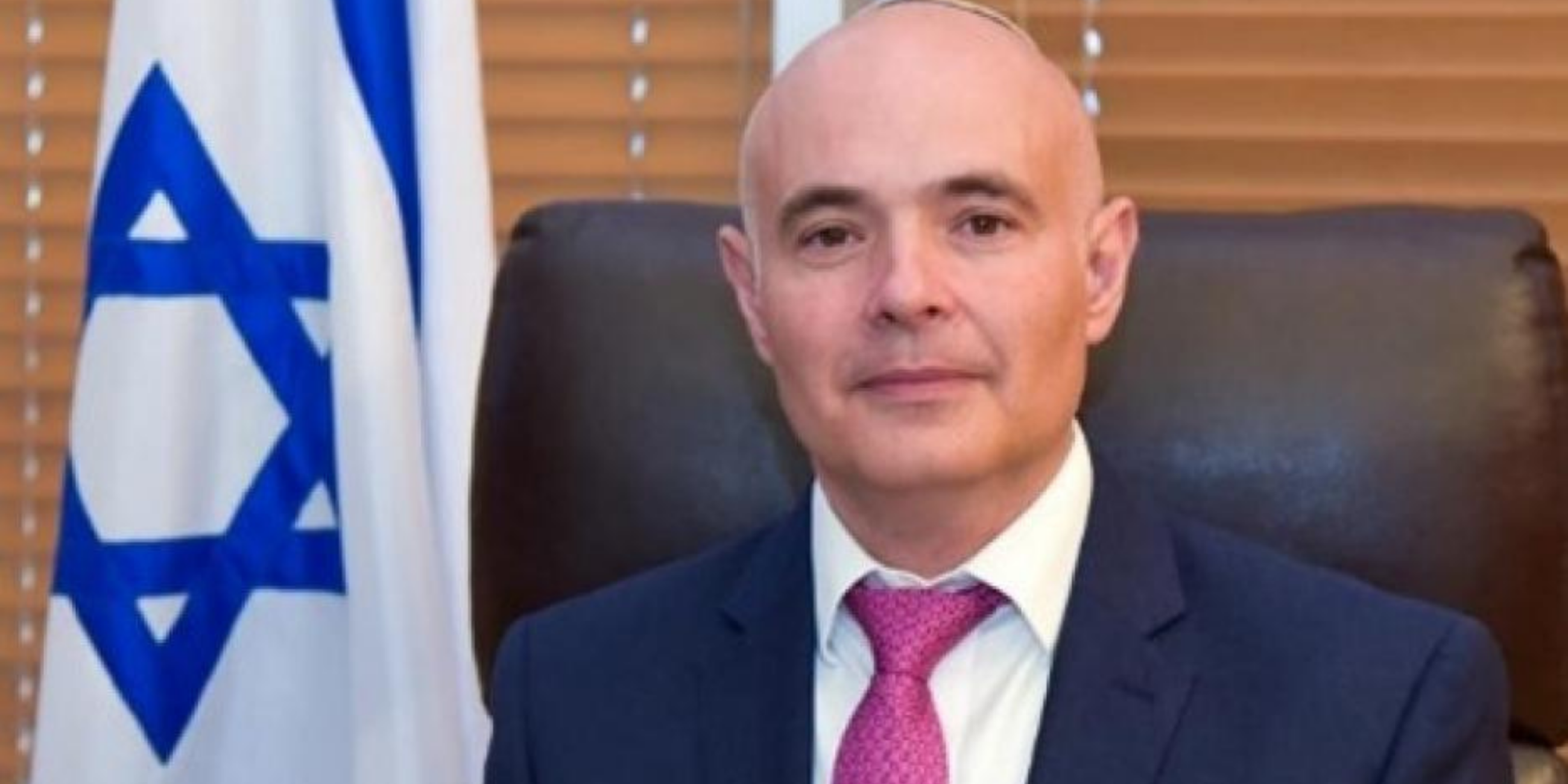
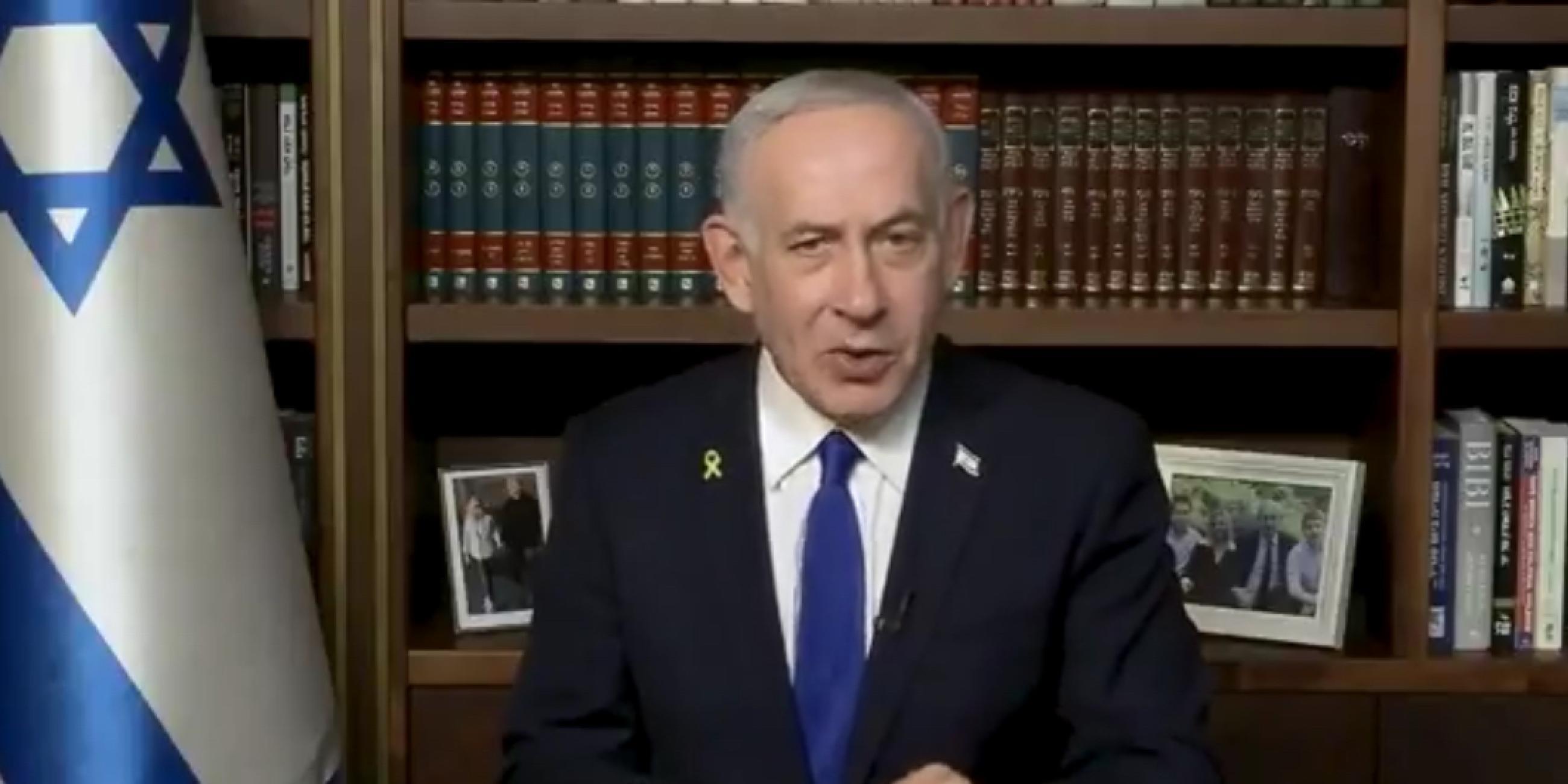
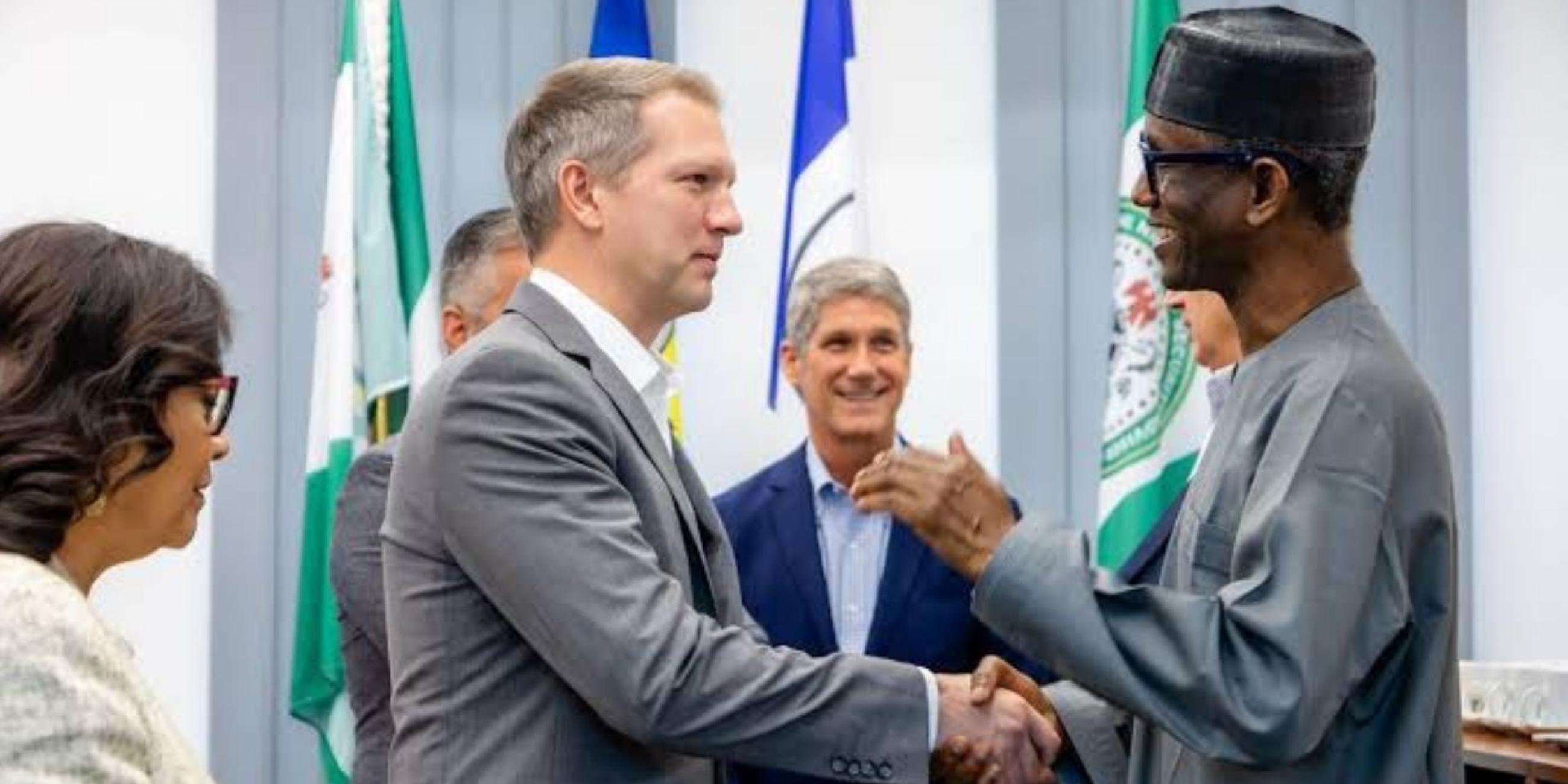
    Israel plans to support Nigeria in addressing insecurity and protecting Christian communities through intelligence sharing and strategic cooperation, according to Israel’s Ambassador to Nigeria, Michael Freeman. The initiative, outlined by Prime Minister Benjamin Netanyahu, emphasizes working in partnership with the Nigerian government and respecting national sovereignty.

    Freeman stated the support targets broader security challenges, including terrorism, insurgency, and violent extremism, not just threats against Christians. He highlighted Israel’s model of religious freedom, pointing to the thriving Christian population in Israel as an example.

    Amid growing concerns over attacks on Christians in Nigeria’s Middle Belt and northern regions, the Israeli involvement is intended as cooperation rather than unilateral action, with all sensitive operations guided by Abuja. The ambassador declined to speculate on potential U.S. unilateral interventions in Nigeria, emphasizing that Israel will act only with government approval.

    The announcement comes as Nigeria continues to face threats from Boko Haram, ISWAP, and bandits, with recurring calls for international support to safeguard vulnerable communities.
    Israel Offers Intelligence Sharing to Nigeria to Tackle Insecurity, Protect Vulnerable Christian Communities – Envoy Israel plans to support Nigeria in addressing insecurity and protecting Christian communities through intelligence sharing and strategic cooperation, according to Israel’s Ambassador to Nigeria, Michael Freeman. The initiative, outlined by Prime Minister Benjamin Netanyahu, emphasizes working in partnership with the Nigerian government and respecting national sovereignty. Freeman stated the support targets broader security challenges, including terrorism, insurgency, and violent extremism, not just threats against Christians. He highlighted Israel’s model of religious freedom, pointing to the thriving Christian population in Israel as an example. Amid growing concerns over attacks on Christians in Nigeria’s Middle Belt and northern regions, the Israeli involvement is intended as cooperation rather than unilateral action, with all sensitive operations guided by Abuja. The ambassador declined to speculate on potential U.S. unilateral interventions in Nigeria, emphasizing that Israel will act only with government approval. The announcement comes as Nigeria continues to face threats from Boko Haram, ISWAP, and bandits, with recurring calls for international support to safeguard vulnerable communities.
    0 Kommentare ·0 Geteilt ·734 Ansichten
  • Jihadist Fulani Bandits Responsible for Over 70% of Violent Attacks on Nigerian Communities and Churches in 2025 – InterSociety Report Warns of Grave Threat to National Unity

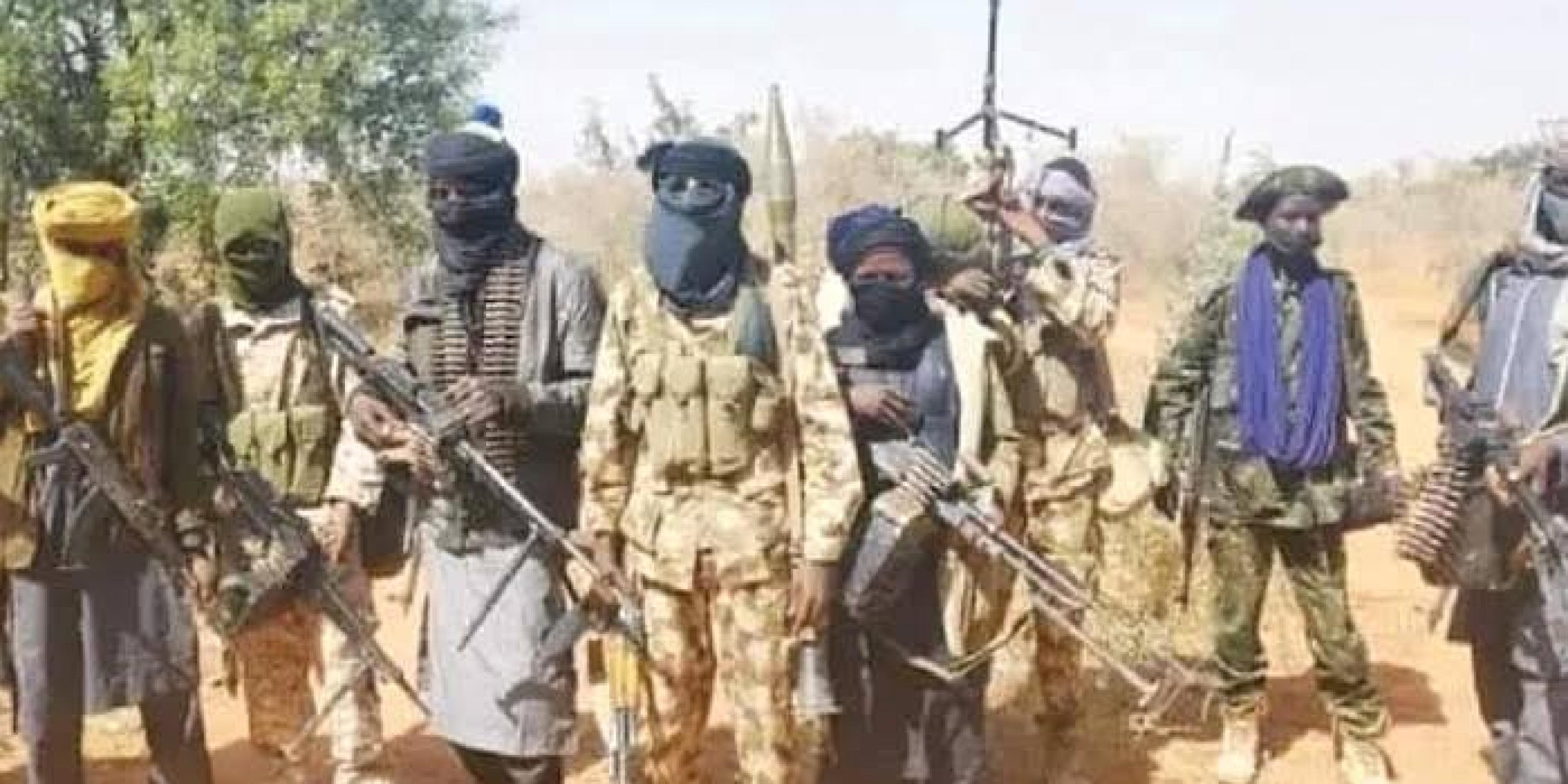
    A new report by the International Society for Civil Liberties and Rule of Law (InterSociety) has revealed that jihadist Fulani bandits and herdsmen were responsible for more than 70 per cent of violent attacks on Christian communities and places of worship across Nigeria in 2025. The civil rights group warned that the scale, coordination, and persistence of the violence pose a serious threat to Nigeria’s national unity, sovereignty, and constitutional secularism.

    According to the report, mass killings and church destructions have been systematic and well-coordinated since June 2015, with Christian communities in the Middle Belt, North-East, Southern Kaduna, parts of Kebbi, Katsina, Ondo State, and Eha-Amufu in Enugu State bearing the brunt of the attacks. InterSociety accused successive Nigerian governments of presiding over what it described as an “ethno-religiously polarised state,” alleging that violence against Christians has intensified under official watch.

    The organisation claimed that jihadist Fulani bandits and herdsmen have emerged as the most widespread and deadly terror groups in Nigeria, allegedly carrying out attacks framed around “convert to Islam or die” campaigns. It further alleged that controversial government policies such as RUGA settlements, grazing reserves, and ranching initiatives indirectly enabled armed herders to settle among indigenous Christian populations.

    InterSociety also raised concerns over forest security, questioning how armed groups gained access to detailed forest location data after a reported 2015 forest-mapping exercise by the Nigerian Army. Despite the grim findings, the group said international pressure helped save at least 600 Christian lives and dozens of churches in 2025, crediting advocacy on religious freedom and diplomatic interventions.

    The report singled out U.S. President Donald Trump for what it described as interventions that helped avert further attacks during the Christmas and New Year period, while also praising the United States and Canada for their roles in defending religious freedom in Nigeria. At the same time, InterSociety criticised the silence of some Nigerian Christian political leaders and called for urgent domestic and international action to prevent further destabilisation of Africa’s most populous nation.
    Jihadist Fulani Bandits Responsible for Over 70% of Violent Attacks on Nigerian Communities and Churches in 2025 – InterSociety Report Warns of Grave Threat to National Unity A new report by the International Society for Civil Liberties and Rule of Law (InterSociety) has revealed that jihadist Fulani bandits and herdsmen were responsible for more than 70 per cent of violent attacks on Christian communities and places of worship across Nigeria in 2025. The civil rights group warned that the scale, coordination, and persistence of the violence pose a serious threat to Nigeria’s national unity, sovereignty, and constitutional secularism. According to the report, mass killings and church destructions have been systematic and well-coordinated since June 2015, with Christian communities in the Middle Belt, North-East, Southern Kaduna, parts of Kebbi, Katsina, Ondo State, and Eha-Amufu in Enugu State bearing the brunt of the attacks. InterSociety accused successive Nigerian governments of presiding over what it described as an “ethno-religiously polarised state,” alleging that violence against Christians has intensified under official watch. The organisation claimed that jihadist Fulani bandits and herdsmen have emerged as the most widespread and deadly terror groups in Nigeria, allegedly carrying out attacks framed around “convert to Islam or die” campaigns. It further alleged that controversial government policies such as RUGA settlements, grazing reserves, and ranching initiatives indirectly enabled armed herders to settle among indigenous Christian populations. InterSociety also raised concerns over forest security, questioning how armed groups gained access to detailed forest location data after a reported 2015 forest-mapping exercise by the Nigerian Army. Despite the grim findings, the group said international pressure helped save at least 600 Christian lives and dozens of churches in 2025, crediting advocacy on religious freedom and diplomatic interventions. The report singled out U.S. President Donald Trump for what it described as interventions that helped avert further attacks during the Christmas and New Year period, while also praising the United States and Canada for their roles in defending religious freedom in Nigeria. At the same time, InterSociety criticised the silence of some Nigerian Christian political leaders and called for urgent domestic and international action to prevent further destabilisation of Africa’s most populous nation.
    like
    1
    · 0 Kommentare ·0 Geteilt ·696 Ansichten
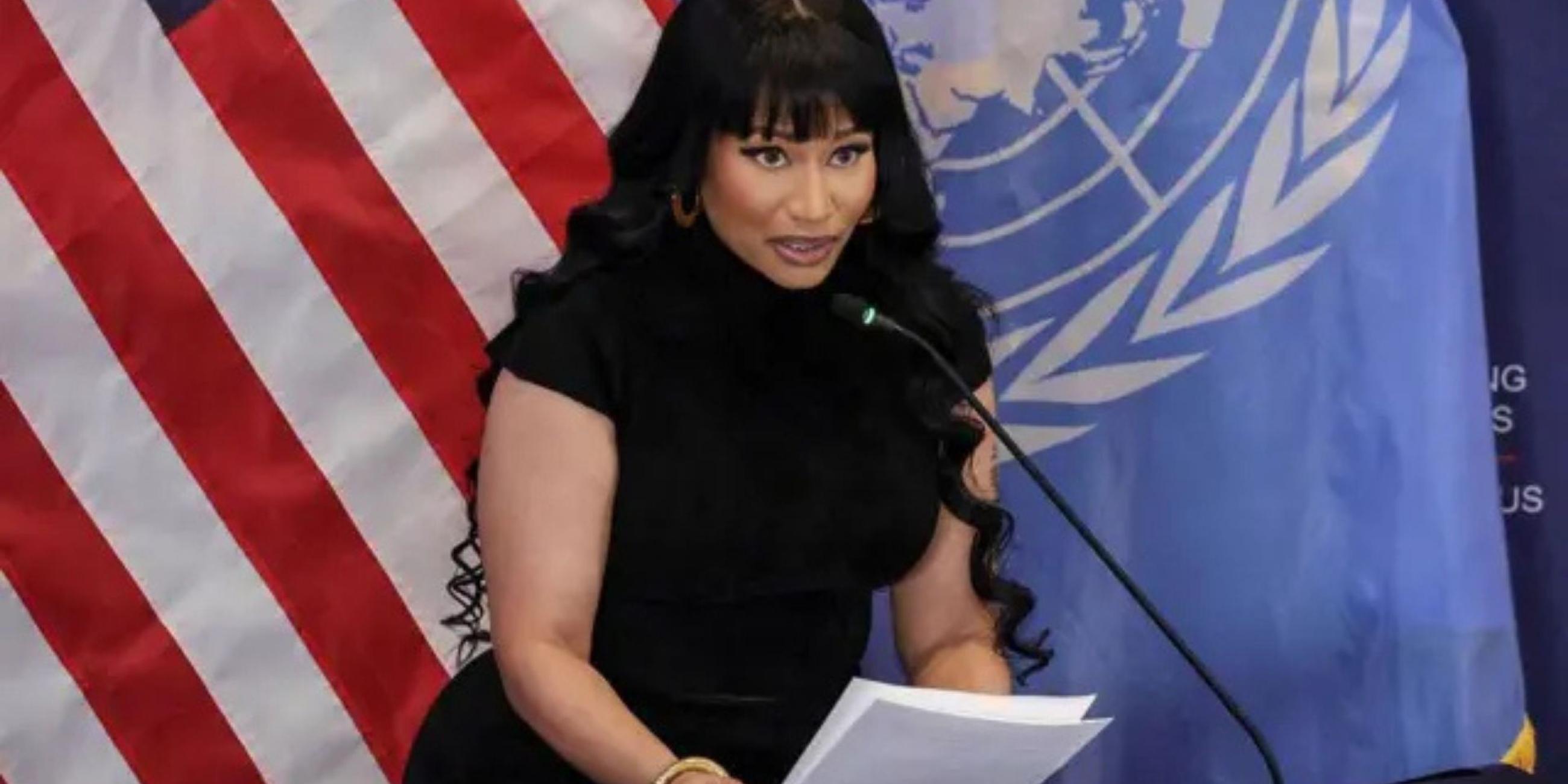
  • Nicki Minaj Faces Backlash, Loses Followers After Speaking On Christian Persecution In Nigeria At Turning Point USA Event

    American rap superstar Nicki Minaj has sparked widespread controversy and social media backlash following her surprise appearance at Turning Point USA’s AmericaFest, where she spoke on faith, politics, and global issues, including the persecution of Christians in Nigeria. Minaj appeared alongside conservative activist Erika Kirk and used the platform to praise former U.S. President Donald Trump and Vice President JD Vance for what she described as their efforts in raising global awareness about violence against Christians, particularly in Nigeria.

    Her remarks immediately triggered mixed reactions online. While some supporters commended her for drawing attention to religious persecution and amplifying the plight of Nigerian Christians—an issue she has previously addressed at international forums—others expressed strong opposition. Critics, especially from her progressive and LGBTQ+ fanbase, accused Minaj of aligning with conservative politics and abandoning communities that have long supported her career. Viral clips and posts alleging that she had “gone MAGA” intensified the backlash across multiple platforms.

    The controversy quickly spilled into Minaj’s social media presence, with reports indicating that her Instagram account was deactivated shortly after the event. Viral claims suggested she lost up to 10 million followers, although independent checks indicate that the figure may be exaggerated, with some reports pointing to a smaller decline or noting that the account may have been inactive prior to the event.

    The debate has drawn reactions from fellow artists, public figures, and commentators, with opinions sharply divided between those defending her right to speak on matters of faith and global violence, and those criticising what they see as a political and ideological shift. The Turning Point USA event itself has also attracted scrutiny, reflecting broader debates about celebrity involvement in politically charged causes.

    Earlier in November, Minaj had spoken at a United Nations event hosted by the U.S. Mission, where she also highlighted alleged violence against Christians in Nigeria. That appearance marked the beginning of heightened public attention on her growing advocacy for religious freedom, a stance that continues to provoke both support and criticism worldwide.

    Tags:
    #NickiMinaj, #ChristianPersecution, #Nigeria
    Nicki Minaj Faces Backlash, Loses Followers After Speaking On Christian Persecution In Nigeria At Turning Point USA Event American rap superstar Nicki Minaj has sparked widespread controversy and social media backlash following her surprise appearance at Turning Point USA’s AmericaFest, where she spoke on faith, politics, and global issues, including the persecution of Christians in Nigeria. Minaj appeared alongside conservative activist Erika Kirk and used the platform to praise former U.S. President Donald Trump and Vice President JD Vance for what she described as their efforts in raising global awareness about violence against Christians, particularly in Nigeria. Her remarks immediately triggered mixed reactions online. While some supporters commended her for drawing attention to religious persecution and amplifying the plight of Nigerian Christians—an issue she has previously addressed at international forums—others expressed strong opposition. Critics, especially from her progressive and LGBTQ+ fanbase, accused Minaj of aligning with conservative politics and abandoning communities that have long supported her career. Viral clips and posts alleging that she had “gone MAGA” intensified the backlash across multiple platforms. The controversy quickly spilled into Minaj’s social media presence, with reports indicating that her Instagram account was deactivated shortly after the event. Viral claims suggested she lost up to 10 million followers, although independent checks indicate that the figure may be exaggerated, with some reports pointing to a smaller decline or noting that the account may have been inactive prior to the event. The debate has drawn reactions from fellow artists, public figures, and commentators, with opinions sharply divided between those defending her right to speak on matters of faith and global violence, and those criticising what they see as a political and ideological shift. The Turning Point USA event itself has also attracted scrutiny, reflecting broader debates about celebrity involvement in politically charged causes. Earlier in November, Minaj had spoken at a United Nations event hosted by the U.S. Mission, where she also highlighted alleged violence against Christians in Nigeria. That appearance marked the beginning of heightened public attention on her growing advocacy for religious freedom, a stance that continues to provoke both support and criticism worldwide. Tags: #NickiMinaj, #ChristianPersecution, #Nigeria
    0 Kommentare ·0 Geteilt ·829 Ansichten
  • Israeli PM Netanyahu Condemns Attacks on Christians in Nigeria, Calls for Immediate End to Religious Violence

    Israeli Prime Minister Benjamin Netanyahu has condemned militant attacks against Christians in Nigeria, calling the violence “must end, and it must end now” in his Christmas message from Jerusalem. Netanyahu highlighted Israel as a model of religious freedom, contrasting it with regions where Christians face persecution, including Iraq, Syria, Lebanon, Turkey, the Palestinian Authority, and Nigeria. He cited the dwindling Christian population in Bethlehem, which fell from 80% to 20% under Palestinian Authority control, and criticized ongoing violence against Christian communities. Netanyahu reaffirmed Israel’s support for Christians globally, stating that the country “stands up for Christians across the region” and sends blessings to Christians worldwide.

    #NetanyahuSpeaks #ChristianPersecutionNigeria #ReligiousFreedom
    Israeli PM Netanyahu Condemns Attacks on Christians in Nigeria, Calls for Immediate End to Religious Violence Israeli Prime Minister Benjamin Netanyahu has condemned militant attacks against Christians in Nigeria, calling the violence “must end, and it must end now” in his Christmas message from Jerusalem. Netanyahu highlighted Israel as a model of religious freedom, contrasting it with regions where Christians face persecution, including Iraq, Syria, Lebanon, Turkey, the Palestinian Authority, and Nigeria. He cited the dwindling Christian population in Bethlehem, which fell from 80% to 20% under Palestinian Authority control, and criticized ongoing violence against Christian communities. Netanyahu reaffirmed Israel’s support for Christians globally, stating that the country “stands up for Christians across the region” and sends blessings to Christians worldwide. #NetanyahuSpeaks #ChristianPersecutionNigeria #ReligiousFreedom
    0 Kommentare ·0 Geteilt ·807 Ansichten

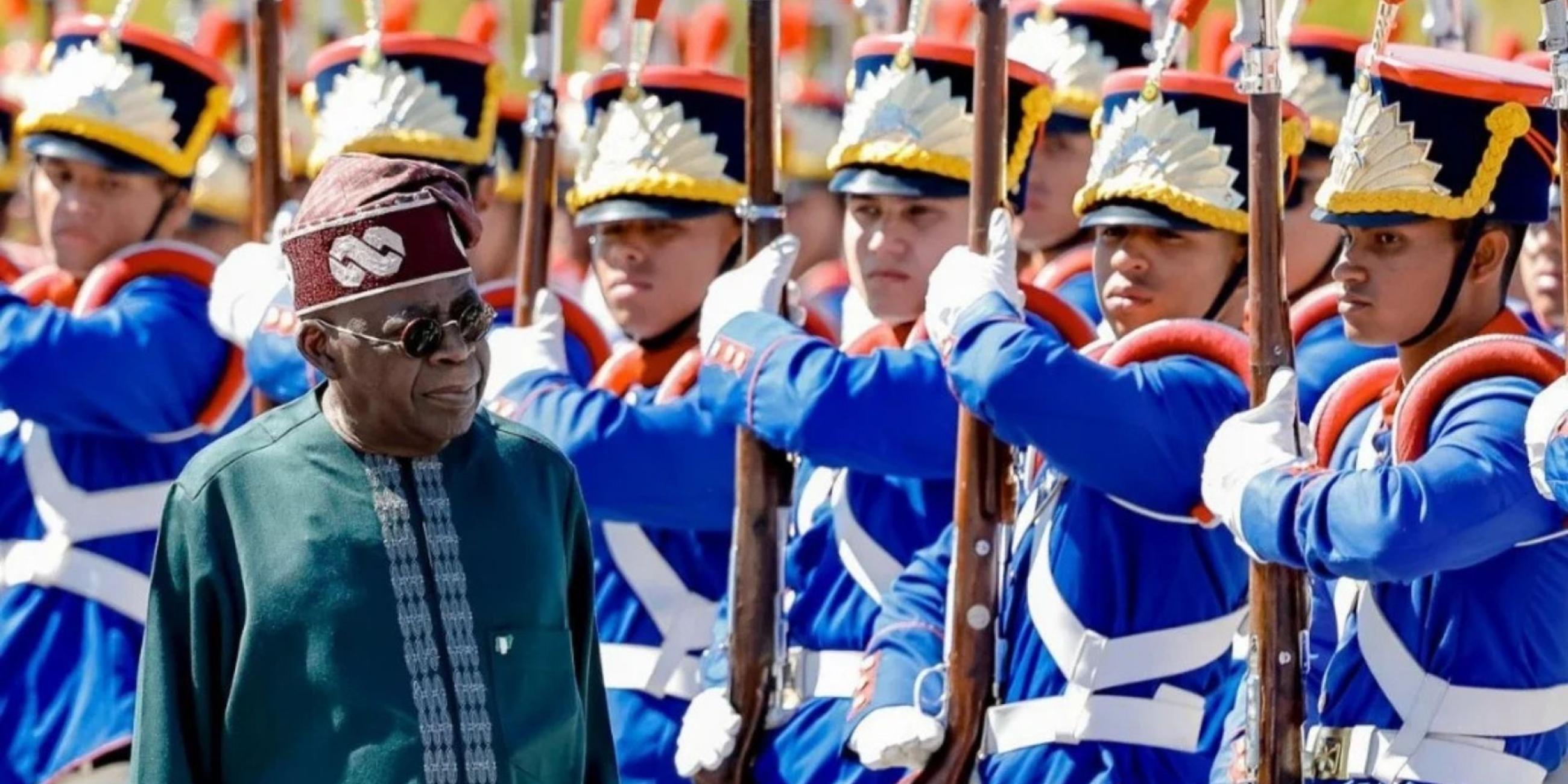
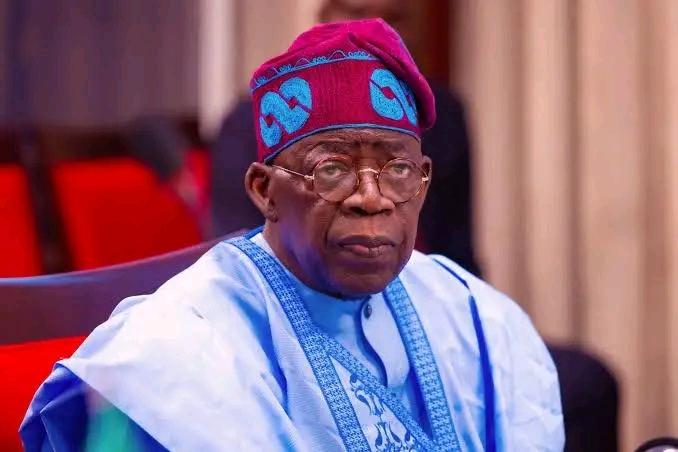
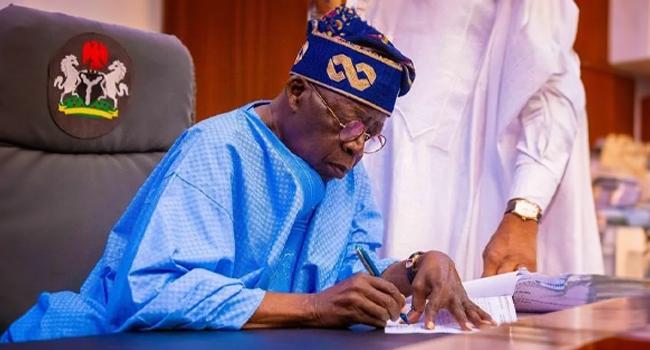
  • President Bola Ahmed Tinubu has reaffirmed his administration’s commitment to protecting religious freedom and ensuring that no Nigerian suffers persecution because of their faith, as he delivered his 2025 Christmas goodwill message to Christians across the country and around the world.

    In the message released on Tuesday, December 24, President Tinubu said his government remains firmly dedicated to upholding national unity, peaceful coexistence, and the constitutional right of all Nigerians to freely practise their religion without fear, intimidation, or violence. He stressed that religious differences must never be a source of division or conflict in Nigeria.

    Tinubu disclosed that throughout the year, his administration has actively engaged prominent leaders from Nigeria’s two major religions—Christianity and Islam—particularly amid growing concerns over religious intolerance, insecurity, and allegations of targeted attacks against Christian communities in parts of the country. According to him, these engagements are aimed at strengthening collaboration between government and religious institutions to prevent conflict and foster mutual understanding.

    The President said his government would build on these discussions to deepen cooperation with faith-based leaders, promote dialogue, and encourage peaceful coexistence among Nigerians of different religious backgrounds. He emphasised that the protection of religious freedom remains a key pillar of his administration’s governance agenda.

    Extending Christmas greetings to Christians, Tinubu described the season as a period of reflection on the birth of Jesus Christ and His enduring message of love, peace, hope, and salvation. He noted that Christmas goes beyond celebrations and festivities, reminding humanity of Christ’s teachings as the Prince of Peace and a symbol of unity and compassion.

    Tinubu thanked God for the opportunity to serve as Nigeria’s President and offered prayers for peace and harmony across the nation, particularly among people of different faiths. He reassured Nigerians that his government remains resolute in safeguarding the rights of all citizens to live, worship, and pursue their aspirations in safety and dignity.

    “As your President, I remain committed to doing everything within my power to enshrine religious freedom in Nigeria and to protect all people of different faiths from violence,” Tinubu said, adding that no individual, regardless of ethnicity or belief, should be made to suffer for professing or practising their faith.

    The President also acknowledged the role of Christians in Nigeria’s social development, noting that Christian values have inspired acts of charity, care for the vulnerable, and efforts to promote peace, tolerance, and harmony in communities across the country. He commended individuals and groups who continue to work selflessly to support the less privileged and strengthen social cohesion.

    Reiterating his administration’s commitment to security and stability, Tinubu said his government has consistently reassured Nigerians of its determination to safeguard the nation’s unity since assuming office in 2023. He expressed optimism about Nigeria’s future, stating that collective strength, faith in God, and national solidarity would help overcome current challenges.

    As Nigerians travel during the festive season, the President urged citizens to exercise patience, discipline, and caution on the roads, wishing all travellers safe journeys and peaceful celebrations. He concluded by expressing confidence that, with divine guidance and unity of purpose, Nigeria would continue progressing toward a future that coming generations would be proud of.


    President Bola Ahmed Tinubu has reaffirmed his administration’s commitment to protecting religious freedom and ensuring that no Nigerian suffers persecution because of their faith, as he delivered his 2025 Christmas goodwill message to Christians across the country and around the world. In the message released on Tuesday, December 24, President Tinubu said his government remains firmly dedicated to upholding national unity, peaceful coexistence, and the constitutional right of all Nigerians to freely practise their religion without fear, intimidation, or violence. He stressed that religious differences must never be a source of division or conflict in Nigeria. Tinubu disclosed that throughout the year, his administration has actively engaged prominent leaders from Nigeria’s two major religions—Christianity and Islam—particularly amid growing concerns over religious intolerance, insecurity, and allegations of targeted attacks against Christian communities in parts of the country. According to him, these engagements are aimed at strengthening collaboration between government and religious institutions to prevent conflict and foster mutual understanding. The President said his government would build on these discussions to deepen cooperation with faith-based leaders, promote dialogue, and encourage peaceful coexistence among Nigerians of different religious backgrounds. He emphasised that the protection of religious freedom remains a key pillar of his administration’s governance agenda. Extending Christmas greetings to Christians, Tinubu described the season as a period of reflection on the birth of Jesus Christ and His enduring message of love, peace, hope, and salvation. He noted that Christmas goes beyond celebrations and festivities, reminding humanity of Christ’s teachings as the Prince of Peace and a symbol of unity and compassion. Tinubu thanked God for the opportunity to serve as Nigeria’s President and offered prayers for peace and harmony across the nation, particularly among people of different faiths. He reassured Nigerians that his government remains resolute in safeguarding the rights of all citizens to live, worship, and pursue their aspirations in safety and dignity. “As your President, I remain committed to doing everything within my power to enshrine religious freedom in Nigeria and to protect all people of different faiths from violence,” Tinubu said, adding that no individual, regardless of ethnicity or belief, should be made to suffer for professing or practising their faith. The President also acknowledged the role of Christians in Nigeria’s social development, noting that Christian values have inspired acts of charity, care for the vulnerable, and efforts to promote peace, tolerance, and harmony in communities across the country. He commended individuals and groups who continue to work selflessly to support the less privileged and strengthen social cohesion. Reiterating his administration’s commitment to security and stability, Tinubu said his government has consistently reassured Nigerians of its determination to safeguard the nation’s unity since assuming office in 2023. He expressed optimism about Nigeria’s future, stating that collective strength, faith in God, and national solidarity would help overcome current challenges. As Nigerians travel during the festive season, the President urged citizens to exercise patience, discipline, and caution on the roads, wishing all travellers safe journeys and peaceful celebrations. He concluded by expressing confidence that, with divine guidance and unity of purpose, Nigeria would continue progressing toward a future that coming generations would be proud of.
    like
    1
    · 0 Kommentare ·0 Geteilt ·639 Ansichten
  • PRESIDENT TINUBU'S 2025 CHRISTMAS GOODWILL MESSAGE

    My Fellow Nigerians,

    As we mark this year's Christmas, may the love of Christ and his message of grace, hope, peace, and goodwill to humanity abide with us all.

    Beyond the celebration and festivities of this season, Christmas reminds us to reflect on the significance of Jesus Christ's birth and his message of salvation as the Prince of Peace.

    On this Holy Day, I wish all Christians in Nigeria and around the world a Merry Christmas. I thank God for the opportunity to serve as the leader of our great country, and I pray for peace in our land, especially among individuals of differing religious beliefs.

    As your President, I remain committed to doing everything within my power to enshrine religious freedom in Nigeria and to protect all people of different faiths from violence.

    As we celebrate the birth of Jesus, let us also reflect on the many contributions that Christians in Nigeria, as followers of Christ, have made and continue to make toward the progress of our country.

    The love of Christ and the message of the Gospel have inspired many Christians to care for the vulnerable and less privileged in our society. We honour those who, following the example of Jesus, work tirelessly to promote peace, harmony, and tolerance in their communities.

    For those who bring hope and faith in the midst of despair, this season is a reminder that, despite daunting challenges, God is with us.

    Since I assumed office in 2023, I have continually reassured Nigerians of our unyielding commitment to safeguarding the security, unity, and stability of our nation.

    That commitment remains steadfast under God and the Constitution of the Federal Republic of Nigeria. All Nigerians have the right to live, worship, and pursue their aspirations in safety and dignity.

    No one, regardless of ethnicity or belief, should be made to suffer for professing and practising his faith. The love for God and love for humanity is at the heart of all the great faiths. These shared values must continue to bind us together as one indivisible and resilient people of our blessed country.

    Throughout the year, I have had the privilege of engaging with prominent leaders from the two major faiths in the country, particularly amid concerns about religious intolerance and insecurity. We will build on these conversations to strengthen collaboration between government and religious institutions, prevent conflict and promote peaceful coexistence.

    As many Nigerians travel to reunite with family and loved ones during this holiday period, I urge all citizens to exercise patience and maintain discipline on the roads.

    I wish all travellers a safe journey and a safe return to their destinations.

    With confidence in divine providence and our collective strength, we will continue the work of building a greater Nigeria-one that future generations will be proud of.

    I wish you all a Merry Christmas and a happy New Year in advance.


    Bola Ahmed Tinubu, GCFR
    President, Commander-in-Chief of the Armed Forces,
    Federal Republic of Nigeria
    December 25, 2025
    PRESIDENT TINUBU'S 2025 CHRISTMAS GOODWILL MESSAGE My Fellow Nigerians, As we mark this year's Christmas, may the love of Christ and his message of grace, hope, peace, and goodwill to humanity abide with us all. Beyond the celebration and festivities of this season, Christmas reminds us to reflect on the significance of Jesus Christ's birth and his message of salvation as the Prince of Peace. On this Holy Day, I wish all Christians in Nigeria and around the world a Merry Christmas. I thank God for the opportunity to serve as the leader of our great country, and I pray for peace in our land, especially among individuals of differing religious beliefs. As your President, I remain committed to doing everything within my power to enshrine religious freedom in Nigeria and to protect all people of different faiths from violence. As we celebrate the birth of Jesus, let us also reflect on the many contributions that Christians in Nigeria, as followers of Christ, have made and continue to make toward the progress of our country. The love of Christ and the message of the Gospel have inspired many Christians to care for the vulnerable and less privileged in our society. We honour those who, following the example of Jesus, work tirelessly to promote peace, harmony, and tolerance in their communities. For those who bring hope and faith in the midst of despair, this season is a reminder that, despite daunting challenges, God is with us. Since I assumed office in 2023, I have continually reassured Nigerians of our unyielding commitment to safeguarding the security, unity, and stability of our nation. That commitment remains steadfast under God and the Constitution of the Federal Republic of Nigeria. All Nigerians have the right to live, worship, and pursue their aspirations in safety and dignity. No one, regardless of ethnicity or belief, should be made to suffer for professing and practising his faith. The love for God and love for humanity is at the heart of all the great faiths. These shared values must continue to bind us together as one indivisible and resilient people of our blessed country. Throughout the year, I have had the privilege of engaging with prominent leaders from the two major faiths in the country, particularly amid concerns about religious intolerance and insecurity. We will build on these conversations to strengthen collaboration between government and religious institutions, prevent conflict and promote peaceful coexistence. As many Nigerians travel to reunite with family and loved ones during this holiday period, I urge all citizens to exercise patience and maintain discipline on the roads. I wish all travellers a safe journey and a safe return to their destinations. With confidence in divine providence and our collective strength, we will continue the work of building a greater Nigeria-one that future generations will be proud of. I wish you all a Merry Christmas and a happy New Year in advance. Bola Ahmed Tinubu, GCFR President, Commander-in-Chief of the Armed Forces, Federal Republic of Nigeria December 25, 2025
    like
    1
    · 0 Kommentare ·0 Geteilt ·649 Ansichten
  • US Lawmaker Praises Release Of Nigerian Christian Farmer Sunday Jackson After Over 10 Years On Death Row Following Adamawa Governor’s Pardon

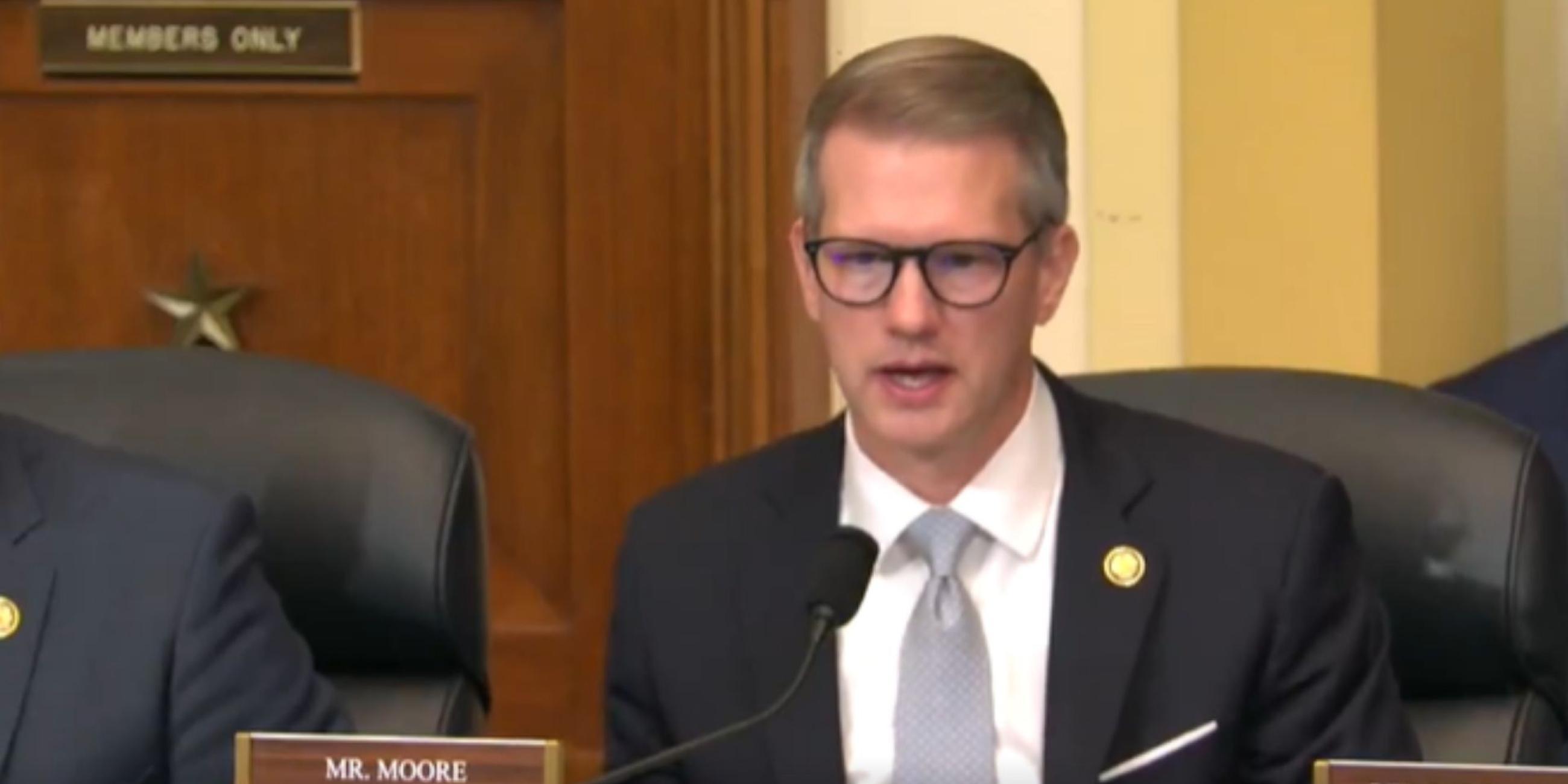
    A United States lawmaker, Rep. Riley M. Moore, has hailed the release of Sunday Jackson, a Nigerian Christian farmer who spent more than a decade on death row after killing an attacker in what supporters describe as self-defence. Jackson was freed after Adamawa State Governor Ahmadu Umaru Fintiri granted him a pardon, ending a case that attracted sustained pressure from U.S. lawmakers and religious freedom advocates. Moore described the pardon as a major step forward for religious freedom and improving U.S.–Nigeria relations, while urging Nigerian authorities to ensure Jackson’s safety. The case has become symbolic of wider concerns over religious persecution, farmer-herder violence, and the need for justice and security reforms in Nigeria.

    #SundayJackson
    #ReligiousFreedom
    #USNigeriaRelations
    US Lawmaker Praises Release Of Nigerian Christian Farmer Sunday Jackson After Over 10 Years On Death Row Following Adamawa Governor’s Pardon A United States lawmaker, Rep. Riley M. Moore, has hailed the release of Sunday Jackson, a Nigerian Christian farmer who spent more than a decade on death row after killing an attacker in what supporters describe as self-defence. Jackson was freed after Adamawa State Governor Ahmadu Umaru Fintiri granted him a pardon, ending a case that attracted sustained pressure from U.S. lawmakers and religious freedom advocates. Moore described the pardon as a major step forward for religious freedom and improving U.S.–Nigeria relations, while urging Nigerian authorities to ensure Jackson’s safety. The case has become symbolic of wider concerns over religious persecution, farmer-herder violence, and the need for justice and security reforms in Nigeria. #SundayJackson #ReligiousFreedom #USNigeriaRelations
    0 Kommentare ·0 Geteilt ·608 Ansichten
  • Nigeria Leads African Crude Oil Exports to the U.S. in 2025
    Between January and August 2025, Nigeria exported 33.23 million barrels of crude oil to the United States, valued at $2.57 billion, making it the top African supplier to the U.S.
    These exports accounted for over half of all African crude shipments to the American market during that period.
    The U.S. Mission in Nigeria emphasized that this trade strengthens economic ties, creates jobs, and benefits both countries.
    Diplomatic Context
    In 2025, tensions arose over visa restrictions and religious freedom concerns:
    Nigeria was placed under partial U.S. entry restrictions for student and exchange visas due to alleged high overstay rates.
    The country was also designated a Country of Particular Concern (CPC) under the International Religious Freedom Act, citing reports of violence against Christians in the Middle Belt.
    These tensions led to discussions of aid cuts and potential military measures, though no troops were deployed.
    By December 22, 2025, Nigerian and U.S. officials resolved the diplomatic spat through engagement, signing a $5.1 billion bilateral health cooperation agreement and shifting focus toward strategic security support rather than direct military intervention.
    Key Takeaway:
    Despite geopolitical frictions, Nigeria’s oil exports to the U.S. remain strong, reinforcing the economic importance of bilateral relations while highlighting ongoing security and diplomatic challenges.
    Nigeria Leads African Crude Oil Exports to the U.S. in 2025 Between January and August 2025, Nigeria exported 33.23 million barrels of crude oil to the United States, valued at $2.57 billion, making it the top African supplier to the U.S. These exports accounted for over half of all African crude shipments to the American market during that period. The U.S. Mission in Nigeria emphasized that this trade strengthens economic ties, creates jobs, and benefits both countries. Diplomatic Context In 2025, tensions arose over visa restrictions and religious freedom concerns: Nigeria was placed under partial U.S. entry restrictions for student and exchange visas due to alleged high overstay rates. The country was also designated a Country of Particular Concern (CPC) under the International Religious Freedom Act, citing reports of violence against Christians in the Middle Belt. These tensions led to discussions of aid cuts and potential military measures, though no troops were deployed. By December 22, 2025, Nigerian and U.S. officials resolved the diplomatic spat through engagement, signing a $5.1 billion bilateral health cooperation agreement and shifting focus toward strategic security support rather than direct military intervention. Key Takeaway: Despite geopolitical frictions, Nigeria’s oil exports to the U.S. remain strong, reinforcing the economic importance of bilateral relations while highlighting ongoing security and diplomatic challenges.
    0 Kommentare ·0 Geteilt ·301 Ansichten
  • Nicki Minaj Speaks Out On Alleged Persecution Of Christians In Nigeria

    American rapper Nicki Minaj has declared that she and other Christians will no longer remain silent over what she described as the persecution and killing of Christians in Nigeria, saying attempts to intimidate them into silence have failed.

    Minaj made the remarks during a surprise appearance at AmericaFest on Sunday, while responding to a question from Erika Kirk, widow of conservative activist Charlie Kirk.

    Speaking on religious freedom, Minaj said many Americans take the right to worship for granted, while Christians in other parts of the world are forced to practise their faith in fear or secrecy. She urged believers to remember and pray for those facing persecution, specifically mentioning Nigeria.

    She said reports of kidnappings, killings and attacks on Christians during church services in Nigeria deeply disturbed her, adding that such acts should spark outrage in the United States.

    > “We’re not backing down anymore. We are not going to be silenced by the bullies,” Minaj said, stressing that she would continue to speak up for Christians globally.


    The rapper also reflected on her Christian faith, tracing it to her childhood in Trinidad and later years in New York, where regular church attendance shaped her life. She said although fame and career pressures sometimes pulled her away, she recently experienced a renewed closeness to God that has given her clarity and courage.

    Addressing young people at the event, Minaj praised their passion and faith, saying it gives hope for the future.

    The comments have since sparked widespread reactions, particularly in Nigeria, where insecurity and religiously linked violence remain major national concerns.
    Nicki Minaj Speaks Out On Alleged Persecution Of Christians In Nigeria American rapper Nicki Minaj has declared that she and other Christians will no longer remain silent over what she described as the persecution and killing of Christians in Nigeria, saying attempts to intimidate them into silence have failed. Minaj made the remarks during a surprise appearance at AmericaFest on Sunday, while responding to a question from Erika Kirk, widow of conservative activist Charlie Kirk. Speaking on religious freedom, Minaj said many Americans take the right to worship for granted, while Christians in other parts of the world are forced to practise their faith in fear or secrecy. She urged believers to remember and pray for those facing persecution, specifically mentioning Nigeria. She said reports of kidnappings, killings and attacks on Christians during church services in Nigeria deeply disturbed her, adding that such acts should spark outrage in the United States. > “We’re not backing down anymore. We are not going to be silenced by the bullies,” Minaj said, stressing that she would continue to speak up for Christians globally. The rapper also reflected on her Christian faith, tracing it to her childhood in Trinidad and later years in New York, where regular church attendance shaped her life. She said although fame and career pressures sometimes pulled her away, she recently experienced a renewed closeness to God that has given her clarity and courage. Addressing young people at the event, Minaj praised their passion and faith, saying it gives hope for the future. The comments have since sparked widespread reactions, particularly in Nigeria, where insecurity and religiously linked violence remain major national concerns.
    0 Kommentare ·0 Geteilt ·610 Ansichten
  • U.S. Congressmen Rule Out Troop Deployment to Nigeria, Call Violence Against Muslims and Christians “Unacceptable”

    A bipartisan U.S. Congressional delegation visiting Nigeria has ruled out sending American troops to address the country’s insecurity, emphasizing that the U.S. designation of Nigeria as a Country of Particular Concern (CPC) aims to drive reforms through diplomatic pressure, not military intervention. Led by Congressman Bill Huizenga and including Reps. Michael Baumgartner, Keith Self, and Jefferson Shreve, the delegation met with Nigerian officials, religious leaders, and civil society representatives to discuss religious freedom, accountability, and strategies to curb violence across the country. While condemning attacks on both Muslims and Christians, the lawmakers stressed non-military support such as humanitarian assistance, institutional reforms, and capacity-building as key approaches to improving stability in Nigeria.
    U.S. Congressmen Rule Out Troop Deployment to Nigeria, Call Violence Against Muslims and Christians “Unacceptable” A bipartisan U.S. Congressional delegation visiting Nigeria has ruled out sending American troops to address the country’s insecurity, emphasizing that the U.S. designation of Nigeria as a Country of Particular Concern (CPC) aims to drive reforms through diplomatic pressure, not military intervention. Led by Congressman Bill Huizenga and including Reps. Michael Baumgartner, Keith Self, and Jefferson Shreve, the delegation met with Nigerian officials, religious leaders, and civil society representatives to discuss religious freedom, accountability, and strategies to curb violence across the country. While condemning attacks on both Muslims and Christians, the lawmakers stressed non-military support such as humanitarian assistance, institutional reforms, and capacity-building as key approaches to improving stability in Nigeria.
    0 Kommentare ·0 Geteilt ·260 Ansichten
  • US Lawmakers Blame Radical Islam for Mass Killing of Christians in Nigeria

    US lawmakers, including Mary Miller and Riley Moore, have attributed the mass killings of Christians in Nigeria to radical Islamic extremists. Moore visited Benue State, meeting internally displaced Christians who recounted horrific violence, including the murder of family members and attacks on women and children. The United States House Committee on Appropriations emphasized its commitment to religious freedom and atrocity response, directing efforts to inform policy recommendations under the NSRP bill. Lawmakers also engaged Nigerian officials, including National Security Adviser Nuhu Ribadu, discussing measures to combat terrorism, enhance security, and protect vulnerable populations in the North-East and Middle Belt regions.
    US Lawmakers Blame Radical Islam for Mass Killing of Christians in Nigeria US lawmakers, including Mary Miller and Riley Moore, have attributed the mass killings of Christians in Nigeria to radical Islamic extremists. Moore visited Benue State, meeting internally displaced Christians who recounted horrific violence, including the murder of family members and attacks on women and children. The United States House Committee on Appropriations emphasized its commitment to religious freedom and atrocity response, directing efforts to inform policy recommendations under the NSRP bill. Lawmakers also engaged Nigerian officials, including National Security Adviser Nuhu Ribadu, discussing measures to combat terrorism, enhance security, and protect vulnerable populations in the North-East and Middle Belt regions.
    0 Kommentare ·0 Geteilt ·517 Ansichten
  • U.S. Pledges Action on Religious Freedom in Nigeria After Lawmakers Visit Benue IDP Camps

    The United States has reaffirmed its commitment to defending religious freedom in Nigeria following a visit by U.S. Congressman Riley Moore to Internally Displaced Persons (IDP) camps in Benue State. During the visit, Moore met with Christian victims who recounted horrific attacks that left families murdered and communities displaced. The U.S. House Committee on Appropriations responded by pledging that America “will not look away,” noting that the visit forms part of a fact-finding mission ordered by President Donald Trump to address Christian persecution and guide future policy. Moore later met with Nigeria’s National Security Adviser, Nuhu Ribadu, discussing concrete steps to tackle terrorism and violence in the North-East and Middle Belt. While acknowledging some progress, the U.S. stressed that Nigeria’s security crisis remains severe and requires urgent action.
    U.S. Pledges Action on Religious Freedom in Nigeria After Lawmakers Visit Benue IDP Camps The United States has reaffirmed its commitment to defending religious freedom in Nigeria following a visit by U.S. Congressman Riley Moore to Internally Displaced Persons (IDP) camps in Benue State. During the visit, Moore met with Christian victims who recounted horrific attacks that left families murdered and communities displaced. The U.S. House Committee on Appropriations responded by pledging that America “will not look away,” noting that the visit forms part of a fact-finding mission ordered by President Donald Trump to address Christian persecution and guide future policy. Moore later met with Nigeria’s National Security Adviser, Nuhu Ribadu, discussing concrete steps to tackle terrorism and violence in the North-East and Middle Belt. While acknowledging some progress, the U.S. stressed that Nigeria’s security crisis remains severe and requires urgent action.
    love
    1
    · 0 Kommentare ·0 Geteilt ·484 Ansichten
  • US Reviews Ties With Tanzania Over Repression, Election Violence and Threats to American Citizens

    The United States has announced a comprehensive review of its relationship with Tanzania, citing escalating repression of religious freedom and free speech, election-related violence, and threats to the safety of American citizens. In a statement, Principal Deputy Spokesperson Tommy Pigott warned that recent actions by Tanzania’s government jeopardize decades of partnership, regional stability, and U.S. interests. Washington says ongoing human-rights abuses and barriers to U.S. investment have forced a reassessment of diplomatic, development, and security cooperation with Dodoma. Tanzania has yet to issue a response.
    US Reviews Ties With Tanzania Over Repression, Election Violence and Threats to American Citizens The United States has announced a comprehensive review of its relationship with Tanzania, citing escalating repression of religious freedom and free speech, election-related violence, and threats to the safety of American citizens. In a statement, Principal Deputy Spokesperson Tommy Pigott warned that recent actions by Tanzania’s government jeopardize decades of partnership, regional stability, and U.S. interests. Washington says ongoing human-rights abuses and barriers to U.S. investment have forced a reassessment of diplomatic, development, and security cooperation with Dodoma. Tanzania has yet to issue a response.
    0 Kommentare ·0 Geteilt ·546 Ansichten
  • Sokoto Man Hamisu Regains Freedom After 98 Days in Bandits’ Captivity, Returns Home Weak but Alive

    Hamisu, a resident of Mashaya in Sabon-Birni LGA of Sokoto State, has regained his freedom after spending 98 days in the hands of bandits. He was released on Wednesday morning in Marnona, Wurno LGA, arriving home frail and emotionally drained. Abducted alongside his brother and sister-in-law, Hamisu remained captive after his brother escaped and his sister-in-law died in captivity. His return brings mixed emotions to the community—relief at his survival and grief for the lives lost. His ordeal unfolds amid escalating violence across Nigeria, where over 10,000 people have been killed by armed groups in the past two years. The U.S. has issued warnings to President Bola Tinubu and imposed visa restrictions on Nigerians implicated in religious freedom violations, citing rising attacks and alleged “religious cleansing.”
    Sokoto Man Hamisu Regains Freedom After 98 Days in Bandits’ Captivity, Returns Home Weak but Alive Hamisu, a resident of Mashaya in Sabon-Birni LGA of Sokoto State, has regained his freedom after spending 98 days in the hands of bandits. He was released on Wednesday morning in Marnona, Wurno LGA, arriving home frail and emotionally drained. Abducted alongside his brother and sister-in-law, Hamisu remained captive after his brother escaped and his sister-in-law died in captivity. His return brings mixed emotions to the community—relief at his survival and grief for the lives lost. His ordeal unfolds amid escalating violence across Nigeria, where over 10,000 people have been killed by armed groups in the past two years. The U.S. has issued warnings to President Bola Tinubu and imposed visa restrictions on Nigerians implicated in religious freedom violations, citing rising attacks and alleged “religious cleansing.”
    0 Kommentare ·0 Geteilt ·221 Ansichten
  • U.S. Announces New Visa Restrictions on alleged Persecutors of Nigerian Christians

    Secretary of State, Senator Marco Rubio revealed today that the United States is implementing decisive measures against those responsible for alleged atrocities and violence targeting Christians in Nigeria and worldwide.

    The State Department will now restrict U.S. entry visas for any individuals or officials who “knowingly direct, authorize, fund, support, or carry out violations of religious freedom.”

    The new policy explicitly applies to Nigeria as well as other governments and individuals engaged in the persecution of people based on their religious beliefs.

    He said, “The United States is taking decisive action in response to the atrocities and violence against Christians in Nigeria and around the world. The state department will restrict U.S. visas for those who knowingly direct, authorize, fund, support, or carry out violations of religious freedom. This visa policy applies to Nigeria and other governments or individuals that persecute people for their religious beliefs.”
    U.S. Announces New Visa Restrictions on alleged Persecutors of Nigerian Christians Secretary of State, Senator Marco Rubio revealed today that the United States is implementing decisive measures against those responsible for alleged atrocities and violence targeting Christians in Nigeria and worldwide. The State Department will now restrict U.S. entry visas for any individuals or officials who “knowingly direct, authorize, fund, support, or carry out violations of religious freedom.” The new policy explicitly applies to Nigeria as well as other governments and individuals engaged in the persecution of people based on their religious beliefs. He said, “The United States is taking decisive action in response to the atrocities and violence against Christians in Nigeria and around the world. The state department will restrict U.S. visas for those who knowingly direct, authorize, fund, support, or carry out violations of religious freedom. This visa policy applies to Nigeria and other governments or individuals that persecute people for their religious beliefs.”
    love
    1
    · 0 Kommentare ·0 Geteilt ·402 Ansichten
  • President Bola Tinubu has approved the Nigerian team for the US-Nigeria Joint Working Group, aimed at strengthening cooperation on security challenges. The group was agreed upon during a recent visit to Washington, D.C., led by National Security Adviser (NSA) Nuhu Ribadu, who will head the Nigerian side.
    The multi-agency team includes the Ministers of Foreign Affairs, Defence, Interior, and Humanitarian Affairs; the Chief of Defence Staff; the DG of the National Intelligence Agency; and the Inspector General of Police. Two officials — Idayat Hassan (ONSA) and Paul Alabi (Nigerian Embassy, US) — will serve as the secretariat.
    Tinubu urged the group to work closely with US counterparts to fully implement all joint agreements.
    The move comes amid heightened global attention on Nigeria’s insecurity, intensified by former US President Donald Trump’s claims of Christian killings and threats of military intervention — claims Nigeria rejects. Tinubu reaffirmed his commitment to citizens’ safety and religious freedom.
    Meanwhile, the US House Subcommittee on Africa recently reviewed Nigeria’s designation as a Country of Particular Concern (CPC), with witnesses presenting conflicting views on the security situation.
    President Bola Tinubu has approved the Nigerian team for the US-Nigeria Joint Working Group, aimed at strengthening cooperation on security challenges. The group was agreed upon during a recent visit to Washington, D.C., led by National Security Adviser (NSA) Nuhu Ribadu, who will head the Nigerian side. The multi-agency team includes the Ministers of Foreign Affairs, Defence, Interior, and Humanitarian Affairs; the Chief of Defence Staff; the DG of the National Intelligence Agency; and the Inspector General of Police. Two officials — Idayat Hassan (ONSA) and Paul Alabi (Nigerian Embassy, US) — will serve as the secretariat. Tinubu urged the group to work closely with US counterparts to fully implement all joint agreements. The move comes amid heightened global attention on Nigeria’s insecurity, intensified by former US President Donald Trump’s claims of Christian killings and threats of military intervention — claims Nigeria rejects. Tinubu reaffirmed his commitment to citizens’ safety and religious freedom. Meanwhile, the US House Subcommittee on Africa recently reviewed Nigeria’s designation as a Country of Particular Concern (CPC), with witnesses presenting conflicting views on the security situation.
    0 Kommentare ·0 Geteilt ·383 Ansichten
  • US House of Representatives launches Probe into Christian Genocide in Nigeria.

    The United States House of Representatives Subcommittee on Africa will hold a public hearing on Thursday, November 20, 2025, to scrutinise President Donald Trump’s decision to redesignate Nigeria as a Country of Particular Concern (CPC) over alleged religious freedom violations.

    The session, slated for 11 a.m. in Room 2172 of the Rayburn House Office Building and streamed live online, will be chaired by Rep. Chris Smith (R-NJ), a long-time advocate on global religious liberty issues.

    According to an invitation issued to members of the House Committee on Foreign Affairs, the hearing will convene two panels. The first panel will feature senior officials from the US Department of State, including Jonathan Pratt, the Senior Bureau Official for African Affairs, and Jacob McGee, Deputy Assistant Secretary in the Bureau of Democracy, Human Rights, and Labor.

    A second panel will include prominent voices from religious and policy organisations, among them the Director of the Centre for Religious Freedom, Ms. Nina Shea; Bishop Wilfred Anagbe of the Makurdi Catholic Diocese; and Ms. Oge Onubogu of the Centre for Strategic and International Studies (CSIS).

    The review will assess the scale of religious persecution in Nigeria and explore possible US responses, ranging from targeted sanctions to humanitarian assistance and increased cooperation with Nigerian authorities.

    Trump’s Hardline Position
    President Trump reignited debate on October 31, 2025, when he returned Nigeria to the CPC list, a designation that paves the way for sweeping punitive measures against foreign officials implicated in religious repression. In a strongly worded statement the following day, he alleged that Christians in Nigeria were facing an “existential threat,” claiming thousands had been killed by Islamist extremists.

    “If the Nigerian Government continues to allow the killing of Christians, the USA will immediately stop all aid and assistance to Nigeria,” Trump warned. “We may very well go into that country ‘guns-a-blazing’ to completely wipe out the terrorists committing these atrocities.”

    He also directed the US “Department of War” to prepare for possible intervention, saying any strike would be “fast, vicious, and sweet.”
    US House of Representatives launches Probe into Christian Genocide in Nigeria. The United States House of Representatives Subcommittee on Africa will hold a public hearing on Thursday, November 20, 2025, to scrutinise President Donald Trump’s decision to redesignate Nigeria as a Country of Particular Concern (CPC) over alleged religious freedom violations. The session, slated for 11 a.m. in Room 2172 of the Rayburn House Office Building and streamed live online, will be chaired by Rep. Chris Smith (R-NJ), a long-time advocate on global religious liberty issues. According to an invitation issued to members of the House Committee on Foreign Affairs, the hearing will convene two panels. The first panel will feature senior officials from the US Department of State, including Jonathan Pratt, the Senior Bureau Official for African Affairs, and Jacob McGee, Deputy Assistant Secretary in the Bureau of Democracy, Human Rights, and Labor. A second panel will include prominent voices from religious and policy organisations, among them the Director of the Centre for Religious Freedom, Ms. Nina Shea; Bishop Wilfred Anagbe of the Makurdi Catholic Diocese; and Ms. Oge Onubogu of the Centre for Strategic and International Studies (CSIS). The review will assess the scale of religious persecution in Nigeria and explore possible US responses, ranging from targeted sanctions to humanitarian assistance and increased cooperation with Nigerian authorities. Trump’s Hardline Position President Trump reignited debate on October 31, 2025, when he returned Nigeria to the CPC list, a designation that paves the way for sweeping punitive measures against foreign officials implicated in religious repression. In a strongly worded statement the following day, he alleged that Christians in Nigeria were facing an “existential threat,” claiming thousands had been killed by Islamist extremists. “If the Nigerian Government continues to allow the killing of Christians, the USA will immediately stop all aid and assistance to Nigeria,” Trump warned. “We may very well go into that country ‘guns-a-blazing’ to completely wipe out the terrorists committing these atrocities.” He also directed the US “Department of War” to prepare for possible intervention, saying any strike would be “fast, vicious, and sweet.”
    0 Kommentare ·0 Geteilt ·772 Ansichten
Weitere Ergebnisse
Fintter https://fintter.com